Optical Dome vs Flat Window | Optical Protection System Selection Guide
Optical domes and flat windows are two fundamental structures used in optical protection systems. They are widely applied in LiDAR systems, infrared imaging, aerospace sensors and industrial optical equipment.
Although both are used as protective optical interfaces, their optical behavior, field of view performance and mechanical design are significantly different. Choosing the correct structure directly affects system accuracy, durability and imaging quality.
⸻
1. What is an Optical Dome?
An optical dome is a curved protective optical component designed to maintain optical performance over a wide field of view.
Key Characteristics
• Curved spherical surface
• Wide-angle optical transmission
• High pressure resistance
• Reduced angular distortion
Typical Materials
• Fused silica
• Sapphire
• ZnS (infrared applications)
• BK7 / K9 (visible systems)
Applications
• LiDAR sensors
• UAV navigation systems
• Underwater optical systems
• Aerospace sensor protection
⸻
2. What is a Flat Optical Window?
A flat optical window is a parallel-sided optical plate used to protect optical systems without significantly altering the optical path.
Key Characteristics
• Flat parallel surfaces
• Minimal optical distortion
• Simple optical structure
• Cost-efficient design
Typical Materials
• BK7 / K9 optical glass
• Fused silica
• Sapphire (high durability)
• ZnSe (CO₂ laser systems)
Applications
• Industrial laser machines
• Imaging systems
• Laboratory optical instruments
• Standard sensor protection
⸻
3. Optical Dome vs Flat Window Comparison
Property Optical Dome Flat Window
Field of View Wide (up to 180°) Limited
Optical Distortion Controlled correction Very low
Mechanical Strength High pressure resistance Medium
System Complexity Higher Lower
Cost Higher Lower
Best Use LiDAR / aerospace Industrial optics
⸻
4. Key Performance Differences
4.1 Field of View Advantage
Optical domes are specifically designed for wide-angle optical systems. They allow sensors to maintain image quality even at extreme incident angles.
Flat windows, however, are limited in angular performance and may introduce distortion at high incidence angles.
⸻
4.2 Optical Distortion Behavior
Domes introduce controlled optical refraction, which can be corrected in system calibration. This makes them suitable for advanced imaging systems like LiDAR.
Flat windows maintain minimal distortion but cannot support wide-angle imaging without performance degradation.
⸻
4.3 Mechanical Strength & Environment Resistance
Domes provide superior structural strength under pressure, making them ideal for:
• Underwater systems
• Aerospace environments
• High-speed UAV applications
Flat windows are more suitable for stable industrial environments.
⸻
4.4 Cost vs Performance Trade-off
• Flat windows → Lower cost, simple integration
• Optical domes → Higher performance, higher system value
⸻
5. Application-Based Selection Guide
Choose Optical Dome if:
• LiDAR scanning system is used
• Wide-angle detection is required
• Aerospace or UAV application
• Harsh environmental conditions
Choose Flat Window if:
• Standard optical protection is needed
• Cost-sensitive industrial system
• Laser or imaging equipment
• Controlled optical environment
⸻
6. Engineering Recommendation (Felix Glass)
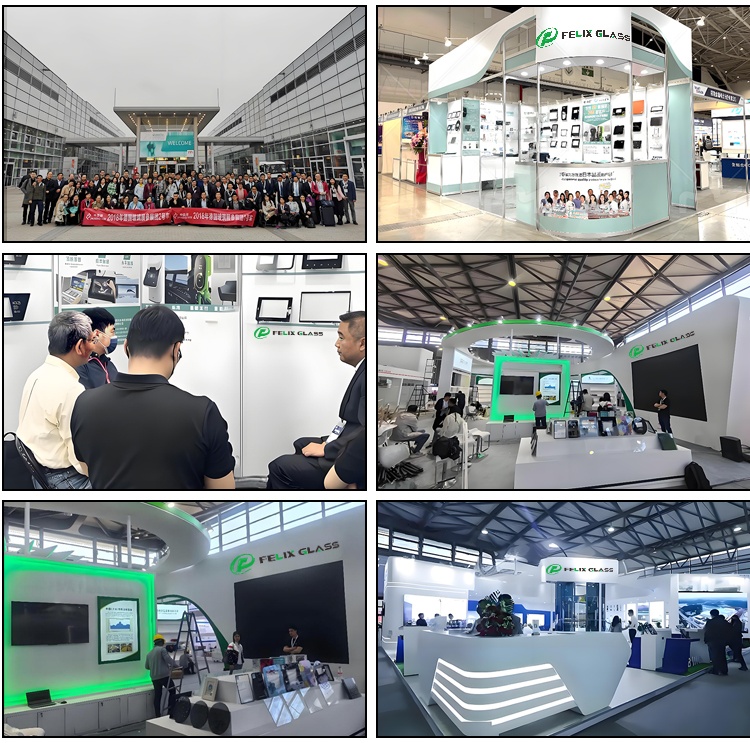
Felix Glass provides both optical domes and flat windows with full OEM customization.
Available Dome Products:
• LiDAR dome cover
• Infrared dome (IR dome)
• Sapphire dome
• Fused silica dome
Available Window Products:
• BK7 / K9 optical window
• ZnSe CO₂ laser window
• Infrared optical window (8–15μm)
• Laser protection window
Custom Options:
• Diameter & curvature design
• AR / IR coating
• Optical polishing grade
• OEM drawing production
• Small batch + mass production
⸻
7. Conclusion
Optical domes and flat windows serve fundamentally different optical system roles.
• Optical domes are designed for wide-field, high-performance sensing systems
• Flat windows are designed for stable, cost-efficient optical protection
The correct selection depends on system design, wavelength requirements and application environment.
⸻
Request a Quote
Need help selecting the right optical dome or window?
Send us:
• System application
• Wavelength range
• Mechanical drawings
• Environmental requirements
Our engineering team will provide professional selection advice and OEM quotation within 24 hours.