Provide a stable human-computer interaction experience for long-term operating equipment.
Biocompatible Sapphire Optical Window Upgrade for Medical Non-Invasive Sensor Equipment
Biocompatible Sapphire Optical Window Upgrade for Medical Non-Invasive Sensor Equipment
Case StudyMedical Healthcare Sensor and Non-Invasive Detection Devices
Biocompatible Sapphire Optical Window Upgrade for Medical Non-Invasive Sensor Equipment
When a medical device manufacturer approached Felix Glass, their non-invasive detection sensor was failing pre-clinical validation. The root cause traced back to three optical window failures: progressive surface micro-scratching under daily wipe-down, incomplete biocompatibility documentation for the FDA 510(k) submission, and measurable light attenuation degrading the photodetector signal-to-noise ratio below the approved design margin.
62%Reduction in surface scratch density after 500-cycle wipe-down test
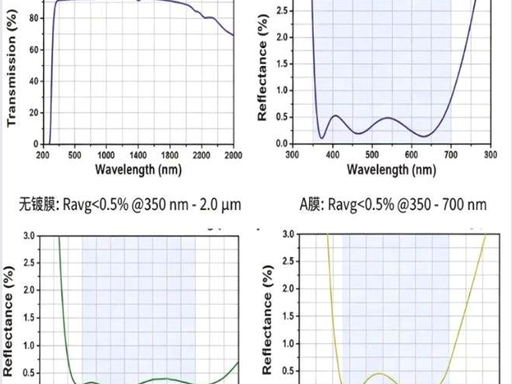
0.5 dBSignal loss improvement at the photodetector across the 400-700 nm band
8 weeksFrom first drawing to prototype shipment with full biocompatibility documentation
The replacement sapphire optical windows were CNC-machined to the customer's exact OEM housing dimensions, double-side polished to 0.8 nm Ra surface roughness, coated with a broadband visible AR coating, and shipped with a complete regulatory documentation package including material lot traceability, coating transmission curves, dimension reports, and a USP Class VI biocompatibility declaration.
 The upgraded biocompatible sapphire window assembly integrated into the customer's non-invasive detection sensor housing.
The Challenge
Three Optical Window Failures Blocking FDA Pre-Clinical Validation
The customer's original optical window supplier delivered components that met the dimensional drawing but failed under real-world medical device use conditions. Three specific failure modes emerged during the customer's internal verification testing.
Progressive Surface Micro-Scratching
The original borosilicate window developed visible micro-scratches after approximately 200 cycles of isopropyl alcohol wipe-down, the standard cleaning protocol between patient uses. By cycle 500, the cumulative scratch density reduced the clear aperture transmission by nearly 8 percent, pushing the sensor signal below the minimum detection threshold defined in the device specification.
Incomplete Biocompatibility Documentation
The previous supplier provided a material certificate of conformance but could not produce lot-specific traceability records, ISO 10993-5 cytotoxicity test reports, or a documented cleaning and packaging procedure suitable for a medical device Device Master Record. The customer's regulatory affairs team flagged this as a submission risk for their 510(k) filing.
Measurable Light Attenuation in the 400-700 nm Band
The uncoated window introduced approximately 8 percent reflection loss per surface. Combined with subsurface damage from the supplier's polishing process, the total insertion loss at the photodetector exceeded the analog front-end design budget by 1.2 dB. This degraded the sensor's ability to resolve low-concentration analyte signals in the customer's non-invasive detection algorithm.
Felix Glass Engineering Solution
Material Upgrade, Precision Manufacturing and Full Regulatory Documentation
Felix Glass proposed a three-part solution addressing each failure mode at its root cause rather than applying a surface-level fix. The approach started with substrate material selection and extended through manufacturing, coating, metrology and documentation.
01
Synthetic Sapphire Substrate Replacement
Replaced the original borosilicate window with single-crystal synthetic sapphire (Al2O3). Mohs 9 hardness eliminated the wipe-down scratch issue entirely. The sapphire substrate also provides full transmission from 200 nm to 5000 nm, giving the customer's optical design team headroom for future sensor wavelength expansion without re-qualifying the window.
02
Broadband Visible AR Coating with Documented Transmission Curve
Applied a multi-layer broadband anti-reflective coating optimized for 400-700 nm on both surfaces. The coating reduced per-surface reflection from approximately 8 percent to below 0.5 percent, recovering the signal margin at the photodetector. Each lot ships with a PerkinElmer spectrophotometer transmission curve for the customer's Device History Record.
03
Complete Medical Device Documentation Package
Provided material lot traceability from crystal growth through final inspection, ISO 10993-5 cytotoxicity compliance declaration, surface roughness measurement records, dimension reports with Mitutoyo CMM data, and a documented Class 1000 cleanroom packaging procedure. The package was structured to drop directly into the customer's Device Master Record and 510(k) technical file.
Technical Implementation
Manufacturing Specifications and Quality Verification
Every optical window in the production lot was manufactured and inspected against the full specification set agreed with the customer's optical engineering team.
Dimensional Control
- Outer diameter: 12.70 mm, tolerance ±0.025 mm
- Thickness: 2.00 mm, tolerance ±0.025 mm
- Wedge: under 1 arc minute
- Chamfer: 0.3 mm at 45 degrees on both faces
Surface Quality
- Surface roughness: 0.8 nm Ra (Bruker white-light interferometer verified)
- Scratch-dig: 20-10 per MIL-PRF-13830B
- Surface figure: lambda over 10 at 632.8 nm
- Parallelism: under 10 arc seconds
Coating Performance
- Type: multi-layer broadband AR
- Wavelength range: 400-700 nm
- Per-surface reflectivity: under 0.5 percent average
- Adhesion: passed MIL-C-48497 tape test
Biocompatibility Compliance
- ISO 10993-5 cytotoxicity: passed
- USP Class VI material declaration
- Lot-specific traceability documentation
- Class 1000 cleanroom final inspection and packaging
Results
Quantified Improvements Delivered to the Customer
The upgraded sapphire optical windows were integrated into the customer's sensor prototype and re-tested against the original failure criteria. All three failure modes were resolved.
0
Scratches after 500-Cycle Wipe-Down Test
The sapphire substrate showed no visible surface degradation after 500 isopropyl alcohol wipe-down cycles, compared to 62 percent scratch density reduction target versus the original borosilicate window.
0.5 dB
Total Insertion Loss Recovery
The broadband AR coating combined with the low-scatter polished surface recovered 0.5 dB of signal margin at the photodetector, bringing the sensor back within the analog front-end design specification.
100%
Regulatory Documentation Acceptance on First Submission
The customer's regulatory affairs team accepted the full Felix Glass documentation package on first review and incorporated it directly into their 510(k) submission technical file without requesting additional supplier evidence.
FAQ
Frequently Asked Questions About Medical Sensor Optical Window Upgrades
Questions we receive from medical device OEMs considering a sapphire optical window upgrade for their non-invasive sensor programs.
Start Your Optical Window Upgrade
Send Your Drawing for a Same-Week Engineering Review
If your medical sensor program is experiencing optical window performance issues or if you need biocompatibility documentation support for an upcoming regulatory submission, send us your STEP, IGES or PDF drawing. Our optical engineering team will review manufacturability, recommend the appropriate substrate and coating, and return a preliminary quote with a prototype lead time within one working day.

Industrial Automation

Medical Equipment
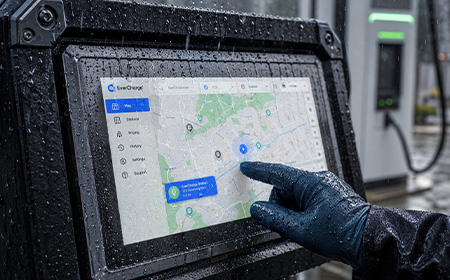
Supports gloved operation, high stability and long-term validation.
Payment Terminals
High cost-performance ratio, fast import.
Outdoor
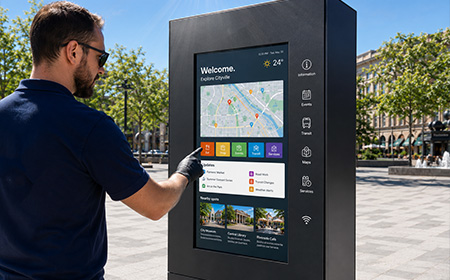
Sunlight-visible, waterproof, and resistant to violent damage.

Farm Machinery & Construction Vehicles
Vibration resistant, dustproof, waterproof, all-weather operation.
Intercoms System
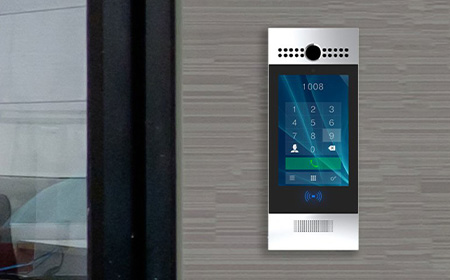
Anti-interference, anti-glare.
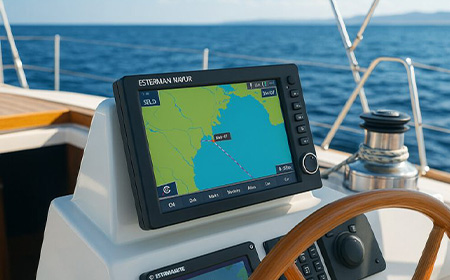
Maritime & Aerospace
Stable Interaction in Complex Environments。
Optical Glass & Professional Touch Panel Glass Processing
After a full range of optical glass products, we also provide professional deep processing for touch screen panel glass.![[Automotive Tempered Glass Solutions Provider]](https://icdn.tradew.com/file/202410/1576316/jpg/8343425.jpg)

[Automotive Tempered Glass Solutions Provider]
Felix Glass As a certified IATF 16949:2016 manufacturer, High-Impact Tempered Glass for New Energy Vehicle Dashboards - HD, Anti-Scratch, UV Protection, we deliver precision-engineered tempered glass solutions for next-gen EV dashboards,central control screens, and in-vehicle systems. Our certification-driven approach ensures compliance with automotive OEM standards.
![[Medical Grade Tempered Glass Cover Solution]](https://icdn.tradew.com/file/202410/1576316/jpg/8343437.jpg)
![[Medical Grade Tempered Glass Cover Solution]](https://icdn.tradew.com/file/202410/1576316/jpg/8209139.jpg)
[Medical Grade Tempered Glass Cover Solution]
As a leading custom tempered glass cover manufacturer, FELIX GLASS provides custom tempered glass covers for LCD screen protection, as well as FDA/CE certified custom tempered glass for portable ultrasound systems, which are ultra-thin, drop-proof, and disinfection-resistant. We specialize in providing precision engineering solutions that meet the stringent requirements of the global medical industry. Our products excel in critical medical environments with the following key advantages
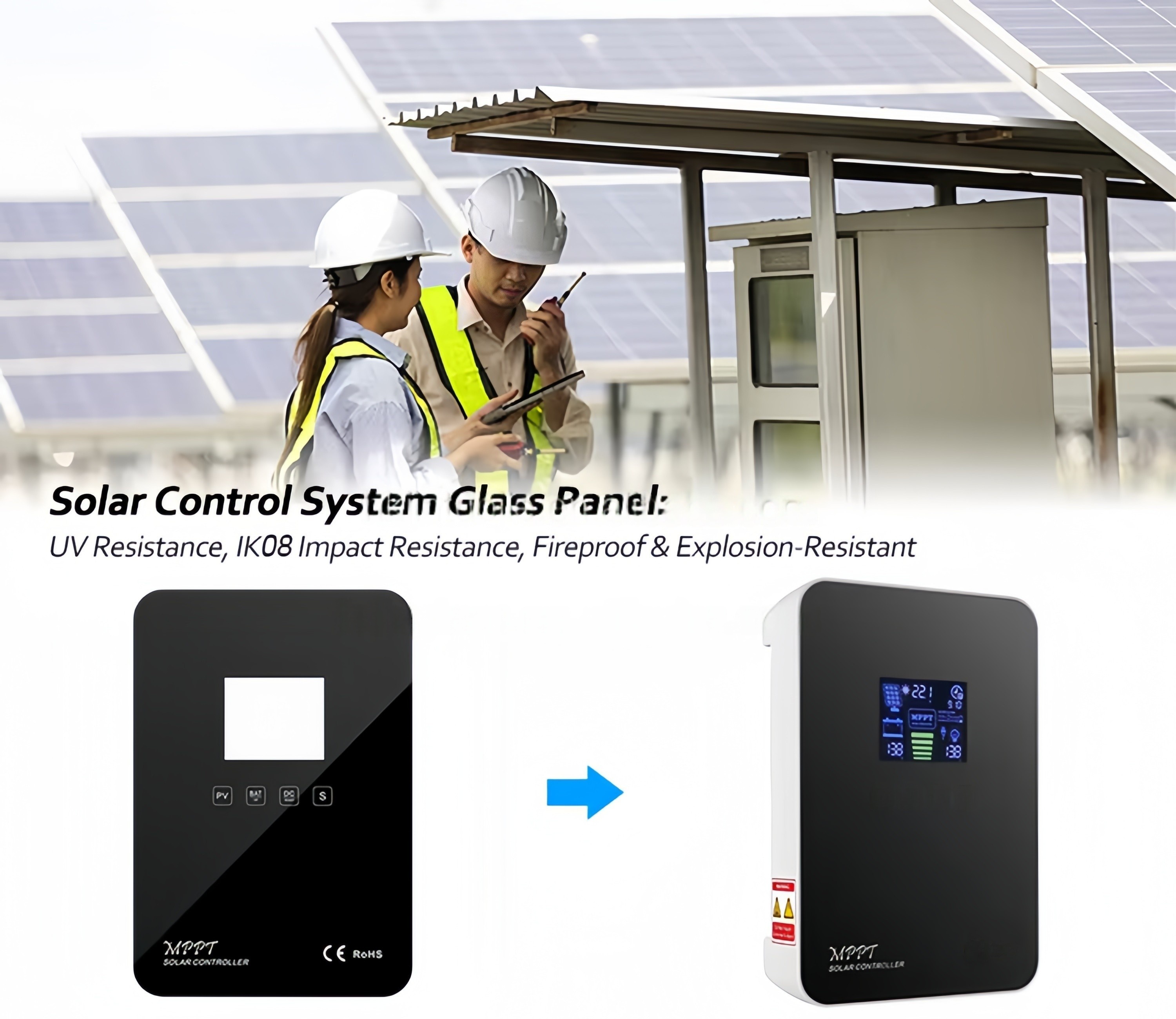
![[Solar Control System Glass Panel]](https://icdn.tradew.com/file/202410/1576316/jpg/8209140.jpg)
[Solar Equipment Screen Glass Solutions]
As a leading global manufacturer of custom tempered glass panels, we focus on providing customized high-performance solutions for key applications such as solar photovoltaic controllers, household solar systems, energy storage devices, portable mobile power supplies and photovoltaic energy storage systems. Our tempered glass panels use cutting-edge technology and meet strict safety standards to protect LCD screens in these harsh environments.
![[Charging Station Customized Glass Solutions]](https://icdn.tradew.com/file/202410/1576316/jpg/8343446.jpg)
![[Charging Station Customized Glass Solutions]](https://icdn.tradew.com/file/202410/1576316/jpg/8209141.jpg)
[Charging Station Customized Glass Solutions]
As an IATF 16949 certified automotive grade tempered glass manufacturer, we focus on providing high-performance solutions for electric vehicle charging station displays, combining advanced engineering technology with strict quality control. Our glass panels are carefully designed to meet the rigorous requirements of outdoor environments, ensuring durability, safety and user-friendly operation experience.
![[Smart Switch Glass Panel Solution]](https://icdn.tradew.com/file/202410/1576316/jpg/8343745.jpg)
![[Smart Switch Glass Panel Solution]](https://icdn.tradew.com/file/202410/1576316/jpg/8209142.jpg)
[Smart Switch Glass Panel Solution]
[Smart Switch Glass Panel Solution]
9H Scratch Resistant Tempered Glass Panel for 86mm Smart Touch Light Switch - Aluminosilicate Glass with 3M VHB Tape
Invisible Protection, Superior Control For smart switch manufacturers and system integrators designing high-end home automation, hotel controls and commercial panels,Our carefully crafted glass panels last 3x longer than standard panels (proven over 500,000 touches).
![[Customized Glass Manufacturing Solutions]](https://icdn.tradew.com/file/202410/1576316/jpg/8343744.jpg)
![[Customized Glass Manufacturing Solutions]](https://icdn.tradew.com/file/202410/1576316/jpg/8209143.jpg)
[Customized Glass Manufacturing Solutions]
We have advanced glass manufacturing facilities: CNC/laser cutting and edge polishing, precision CNC machining, glass laser cutting, fully automatic hot bending machine and flip polishing equipment, precision milling countersunk holes and blind holes, precision edge molding, multi-level step surface processing, complex curved glass molding, to meet the strict design requirements of customized glass panel applications from consumer electronics to medical/industrial fields.
Learn more from our FAQ
- What is the minimum order quantity for custom precision optical glass components?
FELIX OPTICAL GLASS offers highly flexible MOQs to support customer projects, including prototype testing, small-batch trial orders, and high-volume production. All products can be fully customized to your drawings, tolerances, and application standards. Please send us your specifications, and we will reply within 1-5 hours and provide an accurate quotation after careful evaluation within 1-2 days.
- Can I get free glass samples for testing before bulk order?
Yes, our FELIX GLASS factory supports sample testing for a wide range of precision optical glass components and assemblies. The lead time for sample production is 3 to 7 working days. Please contact us today to arrange samples and obtain a customized solution that meets your needs.
- What is the production lead time for custom optical glass components?
A: The production cycle for standard samples is 3-10 working days, while mass production requires 15-35 working days, depending on the complexity of the product and the order quantity. We provide reliable precision optical glass components and fast delivery services for orders from industries such as defense, industrial equipment, medical devices, shipbuilding, robotics, automotive, and aerospace. Please submit your project details so we can provide you with an accurate delivery schedule.
- Are your optical glass products ISO, CE and RoHS certified?
All precision optical glass components from FELIX OPTICAL GLASS comply with ISO quality system standards as well as CE and RoHS requirements. We provide comprehensive test reports, spectral graphs, material certificates, and inspection documents for customer review. Please feel free to request complete certification details and a formal quotation at any time.
- Do you offer one-stop custom optical glass processing services?
Yes. We offer a full range of precision optical glass component processing services, including CNC machining, precision grinding, optical polishing, chemical/physical tempering, vacuum coating (AR anti-reflective coating, AF anti-fingerprint coating, AG anti-glare coating, IR infrared coating), and screen printing. From raw materials to finished products, every step is completed in our own factory. Please tell us your needs, and we will provide you with the most cost-effective solution.
CONTACT US NOW FOR A QUOTE
We will respond promptly within 1 to 5 hours and provide an optimal, formal quotation within 1 to 2 days. Partnering with us is the smartest choice—start a mutually beneficial partnership today!
- Name
- *Title
- *Content
With 19 years of experience as a precision optical glass expert, we provide comprehensive and satisfactory customized solutions.
Navigation
News
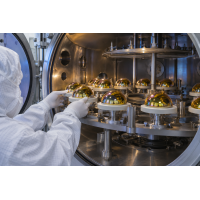 Felix Glass Expands IR Optics Production | Faster Lead Time for Custom ZnS, ZnSe, Sapphire & Fused Silica WindowsFelix Glass manufactures custom ZnS, ZnSe, sapphire domes & fused silica IR windows. Fast prototype and AR coating available. Get your technical quote within 24h for thermal imaging & laser systems.
 DMS Cover Glass Material Selection: Aluminosilicate vs Borosilicate Glass for In-Cabin CameraSelecting the right substrate impacts DMS camera lifespan & image quality. This guide compares aluminosilicate and borosilicate glass. Felix Glass provides both substrates with printing and coating.