Right Angle Prisms
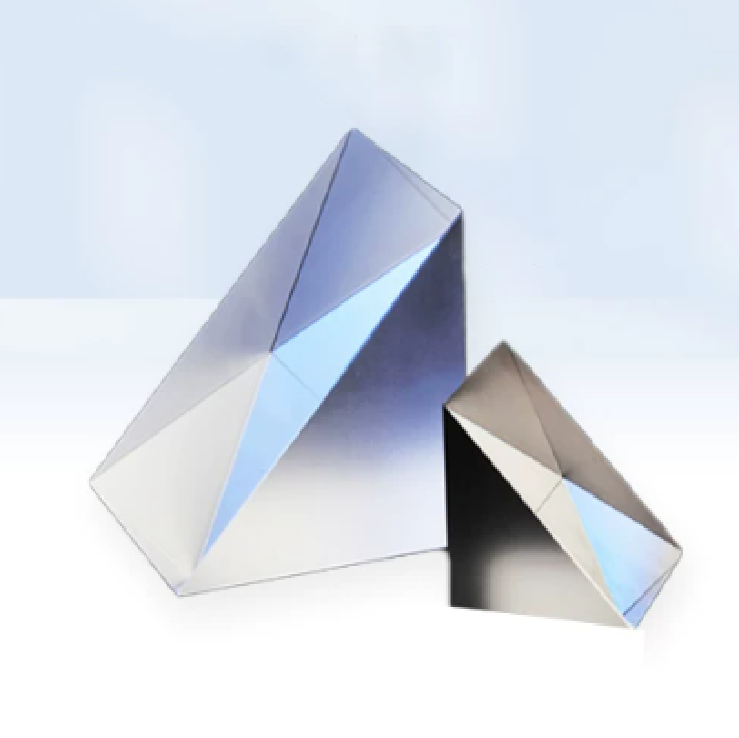
Right angle prisms redirect light paths by 90 degrees or 180 degrees and are commonly used in laser alignment, imaging reflectors and optical test instruments.
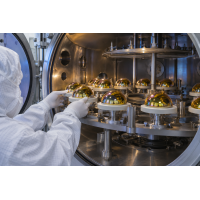
Felix Glass manufactures custom precision optical prisms including right angle prisms, roof prisms, penta prisms, beam splitter prisms, dove prisms and special-shaped prism components for laser equipment, medical laser optics, LiDAR sensing, semiconductor inspection and laboratory optical testing. With 19 years of precision optical component manufacturing experience and a 75000 m2 independent optical precision manufacturing base, Felix Glass supports drawing-based prism OEM/ODM projects through CNC grinding, ultra-precision polishing, vacuum coating and interferometer inspection. Typical customization ranges shown for reference. Actual specifications depend on material selection and engineering requirements. Felix Glass supports multiple precision optical glass prisms for beam steering, image rotation, beam splitting, inversion, reflection and compact optical path integration. Right angle prisms redirect light paths by 90 degrees or 180 degrees and are commonly used in laser alignment, imaging reflectors and optical test instruments. Roof prism customization supports compact image inversion and path folding in observation systems, medical optical instruments and industrial visual modules. Penta prisms provide stable 90-degree beam deviation with reduced sensitivity to small alignment errors in measuring instruments and laboratory optical fixtures. Cube and plate beam splitter prism assemblies support controlled beam division for laser interferometers, machine vision and optical measurement systems. Dove prisms rotate or invert images in optical assemblies where angular orientation and compact mechanical layout are important design factors. Special prism shapes can be machined according to technical drawings for optical bonding preparation, integrated optical modules and restricted installation spaces. Felix Glass provides prism coating solutions matched to material, angle, wavelength and system environment. Coating availability depends on substrate material, wavelength band and optical design requirements. Precision optical prisms are used in ruggedized optical path control, sensing modules and compact imaging assemblies where material stability and coating durability matter. Medical laser systems may require coated BK7, fused silica or sapphire prisms for compact beam steering, illumination control and stable optical alignment. LiDAR modules use prisms for beam direction control, splitting, path folding and integration with optical windows, filters and protective assemblies. Fused silica and precision glass prisms support UV, visible and near-infrared optical paths in inspection, metrology and wafer review systems. Penta, right angle, dispersive and beam splitter prisms support interferometry, spectroscopy, alignment and research-grade optical benches. Felix Glass supports non-standard optical prism customization based on technical drawings, optical design requirements and assembly constraints. Custom options include angle control, edge chamfering, bonding preparation, blackened edges, reflective surfaces, AR-coated faces and multi-material prism production. Project review can include material recommendation, tolerance analysis, coating feasibility, prototype trial and repeat production routing for laser equipment, medical optical devices, LiDAR sensing and semiconductor inspection systems. Felix Glass combines imported CNC grinding, high-precision polishing, vacuum coating and optical inspection workflow for precision optical glass prisms.
Precision optical prism manufacturing
Custom Precision Optical Prisms | BK7, Fused Silica & Sapphire Prisms for Laser, LiDAR & Medical Optics
 Base material selection
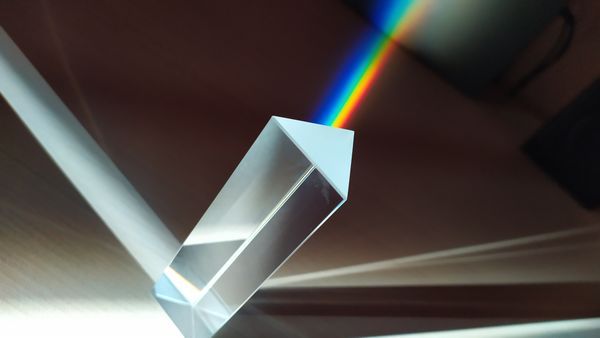
Optical Prisms Base Material Selection & Typical Performance Parameters
Prism Material Typical Transmission Range Typical Optical Properties Common Custom Prism Types Typical Applications BK7 / H-K9L Optical Glass Visible to near-infrared range Stable refractive index, high visible transmittance and balanced machining cost Right angle prism, penta prism, roof prism, beam splitter prism Machine vision, laboratory optics, laser alignment and general optical measurement Fused Silica UV, visible and near-infrared range Low thermal expansion, UV transmission and strong thermal stability UV laser prism, spectroscopy prism, precision beam steering prism UV laser equipment, semiconductor inspection, spectroscopy and high-temperature optical systems Sapphire UV to mid-infrared range High hardness, scratch resistance, pressure resistance and temperature stability Protective prism, ruggedized optical prism, special-shaped sapphire prism Aerospace-related optical systems, outdoor LiDAR sensing and harsh-environment optical assemblies ZnSe / ZnS Infrared optical range Infrared transmission matched to thermal imaging and laser optical systems IR prism, infrared beam steering prism, special infrared prism Thermal imaging, infrared testing, CO2 laser and IR optical path control SF Flint Glass Visible to near-infrared range High refractive index and dispersion matching capability Dispersive prism, spectroscopy prism, achromatic prism group Laboratory spectroscopy, optical analysis and multi-band optical instruments
Prism product families
Multi-Type Precision Optical Prisms for Different Optical Path Designs
Right Angle Prisms
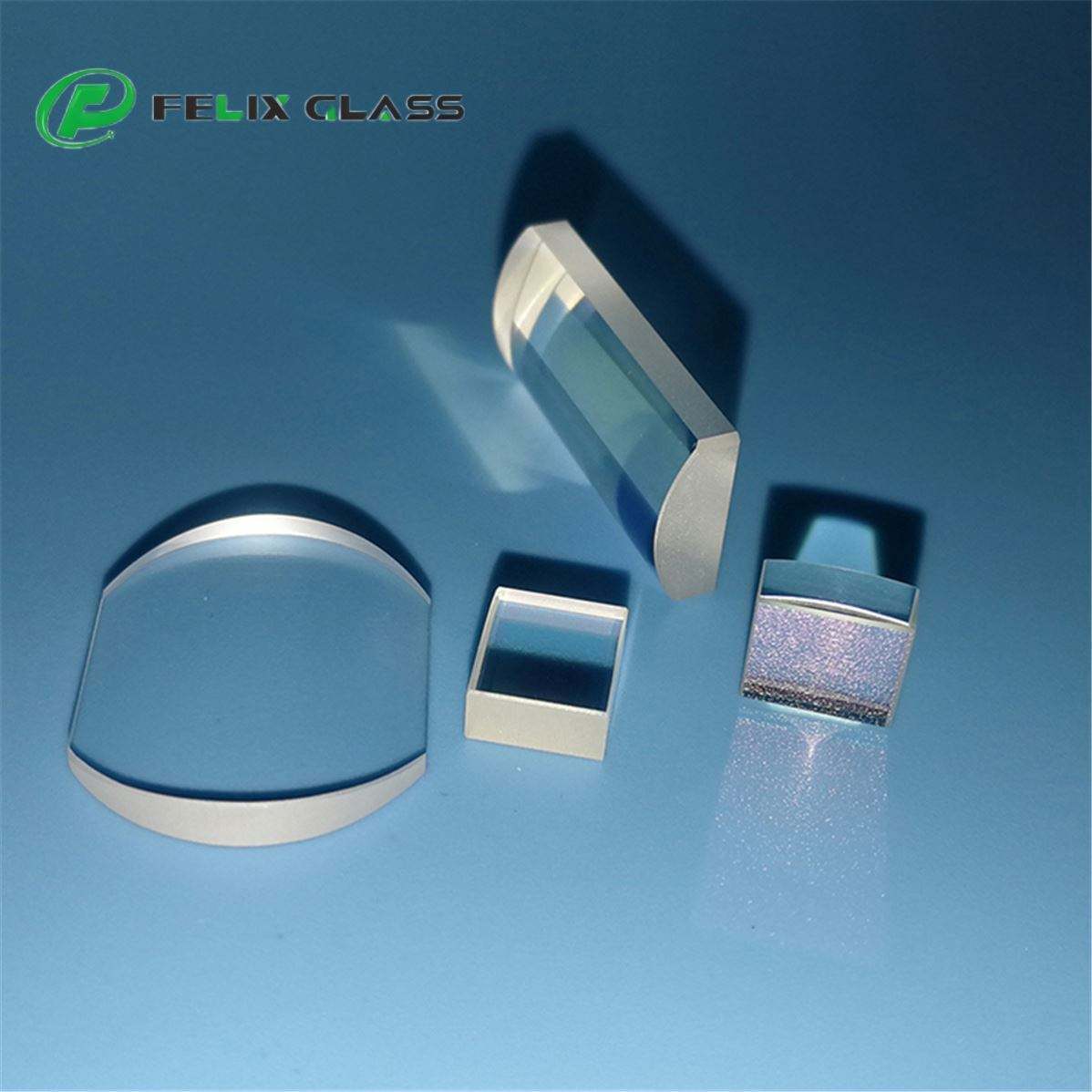
Roof Prisms
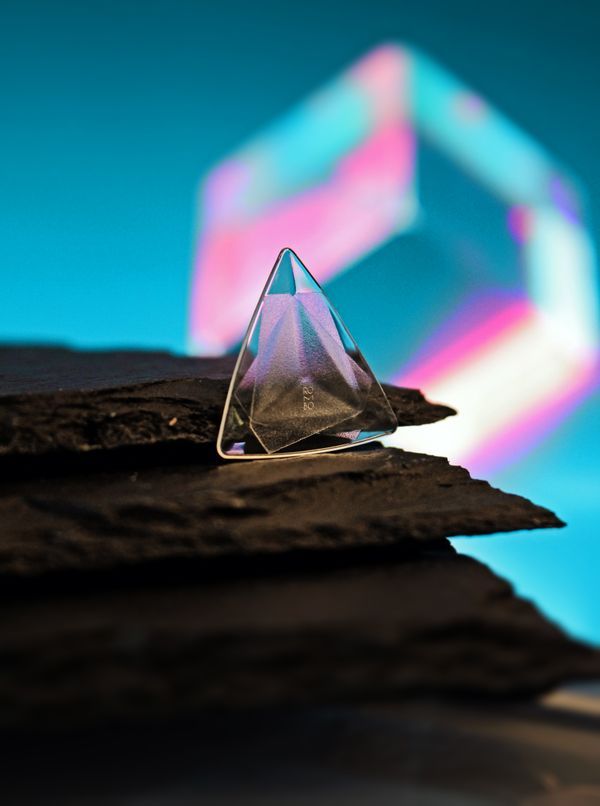
Penta Prisms
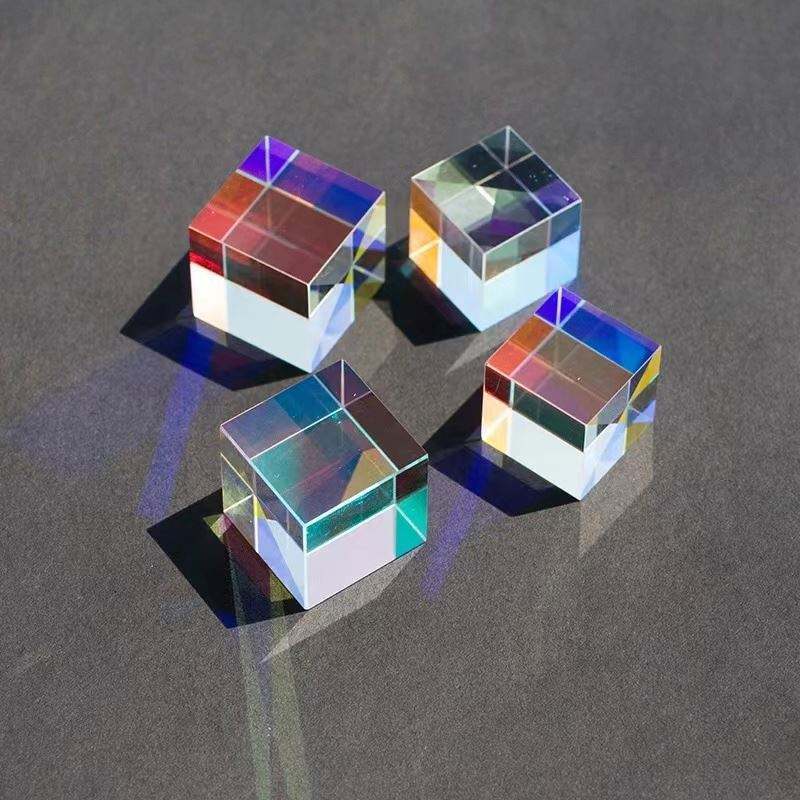
Beam Splitter Prisms
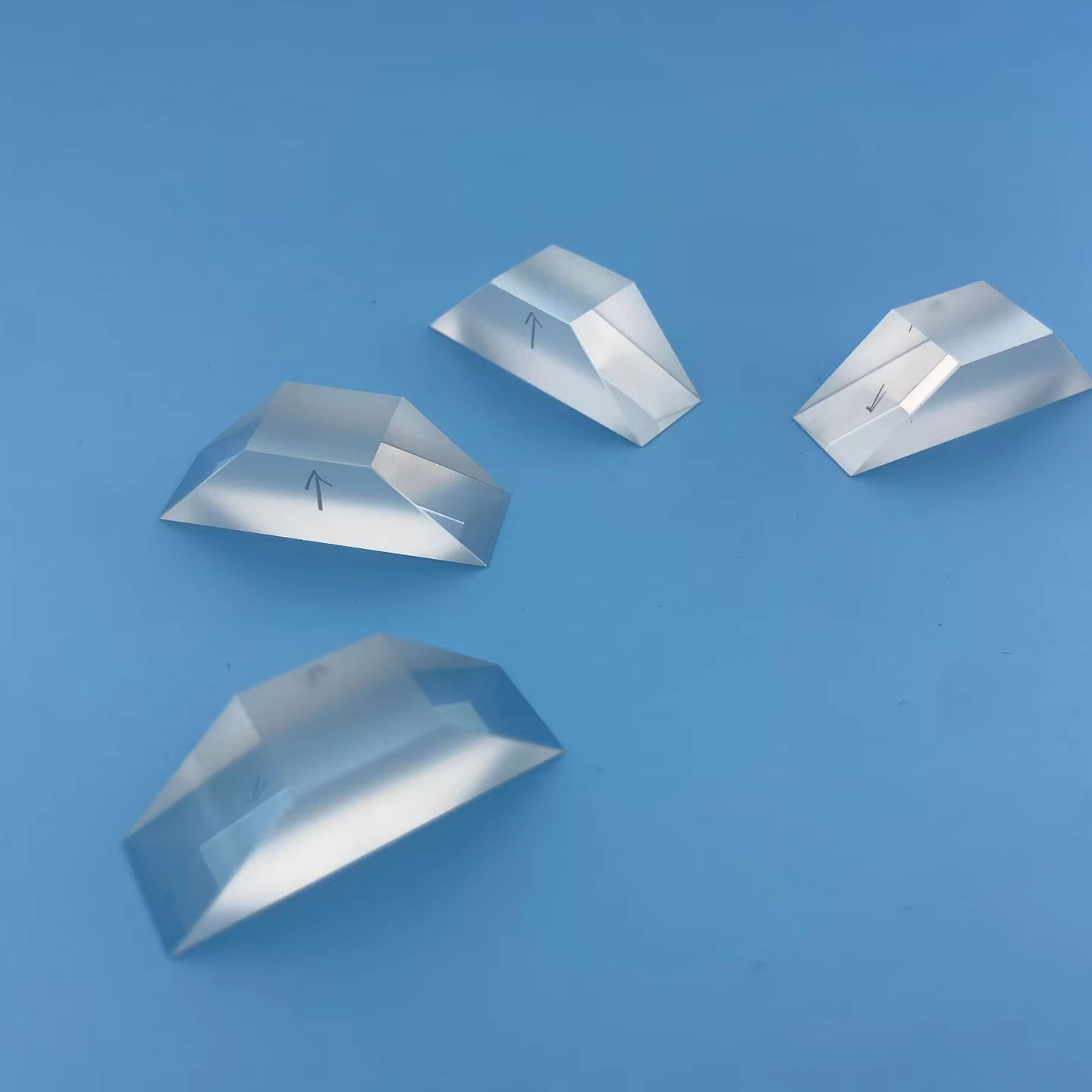
Dove Prisms
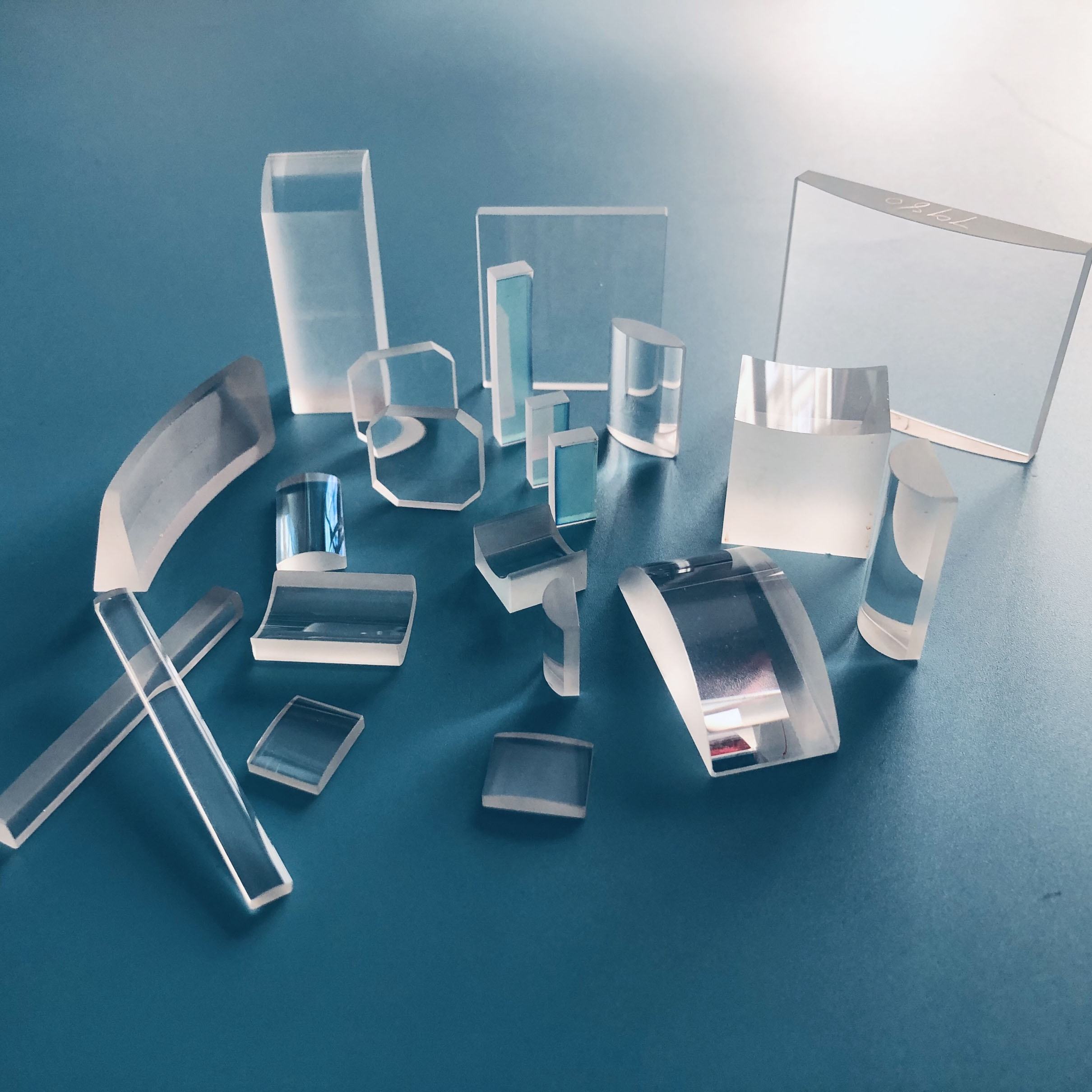
Special-Shaped Prisms
Prism coating options
Custom Optical Coating Solutions for Precision Optical Prisms
AR CoatingSingle-band or multi-band anti-reflection coating for laser, medical and imaging prisms.
BBAR CoatingBroadband anti-reflection coating for multi-spectrum laboratory and machine vision optics.
HR CoatingHigh-reflection coating for beam steering and laser optical path control.
Infrared Metal Reflective CoatingAl, Ag, Au or protected reflective coating options for IR optical prism assemblies.
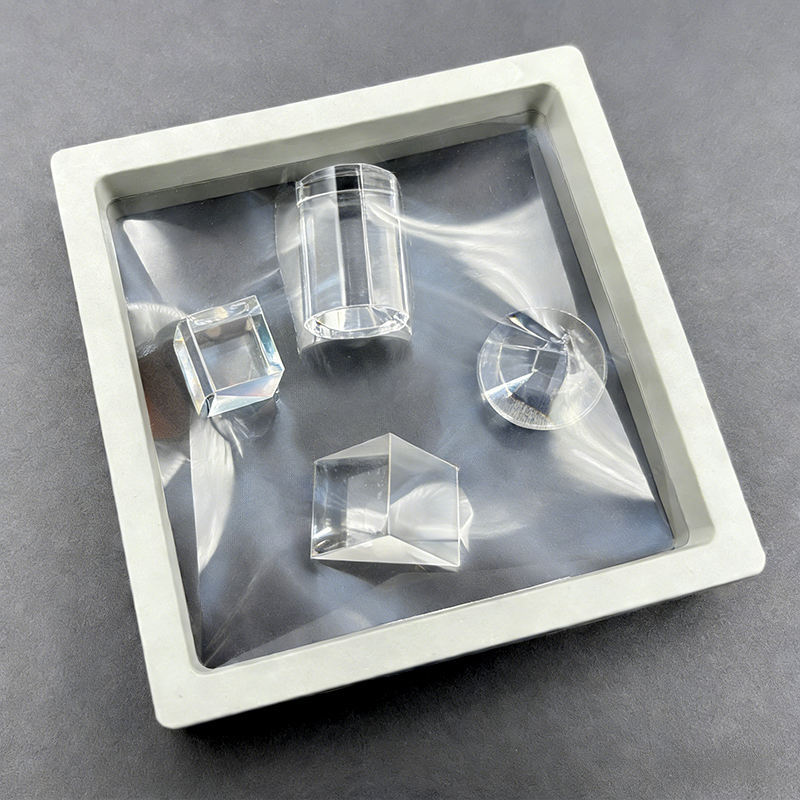 Application scenarios
Core Industrial Application Scenarios of Custom Optical Prisms
Aerospace-Related Applications
Medical Laser Optics
LiDAR Sensing
Semiconductor Inspection
Laboratory Optical Testing
 OEM/ODM prism engineering
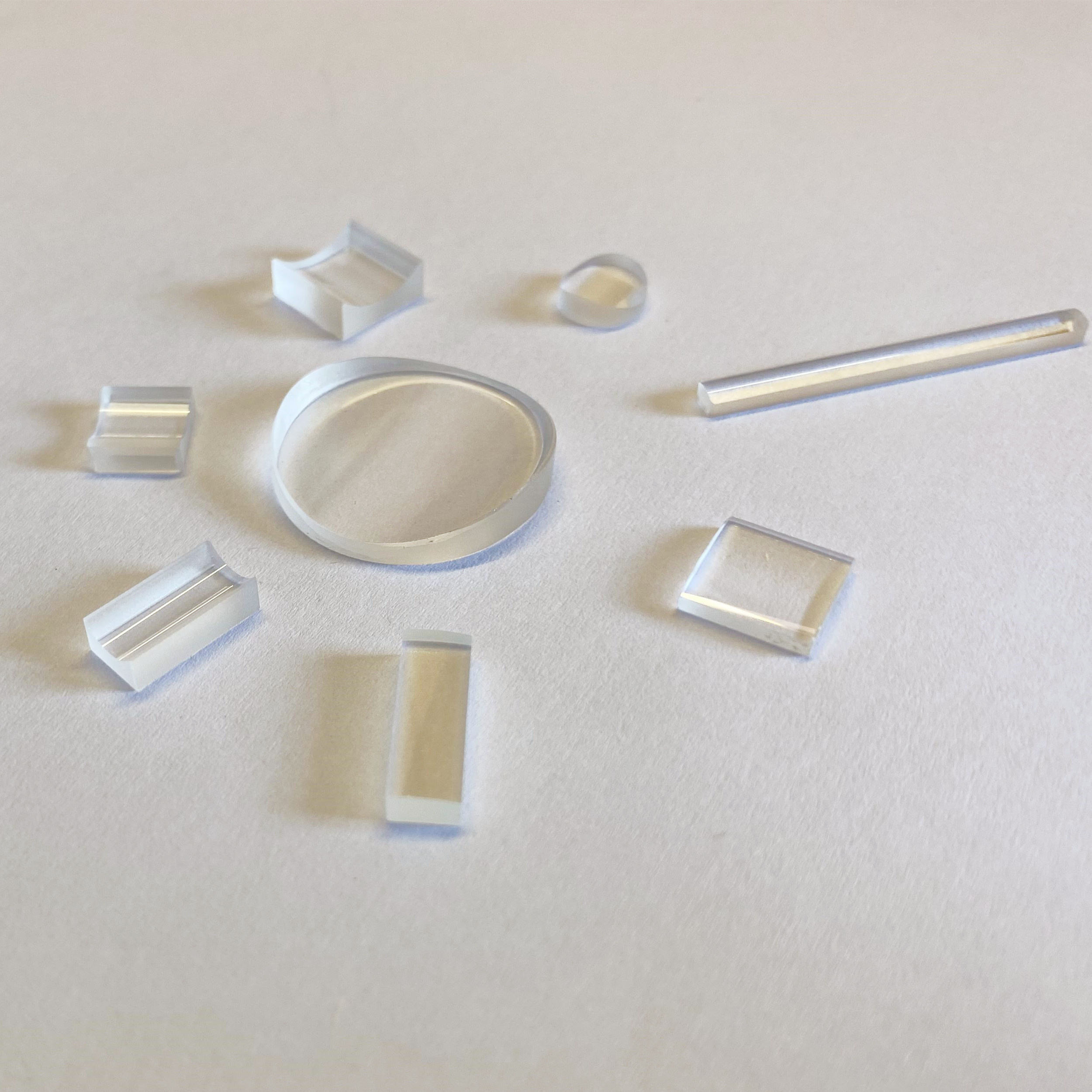
Non-Standard Special-Shaped Optical Prism Customization Service
Drawing EvaluationEngineering FeedbackPrototype TrialMass Production
Production and inspection
Full QC Inspection Workflow for Optical Prism Mass Production
Optical Glass Blank CuttingCNC Precision GrindingUltra-Precision PolishingVacuum Optical CoatingZygo Interferometer TestingSpectrophotometer VerificationClean Packaging
Angle tolerance and dimensional calibration
Surface quality and scratch-dig inspection
Flatness and surface figure interferometer test
Transmittance and reflectance spectral test
Coating uniformity and adhesion review
Edge chamfering and deburring inspection
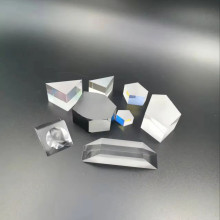
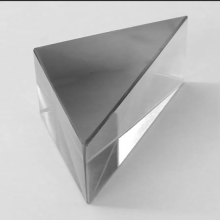

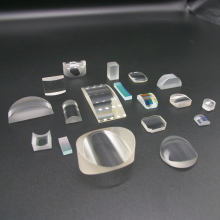
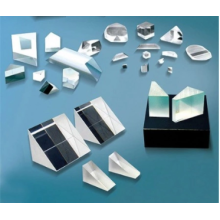
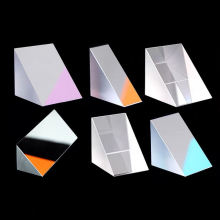
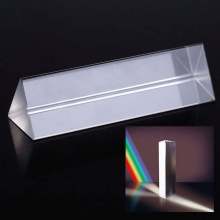
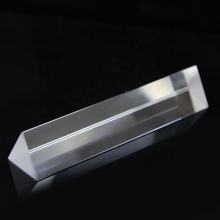
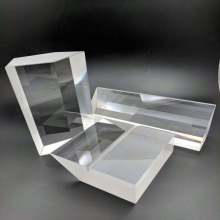
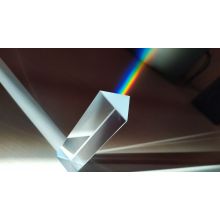
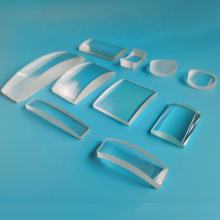
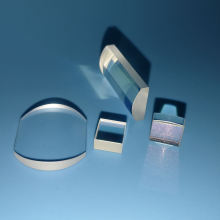
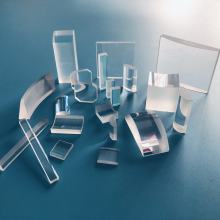
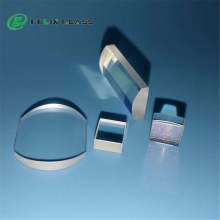
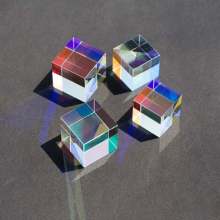
Optical prisms can be integrated with multiple precision glass processing technologies to meet diverse optical system design requirements.
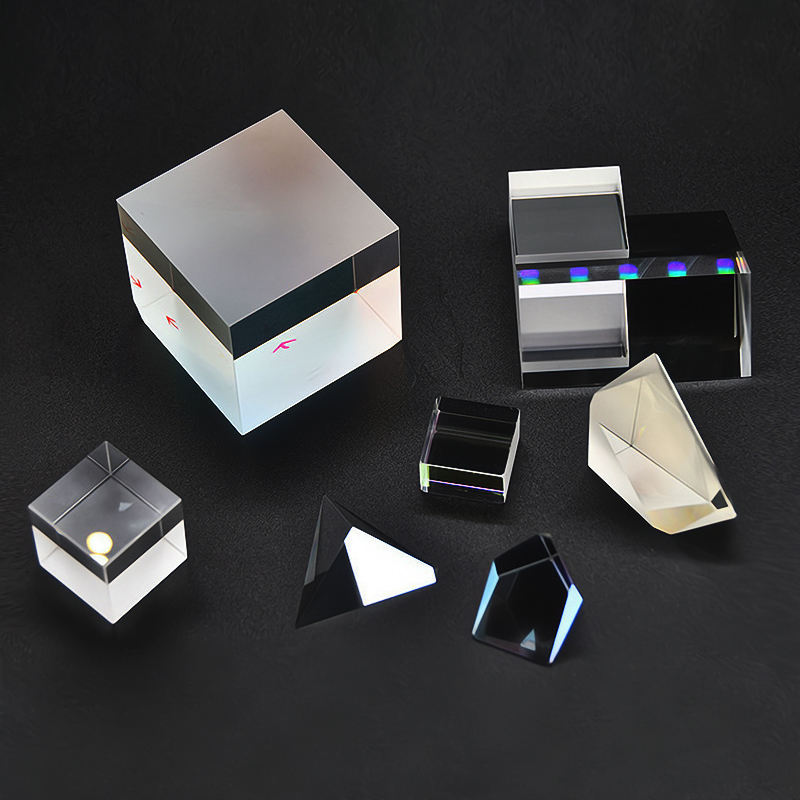
Precision grinding supports prism angle, length, aperture and assembly interface requirements.
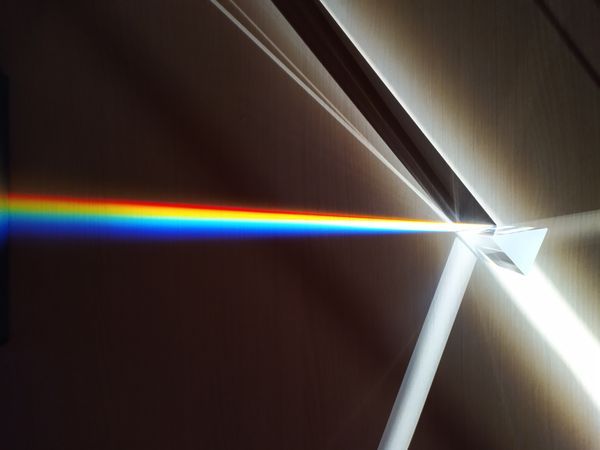
Fine polishing helps control surface figure, scratch-dig quality and transmission performance.
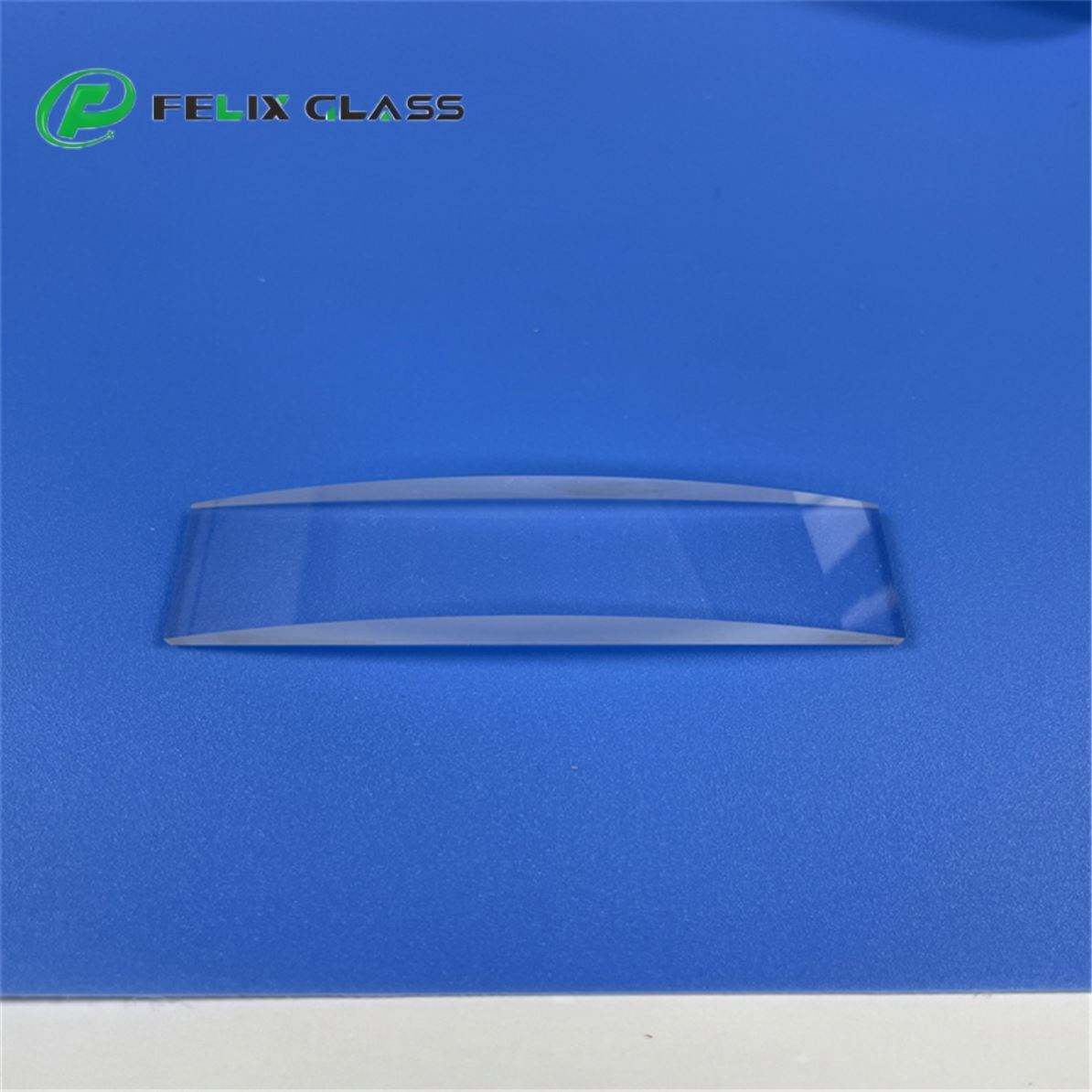
AR, BBAR, HR and infrared reflective coatings are selected according to wavelength and prism geometry.
Controlled chamfering supports safer handling, assembly fit and reduced edge damage risk.
Bonding faces can be prepared for cube, assembly and multi-element optical module integration.
Functional coatings can be matched to laser, imaging, LiDAR, laboratory and medical optical systems.
Optical prisms are commonly matched with the following custom optical components to build complete optical systems.
Felix Glass can review prism drawings, material selection, coating wavelength, surface quality, dimensional tolerance, angle tolerance and application environment before quotation. The engineering workflow can also prepare Product Schema fields for Material, Process and Application data.
Optical prisms redirect, split, rotate or invert light paths in laser equipment, medical optical devices, LiDAR modules, semiconductor inspection systems and laboratory instruments.
Common materials include BK7, H-K9L, fused silica, sapphire, ZnSe, ZnS and SF flint glass depending on wavelength, thermal environment, hardness and optical design.
BK7 is widely used for visible-light optics with balanced cost and optical performance. Fused silica is preferred for UV transmission, low thermal expansion and higher temperature stability.
Yes. Felix Glass reviews drawings for dimensions, angles, material, coating, surface quality, chamfering, bonding face and application environment before confirming feasibility.
Right angle prisms, roof prisms, penta prisms, dove prisms, beam splitter prisms, dispersive prisms, corner cube prisms and special-shaped prisms can be evaluated.
Coating options may include AR, BBAR, HR, protected metal reflective coatings and infrared reflective coatings depending on wavelength, material and incidence angle.
Yes. BK7, fused silica or sapphire prisms can be used for compact beam steering and optical path folding when material, coating and inspection requirements are defined.
Sapphire prisms are considered when high hardness, scratch resistance, pressure resistance or wide temperature operation are important for the optical assembly.
Provide material, prism type, dimensions, angle tolerance, surface quality, clear aperture, coating wavelength, drawing file and application environment.
Angle accuracy can be inspected according to drawing requirements using calibrated optical and dimensional inspection procedures.
Inspection documentation can be provided according to project requirements, including dimensional, surface, transmittance, reflectance and coating inspection records.
Bonding preparation can be reviewed for prism cube assemblies, beam splitters and multi-element optical modules according to optical and mechanical requirements.
Common fields include laser equipment, medical optical devices, LiDAR sensing, semiconductor inspection, laboratory optics and aerospace-related optical applications.
Felix Glass can support drawing evaluation, prototype trial and mass production routing after material, tolerance, coating and inspection requirements are confirmed.
Technical document requests can be submitted with project drawings so the engineering team can match material, coating and inspection support to the application.
Please provide prism type, material, dimensions, angle tolerance, surface quality, coating specification, target wavelength and application environment for engineering quotation evaluation.

FELIX OPTICAL GLASS offers highly flexible MOQs to support customer projects, including prototype testing, small-batch trial orders, and high-volume production. All products can be fully customized to your drawings, tolerances, and application standards. Please send us your specifications, and we will reply within 1-5 hours and provide an accurate quotation after careful evaluation within 1-2 days.
Yes, our FELIX GLASS factory supports sample testing for a wide range of precision optical glass components and assemblies. The lead time for sample production is 3 to 7 working days. Please contact us today to arrange samples and obtain a customized solution that meets your needs.
A: The production cycle for standard samples is 3-10 working days, while mass production requires 15-35 working days, depending on the complexity of the product and the order quantity. We provide reliable precision optical glass components and fast delivery services for orders from industries such as defense, industrial equipment, medical devices, shipbuilding, robotics, automotive, and aerospace. Please submit your project details so we can provide you with an accurate delivery schedule.
All precision optical glass components from FELIX OPTICAL GLASS comply with ISO quality system standards as well as CE and RoHS requirements. We provide comprehensive test reports, spectral graphs, material certificates, and inspection documents for customer review. Please feel free to request complete certification details and a formal quotation at any time.
Yes. We offer a full range of precision optical glass component processing services, including CNC machining, precision grinding, optical polishing, chemical/physical tempering, vacuum coating (AR anti-reflective coating, AF anti-fingerprint coating, AG anti-glare coating, IR infrared coating), and screen printing. From raw materials to finished products, every step is completed in our own factory. Please tell us your needs, and we will provide you with the most cost-effective solution.