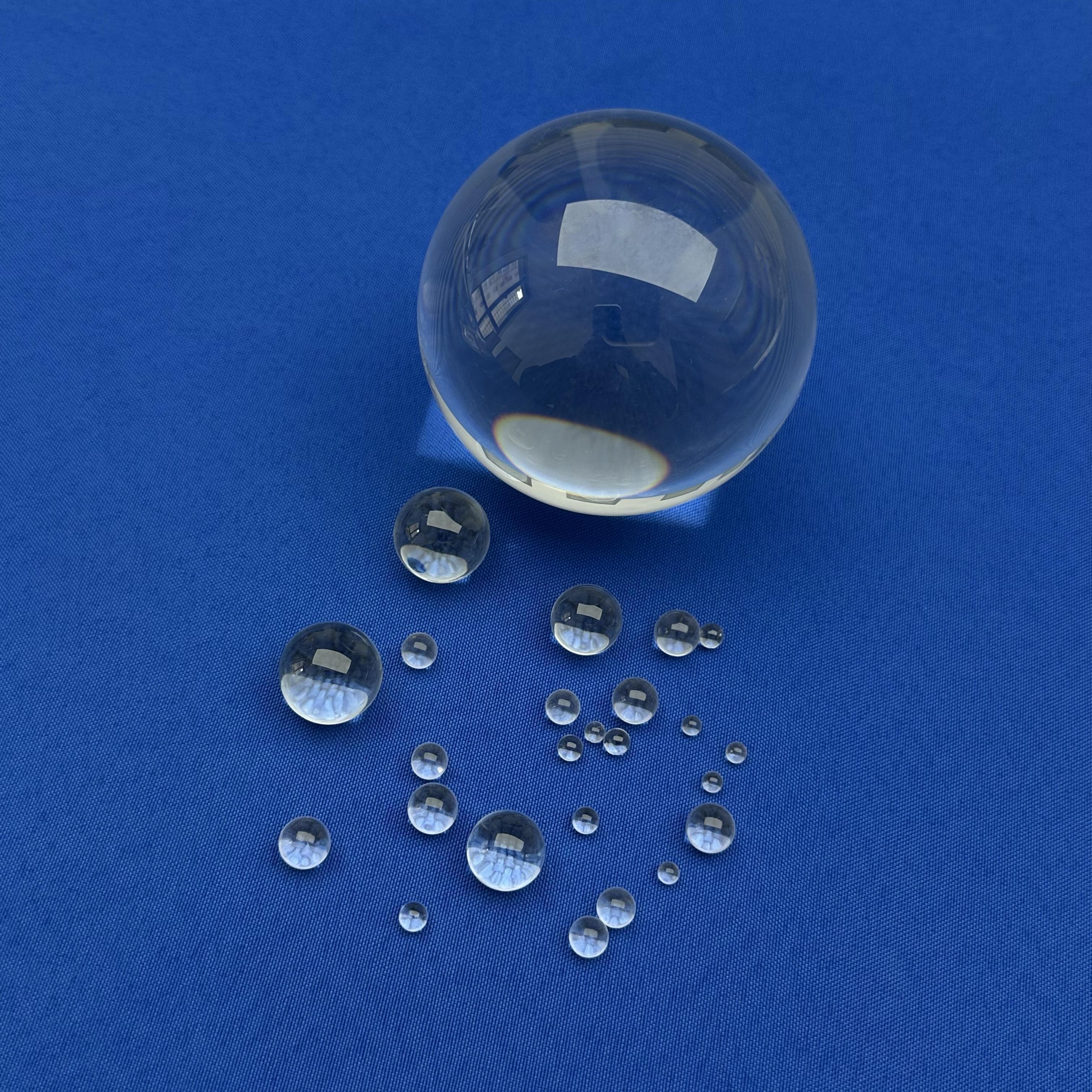
Sapphire Ball Lenses
Compact spherical elements for coupling, sensing and short optical-path assemblies.

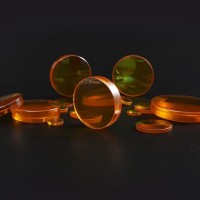
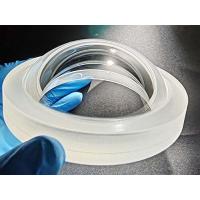
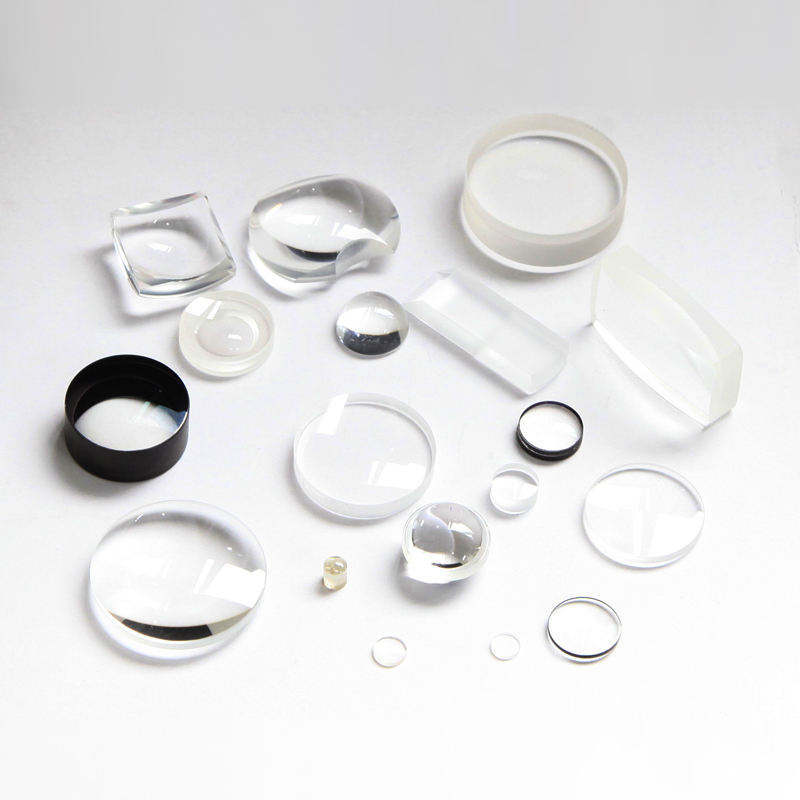
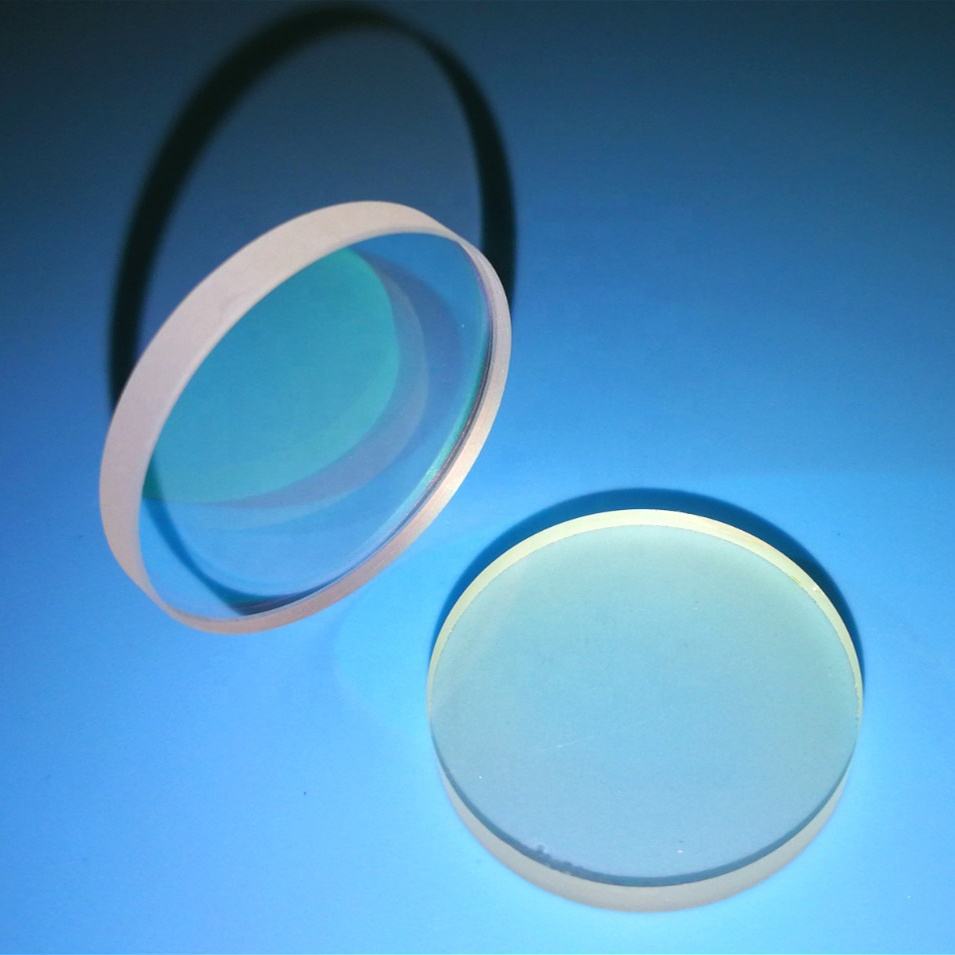
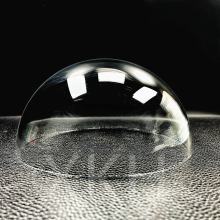
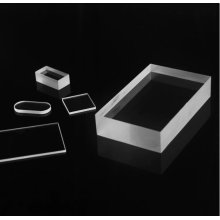
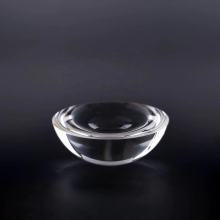
Felix Glass Co., Limited supports drawing-based sapphire optical lenses for fiber coupling, sensing, imaging, laser-adjacent, aerospace-related and precision instrument projects. Lens geometry, crystal orientation, polishing, edge treatment and coating are reviewed around the actual optical and mechanical requirements. A sapphire optical lens is a shaped and polished single-crystal aluminum oxide component that combines optical transmission with high surface hardness, thermal stability and chemical resistance. It is considered when common optical glass may face abrasion, heat, pressure, corrosive exposure or repeated handling. The appropriate form depends on beam behavior, working distance, assembly space and the way the lens is mounted. Felix Glass Co., Limited can review standard concepts and non-standard geometries before production. Compact spherical elements for coupling, sensing and short optical-path assemblies. Reduced-profile options where a flat mounting face helps simplify integration. One flat and one curved surface for focusing or collimating in custom instruments. Drawing-based diameters, radii, thicknesses, chamfers, flats and mounting features. A useful request identifies both the optical function and the installation environment. This allows curvature, thickness, surface quality and coating decisions to be evaluated together rather than as isolated line items. Sapphire is selected when an optical element must remain functional in a mechanically or thermally demanding location. Final suitability depends on the complete system design and validation plan. Ball and half ball forms can support compact coupling layouts when geometry is matched to the source and fiber. Durable lens surfaces can suit sensors exposed to particles, cleaning cycles or frequent contact. Sapphire may be evaluated for optical paths near heat, process equipment or temperature cycling. Low-profile and custom shapes can be reviewed for weight, mounting and environmental constraints.
Attention · Sapphire lens engineering
Custom Sapphire Optical Lenses for Demanding Optical Assemblies
Mohs 9 material hardness
Broad optical use
OEM geometry support
 Interest · Direct answer
What Is a Sapphire Optical Lens?
Interest · Lens families
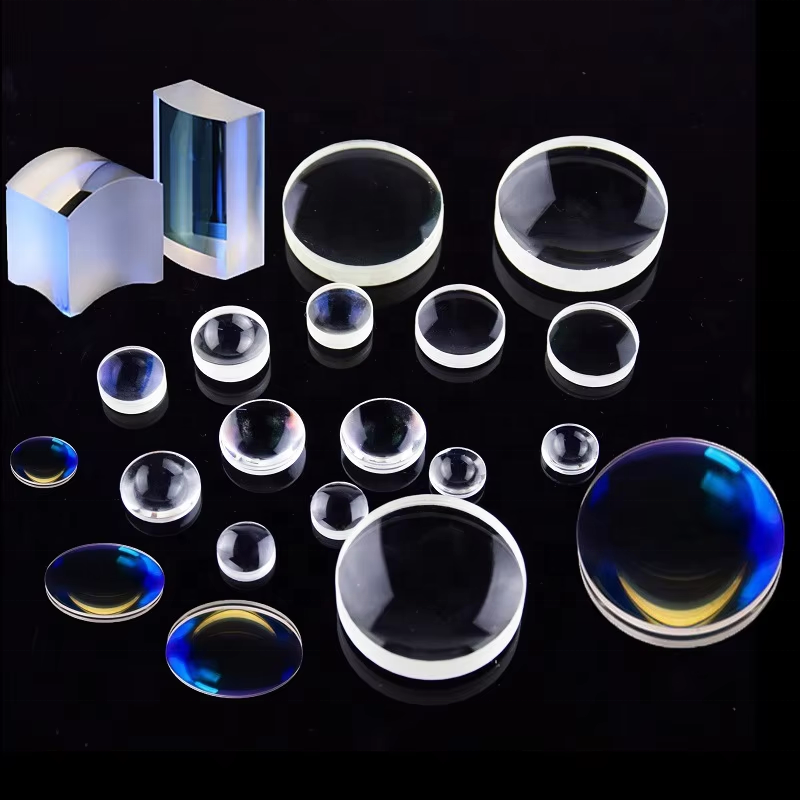
Sapphire Lens Forms for Different Optical Functions
Sapphire Ball Lenses
Half Ball Lenses
Plano-Convex Lenses
Custom Lens Geometry
 Interest · Engineering choices
How to Specify a Sapphire Lens for an OEM Project
Operating wavelength or source
Clear aperture and outside diameter
Radius, focal requirement or optical prescription
Center thickness and edge geometry
Surface quality and dimensional tolerances
Coating, cleaning and service environment
 Desire · Application fit
Where Sapphire Optical Lenses Are Commonly Considered
Fiber Coupling
Industrial Sensing
Thermal Environments
Aerospace-Related Optics
A complete drawing reduces interpretation risk and gives the engineering team a consistent basis for feasibility review, inspection and packaging. Each project moves through a defined review path so optical, mechanical and quality requirements stay aligned. Confirm drawing revision, use environment, quantity and critical features. Review sapphire blank, orientation and allowance for the selected geometry. Apply machining and grinding steps suited to curvature and dimensional control. Develop optical surfaces and edge conditions around the stated specification. Check agreed dimensions and optical characteristics using the project plan. Use separated, clean packaging appropriate for polished optical parts. Coating is not automatically required. The decision should account for wavelength, angle of incidence, environmental exposure, cleaning method and allowable reflection. Where coating is selected, the coated region and witness-sample expectations should be stated on the drawing or purchase specification. The inspection plan should reflect the features that matter to the final assembly. Not every project requires the same measurement depth, so critical characteristics are agreed before manufacturing. The project conversation is centered on manufacturability, documented requirements and repeatable supply. This is useful for engineering teams that need custom sapphire lens geometry rather than a generic catalog substitute. Critical dimensions and acceptance points can be clarified before quotation. Geometry, polishing, edge treatment and optional coating are reviewed together. Measurement expectations can be aligned with the function of the finished lens. Initial samples can provide feedback before a repeat order or production batch. Yes. Diameter, flat location, edge treatment and related tolerances can be reviewed from a drawing or optical requirement. Provide diameter, center thickness, radius or focal requirement, surface quality, clear aperture, wavelength and coating needs. No single material is suitable for every system. The working band, source, detector and transmission target should be reviewed before material selection. Coating options can be evaluated for the required wavelength, incidence angle and service environment. Feasibility depends on the full specification. Identify critical dimensions, tolerances, datums, surface quality, coating area, edge condition, quantity and any special inspection requirement. Prototype or sample planning can be discussed based on geometry, material availability, tooling needs and inspection scope. Share the drawing, optical function, working wavelength, service environment and expected quantity. Felix Glass Co., Limited can review the request and identify the information needed for quotation.
 Desire · Specification planning
Lens Specifications to Define Before Quotation
Item Typical Project Input Design Relevance Geometry Ball, half ball, plano-convex or custom Defines optical function and mounting method. Dimensions Diameter, thickness, radius, aperture Controls fit and optical path. Surface Polish and scratch-dig requirement Supports imaging and light-transfer goals. Edges Chamfer, bevel, flat or protected edge Affects handling and assembly. Coating Uncoated or wavelength-specific option Manages reflection and transmission.
Desire · Controlled workflow
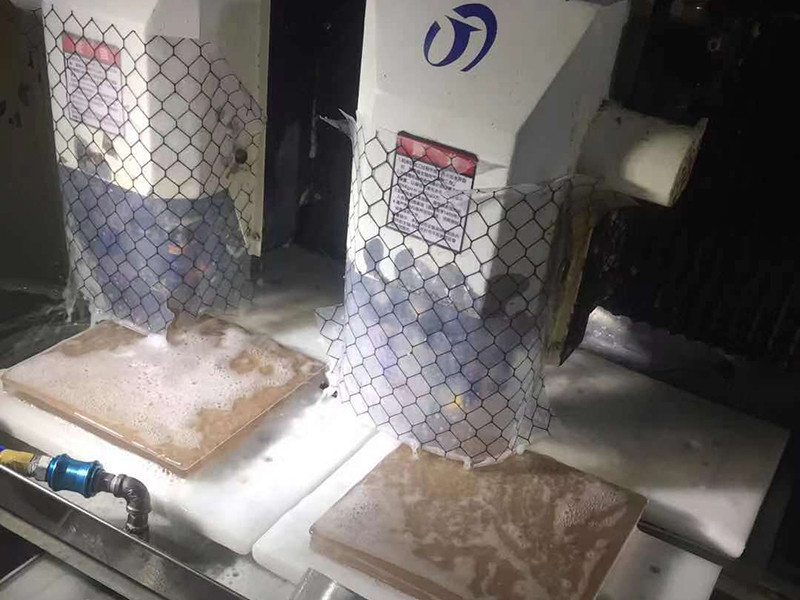
From Optical Requirement to Finished Sapphire Lens
Requirement Review
Material Planning
Shaping
Polishing
Inspection
Protected Packing
Desire · Optical performance
Coating and Surface Decisions for Sapphire Lenses
Transmission target
Incidence angle
Cleaning exposure
Environmental durability
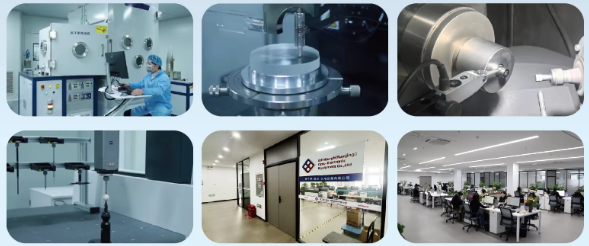
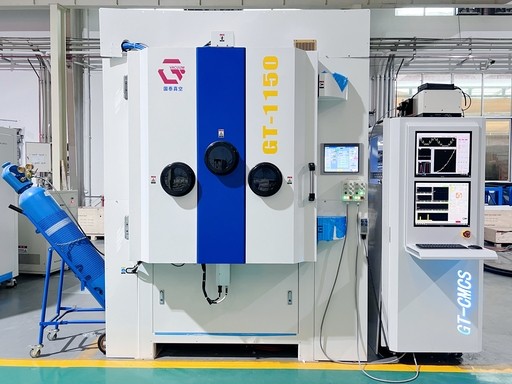 Desire · Quality alignment
Inspection Points for Precision Sapphire Optics
Desire · Supplier fit
Working With Felix Glass Co., Limited
Drawing-Based Review
Custom Processing
Inspection Planning
Prototype to Batch
Desire · Buyer questions
Sapphire Optical Lens FAQ
Can sapphire ball and half ball lenses be customized?
What information is needed for a plano-convex sapphire lens?
Is sapphire suitable for every optical wavelength?
Can coating be applied to a sapphire lens?
How should a custom sapphire lens drawing be prepared?
Are samples available before a production batch?
Action · Start with the application
Contact the Engineering Team
Request a Sapphire Lens Feasibility Review
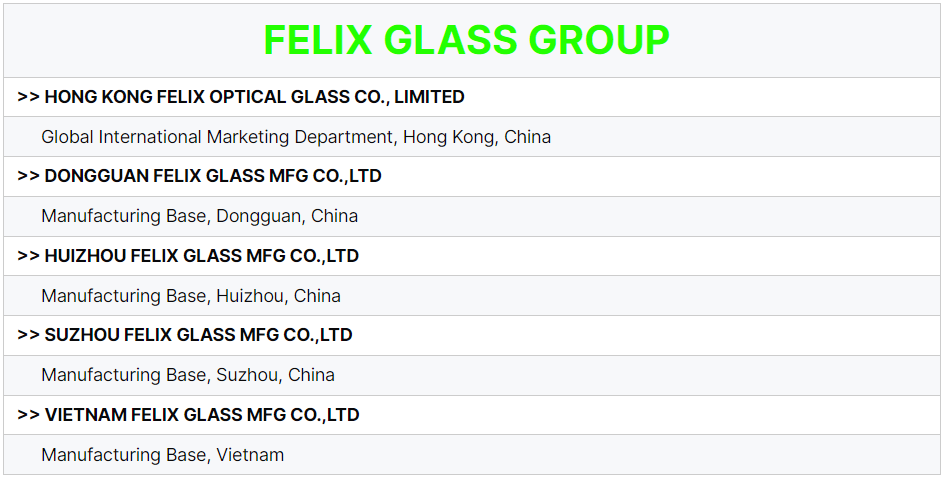

FELIX OPTICAL GLASS offers highly flexible MOQs to support customer projects, including prototype testing, small-batch trial orders, and high-volume production. All products can be fully customized to your drawings, tolerances, and application standards. Please send us your specifications, and we will reply within 1-5 hours and provide an accurate quotation after careful evaluation within 1-2 days.
Yes, our FELIX GLASS factory supports sample testing for a wide range of precision optical glass components and assemblies. The lead time for sample production is 3 to 7 working days. Please contact us today to arrange samples and obtain a customized solution that meets your needs.
A: The production cycle for standard samples is 3-10 working days, while mass production requires 15-35 working days, depending on the complexity of the product and the order quantity. We provide reliable precision optical glass components and fast delivery services for orders from industries such as defense, industrial equipment, medical devices, shipbuilding, robotics, automotive, and aerospace. Please submit your project details so we can provide you with an accurate delivery schedule.
All precision optical glass components from FELIX OPTICAL GLASS comply with ISO quality system standards as well as CE and RoHS requirements. We provide comprehensive test reports, spectral graphs, material certificates, and inspection documents for customer review. Please feel free to request complete certification details and a formal quotation at any time.
Yes. We offer a full range of precision optical glass component processing services, including CNC machining, precision grinding, optical polishing, chemical/physical tempering, vacuum coating (AR anti-reflective coating, AF anti-fingerprint coating, AG anti-glare coating, IR infrared coating), and screen printing. From raw materials to finished products, every step is completed in our own factory. Please tell us your needs, and we will provide you with the most cost-effective solution.