2.5D Curved Glass
Only edge arc treatment with flat main surface and high flatness for display assembly.
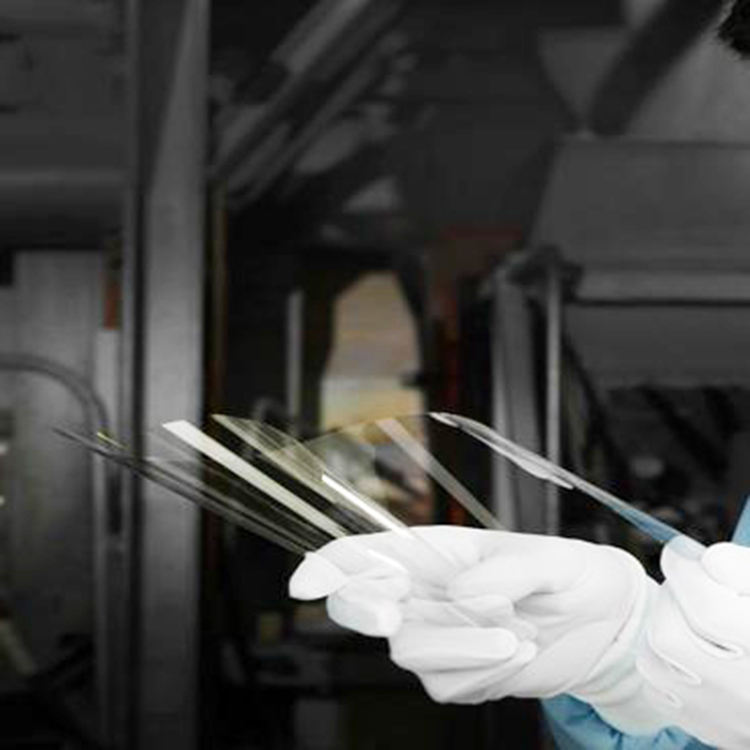
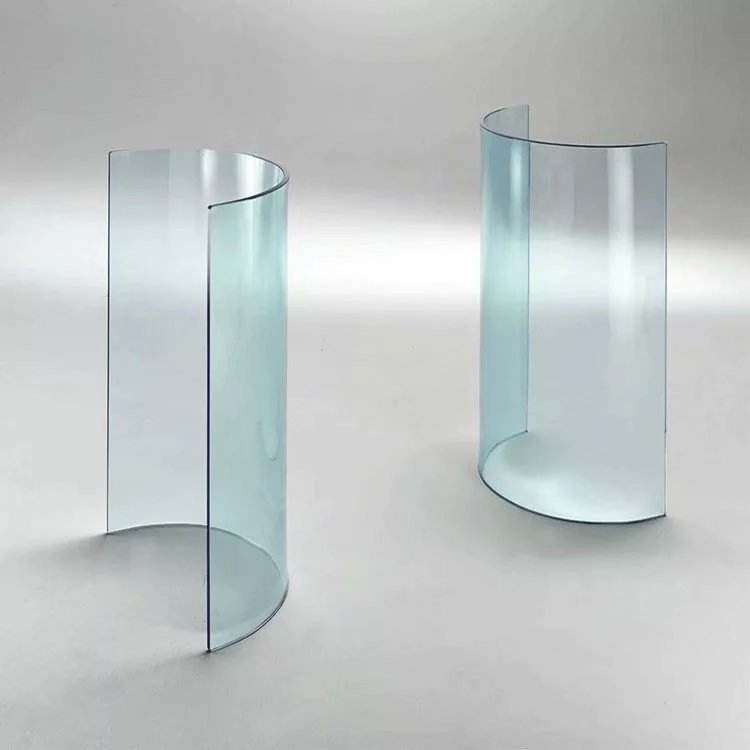
Felix Glass provides precision thermally bent curved glass solutions, including standard 2.5D edge rounding and full 3D hot-bending forming. The glass adopts high-precision thermal bending moulding process under constant temperature control, ensuring uniform radian, consistent surface tension and stable structural strength. Typical customization ranges shown for reference. Actual specifications depend on material selection and engineering requirements. All curved glass can be matched with tempering, CNC fine processing, silk screen printing and optical coating. It integrates curved appearance with industrial mechanical stability for equipment curved cover and touch display scenarios. Typical customization ranges shown for reference. Actual specifications depend on material selection and engineering requirements. 2.5D edge arc, 3D single-curved forming, 3D double-curved forming, tempered strengthening, CNC edge control, printed border alignment and optical coating can be reviewed against customer drawings. Typical customization ranges shown for reference. Actual specifications depend on material selection and engineering requirements. Only edge arc treatment with flat main surface and high flatness for display assembly. One-way radian bending for strip components, control panels and protective cover parts. Two-way arc forming for irregular curved shell structures and integrated cover glass. Aluminosilicate glass, soda lime glass and borosilicate glass selected by strength, optical and thermal requirements. Related flat substrate reference: Custom Glass Panels. Typical customization ranges shown for reference. Actual specifications depend on material selection and engineering requirements. Typical customization ranges shown for reference. Actual specifications depend on material selection and engineering requirements.
 Curved Glass Engineering Category
Custom 2.5D & 3D Thermally Bent Curved Glass for Industrial & Smart Devices
Thermal bending forming
Radian inspection
Coating compatibility
Request custom bent glass quotation
Product Overview
Product Overview
Engineering Scope
Substrate & structure
Curved Glass Substrate & Structural Types
2.5D Curved Glass
3D Single-curved Glass
3D Double-curved Glass
Optional Substrates
Custom capabilities
Full Thermal Bending & Custom Capabilities
 Custom bending radius
Customizable thickness range
Whole-piece radian tolerance
Edge polishing grade
Hole positioning after bending
Screen printing alignment tolerance
AR/AG/AF coating compatibility
Tempered strength grade
Manufacturing workflow
Custom bending radius
Customizable thickness range
Whole-piece radian tolerance
Edge polishing grade
Hole positioning after bending
Screen printing alignment tolerance
AR/AG/AF coating compatibility
Tempered strength grade
Manufacturing workflow
Standard Curved Glass Manufacturing Workflow
Raw glass cutting
CNC edge pre-processing
Fixture mould positioning
Constant temperature thermal bending forming
Slow cooling stress relief
Chemical tempering strengthening
Surface fine cleaning
Coating & printing optional
Radian & dimension inspection
Custom packaging
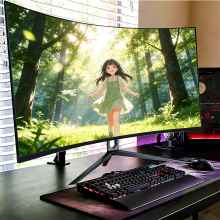
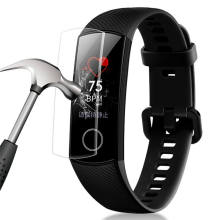
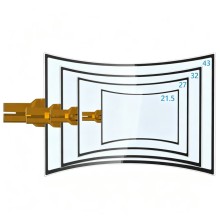
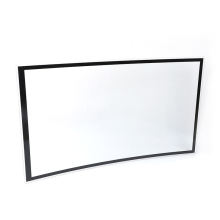
Typical customization ranges shown for reference. Actual specifications depend on material selection and engineering requirements. Related application pages: 3D Glass, Appliance & Smart Glass, Medical display glass. Typical customization ranges shown for reference. Actual specifications depend on material selection and engineering requirements. For curved touch interaction and repeated surface contact. For curved display screen readability under external light. To improve curved surface transmittance and reduce reflection. Silk screen printing and logo carving matched to drawing alignment requirements. Functional coating reference: AR AF AG glass. Typical customization ranges shown for reference. Actual specifications depend on material selection and engineering requirements. Typical customization ranges shown for reference. Actual specifications depend on material selection and engineering requirements. 2.5D curved glass keeps a flat main surface and applies edge arc processing. 3D curved glass uses thermal bending to form one-way or two-way curvature across the glass body. The minimum bending radius depends on glass substrate, thickness, panel size, forming depth, tempering requirement and mould design. Engineering review is required before confirming production feasibility. Radian tolerance is normally checked against customer drawings, gauge fixtures or coordinate measurement data after thermal bending and stress relief. AR, AG and AF coating can be evaluated after bending when the curved surface geometry, coating fixture and optical requirement are compatible. Deformation is reduced through controlled temperature curve, fixture mould positioning, slow cooling stress relief and follow-up radian inspection. Sample customization cycle and mass production delivery time depend on substrate stock, mould preparation, bending radius, coating or printing steps, and inspection documentation requirements. Upload curved structure drawings, bending radius, thickness, surface process requirements and application environment for engineering review.
Applications
Core Industrial & Commercial Application Scenarios
Industrial curved instrument windows
Smart home curved control panels
Medical device curved protective covers
Automotive small curved display glass
Wearable device panel glass
Household appliance curved touch screens
Surface processing
Optional Surface Functional Processing
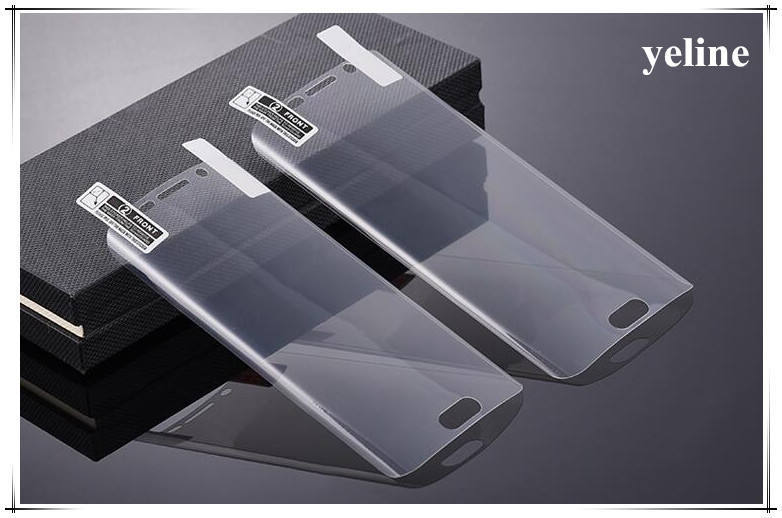
AF anti-fingerprint coating
AG anti-glare coating
AR anti-reflection coating
Custom border printing
Inspection
Curved Glass Quality & Forming Inspection Standards
Forming Geometry
Mechanical & Stress Control
Surface & Coating Check
FAQ
Engineering Customization FAQ
What is the structural difference between 2.5D and 3D curved glass?
How is the minimum bending radius limited?
How is radian tolerance defined?
Can coating be done after bending?
How is deformation controlled during thermal forming?
What affects sample and mass production lead time?
Related resources
Related Industrial Glass Resources
Technical documents
Upload curved structure drawings
Curved Glass Process Datasheet & Bending Tolerance Specification
FELIX OPTICAL GLASS offers highly flexible MOQs to support customer projects, including prototype testing, small-batch trial orders, and high-volume production. All products can be fully customized to your drawings, tolerances, and application standards. Please send us your specifications, and we will reply within 1-5 hours and provide an accurate quotation after careful evaluation within 1-2 days.
Yes, our FELIX GLASS factory supports sample testing for a wide range of precision optical glass components and assemblies. The lead time for sample production is 3 to 7 working days. Please contact us today to arrange samples and obtain a customized solution that meets your needs.
A: The production cycle for standard samples is 3-10 working days, while mass production requires 15-35 working days, depending on the complexity of the product and the order quantity. We provide reliable precision optical glass components and fast delivery services for orders from industries such as defense, industrial equipment, medical devices, shipbuilding, robotics, automotive, and aerospace. Please submit your project details so we can provide you with an accurate delivery schedule.
All precision optical glass components from FELIX OPTICAL GLASS comply with ISO quality system standards as well as CE and RoHS requirements. We provide comprehensive test reports, spectral graphs, material certificates, and inspection documents for customer review. Please feel free to request complete certification details and a formal quotation at any time.
Yes. We offer a full range of precision optical glass component processing services, including CNC machining, precision grinding, optical polishing, chemical/physical tempering, vacuum coating (AR anti-reflective coating, AF anti-fingerprint coating, AG anti-glare coating, IR infrared coating), and screen printing. From raw materials to finished products, every step is completed in our own factory. Please tell us your needs, and we will provide you with the most cost-effective solution.