ZnSe Infrared Window
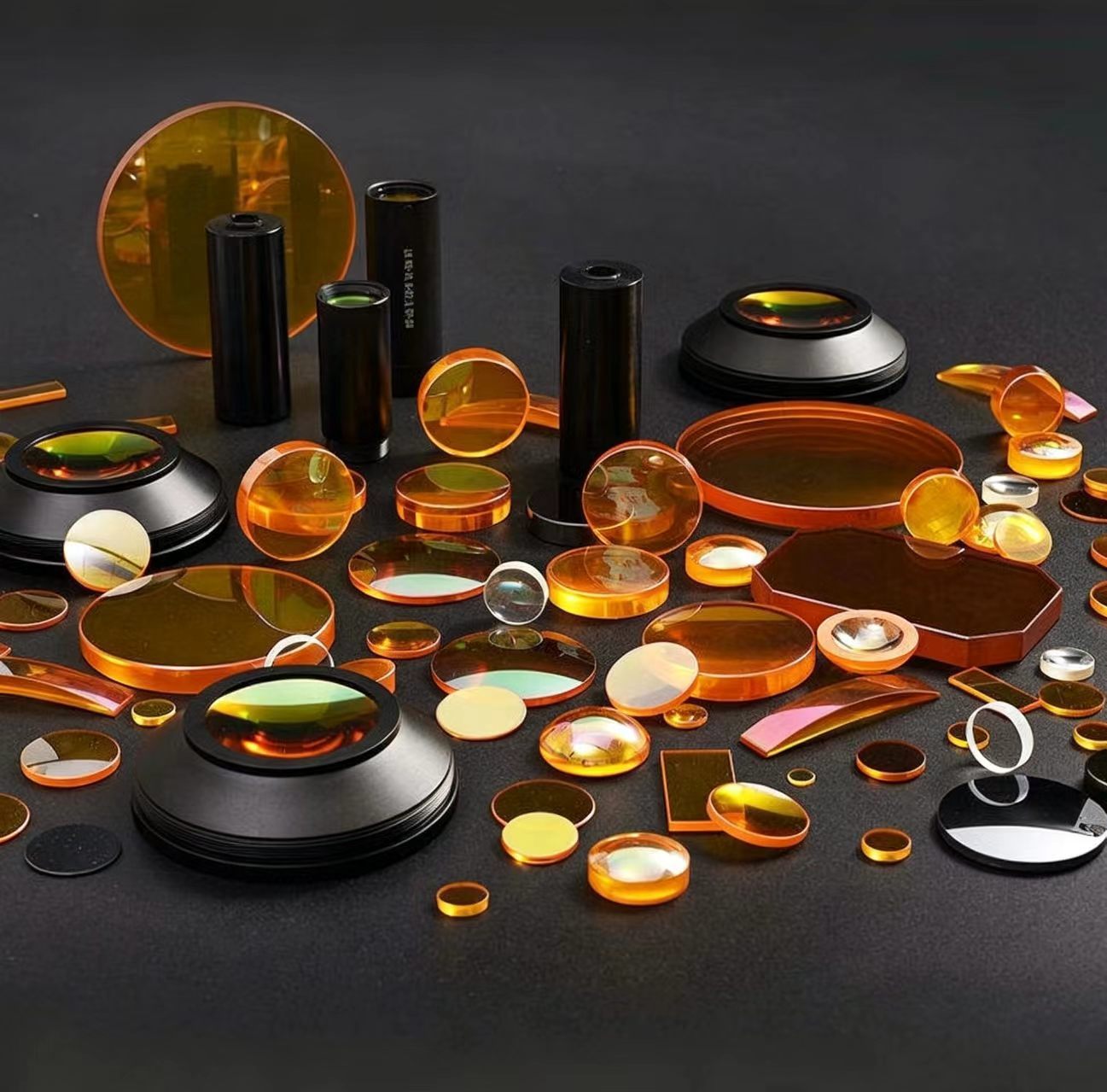
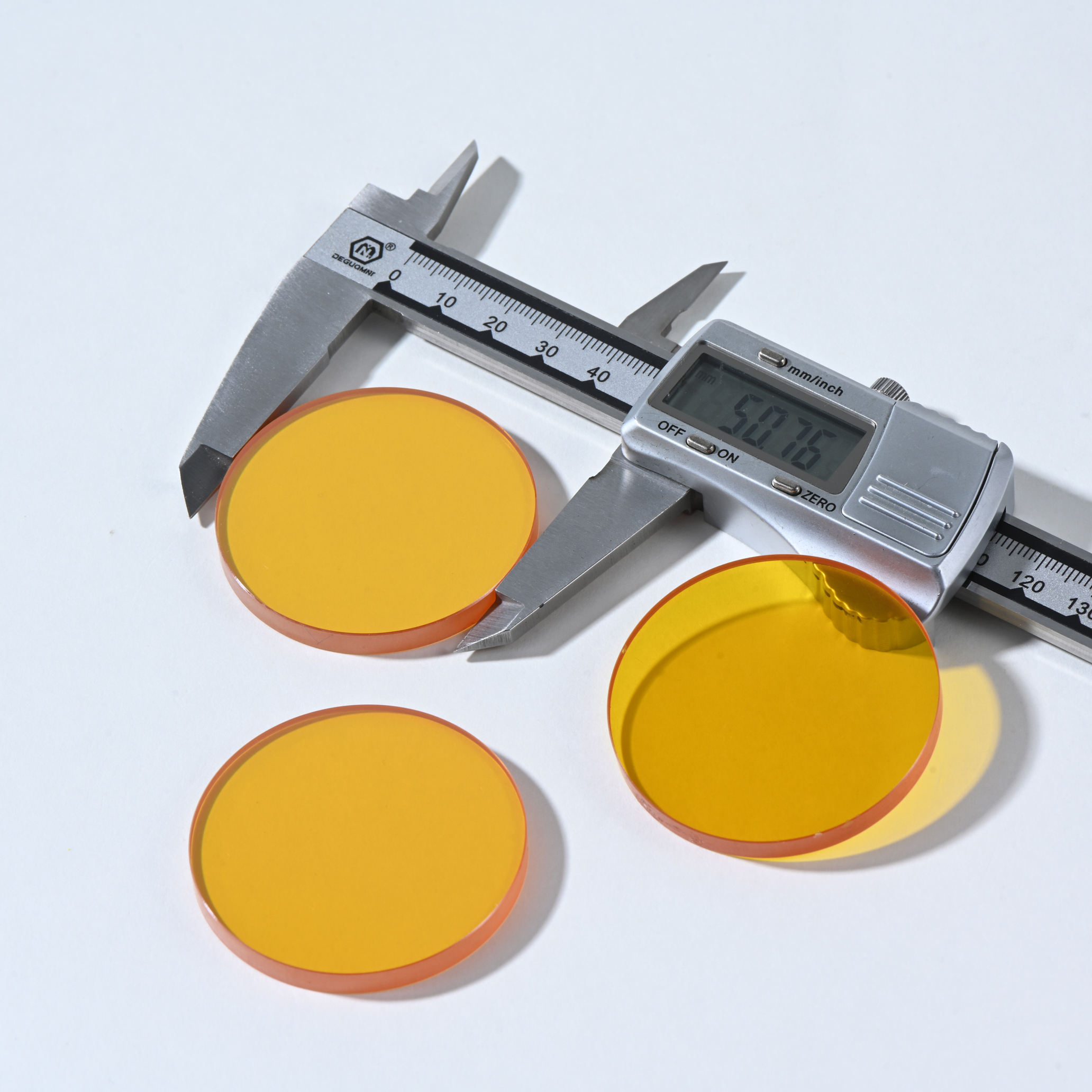
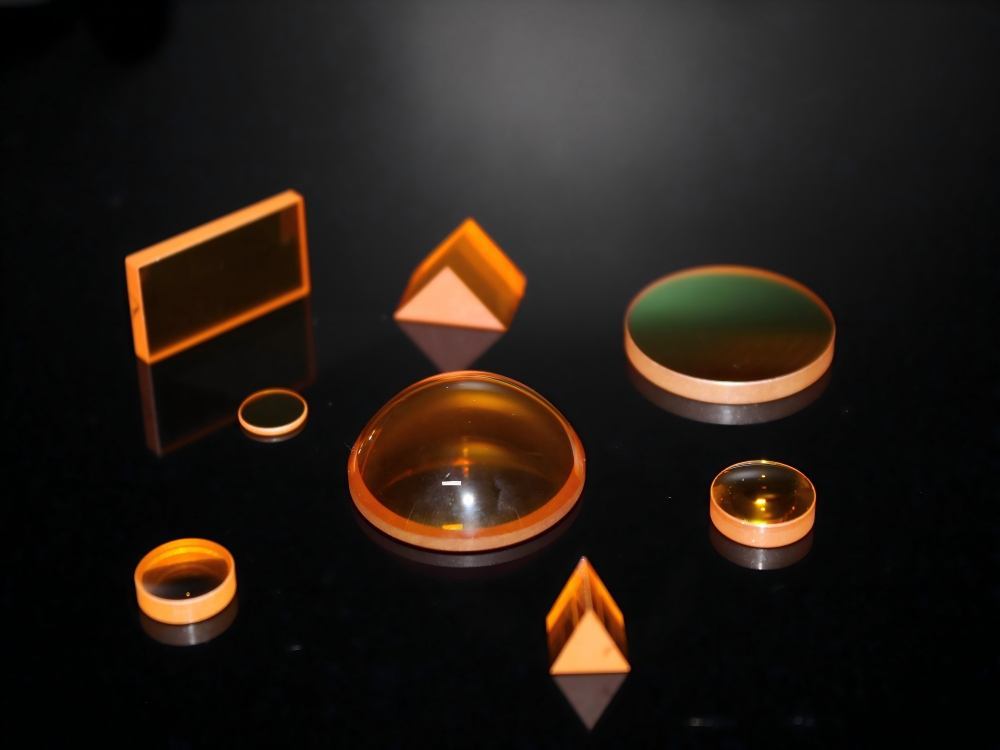
ZnSe infrared window is a precision long-wave infrared optical component used where low absorption around 10.6um, stable transmission, and controlled flatness are required. Felix Glass supplies custom zinc selenide optical windows for CO2 laser equipment, LWIR thermal imaging devices, EO/IR sensing modules, and industrial optical detection systems. A ZnSe infrared window is a flat optical substrate made from zinc selenide and polished for long-wave infrared transmission. It protects internal optical paths while allowing infrared energy to pass through the system with controlled wavefront quality. Compared with visible optical glass, ZnSe is selected for infrared systems because it supports LWIR transmission and is widely used near the 10.6um CO2 laser wavelength. For B2B engineering projects, the final performance depends on substrate grade, diameter, thickness, surface quality, parallelism, coating design, and inspection criteria. Engineers normally evaluate ZnSe infrared windows by wavelength, coating, thermal load, drawing tolerance, and whether the supplier can provide repeatable inspection documentation. Material choice should match wavelength range, environmental load, cost target, and required mechanical durability. Standard and high-homogeneity grades for CO2 laser windows, LWIR imaging windows, and precision zinc selenide optical window assemblies. Available for selected cost-sensitive industrial infrared detection scenarios when the system does not require the same ZnSe laser performance profile. Used in selected ultra-long-wave thermal imaging systems where the optical design specifies germanium substrate characteristics. Recommended for high-temperature or anti-abrasion environments where mechanical and environmental resistance are prioritized. The values below are reference ranges. Final inspection standards are confirmed from the customer drawing and application requirements. Coating design is selected according to working wavelength, incident angle, power density, cleaning environment, and service life expectations. Reduces surface reflection and supports higher useful infrared transmission for dedicated wavelength optical paths. Designed for broader LWIR bands and multi-band thermal imaging systems that need wider anti-reflection coverage. Provides an additional protective coating option for applications requiring improved durability and environmental resistance. ZnSe windows are engineered into laser, imaging, sensing, and inspection platforms where infrared transmission must be paired with reliable mechanical processing.Custom ZnSe Infrared Window for CO2 Laser and LWIR Thermal Imaging Systems
What Is a ZnSe Infrared Window?
Primary Search Intent
ZnSe Infrared Window Material Options for LWIR Optical Systems
Optical Grade CVD ZnSe
ZnS Alternative
Germanium Window Option
Sapphire Protective Window
Typical ZnSe Infrared Window Specifications for Custom Drawings
CO2 Laser Window and LWIR Infrared Window Coating Solutions
IR AR Coating
IR BBAR Coating
DLC Coating
Custom Infrared Optical Window Applications Across Industrial Systems
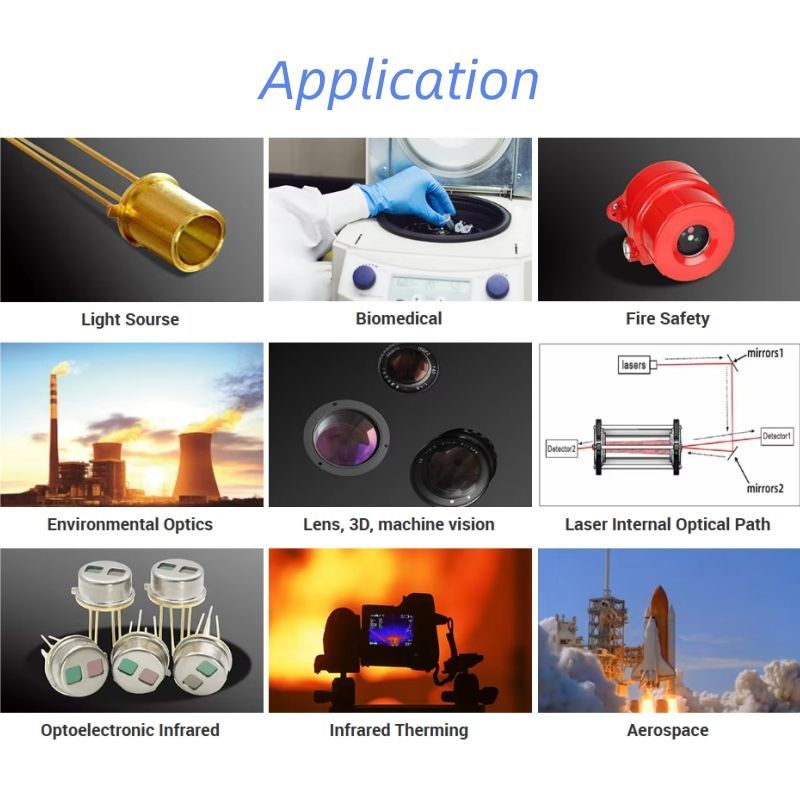
LWIR Thermal Imaging
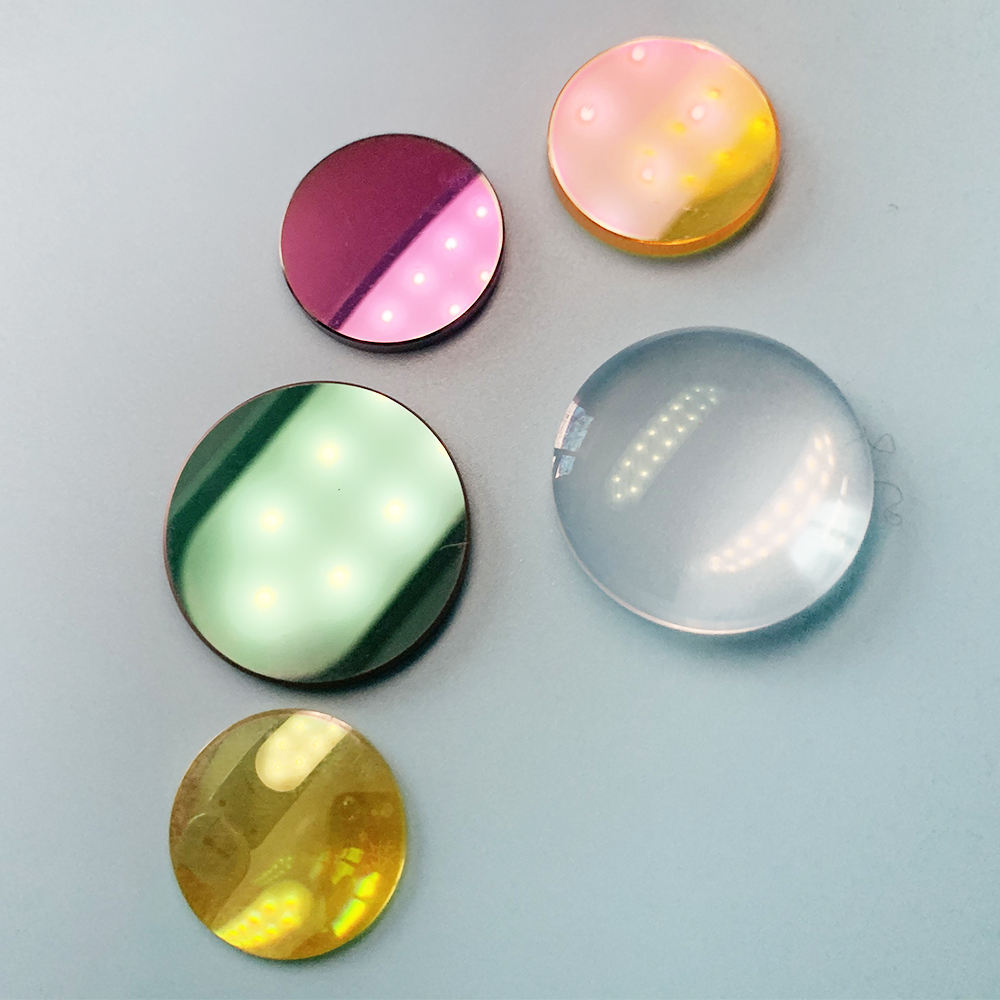
Infrared Detection Modules
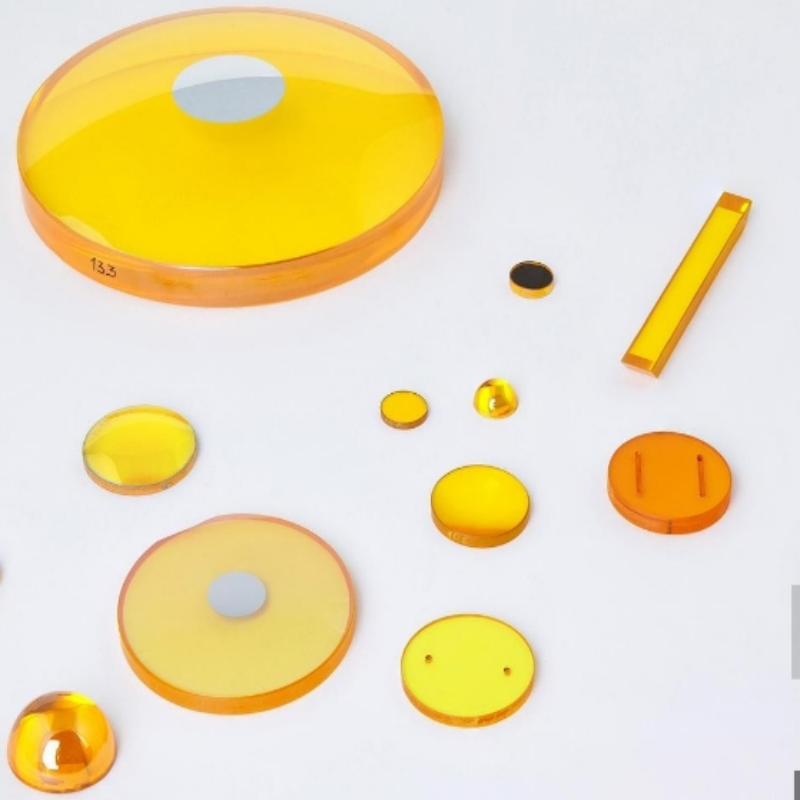
Custom Shaped IR Windows
Precision Manufacturing for Zinc Selenide Optical Window Projects
Felix Glass supports custom infrared optical window projects from drawing review to finished inspection, with process control focused on optical flatness, dimensional repeatability, and coating consistency.
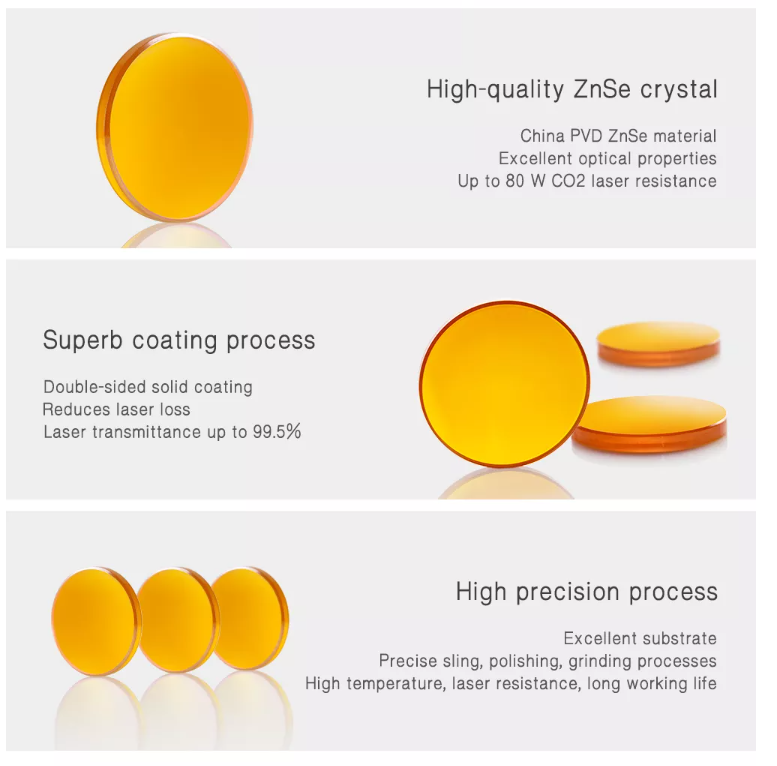
Full-Process Infrared Optics Control
CNC contour cutting, fine grinding, infrared-grade polishing, stress control, coating, and batch testing are aligned to the final drawing and inspection standard.
Blank Forming
Ultra-precision CNC cutting and edge preparation for round, square, rectangular, and irregular ZnSe infrared window shapes.
Surface Polishing
Fine grinding and polishing support infrared grade surface flatness and clear aperture requirements.
Vacuum Coating
IR AR, BBAR, and DLC coating options are selected around wavelength, durability, and application environment.
Batch Testing
Dimensional, surface, spectral, coating, flatness, and uniformity checks support delivery documentation.
Custom ZnSe Infrared Window Processing Service
A structured engineering workflow helps purchasing and optical engineering teams move from drawings to stable production lots.
Drawing Evaluation
Review wavelength, size, thickness, tolerance, aperture, edge treatment, and operating environment.
Material and Coating Confirmation
Select standard or high-homogeneity CVD ZnSe and confirm AR, BBAR, or protective coating requirements.
Prototype and Testing
Produce samples when needed and verify optical and mechanical parameters before batch production.
Mass Production and Inspection
Manufacture the order with full quality inspection, precision packaging, and delivery documentation.
Quality Inspection for CO2 Laser Window and Thermal Imaging Window Orders
All ZnSe infrared windows are checked against the confirmed specification before delivery. Inspection can include dimensional tolerance, scratch and dig evaluation, infrared transmittance, spectral performance, coating adhesion, wear resistance, surface flatness, parallelism, and optical uniformity.
- Dimensional tolerance and geometric parameter inspection
- Surface defect, scratch, and dig visual detection
- Infrared transmittance and spectral performance testing
- Coating adhesion and wear resistance verification
- Flatness, parallelism, and optical uniformity calibration
Related Infrared Optical Components and Optical Materials
Build a complete infrared optics topic cluster around ZnSe windows, matching components, and material selection knowledge.
ZnSe Infrared Window FAQ for CO2 Laser and LWIR Projects
Why is ZnSe commonly selected for CO2 laser windows?
ZnSe is commonly selected because it provides suitable infrared transmission around the 10.6um wavelength and stable optical performance for industrial laser systems.
What is the transmittance of coated ZnSe infrared windows?
Transmittance depends on coating type and working wavelength. Custom BBAR coating values are confirmed according to the customer's application standard.
Can special sizes and irregular shapes be customized?
Yes. Round, square, rectangular, and irregular custom shapes are available, with thickness, aperture, and edge treatments made per drawing.
What is the difference between ZnSe and ZnS infrared windows?
ZnSe is commonly used for higher uniformity and lower absorption requirements in high-power laser systems, while ZnS can suit selected low-power detection uses.
Can ZnSe windows support high-temperature environments?
ZnSe is suitable for conventional industrial working temperatures. For extreme high-temperature scenarios, sapphire or enhanced protection may be recommended.
Can test reports be provided?
Spectral test reports, dimension inspection reports, and coating performance certification documents can be provided for batch orders.
Get a Custom Quote for ZnSe Infrared Window Drawings
Upload your optical design drawings or specify wavelength, size, coating, tolerance, and application requirements. Felix Glass engineering support can review the project and provide a customized solution evaluation.

- What is the minimum order quantity for custom precision optical glass components?
FELIX OPTICAL GLASS offers highly flexible MOQs to support customer projects, including prototype testing, small-batch trial orders, and high-volume production. All products can be fully customized to your drawings, tolerances, and application standards. Please send us your specifications, and we will reply within 1-5 hours and provide an accurate quotation after careful evaluation within 1-2 days.
- Can I get free glass samples for testing before bulk order?
Yes, our FELIX GLASS factory supports sample testing for a wide range of precision optical glass components and assemblies. The lead time for sample production is 3 to 7 working days. Please contact us today to arrange samples and obtain a customized solution that meets your needs.
- What is the production lead time for custom optical glass components?
A: The production cycle for standard samples is 3-10 working days, while mass production requires 15-35 working days, depending on the complexity of the product and the order quantity. We provide reliable precision optical glass components and fast delivery services for orders from industries such as defense, industrial equipment, medical devices, shipbuilding, robotics, automotive, and aerospace. Please submit your project details so we can provide you with an accurate delivery schedule.
- Are your optical glass products ISO, CE and RoHS certified?
All precision optical glass components from FELIX OPTICAL GLASS comply with ISO quality system standards as well as CE and RoHS requirements. We provide comprehensive test reports, spectral graphs, material certificates, and inspection documents for customer review. Please feel free to request complete certification details and a formal quotation at any time.
- Do you offer one-stop custom optical glass processing services?
Yes. We offer a full range of precision optical glass component processing services, including CNC machining, precision grinding, optical polishing, chemical/physical tempering, vacuum coating (AR anti-reflective coating, AF anti-fingerprint coating, AG anti-glare coating, IR infrared coating), and screen printing. From raw materials to finished products, every step is completed in our own factory. Please tell us your needs, and we will provide you with the most cost-effective solution.
- Name
- *Title
- *Content
With 19 years of experience as a precision optical glass expert, we provide comprehensive and satisfactory customized solutions.
 Felix Glass Officially Launches IR Optics Product Line: Custom ZnSe Lenses for LWIR Thermal ImagingFelix Glass officially launches IR optics line with custom ZnSe lenses for LWIR thermal imaging. High transmittance, custom dimensions & coatings, full‑scale OEM support.
 Case Study: Custom Sapphire Viewport for High‑Temperature Kiln Continuous MonitoringFelix Glass custom sapphire viewport for high‑temperature kiln continuous monitoring. Excellent thermal shock resistance, custom dimension, prototype to mass‑production OEM support.