Hard-contact protection
Mohs 9 sapphire resists scratching from most common cabin materials and helps preserve the optical surface through repeated use and cleaning.

✔ OEM / ODM Customization
✔ Free Drawing DFM Technical Review
✔ 24-Hour Professional Quotation
✔ Flexible Low MOQ & Fast Prototypes
| Share | |
|---|---|
| Categories | Sapphire Display Cover Glass |
| Brand | FELIX GLASS optical glass Manufacturing base |
| Model | FG-sdc-020 |
| Base Material | Optical-grade single crystal sapphire (C-plane) |
| Mohs Hardness | Grade 9 |
| Standard Thickness | 0.6mm / 0.8mm / 1.0mm customizable |
| Working Temp | -40℃ ~ 120℃ continuous |
| Coating | AR anti-reflection + AF anti-fingerprint composite coating |
| Dimensional Tolerance | ±0.005mm |
| Surface Quality | 20-10 scratch & dig grade |
| FOB port | SHENGZHEN SHANGHAI GUANGZHOU |
| Terms of Payment | L/C, D/A, D/P, Western Union, T/T |
| Download |  |
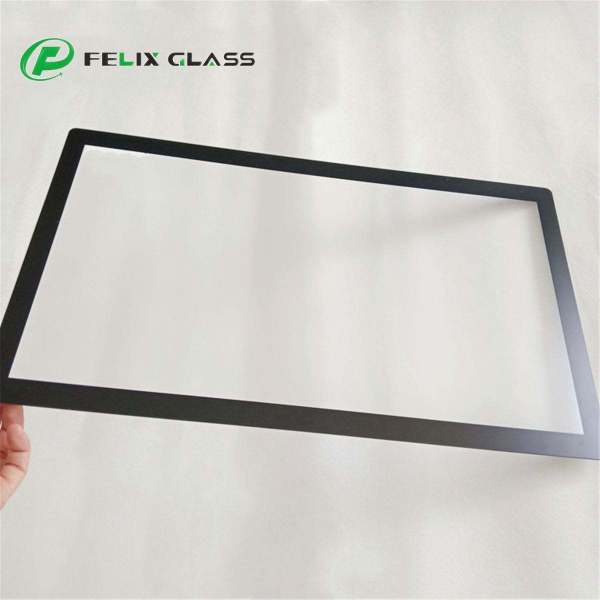
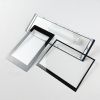
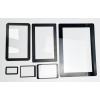
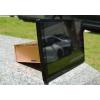
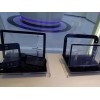
Automotive sapphire display cover glass is a precision-machined, optical-grade single crystal sapphire panel used as the outer protective surface of a vehicle central control touch display. With Mohs 9 hardness, it is selected when hard interior parts, service tools, rings, keys, or repeated cleaning can cause cosmetic damage or functional screen failure on conventional cover materials.
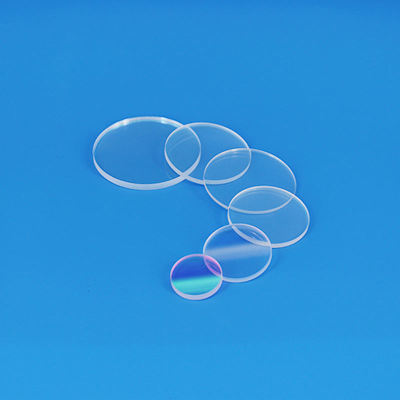
Felix Glass supports drawing-based C-plane sapphire covers in 0.6 mm, 0.8 mm, and 1.0 mm standard thickness options, with custom CNC edges, holes, AR anti-reflection coating, and AF anti-fingerprint coating for automotive equipment manufacturers.
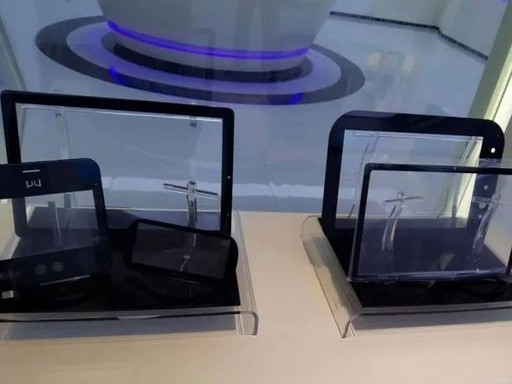
The material choice is most valuable where long service life, optical stability, and resistance to hard-contact scratches matter more than lowest initial part cost.
Mohs 9 sapphire resists scratching from most common cabin materials and helps preserve the optical surface through repeated use and cleaning.
Optical-grade single crystal material provides a consistent protective window for high-resolution center displays when the crystal orientation, polish, and coating are correctly specified.
The specified -40℃ to 120℃ continuous range supports programs that must tolerate vehicle storage, operation, and temperature cycling conditions.
AF coating reduces fingerprint adhesion and simplifies routine cleaning; AR coating helps manage surface reflection in bright cabin conditions.
These values define the requested product baseline. Final inspection methods, sampling plan, coating targets, and acceptance limits are documented on the approved project specification.
| Specification item | Requested baseline | Engineering relevance |
|---|---|---|
| Base material | Optical-grade single crystal sapphire, C-plane | Hard, chemically stable optical protection |
| Mohs hardness | Grade 9 | Resistance to hard-contact surface scratches |
| Standard thickness | 0.6 mm / 0.8 mm / 1.0 mm; custom review available | Mechanical stack-up, weight, and assembly design |
| Working temperature | -40℃ to 120℃ continuous | Vehicle operating and storage environment planning |
| Coating | AR anti-reflection + AF anti-fingerprint composite coating | Display readability and touch-surface maintenance |
| Dimensional tolerance | ±0.005 mm | Fit with display, adhesive, bezel, and housing datums |
| Surface quality | 20-10 scratch & dig grade | Cosmetic and optical inspection baseline |
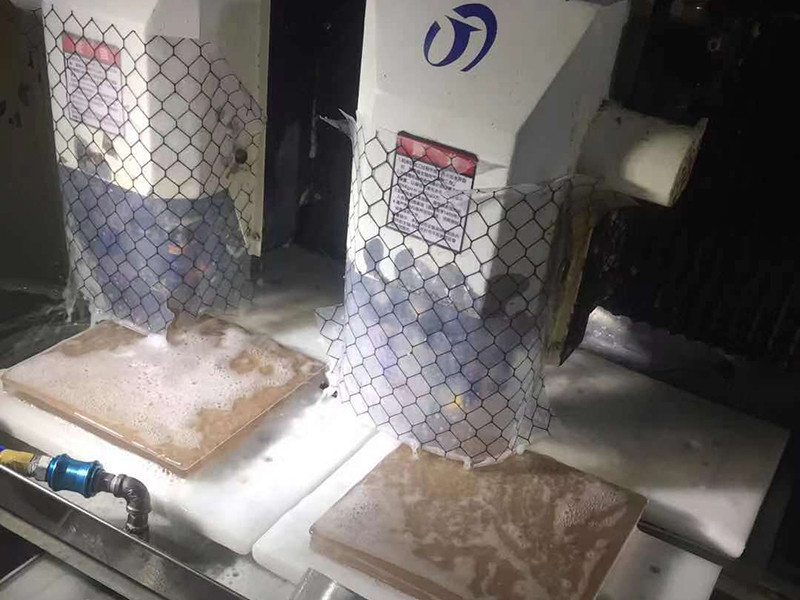
Felix Glass reviews 2D and 3D files for outer-profile machining, corner radii, chamfers, steps, slots, through-holes, sensor openings, and non-standard cutouts. Engineering feedback focuses on manufacturability and the risk of concentrated stress around thin edges and internal features.
The AR layer is engineered around the display spectrum, viewing angle, and reflection target. The AF top layer is selected for touch interaction, cleanability, and compatibility with the underlying AR stack. Coating performance must be confirmed using project-specific optical and durability criteria rather than a generic transmission claim.
Target wavelength band, incident angle, reflectance goal, display stack, and coating side.
Contact-angle target, cleaning agent, abrasion method, touch frequency, and acceptance limit.
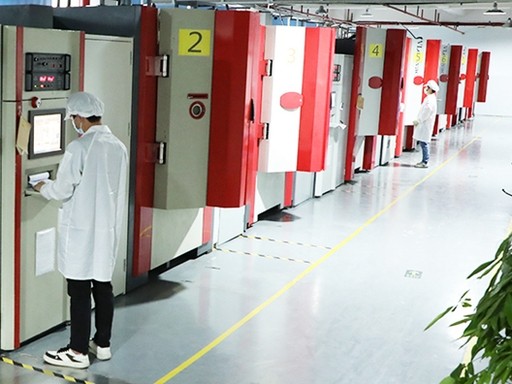
A project test report should identify the sample configuration, coating lot, fixture, temperature profile, dwell time, ramp rate, cycle count, inspection method, and acceptance criteria. The requested -40℃ to 120℃ range is the product baseline; it is not presented as a completed program-specific test result until the agreed test plan has been executed.
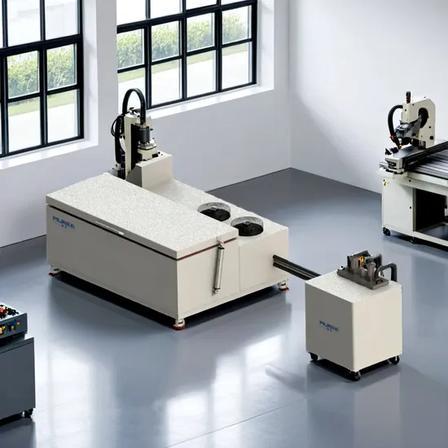
Thickness selection should be made with the active display area, unsupported span, adhesive geometry, edge protection, touch performance, impact requirement, and assembly load in view.
The requested 20-10 scratch & dig grade applies to the defined optical area and must be paired with an agreed inspection method, illumination, viewing distance, cosmetic zones, edge criteria, and coating-defect limits. Separate acceptance zones can be established for the active display area, printed border, adhesive region, holes, and finished edges.
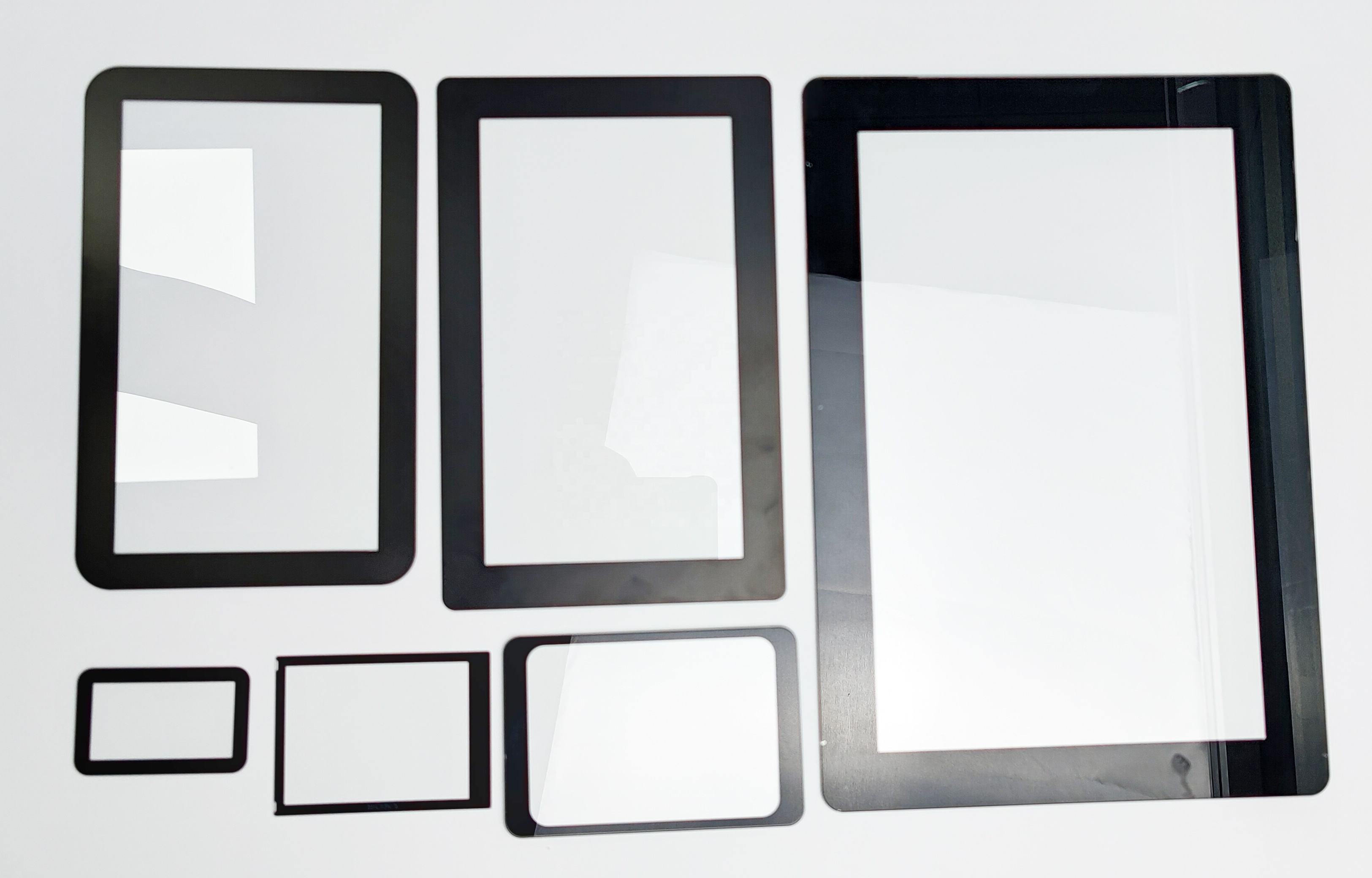
Lead time is confirmed after drawing, quantity, raw-material availability, CNC complexity, coating route, inspection documentation, and packaging requirements are reviewed. The project follows a controlled progression so procurement and engineering teams can freeze risks before volume release.
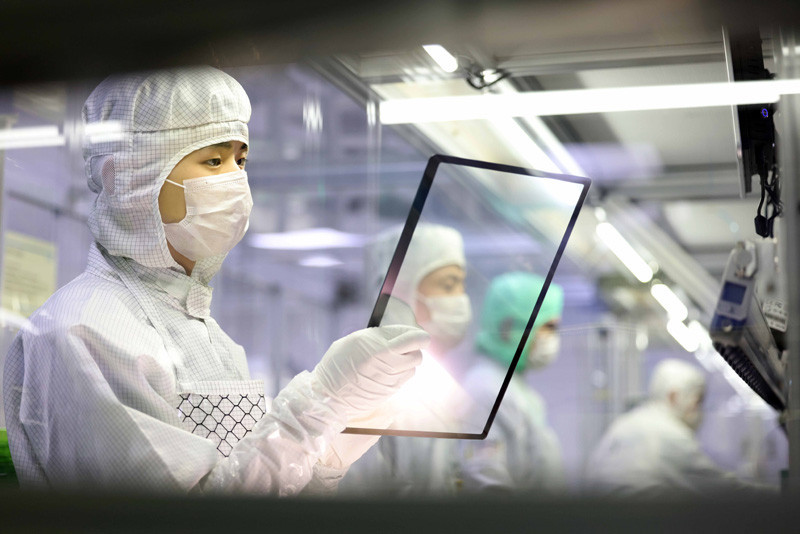
Crystal orientation affects material and processing behavior. C-plane optical-grade sapphire is the requested baseline, but final orientation and inspection requirements should remain explicit on the drawing and purchase specification.
Yes, subject to DFM review. Hole diameter, edge distance, corner radius, chamfer, thickness, and assembly load influence manufacturability and breakage risk.
Yes. The plan should add reflectance or transmission criteria, coating appearance zones, adhesion or abrasion methods, cleanability, and any contact-angle requirement.
No. It is the requested continuous working range. Program qualification requires an approved profile, sample configuration, cycle count, inspection criteria, and documented results.
Provide the 2D or 3D drawing, annual and order quantities, thickness, coating targets, cosmetic zones, validation requirements, packaging standard, and required delivery location.
Drawing-based sample and volume planning are supported. Capacity, yield assumptions, inspection documentation, and schedule are confirmed after the technical review.
Automotive optical engineers and equipment procurement managers can send drawings and project requirements to james@felixglass.com. Include the display stack, annual volume, coating target, temperature profile, cosmetic criteria, and assembly method for a focused manufacturability review.
Send us your drawing, dimension & coating requirements for fast quotation within 24 hours.
Get Free RFQWe supply Industrial Glass, Sapphire Optics, Optical Lenses/Prisms/Filters, Infrared IR Optics, Functional & Display Glass, N-BK7/H-K9L Optical Glass, supporting OEM mass production and laboratory custom prototypes. Flexible MOQ & free sample service available. Fill in the form to download full datasheets and get factory wholesale price within 24 hours.
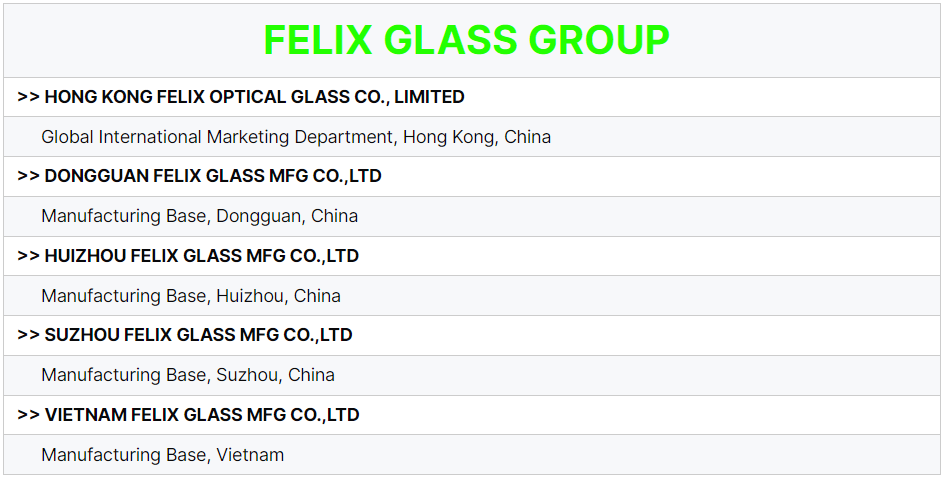
FELIX OPTICAL GLASS offers highly flexible MOQs to support customer projects, including prototype testing, small-batch trial orders, and high-volume production. All products can be fully customized to your drawings, tolerances, and application standards. Please send us your specifications, and we will reply within 1-5 hours and provide an accurate quotation after careful evaluation within 1-2 days.
Yes, our FELIX GLASS factory supports sample testing for a wide range of precision optical glass components and assemblies. The lead time for sample production is 3 to 7 working days. Please contact us today to arrange samples and obtain a customized solution that meets your needs.
A: The production cycle for standard samples is 3-10 working days, while mass production requires 15-35 working days, depending on the complexity of the product and the order quantity. We provide reliable precision optical glass components and fast delivery services for orders from industries such as defense, industrial equipment, medical devices, shipbuilding, robotics, automotive, and aerospace. Please submit your project details so we can provide you with an accurate delivery schedule.
All precision optical glass components from FELIX OPTICAL GLASS comply with ISO quality system standards as well as CE and RoHS requirements. We provide comprehensive test reports, spectral graphs, material certificates, and inspection documents for customer review. Please feel free to request complete certification details and a formal quotation at any time.
Yes. We offer a full range of precision optical glass component processing services, including CNC machining, precision grinding, optical polishing, chemical/physical tempering, vacuum coating (AR anti-reflective coating, AF anti-fingerprint coating, AG anti-glare coating, IR infrared coating), and screen printing. From raw materials to finished products, every step is completed in our own factory. Please tell us your needs, and we will provide you with the most cost-effective solution.