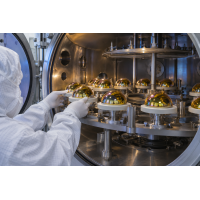
AR anti-reflection
Our standard specification lists visible-light transmittance above 92% and reduced surface reflection to support display readability and facial-camera operation in bright conditions.
✔ OEM / ODM Customization
✔ Free Drawing DFM Technical Review
✔ 24-Hour Professional Quotation
✔ Flexible Low MOQ & Fast Prototypes
| Share | |
|---|---|
| Categories | Smart Appliance Display Glass |
| Brand | FELIX GLASS optical glass Manufacturing base |
| Model | FE-AGP-03004011 |
| Material: | High-Strength Tempered Glass |
| Coating: | AF Anti-Fingerprint / AG Anti-Glare / AR High-Transmittance |
| Surface: | Ultra-Smooth / Matte |
| Thickness: | 1.1mm / 2.0mm / 3.0mm / 4.0mm (Customizable) |
| Size: | Fully Customizable (Any Dimension & Shape) |
| Color: | Solid Color / Silk Screen Printing / Custom Pattern / Logo Printing |
| Edge: | 2.5D / 3D Rounded Edge / Flat Edge (Customizable) |
| Feature: | Waterproof, Dustproof, Wear-Resistant, High Light Transmittance, Anti-Scratch, Weather-Resistant |
| Application: | Door Intercom, Access Control, Video Doorbell, Smart Home, Gate Entry System, Elevator Control |
| Unit Price | US $ 2.88-5.99 / piece |
| FOB port | SHENGZHEN SHANGHAI GUANGZHOU |
| Terms of Payment | L/C, D/A, D/P, Western Union |
| Download |  |
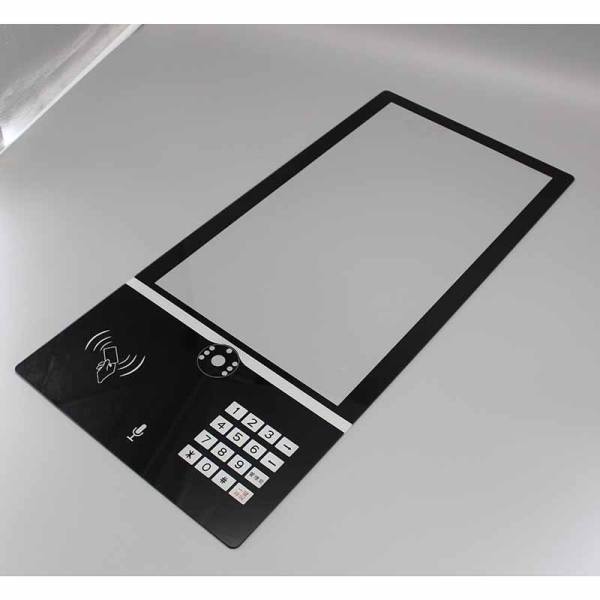
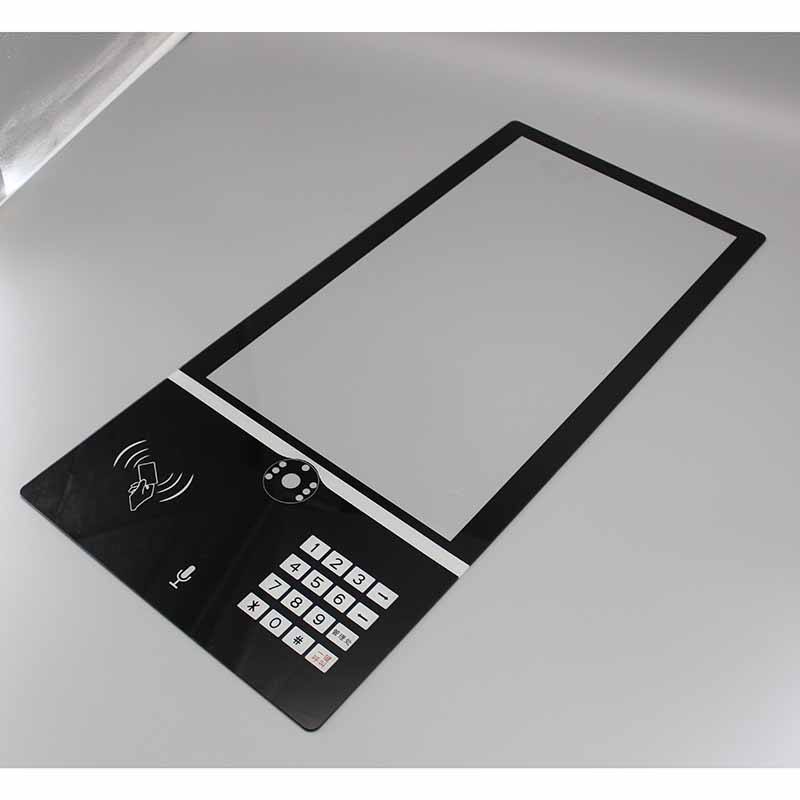
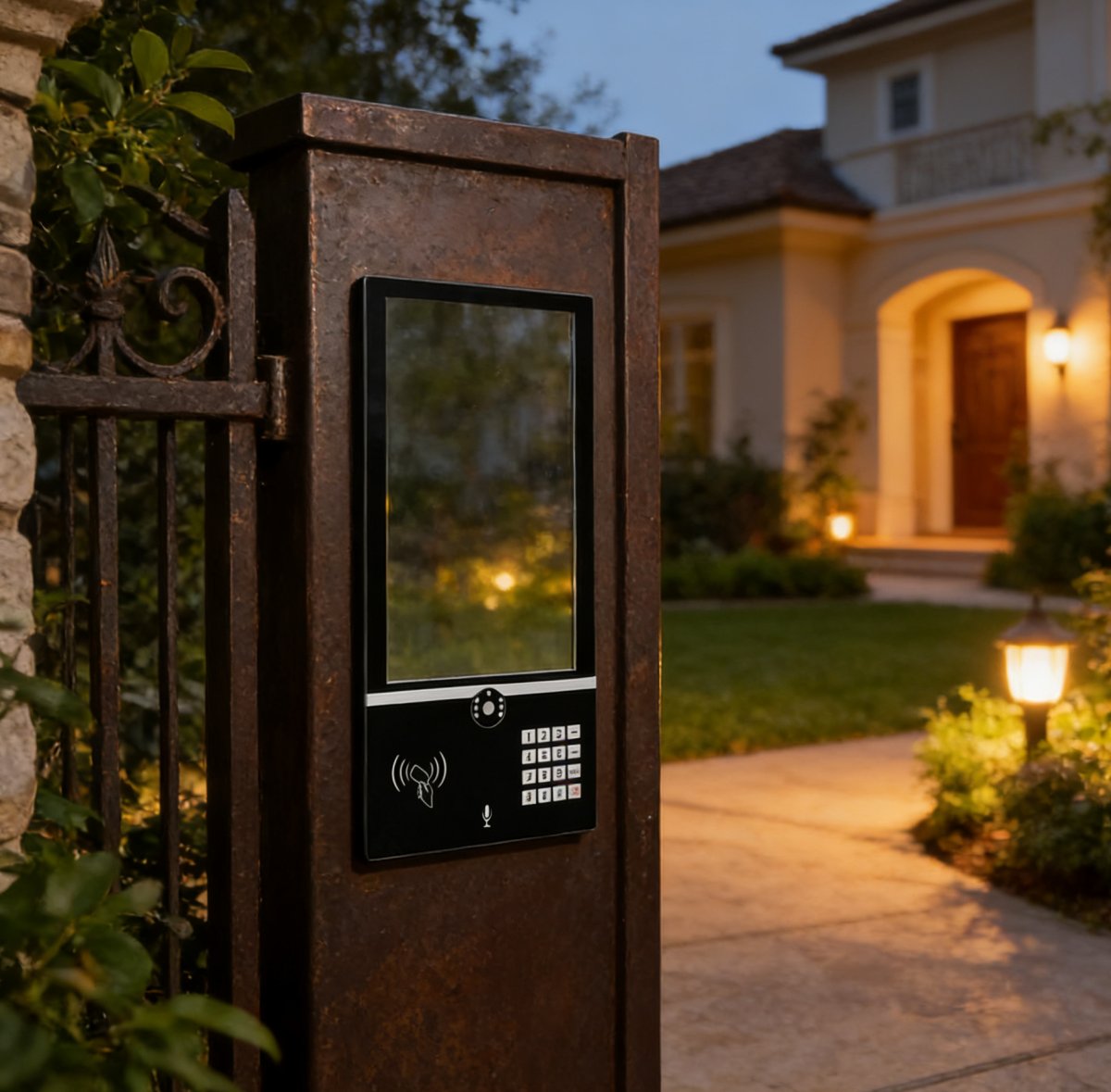
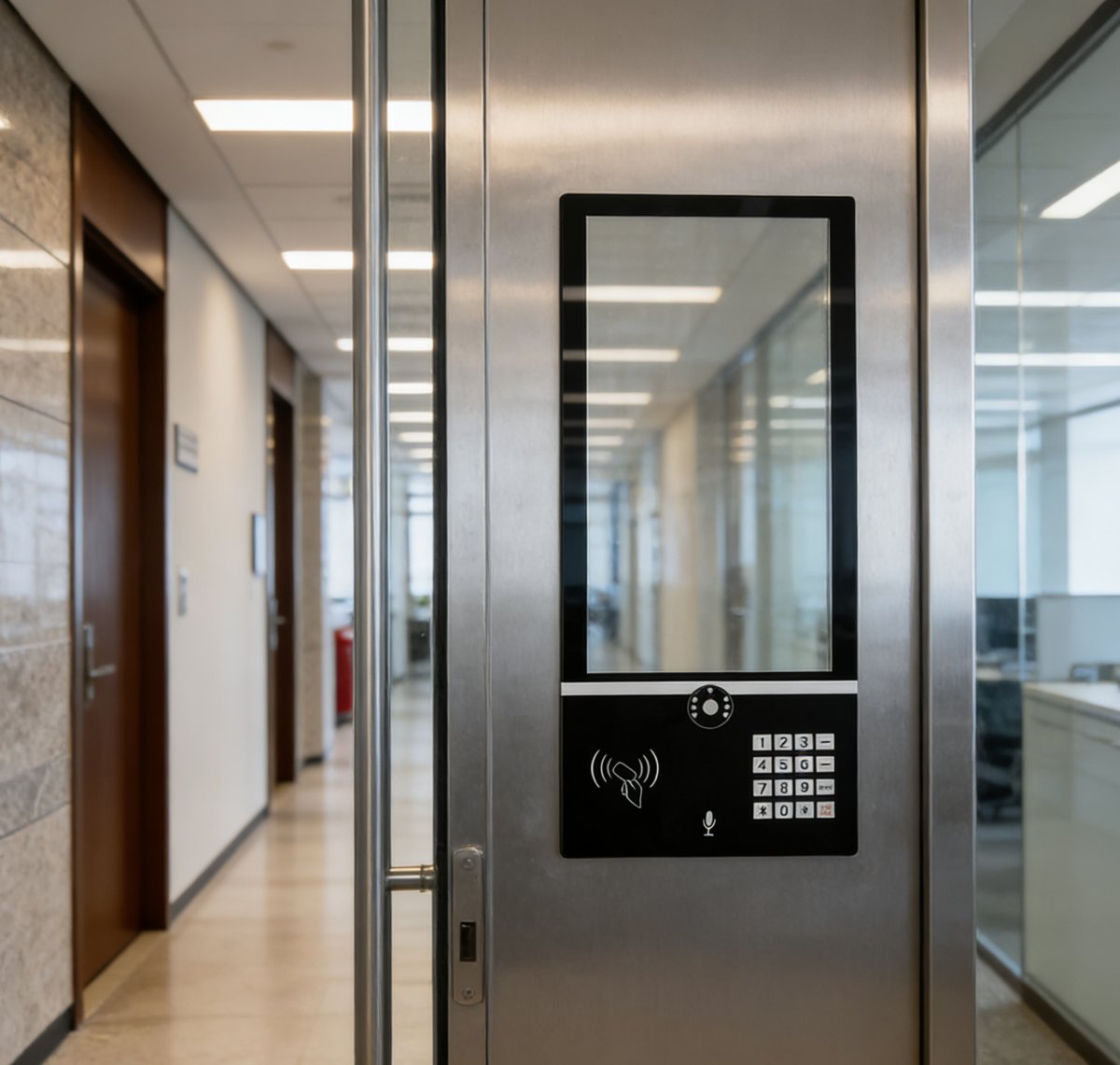
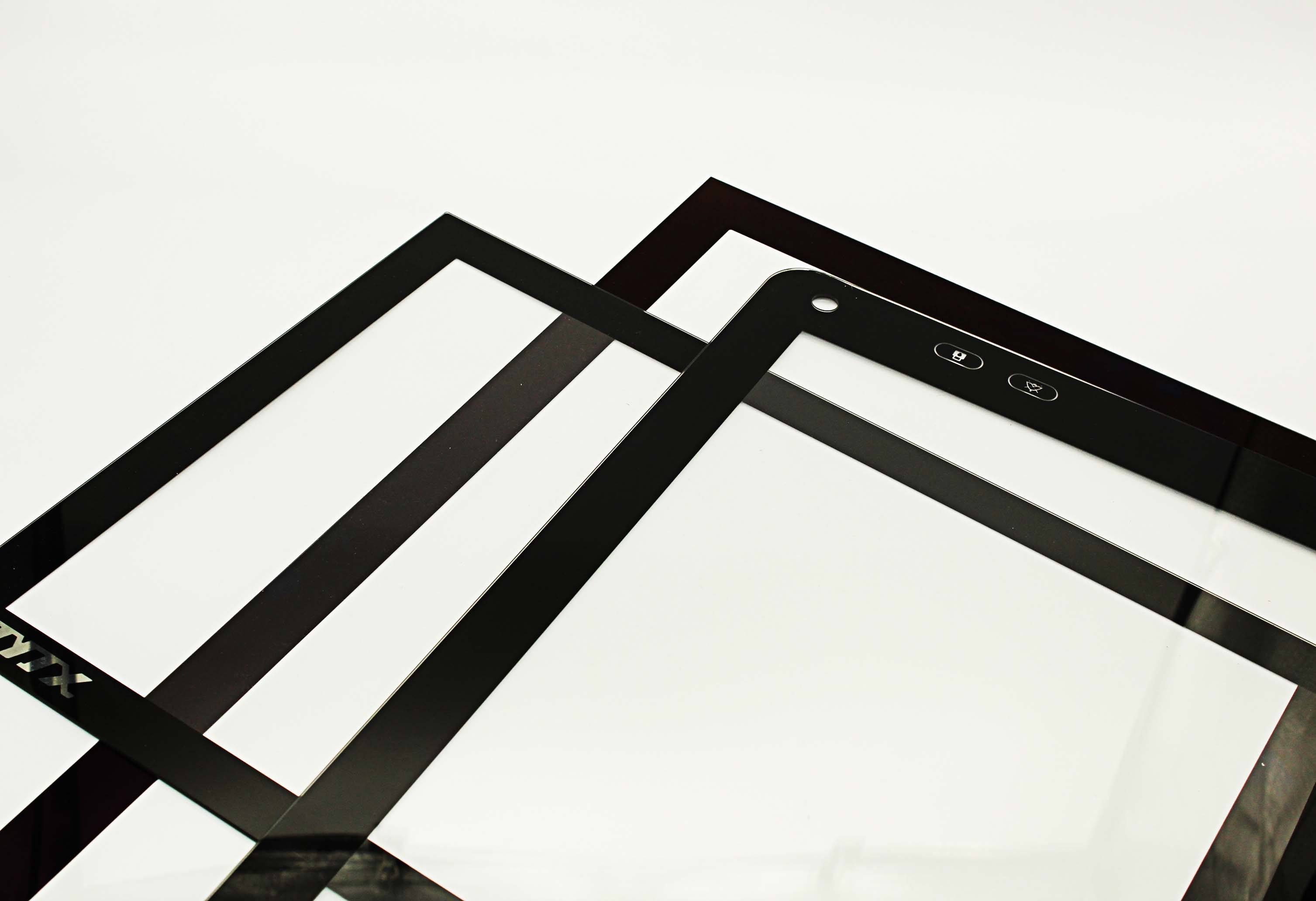
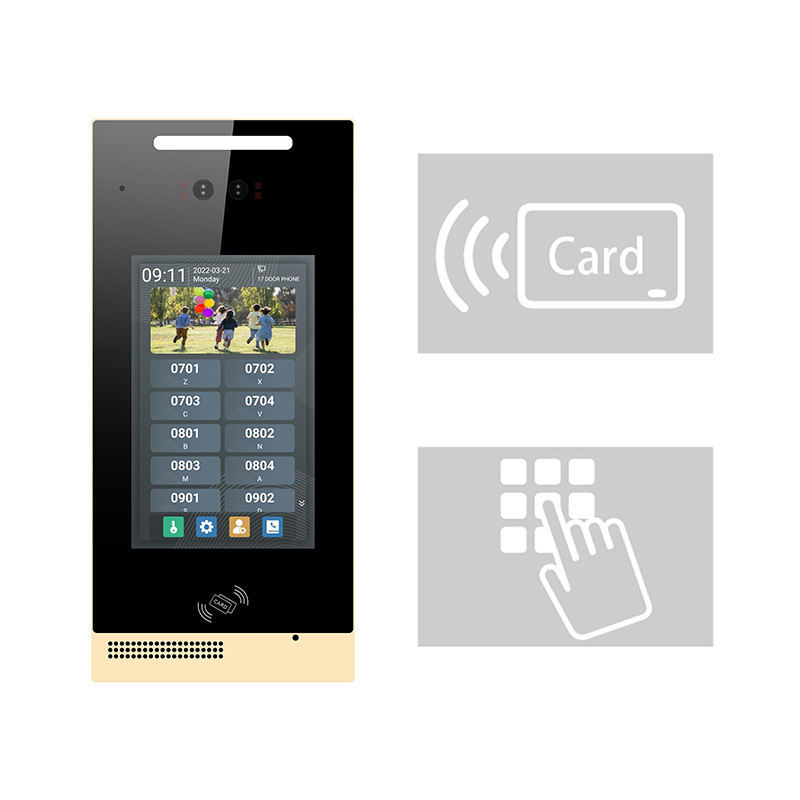
Outdoor facial recognition access terminals and video intercoms often suffer from sunlight reflection, fingerprint contamination, scratch damage and temperature shock. Felix Glass custom manufactures chemically strengthened aluminosilicate front cover glass for facial-recognition access control terminals, building video intercoms, outdoor door phones, video doorbells, gate-entry systems, and elevator controls. The panel can combine AR anti-reflection, AG anti-glare, and AF anti-fingerprint treatments on one glass substrate. Drawing-based services include CNC camera and sensor openings, mounting holes, edge chamfering, silk-screen borders, icons, patterns, and customer logos. This product is listed in our Smart Appliance Display Glass category. Typical project values below reflect our standard product specification. Final material, dimensions, tolerances, coating stack, and test plan are confirmed against the approved drawing. Each treatment addresses a different device-interface requirement. Coatings may be specified separately or as AR+AG, AR+AF, AG+AF, or a three-layer combination after the optical and environmental targets are reviewed. Our standard specification lists visible-light transmittance above 92% and reduced surface reflection to support display readability and facial-camera operation in bright conditions. A matte surface diffuses direct reflections while maintaining the clarity needed for the display and touch interface. A hydrophobic top layer reduces oil and fingerprint adhesion and makes routine wiping easier for frequently touched access terminals. Browse the wider Felix Glass product catalog for other display and functional-glass options. Test method, fixture, sample geometry, and acceptance criteria should be written into the purchase specification when these values are required for qualification. Material Advantage: Aluminosilicate glass outperforms ordinary soda-lime glass for outdoor access devices. It delivers higher surface hardness, better thermal shock resistance and longer service life under UV and salt air environment. Soda lime glass is a low-cost option only for indoor low-security projects. Felix Glass supports a drawing-to-production workflow for access-control cover glass. Our standard product content lists the following processing capabilities: Camera windows, sensor apertures, speaker openings, slots, and fixing holes. Fine chamfering, polishing, flat edges, and 2.5D or 3D rounded-edge options. Black masking borders, solid colors, icons, custom patterns, and customer logos. Optional conductive silver-paste printing for compatible capacitive-touch circuit designs. Our standard product description lists dimensional machining tolerance within ±0.01 mm. Feasibility depends on hole geometry, edge distance, panel thickness, and the approved drawing. Learn more about the company’s processing background on About Us. These optical targets are intended to reduce reflected light over the display and camera window. Final values should be selected for the actual display brightness, camera wavelength, outdoor angle, and housing design. Our standard product content states that full-spectrum transmittance is inspected with a PerkinElmer spectrophotometer before delivery. It also lists near-infrared transmittance above 91% at 850 nm and 940 nm, wavelengths commonly used by facial-recognition fill-light systems. For projects that require certification evidence, the inspection scope and report format can be agreed before production. Practical articles about glass selection and processing are available in the Felix Glass blog. The product attributes list 1.1, 2.0, 3.0, and 4.0 mm as customizable thickness options. Our standard detailed description also provides the project references below and notes that nonstandard thicknesses from 0.7 to 3.0 mm may be evaluated for prototypes. Dimensions are project references, not universal limits. Final size depends on substrate, thickness, holes, edge distance, strengthening route, and coating process. Our standard description states that panel edges receive protective sealing after coating to reduce moisture entry between the coating and substrate. The AF layer is used to reduce dust and oil adhesion on the exposed surface. Our standard content lists more than five years of stable composite-coating performance under normal outdoor conditions. Actual service life depends on UV exposure, cleaning chemicals, abrasion, salt, temperature cycling, sealing design, and maintenance. Our standard product description provides the planning ranges below. Schedule confirmation follows drawing review, material availability, coating selection, inspection requirements, and sample approval. Confirm dimensions, tolerance, printing, camera or sensor windows, coating stack, quantity, and test requirements. Our standard planning range after receipt of confirmed engineering drawings. Our standard planning range after sample and process confirmation. Our standard planning range; the final schedule is stated in the order confirmation. Start with the site’s main page if you need to review Felix Glass capabilities before submitting project details. Panel size, opening locations, black-mask coverage, infrared window, touch stack, and housing seal should be evaluated as one assembly. Answers below retain our standard product guidance while clarifying which points require project confirmation. Yes. Our standard product offering supports a single AR treatment, AR+AG or AR+AF combinations, and the full AR+AG+AF stack according to the application environment and cost target. Our standard specification lists more than five years under normal outdoor conditions without delamination or obvious fading. The agreed validation plan should reflect the actual climate and cleaning method. Yes. Our standard product content lists silver-paste circuit printing for compatible capacitive-touch solutions after strengthening. Standard technical data and spectral-transmittance reports can be discussed for equipment qualification. Use Contact Us to identify the documents required. Our standard content states that ion exchange has nearly no effect on visible and near-infrared transmittance. The delivered specification should define the required transmission band and acceptance value. Our standard product description lists individual foam separation to reduce surface scratching during ocean transportation. Yes, prototype samples are available for performance testing. Sample lead time:7–10 working days. Contact us for sample cost. MOQ 50 pcs for mass production; small quantity prototype orders are acceptable. Send the dimensional drawing, glass thickness, coating combination, camera and sensor windows, printing artwork, edge requirements, target quantity, test needs, and requested schedule. If you do not have finished drawings yet, simply share your size, coating and quantity requirements for a budget quotation. Felix Glass can then review manufacturability and prepare a project-specific quotation and sample plan. Technical data and optical-performance documentation can be included in the review when specified.
Felix Glass Co., Limited · Model FE-AGP-03004011
1. Tempered Intercom Access Control Glass Panel Overview
 Optical surface options
2. Three-in-One AR, AG, and AF Coating Advantages
AR anti-reflection
AG anti-glare
AF anti-fingerprint
 Strength and durability
3. Tempered Glass Impact Performance Data
Drawing-based processing
4. Custom CNC Drilling and Silk-Screen Processing
CNC openings
Edge finishing
Decorative printing
Functional printing
Outdoor readability
5. Outdoor Sunlight Anti-Glare Technical Parameters
92.3%Average total luminous transmittance listed for the AR+AG+AF configuration across 400–700 nm.
8%–15%Adjustable AG haze range listed in our standard specification.
<1.8%Reflection-rate reference listed at vertical incidence.
 Visible and near-infrared transmission
6. Facial Recognition Transmittance Test Report
Spectral inspectionVisible and near-infrared response can be checked against the confirmed specification.
Report supportStandardized technical data and spectral results can accompany an agreed shipment.
Camera-window reviewPrinting, coating, and aperture design are reviewed together for the optical path.
Configuration planning
7. Standard Thickness and Size Selection
Reference thickness
Example application
Listed maximum custom dimension
1.1 mm
Indoor wall-mounted intercom panels
400 × 300 mm
1.5 mm
General outdoor facial-access terminals
550 × 420 mm
2.0 mm
Heavy-duty outdoor gate-access equipment
650 × 500 mm
 Environmental surface behavior
8. Waterproof and Dust-Resistant Surface Treatment
From drawing review to shipment
9. Prototype and Mass-Production Lead Time
Drawing and specification review
Prototype: 7–10 working days
Small batch, 50–500 pieces: 12–18 working days
Mass OEM orders: 22–30 working days
Device integration
10. Building Security Access Application Scenarios
 Engineering FAQ
11. Intercom Touch Glass Technical FAQ
Can AR, AG, and AF treatments be specified separately?
What outdoor coating life is listed?
Is conductive touch printing supported?
Can technical data and test reports be supplied?
Does chemical strengthening affect optical transmission?
How is bulk glass packed?
Can I get prototype samples before mass order?
What is your MOQ?
Project input checklist
Send project requirements
12. Submit a Door Intercom Drawing for a Custom Quotation
Send us your drawing, dimension & coating requirements for fast quotation within 24 hours.
Get Free RFQ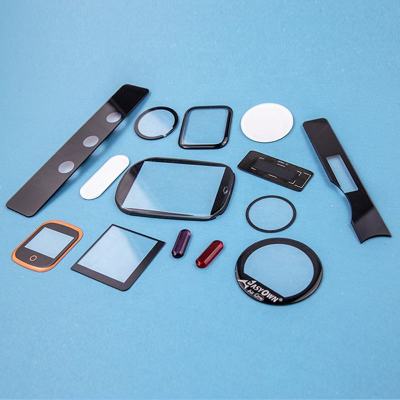
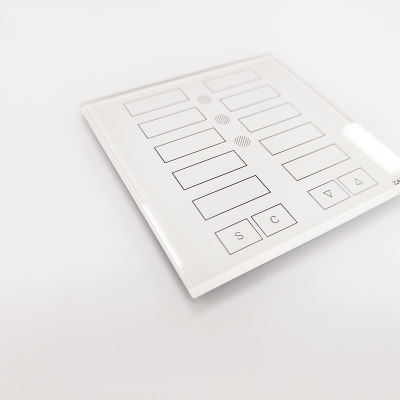
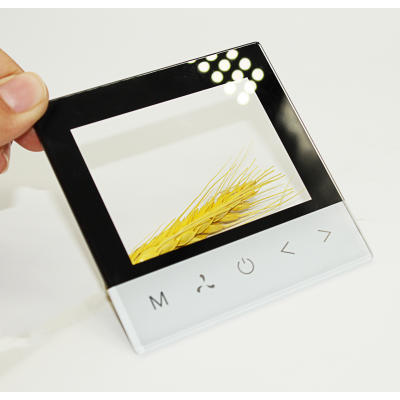
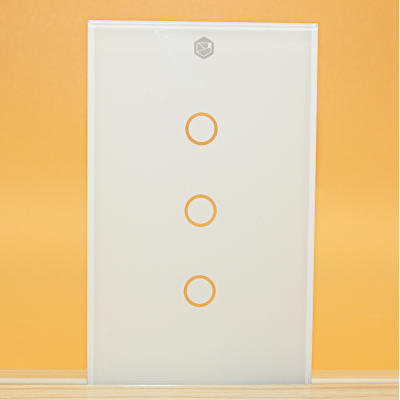
We supply Industrial Glass, Sapphire Optics, Optical Lenses/Prisms/Filters, Infrared IR Optics, Functional & Display Glass, N-BK7/H-K9L Optical Glass, supporting OEM mass production and laboratory custom prototypes. Flexible MOQ & free sample service available. Fill in the form to download full datasheets and get factory wholesale price within 24 hours.
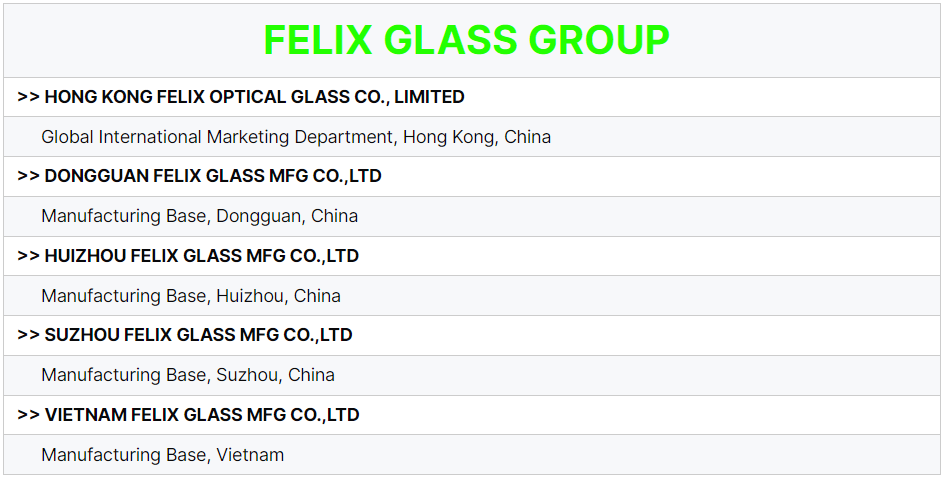
FELIX OPTICAL GLASS offers highly flexible MOQs to support customer projects, including prototype testing, small-batch trial orders, and high-volume production. All products can be fully customized to your drawings, tolerances, and application standards. Please send us your specifications, and we will reply within 1-5 hours and provide an accurate quotation after careful evaluation within 1-2 days.
Yes, our FELIX GLASS factory supports sample testing for a wide range of precision optical glass components and assemblies. The lead time for sample production is 3 to 7 working days. Please contact us today to arrange samples and obtain a customized solution that meets your needs.
A: The production cycle for standard samples is 3-10 working days, while mass production requires 15-35 working days, depending on the complexity of the product and the order quantity. We provide reliable precision optical glass components and fast delivery services for orders from industries such as defense, industrial equipment, medical devices, shipbuilding, robotics, automotive, and aerospace. Please submit your project details so we can provide you with an accurate delivery schedule.
All precision optical glass components from FELIX OPTICAL GLASS comply with ISO quality system standards as well as CE and RoHS requirements. We provide comprehensive test reports, spectral graphs, material certificates, and inspection documents for customer review. Please feel free to request complete certification details and a formal quotation at any time.
Yes. We offer a full range of precision optical glass component processing services, including CNC machining, precision grinding, optical polishing, chemical/physical tempering, vacuum coating (AR anti-reflective coating, AF anti-fingerprint coating, AG anti-glare coating, IR infrared coating), and screen printing. From raw materials to finished products, every step is completed in our own factory. Please tell us your needs, and we will provide you with the most cost-effective solution.