AR & BBAR Coating Selection for Sapphire Optical Components | Felix Glass Co., Limited
Jul 16,2026
AR & BBAR Coating Selection for Sapphire Optical Components | Felix Glass Co., Limited
Attention Opening (AIDA Start)
Sapphire windows, domes and sapphire blanks deliver outstanding mechanical and chemical durability, but bare uncoated sapphire generates obvious surface reflection loss across visible, near-infrared and mid-infrared wavebands. Uncontrolled reflectivity reduces light transmittance, introduces stray light interference and lowers detection accuracy for machine vision, high-pressure sight ports, LiDAR and sensing equipment.
Choosing the proper single-layer AR coating or broadband BBAR coating directly determines optical system performance. This selection guide breaks down coating types, applicable wavebands, working environments and matching sapphire components to help North American optical engineers make targeted coating specifications.
1. Basic Optical Principle: Reflection Loss of Uncoated Sapphire
Coating selection starts with the operating band, angle of incidence, polarization, and allowable reflectance.
Single-crystal sapphire has a refractive index around 1.76 at visible wavelengths. Depending on wavelength and crystal orientation, each air-sapphire interface generates approximately 7% surface reflection loss, leading to over 13% total light loss for double-sided bare sapphire optics.
Stray light side effects: image ghosting, sensor signal noise, reduced measurement resolution
Scenario limits: low-light detection, high-precision imaging, infrared monitoring equipment cannot tolerate uncoated sapphire substrates
Anti-reflective coatings are deposited on sapphire surfaces to offset refractive index gaps and cut surface reflectivity to acceptable ranges. Two mainstream industrial solutions are single-layer AR coating and multi-layer BBAR coating.
:Reflection Loss Comparison Between Bare Sapphire and AR Coated Sapphire
2. Definition & Performance of Sapphire Single-Layer AR Coating
Crystal orientation and optical axis geometry should be reviewed before polishing and coating.
Single-layer AR coating uses one uniform dielectric film layer matched to target wavebands.
Key Characteristics
Narrow effective spectrum: optimized for a single central wavelength (405nm, 650nm, 905nm, 1550nm mainstream options)
Typical reflectivity reduction: below 1.5% per surface at target wavelength
Cost advantage: shorter coating cycle, lower unit cost for mass orders
Thinner film structure: good adhesion on polished sapphire without stress cracking
Suitable Sapphire Components
Standard sapphire optical windows for fixed-wavelength laser equipment
Low-budget sight glass for general pressure vessel observation
Limitations
Poor anti-reflection effect outside the designated wavelength; transmittance drops sharply under mixed broadband light sources.
3. Definition & Performance of Sapphire BBAR Broadband Anti-Reflective Coating
The coating stack must be matched to temperature, humidity, chemical exposure, and cleaning method.
BBAR = Broadband Anti-Reflective Coating, constructed with alternating stacks of high/low refractive index dielectric films.
Key Characteristics
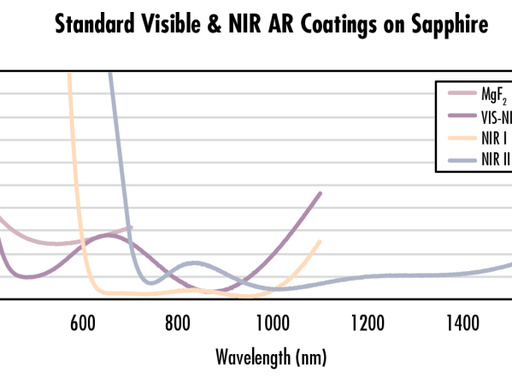
Wide continuous working spectrum: covers visible light (400–700nm), near-infrared (700–1700nm) or extended IR wavebands on demand
Stable low reflectivity: average reflectance can be reduced to ≤0.5% per surface within the designed wavelength range
Consistent high transmittance for multi-wavelength hybrid optical systems
Customizable environmental resistance: waterproof, acid-resistant high-density film layers available
BBAR coatings typically use multiple alternating dielectric layers, with layer numbers customized according to wavelength range, reflectivity target and environmental requirements.
Suitable Sapphire Components
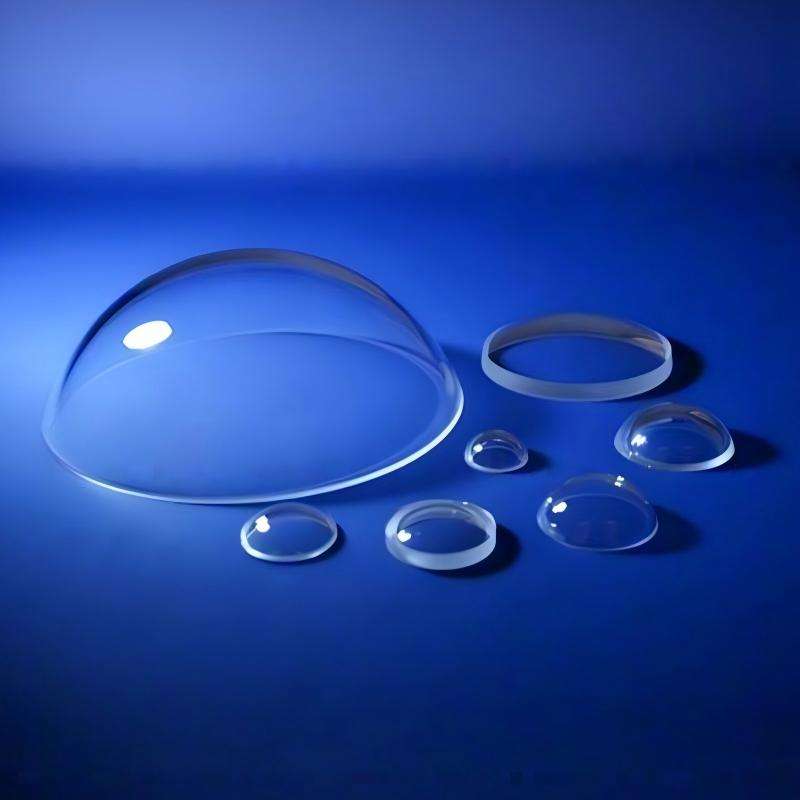
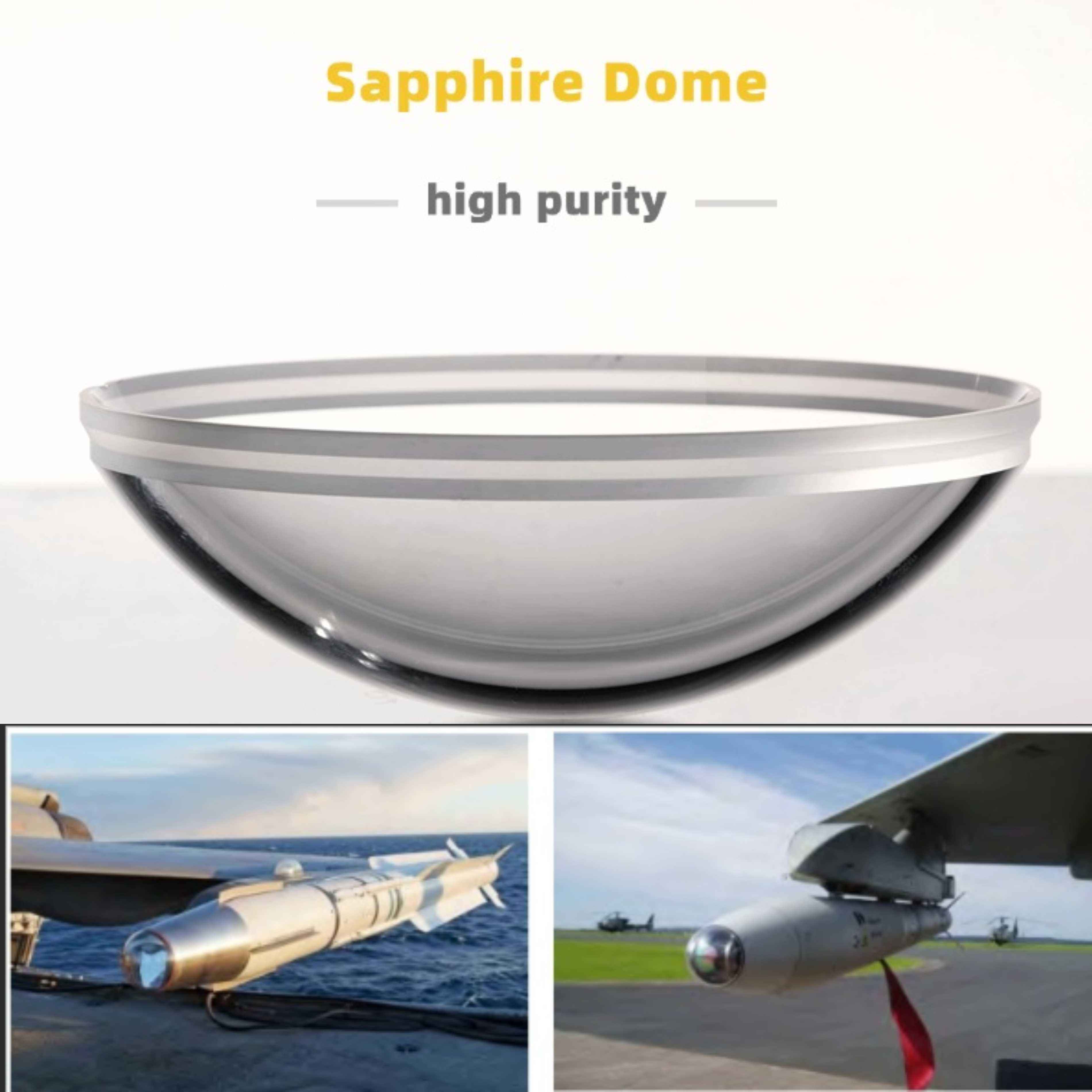
Sapphire domes for underwater detection and aerospace optical windows
High-precision sapphire sight glass for chemical reactor monitoring
LiDAR sapphire protective windows with dual visible/IR light channels
Laboratory multi-spectrum testing sapphire blanks
Medical sensing sapphire optical substrates
Limitations
Longer vacuum coating production time; higher processing cost compared to single-layer AR coating.
4. Core Comparison Table: Sapphire AR vs BBAR Coating
Comparison Item
Single-Layer AR Coating
Multi-Layer BBAR Coating
Effective Spectrum
Single narrow wavelength
Custom continuous broadband spectrum
Average Single-Surface Reflectivity
≤1.5% @ target single wavelength
≤0.5% within customized band range
Film Layer Quantity
1 dielectric layer
Custom multi-layer stack
Production Lead Time
Short vacuum deposition cycle
Longer multi-layer coating process
Unit Processing Cost
Lower for mass manufacturing
Higher performance processing cost
Primary Application
Single-wavelength laser, simple observation windows
Single-Layer AR Coating vs BBAR Multilayer Coating Structure
5. Waveband Customization Options for Sapphire Coatings
Surface quality, flatness, edge condition, and cleanliness affect coating uniformity and adhesion.
Technical Data Reference for Coating Specification
Design Item
Engineering Reference
RFQ Detail to State
Uncoated sapphire interface
Refractive index is approximately 1.76 in the visible; reflection is about 7% per air-sapphire surface.
Substrate orientation, surface count, wavelength, and angle of incidence.
Single-layer AR target
Common center wavelengths include 405, 650, 905, and 1550 nm; a typical design target in this guide is no more than 1.5% reflectance per surface at the specified wavelength.
Center wavelength, bandwidth, polarization, AOI range, and one- or two-side coating.
BBAR target
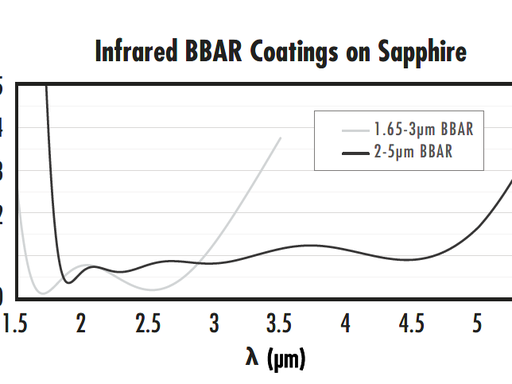
Example custom bands include 400-700 nm, 700-1700 nm, and 1.7-5 µm; a typical guide target is average reflectance no more than 0.5% per surface across the designed band.
Full spectral band, average and maximum reflectance limits, AOI, polarization, and environmental class.
Verification
Spectrophotometer transmission and reflection curves, supported by adhesion or environmental tests when required.
Sampling plan, acceptance limits, reporting format, and applicable test method.
These values are design references, not universal acceptance limits. Final performance depends on substrate orientation, surface quality, coating materials, polarization, angle of incidence, band width, and operating environment.
Felix Glass provides standardized and custom coating spectral ranges matched to common sapphire component usage:
6. Environmental Compatibility: Coating Resistance for Harsh Working Conditions
Sapphire substrates often operate in high pressure, high temperature, corrosive liquid or humid underwater environments. Coating film stability must match operating conditions:
Standard AR/BBAR coating: suitable for indoor dry lab, cleanroom, normal atmospheric pressure equipment
Enhanced dense BBAR coating: added high-density silicon oxide top layer, resistant to weak acid, alkaline mist and regular humidity
Marine-grade waterproof BBAR coating: for subsea sapphire domes, continuous underwater long-term deployment
Notes: Unenhanced thin single-layer AR coatings are not recommended for continuous contact with chemical solvents or high-humidity sealed chambers.
7. Matching Rules: Select Coating Based on Sapphire Component Type
Specify the complete working band rather than only a nominal center wavelength when broadband performance is required.
Sapphire Sight Glass (high-pressure vessel, single visual observation)
Recommended: Single-layer AR coating for cost control; select visible broadband BBAR if thermal imaging monitoring is integrated
Sapphire Optical Windows for LiDAR & Laser Sensors
Recommended: Wavelength-locked single-layer AR for single-wavelength lasers; BBAR coating for dual visible + IR composite systems
Sapphire Hemispherical Domes / Full Spherical Domes
Recommended: BBAR broadband coating; curved surface multi-layer film ensures uniform reflectivity reduction across the whole curved profile
Ultra-thin sapphire cover glass for miniature sensors
Recommended: Thin-film single-layer AR coating to avoid film stress deformation on thin substrates
Large-size sapphire blanks for laboratory multi-spectrum testing
Recommended: Custom broadband BBAR coating covering full required test wavebands
8. Critical Pre-Coating Machining Requirements for Sapphire
Coating performance relies on sapphire surface quality before deposition:
Coating only applies to optical polished surfaces; raw unpolished sapphire blanks cannot support uniform anti-reflective film layers
Surface flatness shall reach λ/4 or higher grade for high-precision BBAR coating applications
Edge chamfer treatment is required to prevent film layer peeling at sharp cutting edges
Subsurface scratches and particle contamination will cause coating spot defects; all sapphire substrates go through ultrasonic cleaning before vacuum coating
9. Frequently Asked Coating Selection Questions from US Buyers
Q1: Can BBAR coating replace single-layer AR for all sapphire optics?
Technically feasible, but BBAR carries higher processing cost. For equipment operating at a single fixed wavelength, single-layer AR meets optical requirements with lower procurement expense.
Q2: Will coating peel off on sapphire after long-term high-temperature operation?
Our coating films feature strong adhesion with sapphire crystal. Standard coatings withstand continuous working temperature up to 300°C; high-temperature enhanced BBAR coatings support stable operation under 600°C.
Q3: Is double-sided coating mandatory for sapphire windows?
For light transmission optical systems, double-sided AR/BBAR coating is advised to minimize total reflectance loss. One-sided coating is acceptable only for reflective optical structures.
Q4: Can you re-coat used sapphire components?
Re-coating service is available after professional stripping and re-polishing of old coating layers. New coating consistency cannot be guaranteed if substrates have permanent surface scratches.
Q5: Which coating details have the greatest effect on quotation and lead time?
The full wavelength band, reflectance acceptance criteria, angle of incidence, polarization state, coated surface count, environmental tests, quantity, and substrate geometry are the main cost and scheduling drivers. Supplying these items with the drawing reduces clarification cycles and helps the coating engineer propose an auditable design.
10. How to Submit Coating Specifications When Ordering Sapphire Components
When sending RFQ for custom sapphire optics, include these coating parameters to shorten quotation cycle:
Coating type request: single-layer AR or BBAR broadband
Operating environment: temperature range, pressure, exposure to chemicals or water
Single-sided or double-sided coating requirement
Our optical engineering team will provide transmittance test curve reports for all coated sapphire finished products before delivery.
11. AR & BBAR Coating Performance Verification
Verification should combine spectral measurements with environmental tests relevant to the installed assembly.
Optical coating performance should be verified through standardized professional measurement methods for industrial procurement audit:
11.1 Spectrophotometer Lab Testing
Core measurable indexes for coated sapphire substrates:
Full-band transmittance curve recording
Surface reflectance curve data
Performance verification at target design wavelengths
11.2 Environmental Reliability Aging Testing
Mandatory evaluation for harsh-environment optical parts:
Constant humidity & heat resistance cycling
Coating film grid adhesion test
High-low temperature thermal cycling test
Salt spray aging test for marine subsea sapphire optics
11.3 Official Coating Inspection Report
All batch shipments support formal inspection documentation including:
Batch quality certification for US industrial customers
Desire Reinforcement Block (AIDA Mid-Body)
Improper coating selection leads to reduced detection sensitivity, unstable imaging and unnecessary component replacement costs for industrial optical systems. Matching AR or BBAR coating to your sapphire component’s waveband and working environment optimizes light utilization efficiency and extends the service cycle of sapphire viewports.
Felix Glass integrates sapphire crystal polishing, CNC machining and in-house vacuum coating lines, enabling one-stop customization of coated sapphire optics without third-party outsourcing. All coating batches come with standardized optical testing data for US industrial quality audit compliance.
Engineering Specification Checklist
Before submitting RFQ for coated sapphire components, prepare complete technical specifications to accelerate quotation & sample delivery:
□ Sapphire material crystal grade
□ Sapphire crystal orientation parameter
□ Component dimension / diameter tolerance
□ Surface polish quality grade
□ Surface flatness tolerance standard
□ Target working wavelength band
□ Coating type: Single-layer AR / Custom BBAR
□ Single-sided or double-sided coating demand
□ Long-term operating temperature range
□ Working pressure & corrosive media exposure
AIDA Closing CTA
Prepare an Engineering Review Package
Send the component drawing, substrate orientation, spectral band, AOI and polarization range, reflectance target, coated-side requirement, operating environment, quantity, and requested inspection records. Send Inquiry for a coating feasibility review and quotation basis.
If you need support selecting AR or BBAR coating for your sapphire optical components, share your wavelength parameters, equipment operating conditions and component drawings via our inquiry form. Our optical engineers will recommend cost-effective coating solutions and provide transmittance performance datasheets within 24 hours. Sample coated sapphire blanks are available for spectrum testing verification.
Internal Cross Links (7 Valid URLs)
Sapphire Optical Windows Series
Sapphire Domes & Hemispherical Lenses
Sapphire Material Technical Properties Guide
In-House Optical Coating Processing Service
High Pressure Resistant Sapphire Sight Glass
Optical Transmittance Testing Standards
Consult Our Optical Engineering Team
Footer Blog Brand Statement
Felix Glass Co., Limited specializes in custom single-crystal sapphire optics, BK7 glass, fused silica and infrared optical components with professional AR, BBAR, high-reflection coating services. All products support OEM drawing customization, small prototype sample orders and bulk industrial supply for North American aerospace, sensing, chemical and laboratory markets.
Embedded Long-Tail SEO Keywords
broadband anti-reflective coating sapphire, sapphire vacuum coating, sapphire optical coating custom, LiDAR sapphire BBAR coating, high temperature sapphire AR coating, coated sapphire sight glass, anti-reflection film for single crystal sapphire, sapphire coating test, optical coating inspection, AR coating performance testing
What is the minimum order quantity for custom precision optical glass components?
FELIX OPTICAL GLASS offers highly flexible MOQs to support customer projects, including prototype testing, small-batch trial orders, and high-volume production. All products can be fully customized to your drawings, tolerances, and application standards. Please send us your specifications, and we will reply within 1-5 hours and provide an accurate quotation after careful evaluation within 1-2 days.
Can I get free glass samples for testing before bulk order?
Yes, our FELIX GLASS factory supports sample testing for a wide range of precision optical glass components and assemblies. The lead time for sample production is 3 to 7 working days. Please contact us today to arrange samples and obtain a customized solution that meets your needs.
What is the production lead time for custom optical glass components?
A: The production cycle for standard samples is 3-10 working days, while mass production requires 15-35 working days, depending on the complexity of the product and the order quantity. We provide reliable precision optical glass components and fast delivery services for orders from industries such as defense, industrial equipment, medical devices, shipbuilding, robotics, automotive, and aerospace. Please submit your project details so we can provide you with an accurate delivery schedule.
Are your optical glass products ISO, CE and RoHS certified?
All precision optical glass components from FELIX OPTICAL GLASS comply with ISO quality system standards as well as CE and RoHS requirements. We provide comprehensive test reports, spectral graphs, material certificates, and inspection documents for customer review. Please feel free to request complete certification details and a formal quotation at any time.
Do you offer one-stop custom optical glass processing services?
Yes. We offer a full range of precision optical glass component processing services, including CNC machining, precision grinding, optical polishing, chemical/physical tempering, vacuum coating (AR anti-reflective coating, AF anti-fingerprint coating, AG anti-glare coating, IR infrared coating), and screen printing. From raw materials to finished products, every step is completed in our own factory. Please tell us your needs, and we will provide you with the most cost-effective solution.
CONTACT US NOW FOR A QUOTE
We will respond promptly within 1 to 5 hours and provide an optimal, formal quotation within 1 to 2 days. Partnering with us is the smartest choice—start a mutually beneficial partnership today!
*Email
Name
*Title
*Content
Upload
Only supports .rar/.zip/.jpg/.png/.gif/.doc/.xls/.pdf, maximum 20MB.
Selecting the right substrate impacts DMS camera lifespan & image quality. This guide compares aluminosilicate and borosilicate glass. Felix Glass provides both substrates with printing and coating.
Felix Glass mass-produced custom DMS cover glass for a European NEV Tier1. Aluminosilicate glass with black shading & AR+AF coating, fully automotive-qualified. 3-week sampling. Get your in-cabin camera glass quote.