Medical Sensor Optical Window System
Optical Subsystem Design For Medical Diagnostic Equipment
Medical Sensor Optical Window System
Felix Glass delivers fully custom medical sensor optical window systems built on biocompatible single-crystal sapphire. The complete solution covers blank selection, precision machining, edge profiling, optical polishing, functional coatings, and drawing-based custom geometry for in-vitro diagnostic analyzers, patient monitoring sensors, clinical imaging modules and point-of-care testing hardware.
- Sapphire window optimized for UV-Vis to mid-infrared transmission
- AR, AF and combined AR+AF coating for medical optical sensors
- Disinfection-resistant stack validated for repeated wipe cycles
- Material documentation support for medical device ISO 10993 qualification
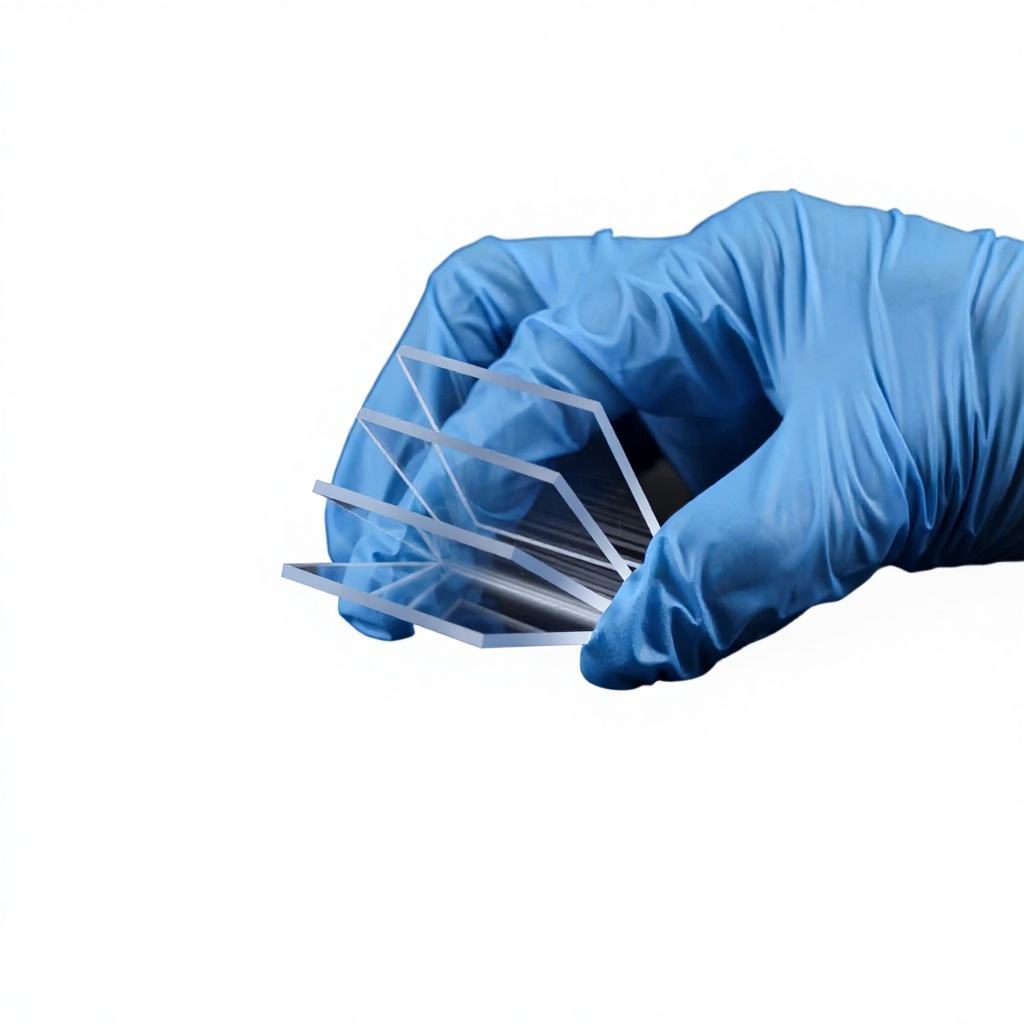
Core Advantages of Sapphire Medical Sensor Window System
Biologically Inert Substrate
Single crystal sapphire provides nonporous, chemically stable surface. It tolerates common medical disinfectants including alcohol and quaternary ammonium-based cleaners for daily equipment decontamination.
Ultra-Wide Optical Transmission
Stable transmittance from deep UV through visible spectrum to mid-infrared range. Compatible with absorbance, fluorescence and near-infrared sensing principles in clinical analytical instruments.
Long-Term Scratch Resistance
Mohs 9 hardness avoids permanent scratches during cleaning and routine operation. Consistent optical performance extends the service life of precision medical optical sensors.
System design reminder: Window performance depends on the full optical stack including substrate, coating, adhesive and housing sealing. Full assembly validation is required for final medical device approval.
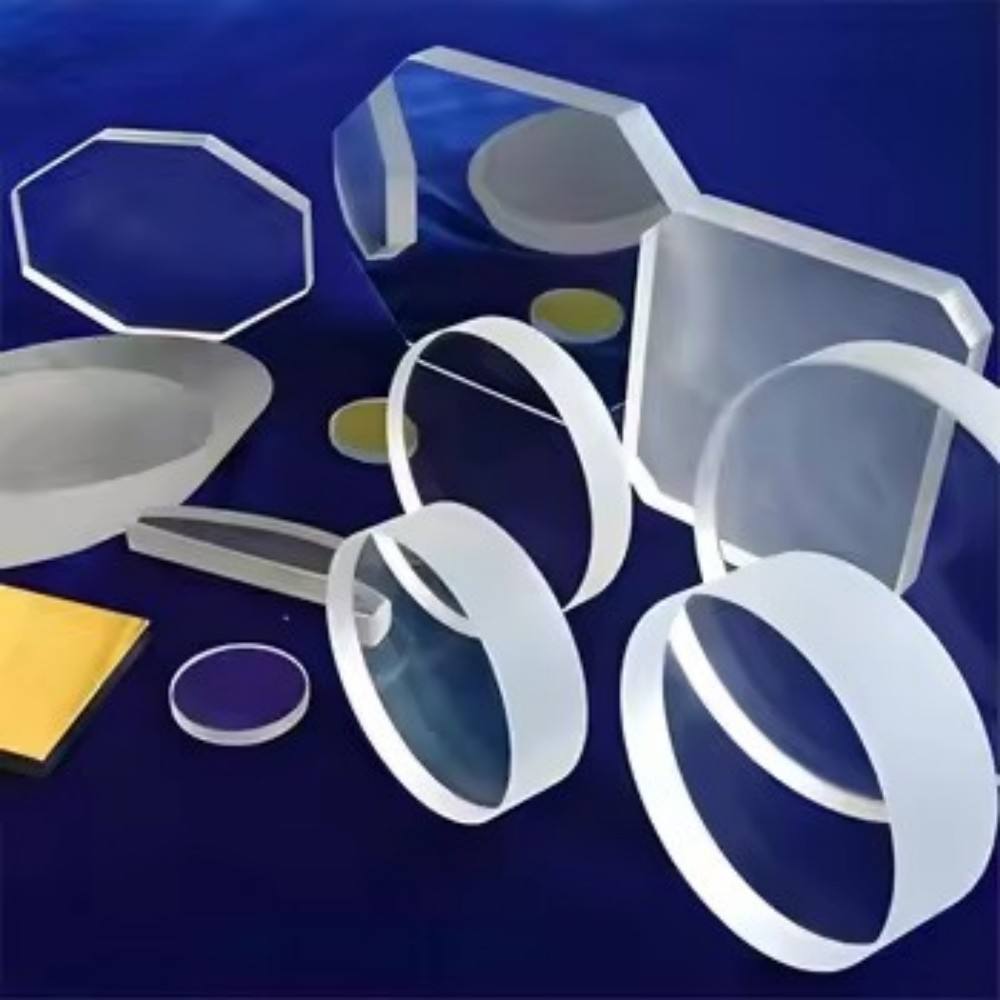
Typical Composition of Medical Optical Window Subsystem
Felix Glass supports OEMs to define each layer of the optical window system according to sensing requirements. Every parameter can be locked on engineering drawings for consistent mass production.
- Sapphire Base Blank: Confirm crystal orientation, thickness, outer contour and aperture layout.
- Edge Geometry: Specify chamfer, rounded edge or safety profiling to prevent chipping during assembly.
- Optical Surface: Define scratch-dig grade, flatness, parallelism and polishing specification.
- Functional Coating: Select anti-reflection, anti-fingerprint or combined coating stacks with defined durability targets.
We can provide DFM feedback to eliminate manufacturability risks at the early sensor design phase.
Coating Solutions For Medical Sensor Optical Windows
Broadband AR Anti-Reflection Coating
Minimize surface reflection to maximize signal collection efficiency for optical sensors. Wavelength range, reflectance threshold and colour neutrality can be customized for target detection spectrum.
AR+AF Composite Coating Stack
Combines high light transmittance with stain-resistant surface. Suitable for touch-accessible sensor interfaces requiring frequent manual cleaning in laboratory environments.
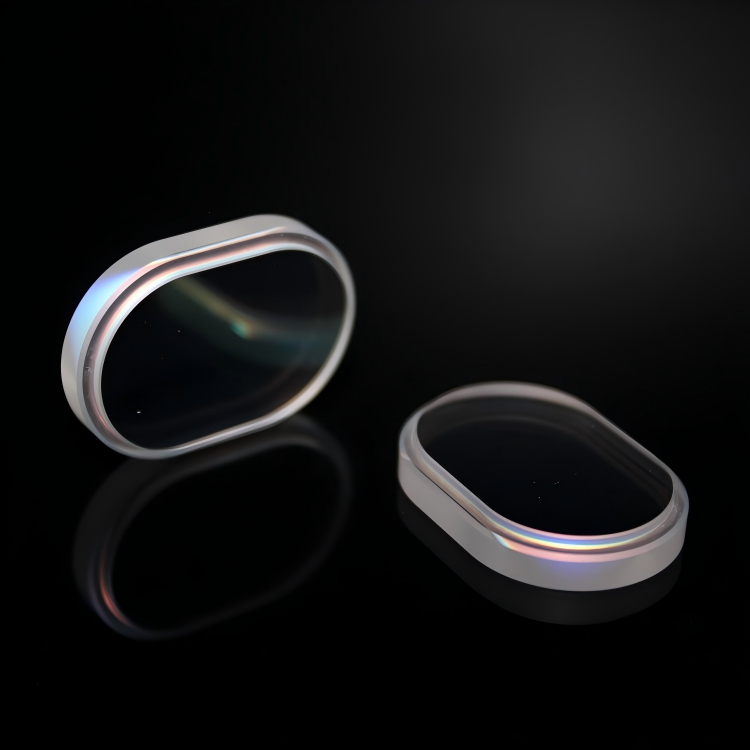
Cleanroom Production Workflow For Medical-Grade Optical Windows
Drawing & DFM Evaluation
Confirm optical requirements, geometry tolerances, coating zones and cosmetic acceptance criteria.
Blank Cutting & Orientation
Cut sapphire raw boule according to required crystal plane and complete stress relief treatment.
CNC Precision Machining
Grind outer profile, holes, cutouts and safety edge profiles as per approved drawing.
Optical Polishing & Inspection
Multi-stage polishing, dimensional, flatness and surface quality testing before coating.
Vacuum Coating & Clean Packaging
Apply specified coatings, full optical inspection, cleanroom vacuum packaging for prototype and mass shipment.
Disinfection Durability Validation Framework
Coating lifespan evaluation must replicate the exact cleaning workflow used in clinical sites. Felix Glass supports custom durability testing based on OEM medical equipment operation specifications.
| Test Parameter | Definition Reference |
|---|---|
| Disinfectant Type | Isopropyl alcohol, hospital-grade disinfectant, concentration and exposure duration |
| Cycle Standard | Defined wipe pressure, stroke speed, interval and maximum target cycle quantity |
| Post-Test Inspection | Visual defects, coating adhesion, contact angle, transmittance and haze measurement |
| Acceptance Criteria | All optical indicators remain within sensor working specification after cycling |
Test results are only valid when protocols match the real clinical environment of your medical device.
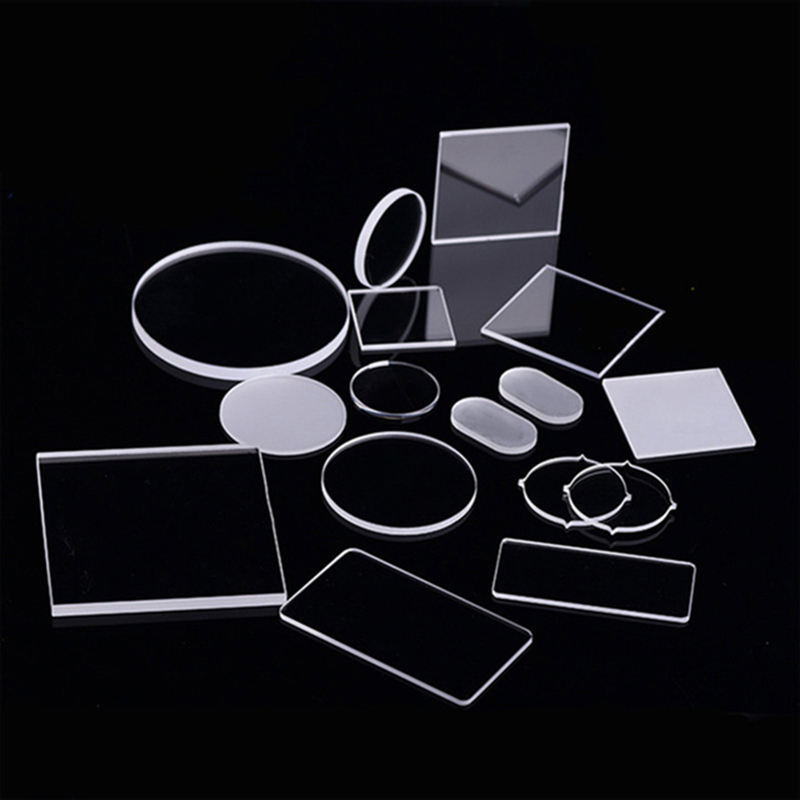
Custom Geometry & Structural Options
Outline & Apertures
Rectangular, circular, irregular contours, radiused corners, through holes, sensor cutouts and stepped windows.
Thickness Range
0.4 mm up to 6 mm standard; ultra-thin and heavy thick sapphire blanks available upon special request.
Masked Functional Zones
Partial coating, non-optic sealing zones, decorative printing and light-shield boundary design.
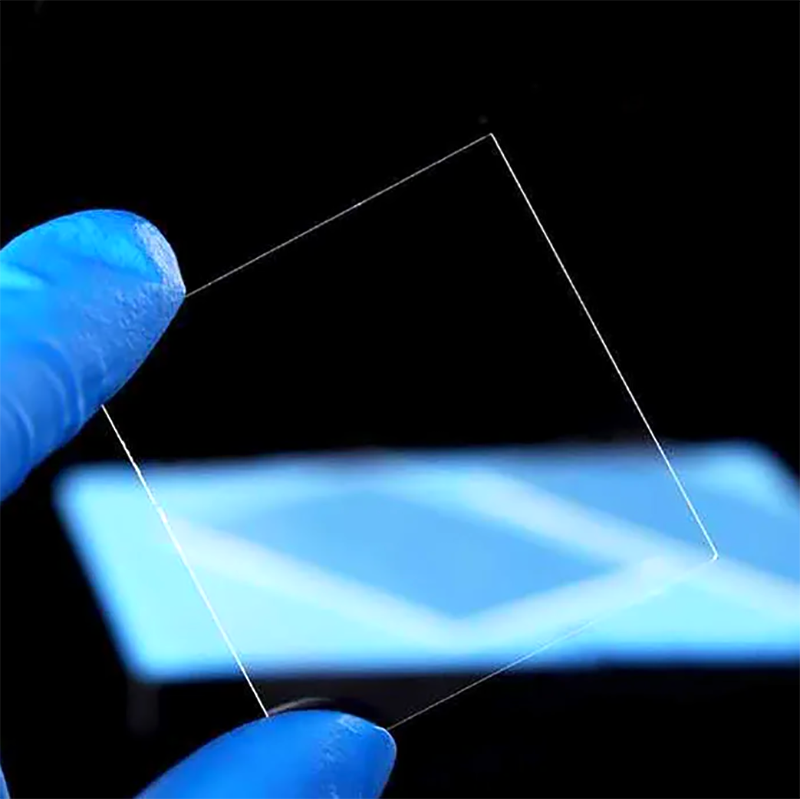
Target Medical Sensor Application Scenarios
In-Vitro Diagnostic Analyzers
Optical windows for biochemical, immunoassay and hematology testing sensor modules inside lab equipment.
Patient Monitoring Equipment
Non-invasive optical sensing interfaces exposed to frequent cleaning in wards and emergency rooms.
Point-of-Care Testing Devices
Compact optical sensor protective windows for portable clinical diagnostic instruments.
Clinical Imaging Modules
Light transmission windows for miniature optical imaging and detection subsystems.
Material Documentation Support For Medical OEMs
Felix Glass can compile a complete technical document package aligned with your medical device material qualification plan. All records are generated based on approved drawings and production batches.
Sapphire Material Certificates
Raw boule source specification, material property datasheets and crystal orientation inspection records.
Incoming Batch Inspection Reports
Dimensional measurement, surface quality, optical transmittance and coating test data per batch.
Traceability Documents
Lot tracking information, drawing revision control and sample approval records for design history files.
Sapphire material documentation supports your ISO 10993 biological evaluation. The finished medical device manufacturer holds full responsibility for final regulatory submission.
Project Timeline For Medical Sensor Optical Window Orders
Request Technical Datasheet
Contact our optical engineer to obtain sapphire optical property datasheet and coating performance reference data for your sensor design review.
Medical Sensor Optical Window Technical FAQ
Why select sapphire instead of fused silica for medical sensor windows?
Sapphire delivers superior abrasion resistance and chemical stability against repeated disinfection. Fused silica works for low-wear indoor systems, while sapphire suits clinical equipment requiring long service life and frequent wiping cycles.
Can AR coating survive hospital daily disinfection cycles?
Coating durability depends on coating stack design. We define target wipe cycles and test protocol before sampling to avoid coating degradation during clinical use.
Is crystal orientation important for medical optical sensor windows?
For polarisation-sensitive optical detection systems, C-plane sapphire is recommended to minimise birefringence. Non-polarised sensors have more flexible orientation options.
Can partial/masked coating be realised on custom sapphire windows?
Yes. Masked coating technology enables separate optical and sealing zones on one single sapphire component per your drawing requirement.
What drawing information should be provided for quotation?
Include dimension tolerances, edge profile, clear aperture, coating zones, surface quality grade, target spectrum and expected annual order volume.
Send Your Medical Sensor Optical Drawing For Custom Quotation
Share 2D/3D engineering drawings, sensor working wavelength, cleaning requirements, prototype quantity and estimated annual demand. Our optical engineering team will complete DFM assessment and formal quotation rapidly.
Optical Project Contact: james@felixglass.com
Get Quote For Medical Sensor Optical Window System