Sapphire optical glass engineering guide
Engineering Reference For Optical System Designers
Sapphire Optical Glass Engineering Guide
Felix Glass compiles this practical engineering handbook for OEM optical engineers, covering single-crystal sapphire material selection, crystal orientation, mechanical specification, polishing grades, vacuum coating options, drawing standards and manufacturability review. This guide supports your optical window, touch cover, sensor port and high-performance optical component design across medical, aerospace, industrial and laser equipment.
- C-plane / A-plane crystal orientation selection guidance
- Standard tolerances, surface quality & polishing specification matrix
- AR, AF, DLC, broadband coating design reference
- Complete drawing checklist for RFQ & DFM review
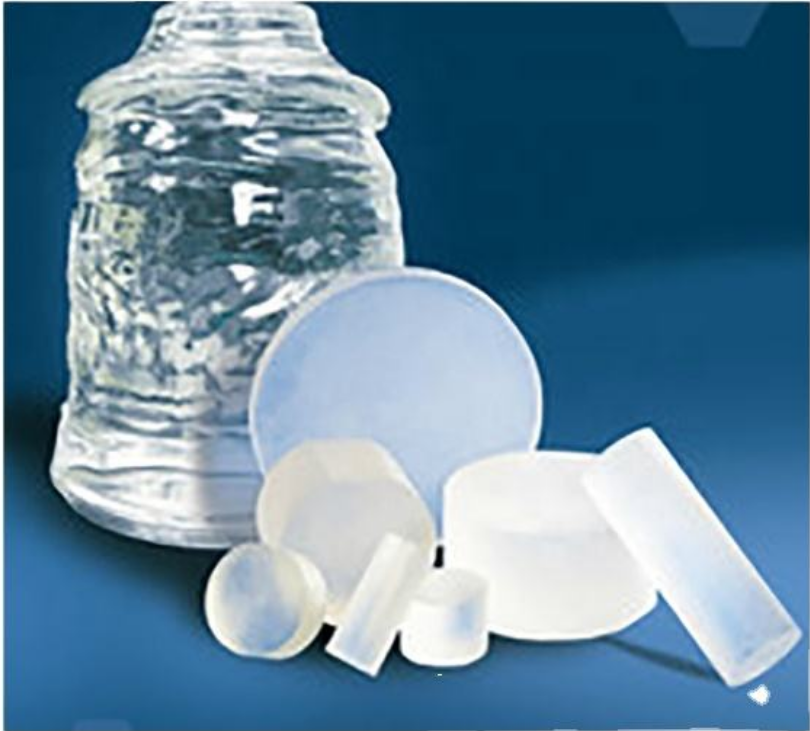
Fundamental Material Properties of Single-Crystal Sapphire
Mechanical Performance
Mohs hardness 9, second only to diamond. High compressive strength, excellent abrasion resistance for frequently cleaned touch interfaces and rugged sensor viewports.
Optical Transmission
Continuous transmission from deep UV ~170 nm through visible spectrum to mid-infrared 5.5 μm. Suitable for imaging, thermal detection and laser transmission systems.
Chemical & Thermal Stability
Nearly inert against most acids, alkalis and disinfectants. Stable up to 1500°C under normal atmosphere, compatible with repeated sterilisation cycles for medical devices.
Design reminder: Sapphire is anisotropic. Crystal cut plane directly affects birefringence, optical uniformity and mechanical strength for precision optical systems.
Crystal Orientation Selection Guide
Choosing the correct sapphire crystal plane is one of the most critical early-stage design decisions. Felix Glass provides orientation marking and inspection records upon request.
- C-plane (0001): Preferred for optical windows, touch covers; minimum birefringence, balanced mechanical property.
- A-plane (11-20): Selected for applications requiring specific thermal expansion direction or waveguide structure.
- R-plane (01-12): Applied for special structural components and selected laser optical assemblies.
- DFM confirmation: Clearly mark required orientation on engineering drawings before blank cutting.
For polarisation-sensitive optical systems, specify birefringence control targets to lock crystal axis during pre-production sampling.
Machining, Tolerance & Surface Polishing Specification
Dimensional & Geometric Tolerance
Standard thickness tolerance ±0.03 mm; precision grade ±0.005 mm. Support radiused corners, cutouts, through holes, stepped edges, chamfer and free-form contour machining.
Optical Surface Quality
Commercial grade: 60/40 scratch-dig. Precision optical grade: 40/20, 20/10. Flatness from λ/2 down to λ/10 @632.8nm upon project demand.
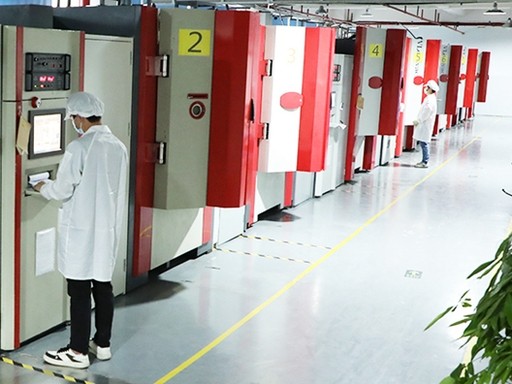
Standard Cleanroom Sapphire Production Workflow
Drawing & DFM Review
Confirm crystal orientation, tolerances, edge geometry, cosmetic zones and coating requirements.
Blank Cutting & Orientation
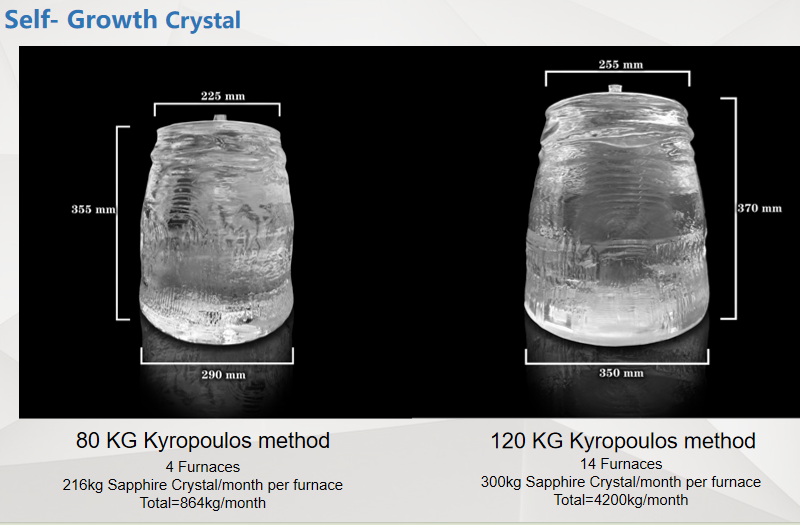
Cut sapphire boule according to specified crystal plane, initial stress relief annealing.
CNC Grinding & Shaping
Diamond grinding to achieve near-net shape, edge profiling and hole machining.
Multi-Stage Optical Polishing
Rough polishing → fine polishing → final optical surface finishing, flatness inspection.
Coating, Inspection & Packing
Vacuum coating, full optical & cosmetic inspection, clean-room vacuum packaging.
Available Optical Coating Options For Sapphire
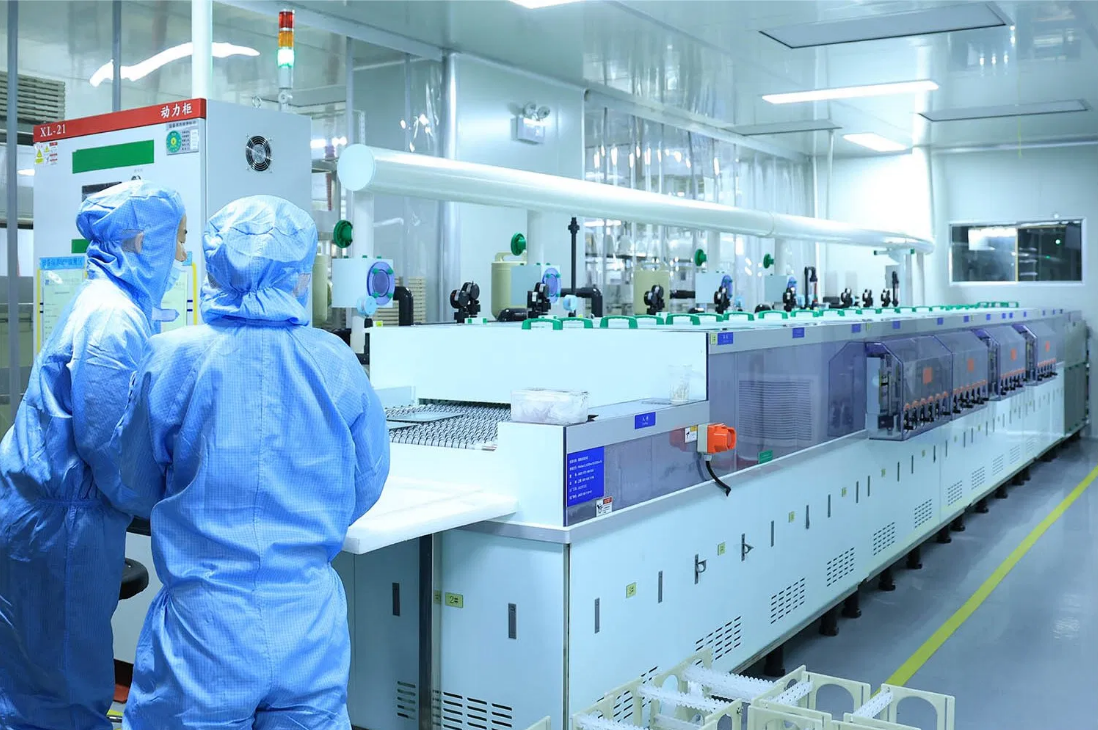
Coating selection depends on operating wavelength, reflection requirement, cleaning cycles and environmental exposure. Felix Glass supports masked coating zones on custom sapphire components.
| Coating Type | Typical Application |
|---|---|
| Single-Layer AF Anti-Fingerprint | Medical touch panels, easy surface cleaning, anti-smudge performance |
| Broadband AR Anti-Reflection | Visible / near IR imaging systems, maximise light transmission |
| AR+AF Composite Stack | Medical diagnostic HMIs, combines low reflection & stain resistance |
| DLC Diamond-Like Carbon | High-abrasion environments, corrosion and particle erosion protection |
All coating durability targets must be agreed with defined wipe protocol before sampling and validation.
Target Application Fields For Sapphire Optics
Medical Diagnostic Equipment
Biocompatible touch covers, sensor windows resistant to repeated disinfectant wiping.
Aerospace & Defence Optics
IR sensor viewports, airborne camera protective windows under wide temperature range.
Industrial High-Temp Viewports
Furnace monitoring windows, plasma chamber optical ports, corrosive process observation.
Laser & Precision Metrology
High laser damage threshold optical windows for industrial laser and inspection systems.
Required Content On Sapphire RFQ Engineering Drawing
Geometry & Datum
Outer contour, hole locations, radii, thickness, datum reference scheme and all tolerances.
Sapphire Material Rules
Crystal orientation requirement, blank grade, annealing specification if required.
Optical & Surface Rules
Scratch-dig grade, flatness, parallelism, coating type, coating masked zones.
Engineering Support Service
Felix Glass engineers provide free DFM review for your sapphire optical drawing. We point out manufacturability risks and propose optimised tolerance suggestions before quotation.
Sapphire Optical Engineering FAQ
What is the difference between sapphire and fused silica optical window?
Sapphire delivers far higher hardness, thermal conductivity and mid-infrared transmission, suitable for harsh environment. Fused silica is more cost-effective for benign UV-visible systems with low abrasion risk.
Does every optical system require C-plane sapphire?
No. C-plane minimises birefringence for most imaging systems. Polarisation-insensitive structural windows can select alternative crystal planes based on cost and availability.
Can sapphire components survive autoclave sterilisation?
The sapphire substrate itself withstands autoclave cycles. The final reliability depends on coatings, printing and adhesive stack; full stack validation is recommended for medical devices.
What surface roughness standard can Felix Glass achieve?
Commercial polishing Ra <10 nm; precision optical polishing Ra <1 nm for high-performance optical assemblies.
Is custom shaped sapphire available for low prototype quantities?
Yes. Felix Glass accepts small-batch prototype orders for engineering verification before mass production release.
Request DFM Review & Custom Sapphire Quotation
Share your optical specification, engineering drawing, working environment parameters, target coating performance, prototype quantity and estimated annual volume. Our optical engineering team will complete manufacturability assessment and formal quotation within 2 working days.
Optical Engineering Contact: james@felixglass.com
Send Drawing For Sapphire Optical Quotation