Wrong Material for the Band
A material name alone does not define usable transmission. Grade, thickness, wavelength and coating must be evaluated together.
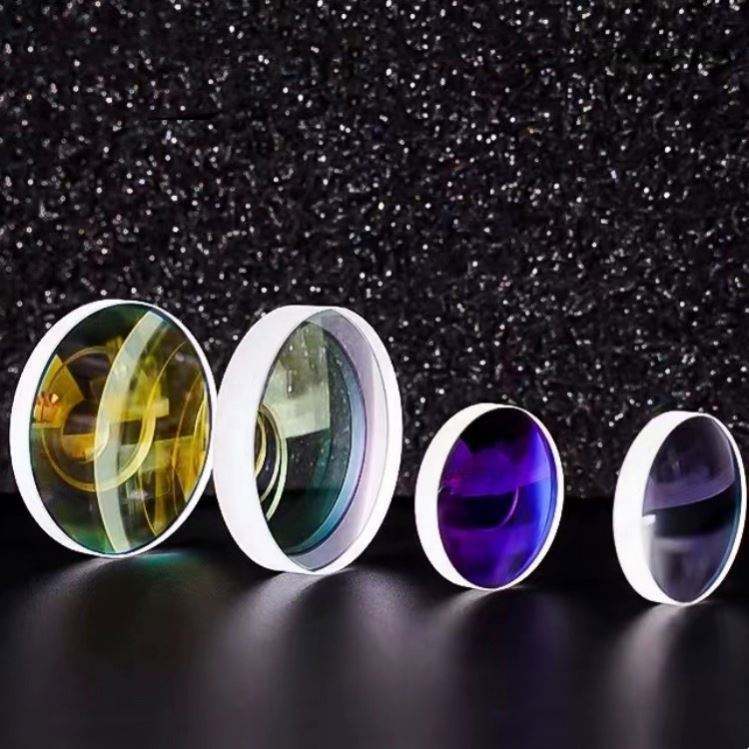
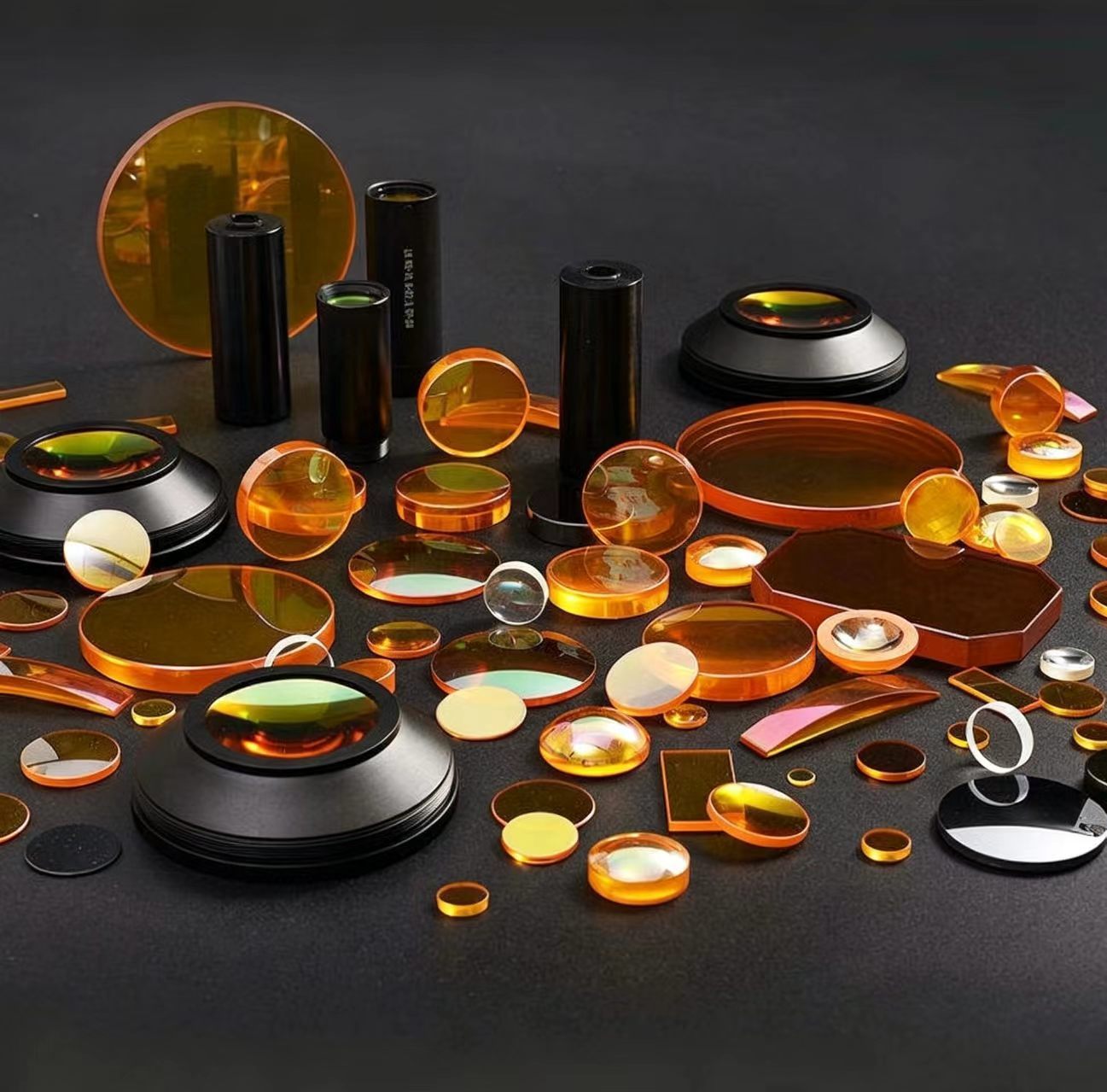
Precision flat optical windows manufactured to your material, wavelength, dimensions, surface quality, flatness, parallelism, coating and environmental requirements. From visible and laser-grade glass to infrared crystals and transparent ceramics, Felix Glass supports prototype review through repeat production. Resolve material, drawing and coating questions before they become production problems. A material name alone does not define usable transmission. Grade, thickness, wavelength and coating must be evaluated together. Flatness, parallelism, edge geometry, clear aperture and thickness can interact with manufacturability. Substrate, wavelength band, incidence angle, polarization, environment and target performance must be defined. Acceptance criteria must be measurable and repeatable before pilot and production quantities. Match the substrate grade and thickness to the operating spectral band, temperature and environment. Confirm size, thickness, clear aperture, flatness, parallelism, surface quality, edges and mounting features. Define coated surface, spectral range, incidence angle, target transmission or reflection and durability needs. Align dimensional, cosmetic, optical and spectral checks with approved requirements. Every quotation is built around the complete optical and mechanical requirement. Glass, crystal, IR material or transparent ceramic selected by use case. Diameter, length, width, thickness, aperture, steps, holes and edge details. Surface quality, flatness, parallelism, wedge and surface finish. AR, BBAR, dual-band, protective or application-specific thin films. Dimensional, visual, optical and applicable spectral verification. Typical spectral descriptions are material-level references, not guaranteed finished-part transmission. High hardness; exposed sensor, laser and protective windows. CO₂ laser, thermal imaging and broadband IR windows. Rugged IR and multispectral protective windows. Thermal imaging windows; temperature and export review required. Compact IR systems; grade, doping and wavelength must be defined. Imaging, sensor and instrument windows with optional AR coating. UV optics, laser windows and thermally stable optical systems. Protective windows, lighting, instruments and industrial viewing ports. UV-to-IR spectroscopy, imaging and laser window applications. Deep-UV, UV and broadband optical window applications. Specialty IR / photonics projects subject to blank availability review. Thermal imaging and molded or machined infrared optics. Rugged transparent armor and protective sensor windows. Durable multispectral windows and harsh-environment protection. Protective and high-temperature viewing applications; feasibility review required. All final values are drawing-defined and confirmed in the quotation or approved specification. Custom processing route selected for the specific optical material and drawing. A controlled route for engineering, procurement and quality approval. Drawing, wavelength, material and quantity. Feasibility, exceptions and inspection plan. Sample manufacture and customer evaluation. Manufacture to approved requirements. Final inspection, protection and logistics. MOQ: project-specific by material, size, coating and process. Typical route; sequence may vary by material, geometry, coating and final tolerance. Blank preparation, profile, holes, steps and edge geometry. Controlled shaping and thickness preparation. Surface finishing to the approved optical requirement. Application-specific thin film after substrate preparation. Dimensional, cosmetic, optical and applicable spectral verification. Yes. PDF, STEP, DWG, DXF and dimensioned sketches can be reviewed. Final feasibility and tolerances are confirmed before production. Provide the operating wavelength, environment, size, thickness, optical performance and mechanical requirements. Engineering can review suitable candidate materials. Round, square, rectangular, ring, stepped, drilled and custom-profile windows can be evaluated according to the material and drawing. Requirements such as 80-50, 60-40, 40-20 or tighter scratch-dig, plus drawing-defined flatness, are reviewed by material, aperture, size and thickness. Yes. Single-band, dual-band, broadband AR and selected protective coatings can be evaluated for the substrate, wavelength, incidence angle and environment. Yes. ZnSe, ZnS, Ge, Si, CaF₂, chalcogenide and other reviewed IR materials can be considered. Export-control and end-use screening may apply. Prototype and engineering quantities can be reviewed before pilot or volume production. MOQ depends on material, tooling, coating and geometry. Send material or wavelength, dimensions, tolerances, surface quality, flatness, parallelism, coating, quantity, application and drawing if available. Lead time is quoted after material availability, geometry, polishing, coating, inspection and quantity are confirmed. Applicable transmittance or reflectance verification can be defined in the inspection plan according to wavelength range, coating and available measurement method. No finalized drawing is required to start. Send your wavelength, material preference, dimensions, surface requirements, coating, application, quantity or reference sample.
Drawing-Based ManufacturingUV · VIS · NIR · IRCustom Coating
Custom Optical Window Manufacturer
RFQ Parameters
Material15 families
GeometryCustom
CoatingBy wavelength
Common Optical Window Procurement Risks
Wrong Material for the Band
Drawing Requirements Conflict
Coating Is Under-Specified
Prototype Cannot Scale
One Engineering Route from Requirement to Finished Window
Material & Wavelength Review
Drawing & Tolerance Review
Coating Configuration
Inspection Plan
Five-Part Optical Window Architecture
01 Material
02 Geometry
03 Optical Surface
04 Coating
05 Validation
Optical Window Material Selection
Sapphire (Al₂O₃)
UV / VIS / NIR to mid-IR, grade dependent
Zinc Selenide (ZnSe)
Broad visible-to-IR capability, grade dependent
Zinc Sulfide (ZnS)
IR; multispectral grades extend into visible
Germanium (Ge)
Commonly specified for MWIR / LWIR
Silicon (Si)
Commonly specified for NIR / MWIR
BK7 / H-K9L Optical Glass
Visible and near-IR applications
Fused Silica (Quartz)
Deep-UV / UV / VIS / NIR, grade dependent
Borosilicate Glass
Visible-light industrial applications
Calcium Fluoride (CaF₂)
Approx. 0.13-10 μm by optical grade
Magnesium Fluoride (MgF₂)
Approx. 0.12-7 μm by grade
Zirconium Fluoride (ZrF₄) Glass
Fluoride-glass composition; grade specific
Chalcogenide Glass
SWIR / MWIR / LWIR, composition dependent
ALON Transparent Ceramic
Visible-to-IR, grade and thickness dependent
Spinel (MgAl₂O₄)
Visible-to-IR, grade and thickness dependent
Transparent Alumina Ceramic
Grade-specific optical transmission
Engineering note: actual transmission depends on grade, purity, thickness, surface finish, coating, temperature and incidence angle. Germanium and certain IR materials or end uses may require export-control, sanctions and end-user compliance review.
Custom Optical Window Specifications
Parameter
Custom Capability
Material
Sapphire, optical glass, fused silica, borosilicate, IR crystals, fluoride materials, chalcogenide glass and transparent ceramics subject to grade availability
Shape
Round / Square / Rectangle / Ring / Stepped / Drilled / Custom profile
Size & Thickness
Custom; feasibility depends on material blank, aspect ratio, polishing and tolerance
Dimensional Tolerance
Drawing-defined; confirmed after engineering review
Surface Quality
Commercial to optical grades, including common scratch-dig requirements; confirmed by material and application
Surface Flatness
Drawing-defined over the specified clear aperture
Parallelism / Wedge
Drawing-defined according to optical path and assembly requirements
Clear Aperture
Custom; specify functional optical area and edge exclusion
Edges
Fine ground / Polished / Chamfered / Beveled / Protected edge
Coating
Single-band AR / Broadband AR / Dual-band / Protective / Application-specific
Inspection
Dimensions, visual surface, flatness, parallelism and applicable spectral checks
Quantity
Prototype, pilot and production quantities reviewed by configuration
Optical Window Applications
◎
Camera & Machine Vision
Protective windows for imaging systems and industrial cameras.⌁
LiDAR & Optical Sensors
Transmission windows for ranging, sensing and autonomous platforms.◫
Thermal & EO/IR Imaging
IR material windows matched to SWIR, MWIR or LWIR requirements.✦
Laser Systems
Substrate and coating configurations defined by wavelength and power conditions.◉
Scientific & Analytical Instruments
UV, visible and IR windows for spectroscopy, metrology and research equipment.◇
Harsh-Environment Protection
Rugged windows for aerospace, marine, outdoor and industrial systems.

Manufacturing & Capabilities
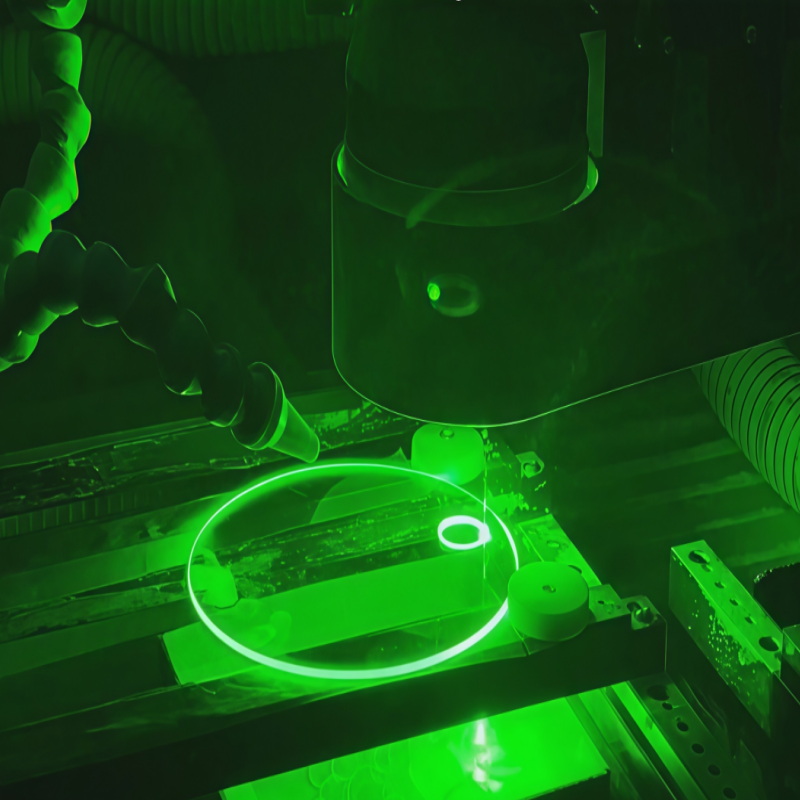
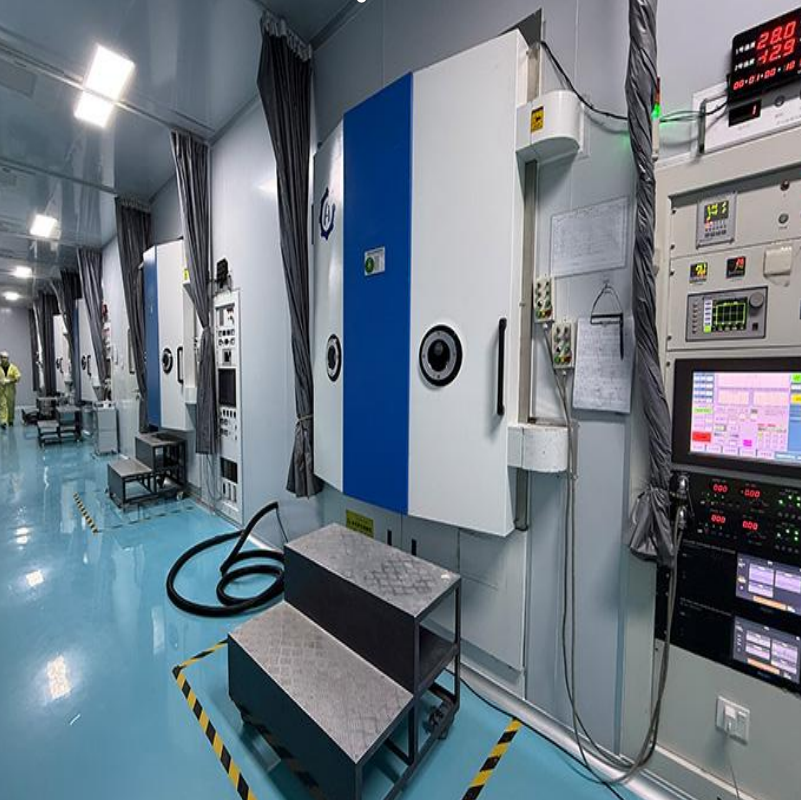
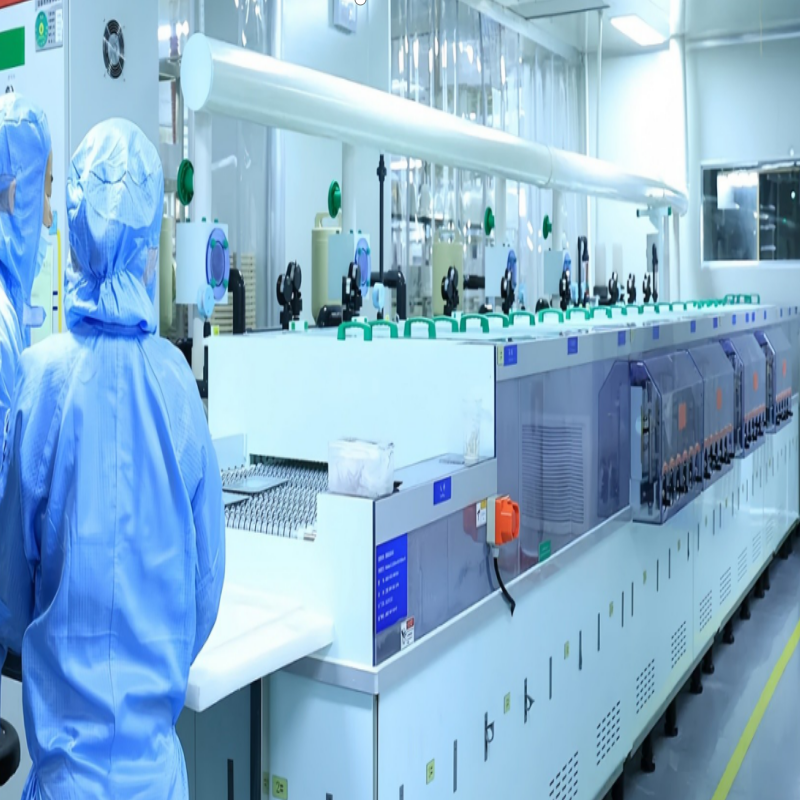
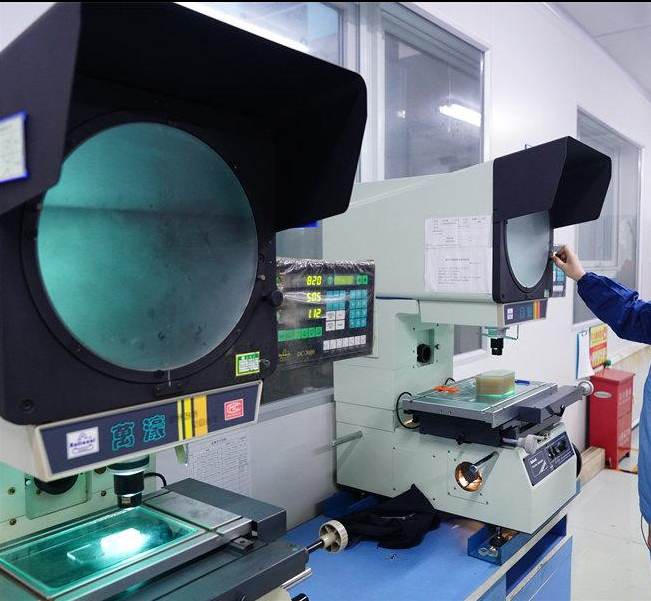
Prototype to Production Workflow
01
RFQ Review
02
Engineering Confirmation
03
Prototype
04
Pilot / Production
05
Inspect & Ship
Commercial Terms
Lead time: confirmed after material availability and drawing review.
Expedite: evaluated case by case; not guaranteed until confirmed in writing.
Optical Window Production Process
01 Cutting / CNC
02 Grinding
03 Optical Polishing
04 Coating
05 Inspection
Inspection Framework
Dimensions
Size, thickness and geometrySurface
Scratch-dig and visual conditionWavefront Geometry
Flatness, parallelism or wedge as specifiedSpectral
Applicable transmission / reflectionFinal Appearance
Edges, coating and cleanlinessQuality principle: inspection method, aperture, wavelength and acceptance criteria should be defined before production whenever they affect system performance.
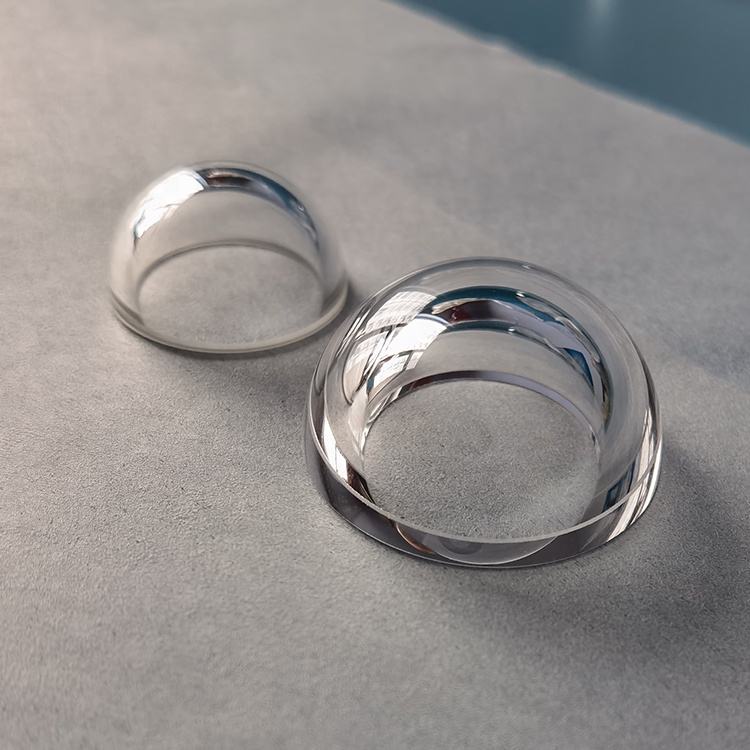
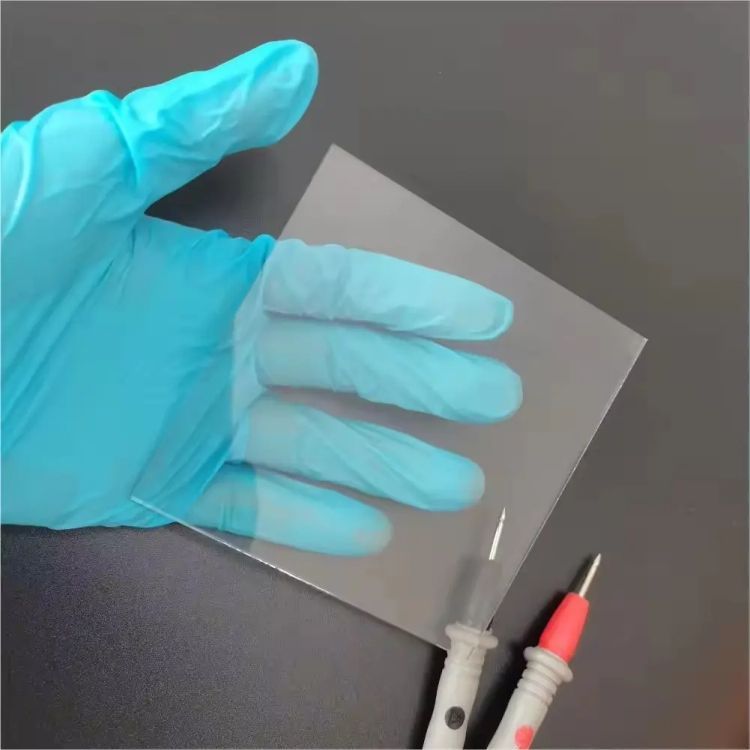
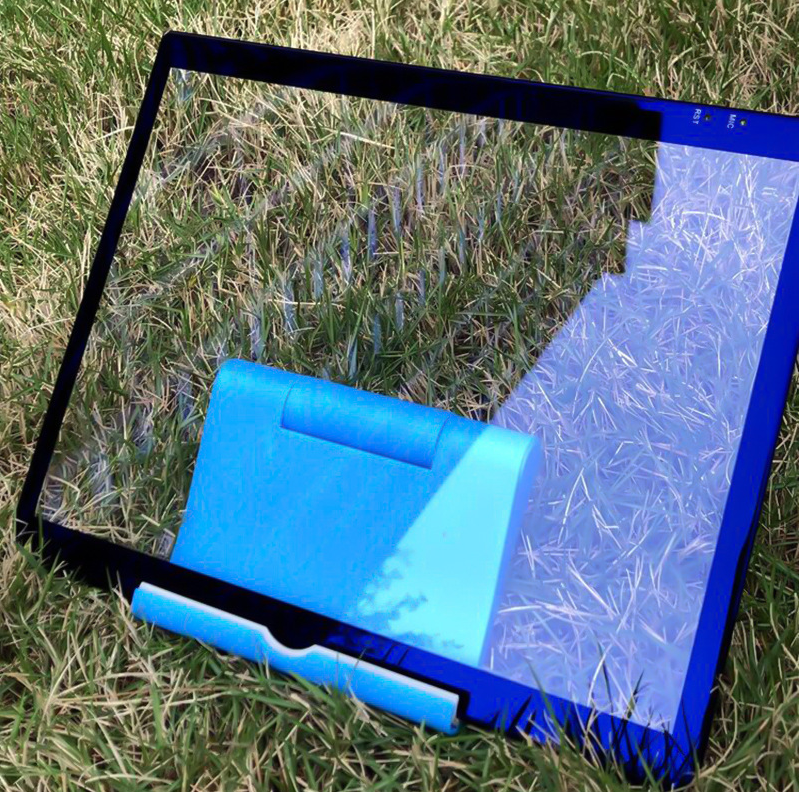
Related Optical Components
Frequently Asked Questions
Can you manufacture optical windows from customer drawings? +
How do I select the correct optical material? +
What window shapes are available? +
What surface quality and flatness can you provide? +
Can you provide AR or protective coatings? +
Can you manufacture IR windows? +
Do you support prototypes? +
What information is needed for a quotation? +
What are the production lead times? +
Can you inspect spectral performance? +
START YOUR PROJECT
Get Your Custom Optical Window Quote
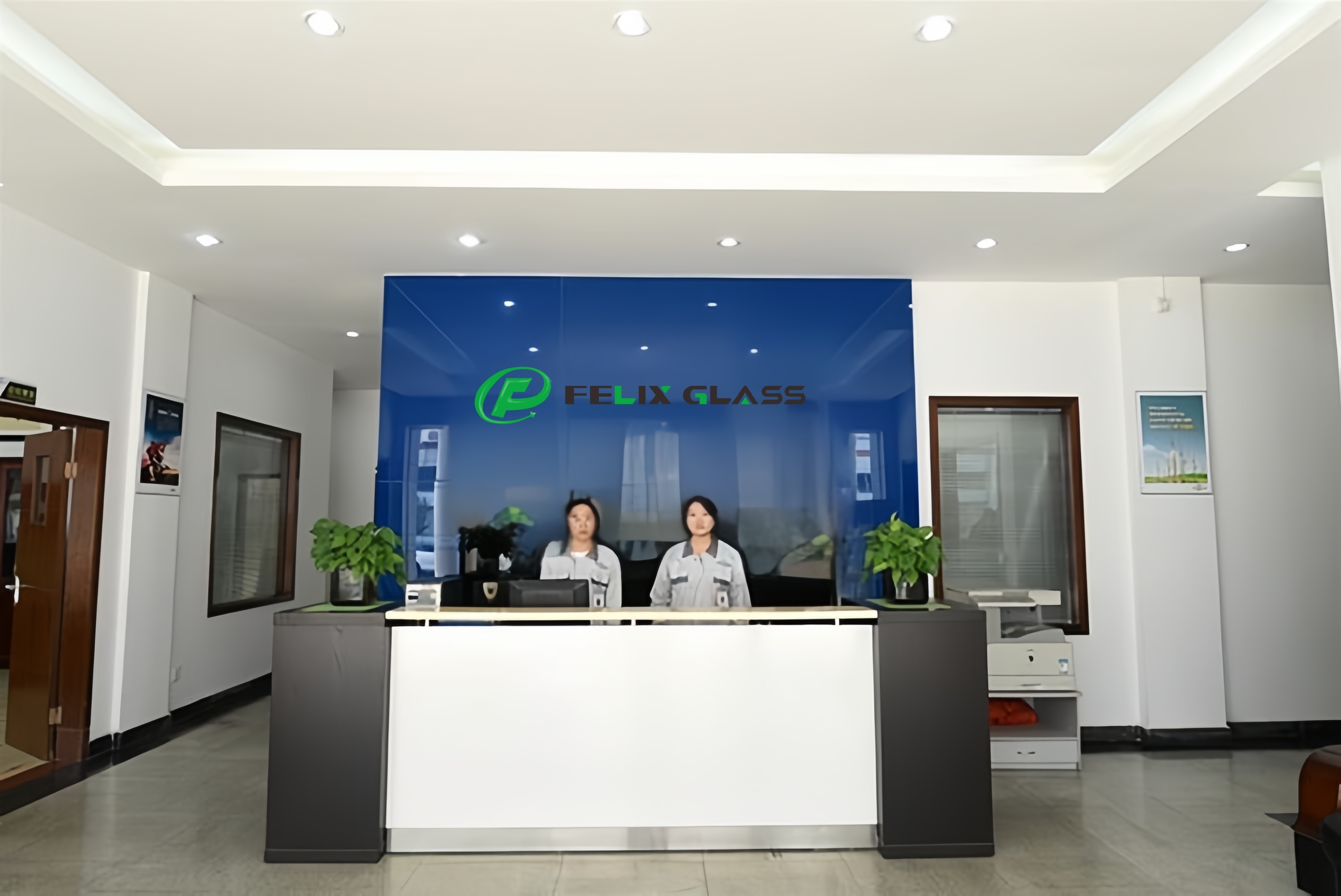
FELIX OPTICAL GLASS offers highly flexible MOQs to support customer projects, including prototype testing, small-batch trial orders, and high-volume production. All products can be fully customized to your drawings, tolerances, and application standards. Please send us your specifications, and we will reply within 1-5 hours and provide an accurate quotation after careful evaluation within 1-2 days.
Yes, our FELIX GLASS factory supports sample testing for a wide range of precision optical glass components and assemblies. The lead time for sample production is 3 to 7 working days. Please contact us today to arrange samples and obtain a customized solution that meets your needs.
A: The production cycle for standard samples is 3-10 working days, while mass production requires 15-35 working days, depending on the complexity of the product and the order quantity. We provide reliable precision optical glass components and fast delivery services for orders from industries such as defense, industrial equipment, medical devices, shipbuilding, robotics, automotive, and aerospace. Please submit your project details so we can provide you with an accurate delivery schedule.
All precision optical glass components from FELIX OPTICAL GLASS comply with ISO quality system standards as well as CE and RoHS requirements. We provide comprehensive test reports, spectral graphs, material certificates, and inspection documents for customer review. Please feel free to request complete certification details and a formal quotation at any time.
Yes. We offer a full range of precision optical glass component processing services, including CNC machining, precision grinding, optical polishing, chemical/physical tempering, vacuum coating (AR anti-reflective coating, AF anti-fingerprint coating, AG anti-glare coating, IR infrared coating), and screen printing. From raw materials to finished products, every step is completed in our own factory. Please tell us your needs, and we will provide you with the most cost-effective solution.