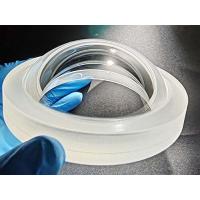
Custom Optical Dome Manufacturer
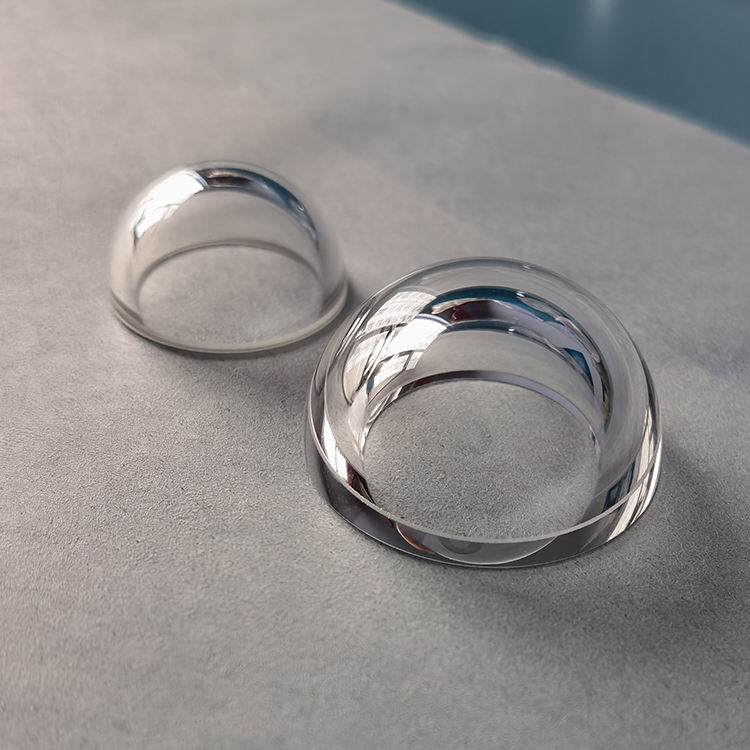
Drawing-based optical domes in sapphire, fused silica, quartz glass, BK7/H-K9L and selected infrared materials for underwater, EO/IR, LiDAR, aerospace, surveillance and industrial imaging systems.
Key Parameters
Common Pain Points When Sourcing custom optical domes
Real-world challenges faced by optical engineers, procurement managers, and project teams.
Geometry and Optical Distortion
Diameter alone is not enough. Radius, wall thickness, concentricity, optical zone and mounting interface can all influence imaging performance and assembly fit.
Material and Coating Selection
Wavelength, pressure, temperature, abrasion, saltwater exposure and budget must be evaluated together before selecting a substrate and surface treatment.
Prototype-to-Batch Variation
Uncontrolled geometry, polishing, coating and inspection criteria can create performance differences between approved samples and repeat production.
Engineered Custom Optical Dome Solutions
Each pain point is matched with a specific Felix Glass capability and measurable buyer benefit.
Drawing and System Review
Felix Glass reviews dome geometry, wavelength, optical requirements, mechanical interface and operating environment before defining a manufacturing route.
Buyer Benefit: fewer specification gapsApplication-Matched Material System
Sapphire, fused silica, quartz glass, BK7/H-K9L and selected infrared materials are evaluated together with the required coating and environment.
Buyer Benefit: better material-to-application fitControlled Production Transfer
Approved drawings and agreed inspection criteria become the reference for prototype, pilot and repeat production.
Buyer Benefit: improved batch consistency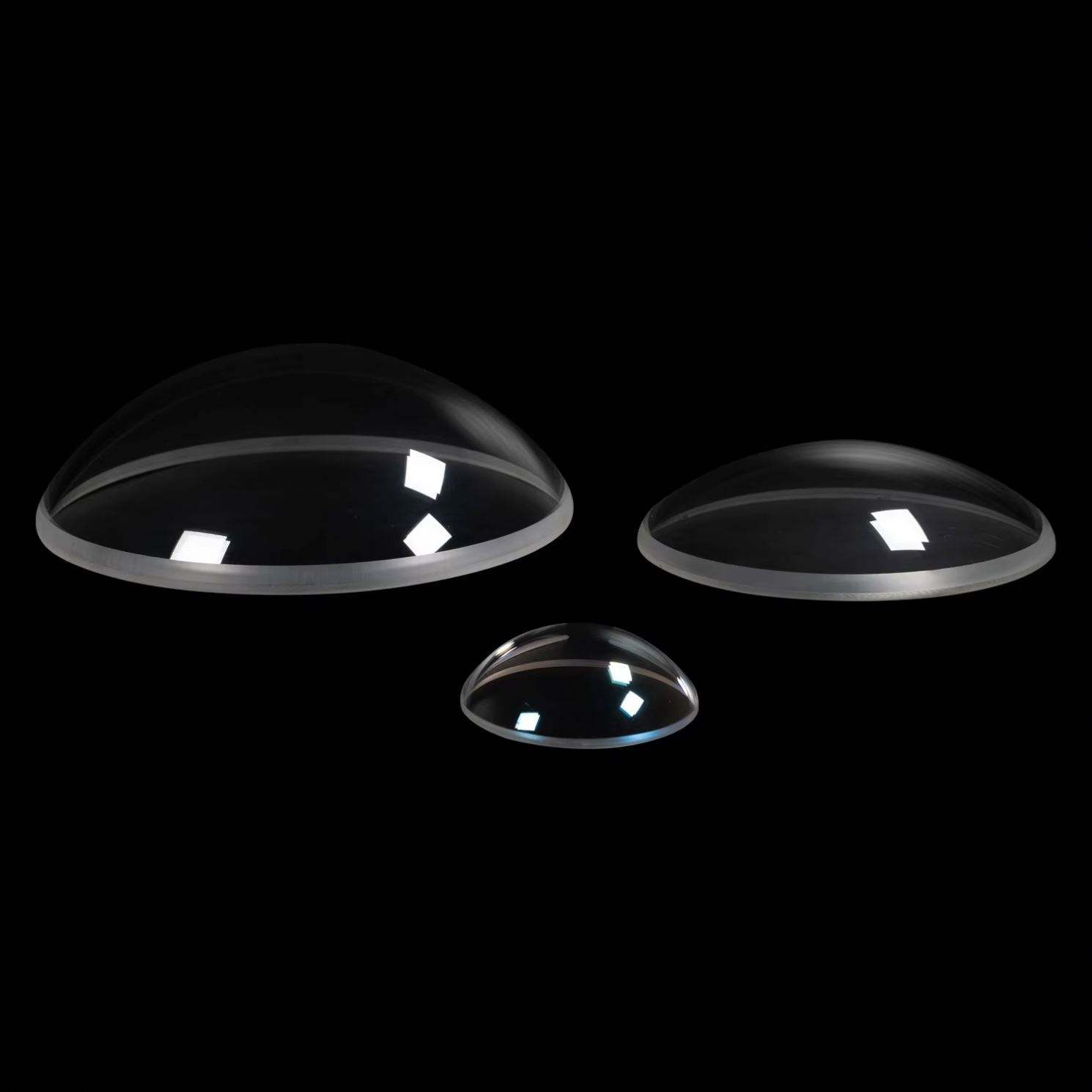
Five Engineering Factors for Custom Optical Domes
Five core engineering dimensions that define custom optical domes performance and reliability.
Base Material
Select the substrate according to wavelength, hardness, thermal behavior, environmental exposure and budget.
Dome Geometry
Define outer and inner radius, diameter, wall thickness, height, flange, edge form and mounting interface.
Optical Surfaces
Specify optical zone, surface quality, form requirements and inspection method appropriate to the imaging system.
Coating System
Match AR, BBAR, IR or functional treatment to the working band, angle of incidence and environment.
Quality Plan
Align dimensional, surface, optical and coating checks with the approved drawing and purchase requirements.
Typical Custom Optical Dome Configurations
Standard and custom configurations within this product family. Select a base spec or request full customization.
Underwater / ROV Dome
- Sapphire, fused silica or suitable optical glass
- Custom pressure-aware geometry and sealing interface
- AR, BBAR or hydrophobic options by requirement
Camera & Sensor Dome
- BK7/H-K9L, fused silica or drawing-specified glass
- Hemispherical, partial or flanged geometry
- Visible-band coating evaluated per system
EO/IR Protective Dome
- Selected IR-transmitting material
- Wavelength-specific coating review
- Thermal and environmental requirements considered
Sapphire Optical Dome
- High-hardness protective substrate
- Custom curvature, wall and interface
- Coating and inspection defined by application
Custom Optical Dome Technical Specifications
Final specifications are confirmed from the customer drawing, wavelength, environment, interface, coating and inspection requirements.
| Parameter | Value / Specification |
|---|---|
| Product Scope | |
| Product Type | Custom optical dome |
| Material Options | Sapphire, fused silica, quartz glass, BK7/H-K9L and selected infrared optical materials |
| Geometry | Hemispherical, spherical segment, flanged and drawing-defined dome configurations |
| Engineering Definition | |
| Dimensions | Diameter, inner/outer radius, wall thickness, height, flange and edge details according to drawing |
| Optical Requirements | Surface quality, surface form, clear aperture and performance criteria defined by application |
| Coating Options | AR, BBAR, IR, hydrophobic, anti-scratch or other project-specific treatment, subject to review |
| Mounting Interface | Custom flange, sealing land, edge profile and assembly features according to drawing |
| Procurement | |
| Prototype Support | Prototype feasibility and quantity evaluated per project |
| Production Supply | Pilot and repeat production after drawing and sample approval |
| Inspection Documentation | Available according to agreed order and quality requirements |
Custom Optical Dome Applications
Where a drawing-based optical dome can protect cameras and sensors while supporting the required optical path.
Marine / ROV Imaging
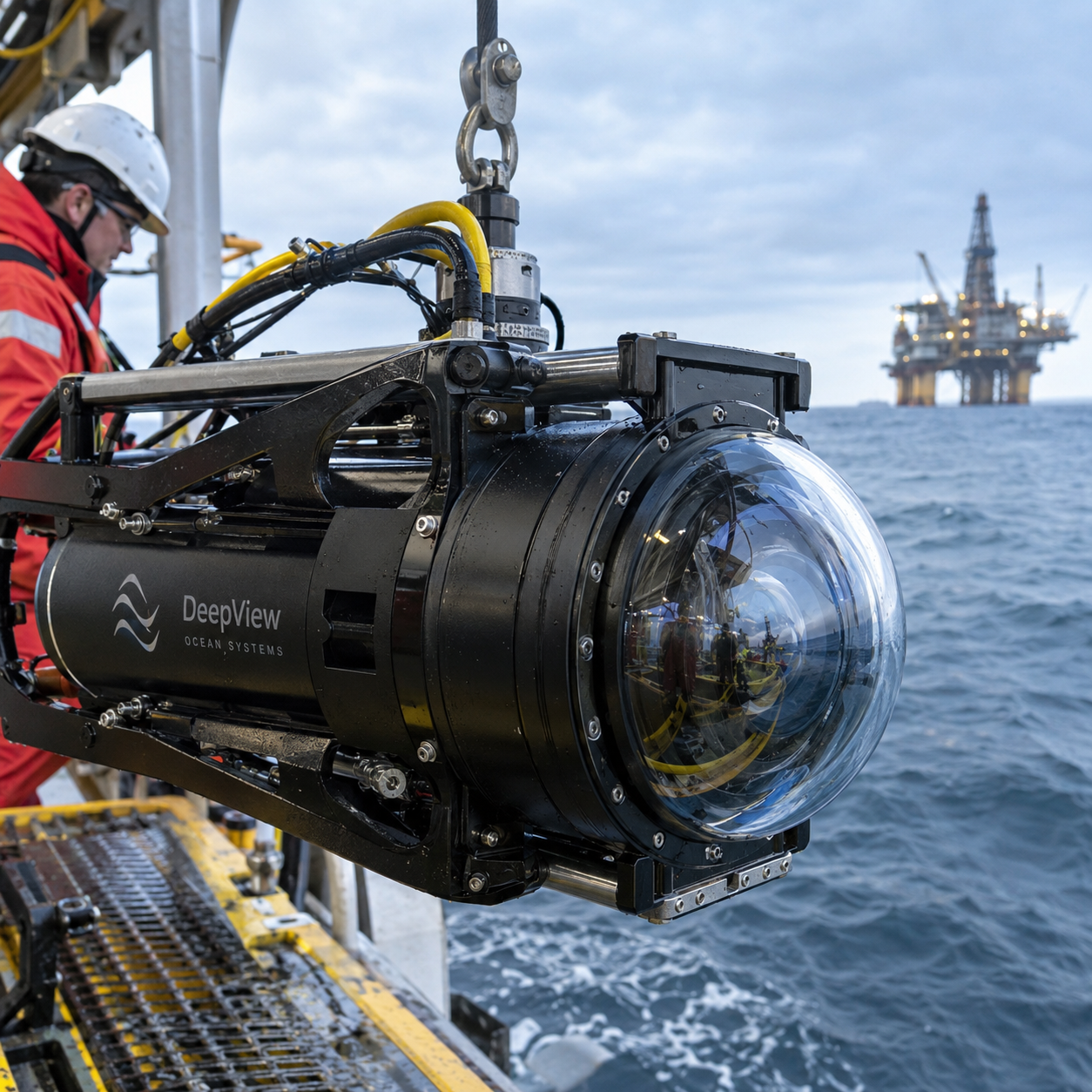
Protective optical dome for subsea cameras, marine robotics and underwater inspection systems.
EO/IR / Thermal Imaging
Application-specific dome material and coating for infrared, multispectral and electro-optical sensor assemblies.
LiDAR / Autonomous Sensing
Curved optical protection for scanning, ranging and environmental sensing systems.
UAV / Aerospace Sensors
Custom domes for airborne imaging, navigation and other high-reliability optical assemblies.
Surveillance / PTZ Camera
Optical protection for panoramic, outdoor and security imaging systems.
Industrial Vision / Instrumentation
Dome-shaped protection for machine vision, optical instruments and industrial sensors.
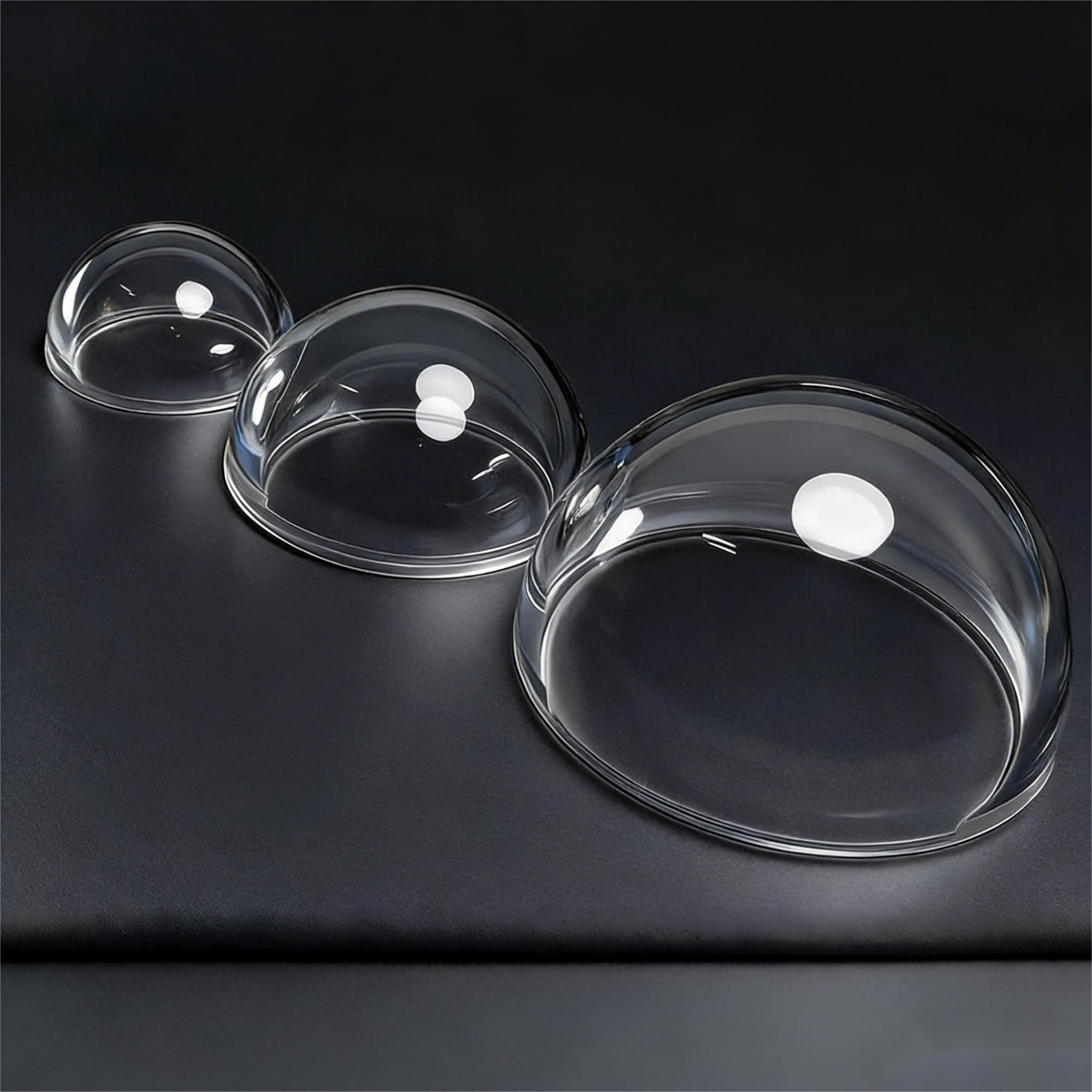
Optical Dome Manufacturing Capabilities
Project-specific production planning from drawing review through shaping, polishing, coating coordination and final inspection.
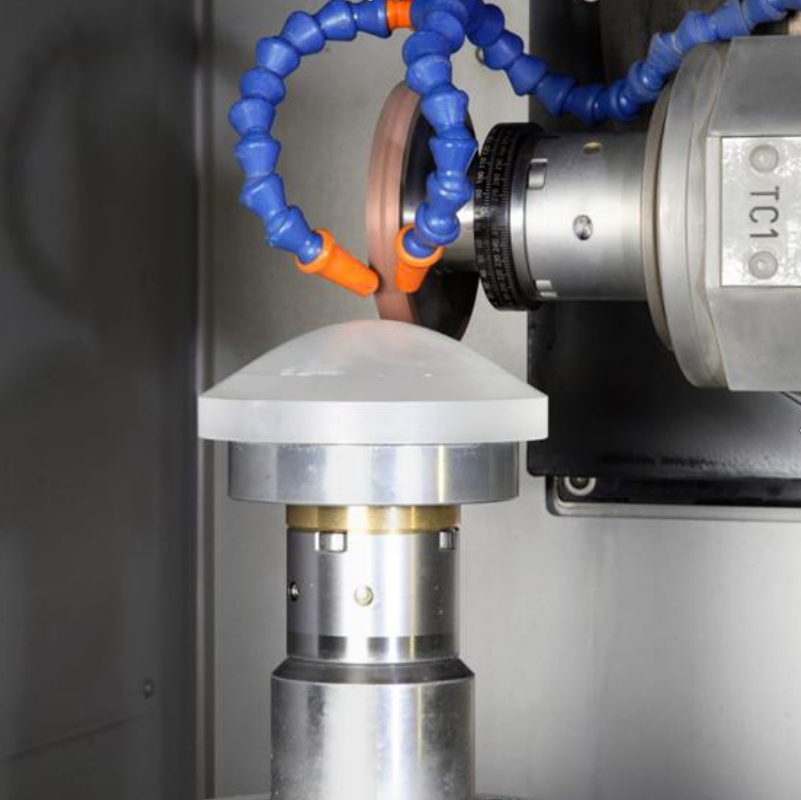
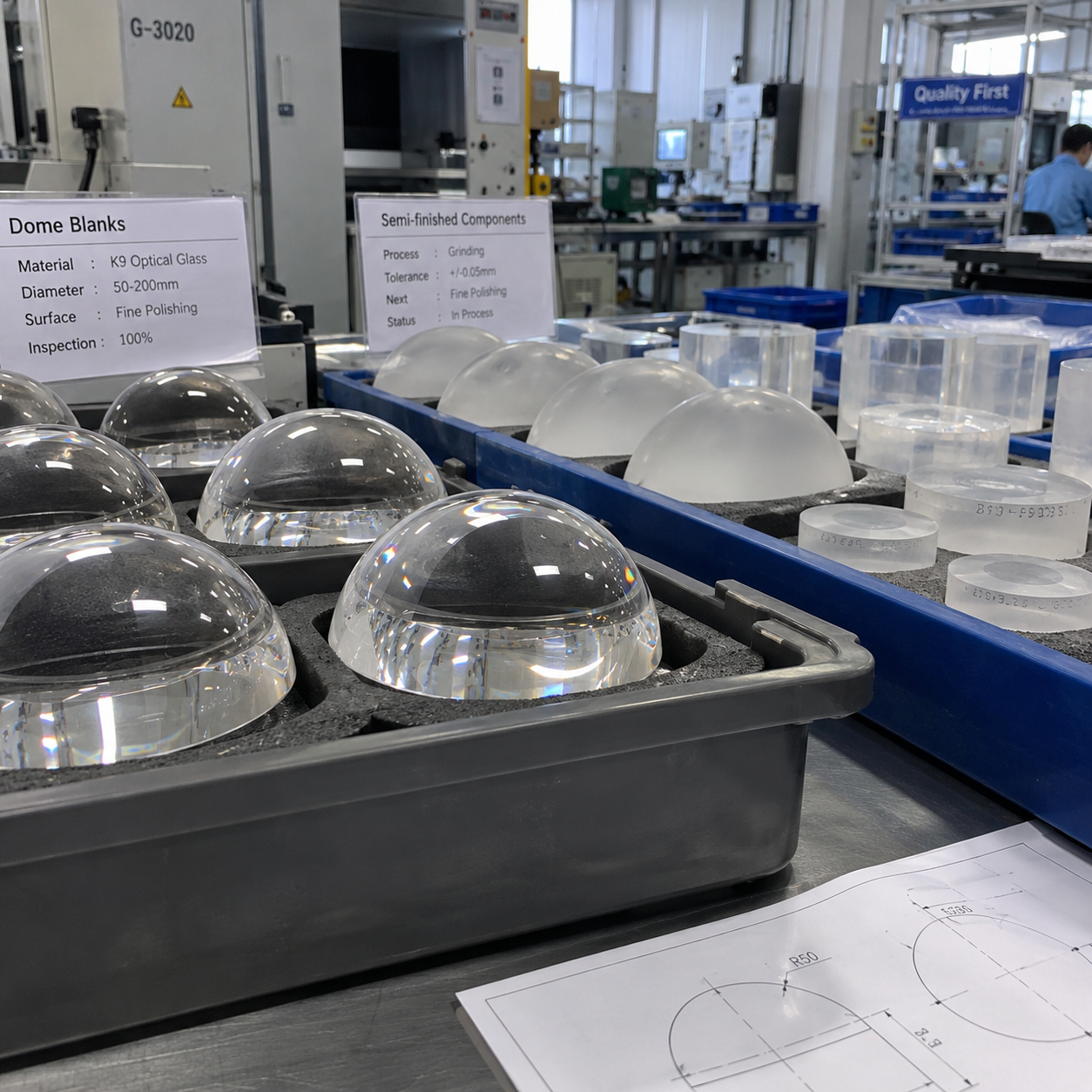
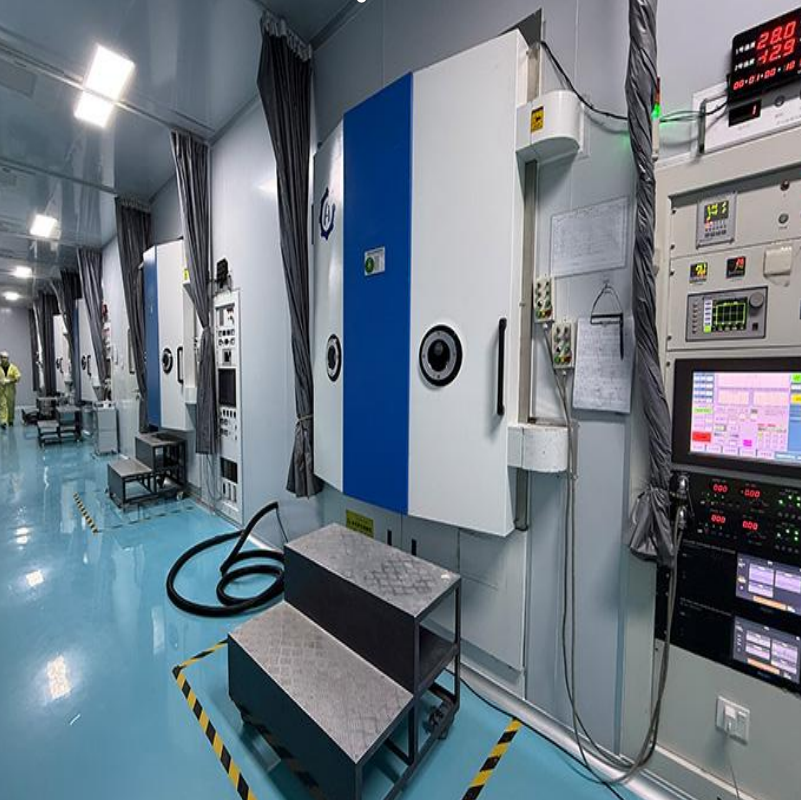
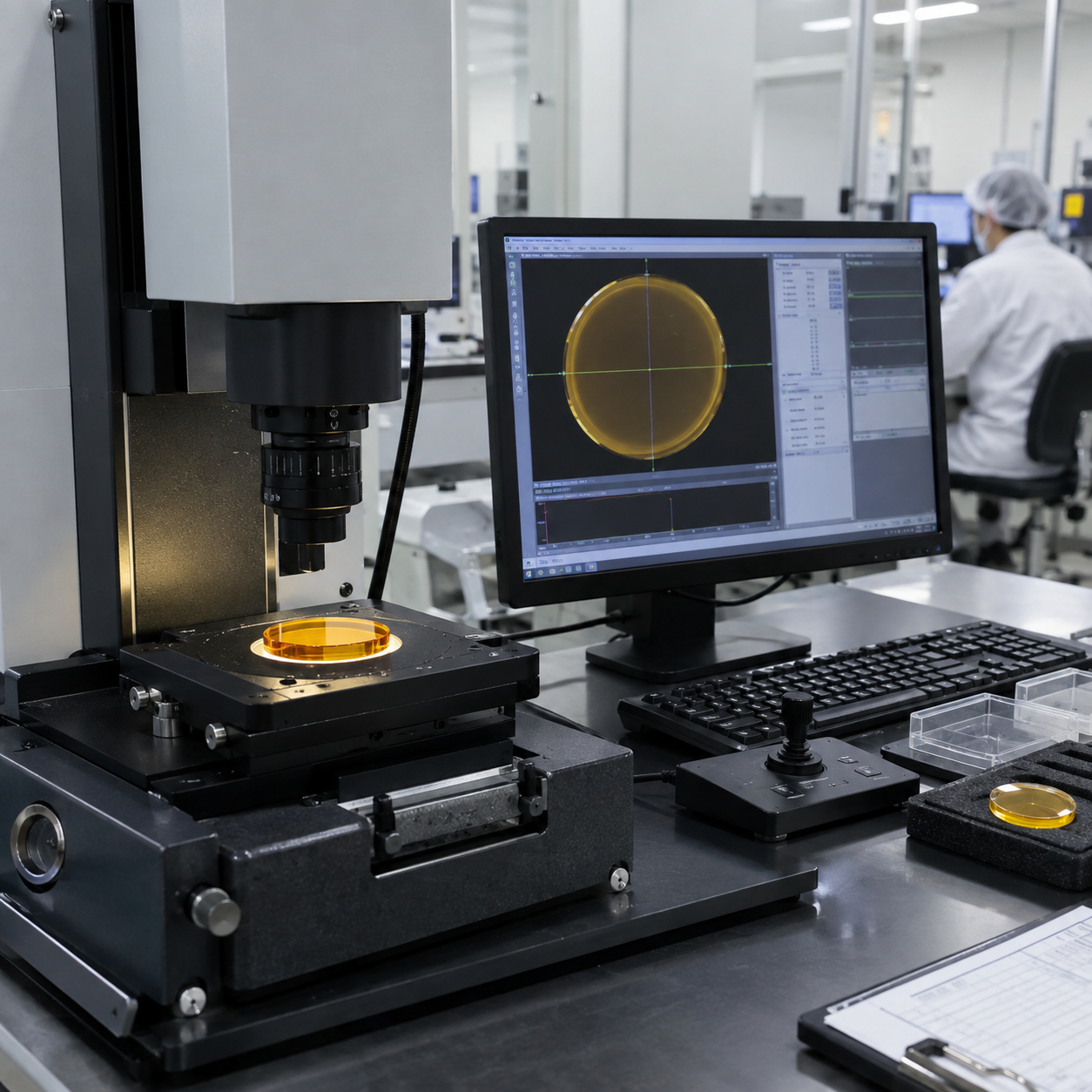
- Engineering ReviewMaterial, wavelength, geometry, mounting interface, operating environment and inspection requirements are reviewed before quotation.
- Custom GeometryHemispherical, spherical-segment, flanged and drawing-defined dome geometries can be evaluated for manufacture.
- Grinding & PolishingThe production route is selected around substrate behavior, wall geometry, optical zone and surface requirements.
- Coating IntegrationAR, BBAR, IR and functional treatments are matched to the working band and use environment, subject to feasibility review.
- Inspection PlanningDimensional, cosmetic, surface and optical checks are aligned with the approved drawing and purchase specification.
- Production TransferApproved samples and agreed acceptance criteria provide the reference for pilot and repeat orders.
Custom Optical Dome Delivery Workflow
Standard project steps for custom optical orders, from initial RFQ through final shipment.
Submit Requirements
Send the drawing, material, wavelength, quantity and operating conditions.
Engineering Review
Geometry, material, coating, tolerance and inspection needs are checked for feasibility.
Quote & Confirmation
The agreed scope, documentation, quantity and delivery plan are confirmed.
Prototype
Samples are manufactured against the approved drawing and project criteria.
Validation
Customer feedback and inspection results are reviewed before production release.
Production & Shipment
Pilot or repeat quantities are inspected, protected for transit and shipped.
Sample / Prototype
Set after material, geometry, coating and inspection review
Bulk / Mass Production
Set after sample approval, quantity and capacity review
Expedited Service
Request at RFQ stage; feasibility depends on the project
Optical Dome Materials & Production Workflow
Substrate material and the actual manufacturing process used for custom optical domes.
Sapphire
Selected when abrasion resistance, hardness and harsh-environment protection are important. Optical grade and coating must match the working band.
Fused Silica / Quartz Glass
Used for projects requiring suitable UV-visible transmission and thermal stability; exact grade is confirmed from system requirements.
BK7 / H-K9L Optical Glass
A practical option for many visible imaging and protective dome applications where system and environmental requirements permit.
Selected Infrared Materials
Material and coating are chosen around the target waveband, environment and mechanical design after feasibility review.
Requirement Review
Confirm the drawing, material, wavelength, optical zone, interface and acceptance criteria.
Blank Preparation
Prepare a suitable blank and manufacturing allowance for the selected substrate and geometry.
Generating & Grinding
Form the inner and outer dome surfaces and establish the required wall geometry.
Optical Polishing
Polish the specified optical zone to the agreed surface and form requirements.
Coating / Treatment
Apply the project-approved optical or functional coating when required.
Inspection & Packing
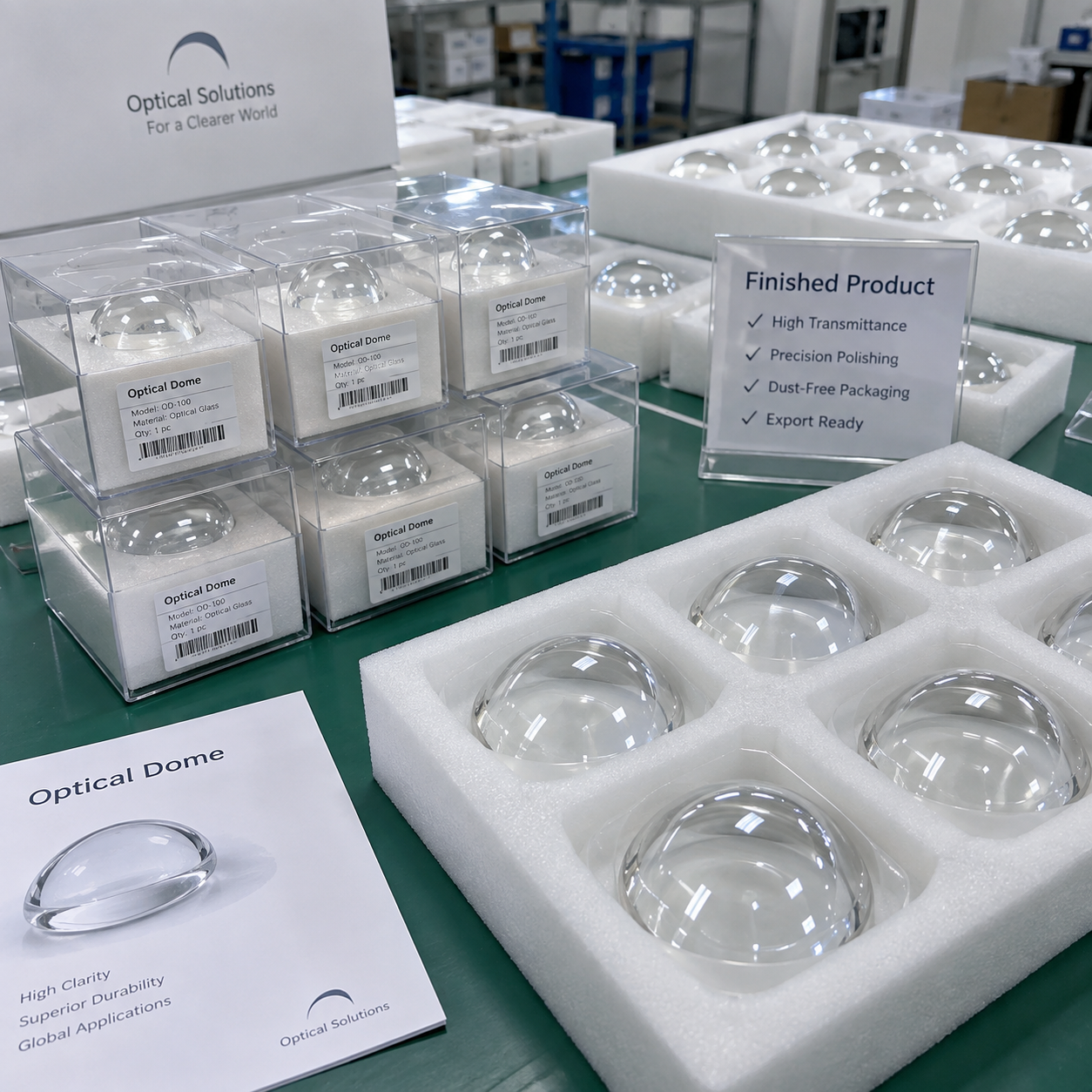
Inspect against the agreed criteria and use protective packaging for shipment.
Related Optical Dome Products & Resources
Complementary products and technical resources for your project.
Custom Optical Dome Manufacturer FAQs
Common questions from engineers and procurement teams sourcing custom optical domes.
Yes. Send a 2D or 3D drawing with material, dimensions, tolerances, optical zone, coating, quantity and operating conditions. Felix Glass will review manufacturability before quotation.
Options include sapphire, fused silica, quartz glass, BK7/H-K9L and selected infrared materials. The suitable grade depends on wavelength, environment, mechanical load and budget.
Hemispherical, spherical-segment, flanged and other drawing-defined geometries can be evaluated. Include inner and outer radius, wall thickness, height, flange and edge details.
AR, BBAR, infrared and selected functional treatments can be reviewed. Please provide the wavelength band, angle of incidence, target performance and environment.
Provide the target depth or external pressure, temperature range, fluid exposure, clear aperture, sealing interface, mounting method and safety requirements. Pressure suitability must be evaluated as part of the complete assembly design.
MOQ is project-dependent. Prototype and low-volume requirements can be submitted for review, followed by pilot or repeat production when the design is approved.
Lead time is confirmed after reviewing material availability, geometry, coating, inspection, quantity and approval steps. Add the required delivery date to your RFQ.
Inspection documentation can be agreed during quotation. State the required dimensional, surface, optical, coating or material records in the purchase specification.
Yes. Drawing-based OEM projects can progress from prototype and validation to pilot and repeat orders using the approved specification and acceptance criteria.
Still have questions? Our engineering team is ready to help.
Contact Our TeamREQUEST A CUSTOM QUOTE
Send your specifications, drawing, or sample requirements. Our engineering team will review the project and confirm the next steps.