Spectral target
Define the operating wavelength or wavelength band, minimum transmission, maximum reflection, bandwidth, polarization condition, and incidence-angle range.
✔ OEM / ODM Customization
✔ Free Drawing DFM Technical Review
✔ 24-Hour Professional Quotation
✔ Flexible Low MOQ & Fast Prototypes
| Share | |
|---|---|
| Categories | Automotive Dashboard Display Glass |
| Brand | FELIX GLASS optical glass Manufacturing base |
| Model | FG-WIN-001 |
| Material | Chemically strengthened aluminosilicate tempered glass |
| Mohs Hardness | Grade 7 scratch resistance |
| Custom Coating | Wavelength-matched AR anti-reflection + AF anti-fingerprint dual coating |
| Operating Temperature | -40℃ ~ 85℃ automotive wide temperature range |
| Thickness Options | 1.2mm / 1.5mm / 2.0mm |
| Dimensional Tolerance | ±0.01mm |
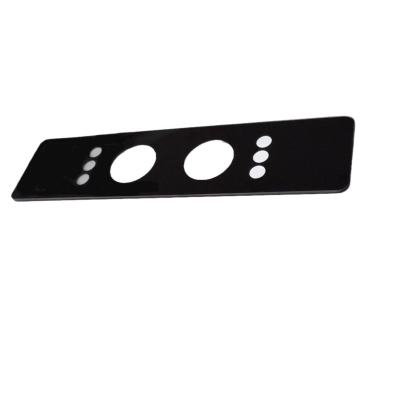
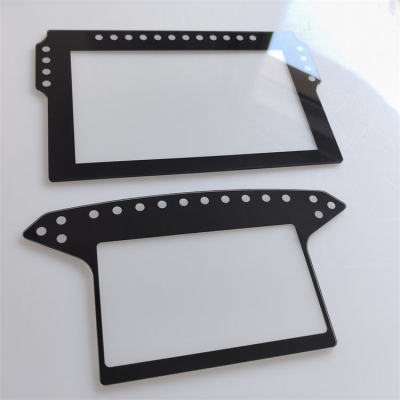
| Custom Processing | Irregular CNC cutting, mounting positioning holes, edge chamfer, shading silk screen |
| Application Scenarios | L2-L4 autonomous driving LiDAR modules,NEV ADAS system,Tier1 automotive optical assemblies,automotiv |
| FOB port | SHENGZHEN SHANGHAI GUANGZHOU |
| Terms of Payment | L/C, D/A, D/P, Western Union, T/T |
| Download |   |
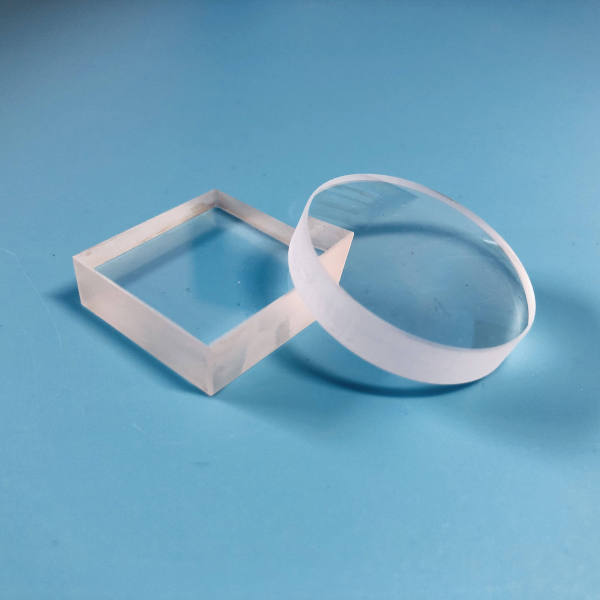
Felix Glass manufactures custom optical window glass for LiDAR modules, autonomous-driving ADAS assemblies, new-energy vehicles, and optical ranging or measurement equipment.
The source product specifies chemically strengthened aluminosilicate glass, wavelength-matched AR anti-reflective coating, optional AF anti-fingerprint coating, CNC profiles, mounting holes, chamfered edges, and black shading print.
This product remains in the Automotive Dashboard Display Glass category.
This optical window is a component, not a complete LiDAR or ADAS safety system. Final spectral transmission, optical distortion, environmental resistance, sealing, functional safety, and vehicle qualification must be validated at module and system level.
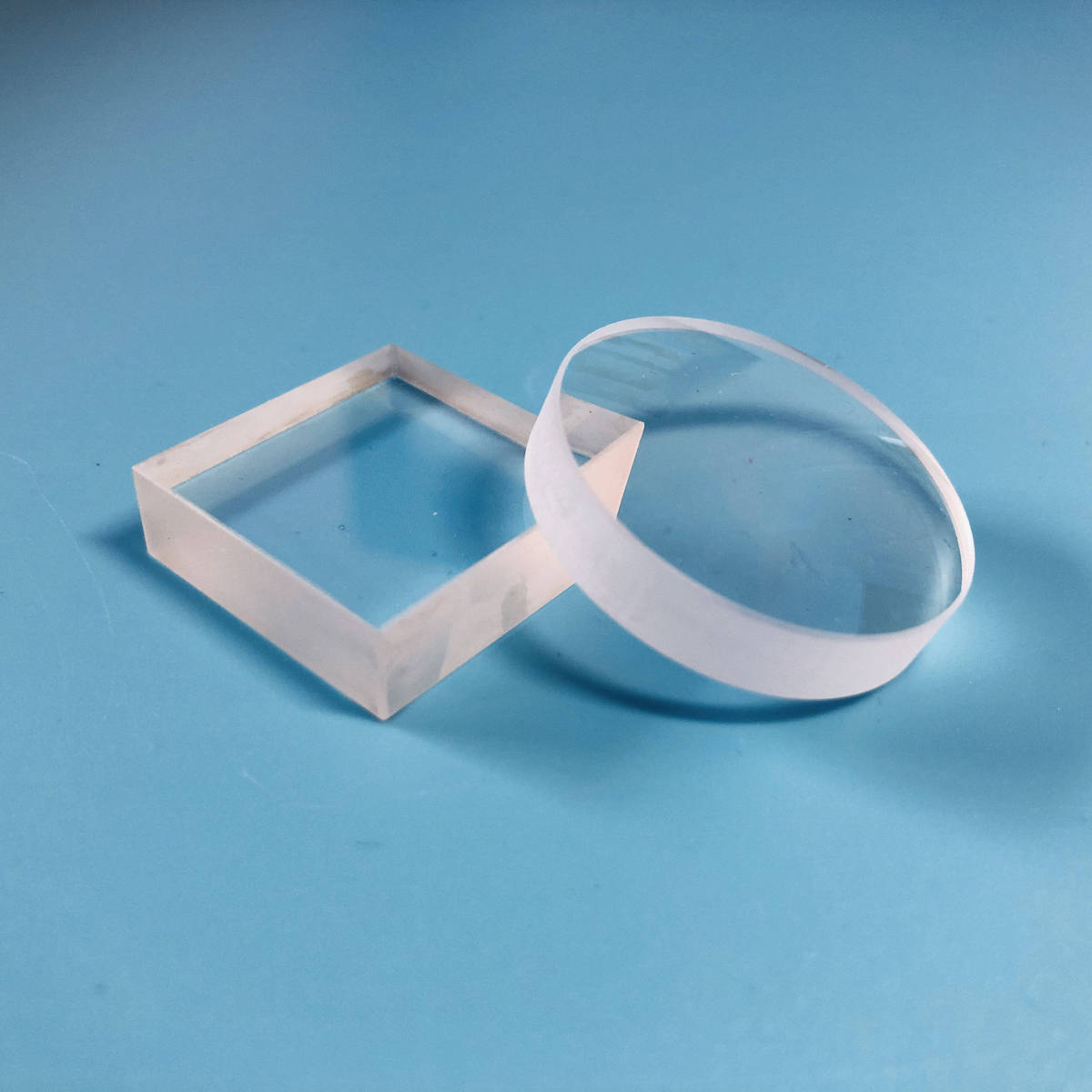
The source describes an AR coating matched to the LiDAR laser wavelength to reduce surface reflection and optical loss. No wavelength, incidence angle, spectral curve, or transmission value is stated in the current description.
Define the operating wavelength or wavelength band, minimum transmission, maximum reflection, bandwidth, polarization condition, and incidence-angle range.
Evaluate ghost reflection, wavefront error, wedge, flatness, coating color, and signal-to-noise effects on the actual transmitter and receiver geometry.
Measure optical performance before and after temperature, humidity, abrasion, contamination, cleaning, UV, and chemical exposures defined by the program.
Browse related automotive and optical components in the Felix Glass product catalog.
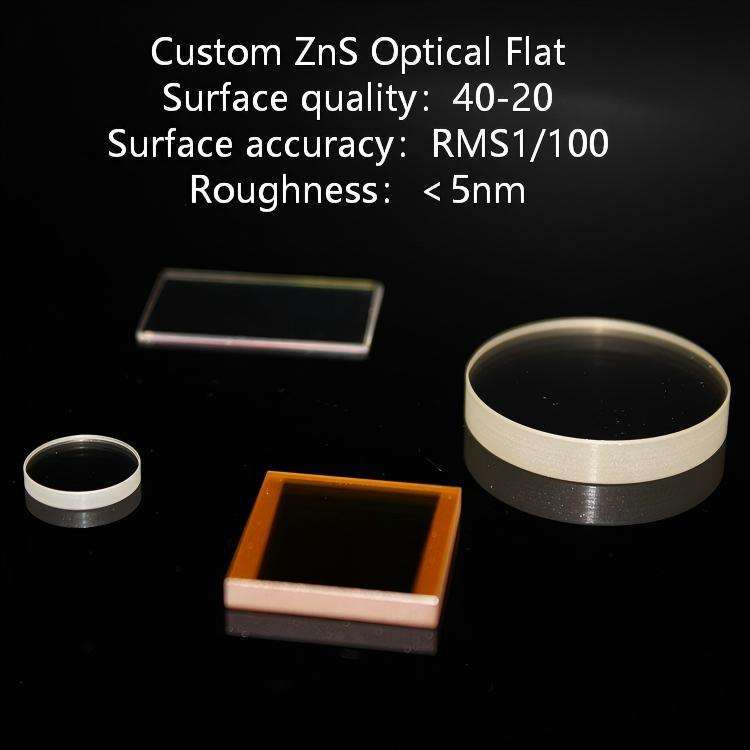
The visible attribute identifies chemically strengthened aluminosilicate glass and a Mohs hardness reference of grade 7. The source associates this substrate with resistance to sand, dust, gravel contact, and outdoor use.
Company and manufacturing information is available on About Us.
The source lists an operating-temperature range of -40°C to 85°C and states that optical performance and coating integrity are maintained through automotive thermal cycling.
That claim requires a project-specific standard, ramp rate, dwell time, cycle count, humidity condition, powered or unpowered state, mounting condition, sample count, and post-test optical limits. The range alone does not establish vehicle qualification.
The source lists irregular CNC cutting, positioning holes, edge chamfers, and black shading silk-screen printing for LiDAR module structures and optical-instrument housings.
| Thickness options | 1.2, 1.5, and 2.0 mm |
|---|---|
| Dimensional tolerance | ±0.01 mm source attribute; feature, datum, process capability, and inspection method must be specified |
| Profiles | Custom and irregular CNC geometry subject to drawing review |
| Mounting features | Positioning holes with controlled edge distance, diameter, and datum scheme |
| Edges | Chamfer and finish requirements matched to handling and assembly |
| Shading print | Black silk-screen zones, optical apertures, fiducials, and cosmetic limits defined by artwork |
A single ±0.01 mm statement should not be assumed to apply to every dimension. Identify critical dimensions, profile tolerance, hole position, flatness, thickness, and measurement equipment separately.
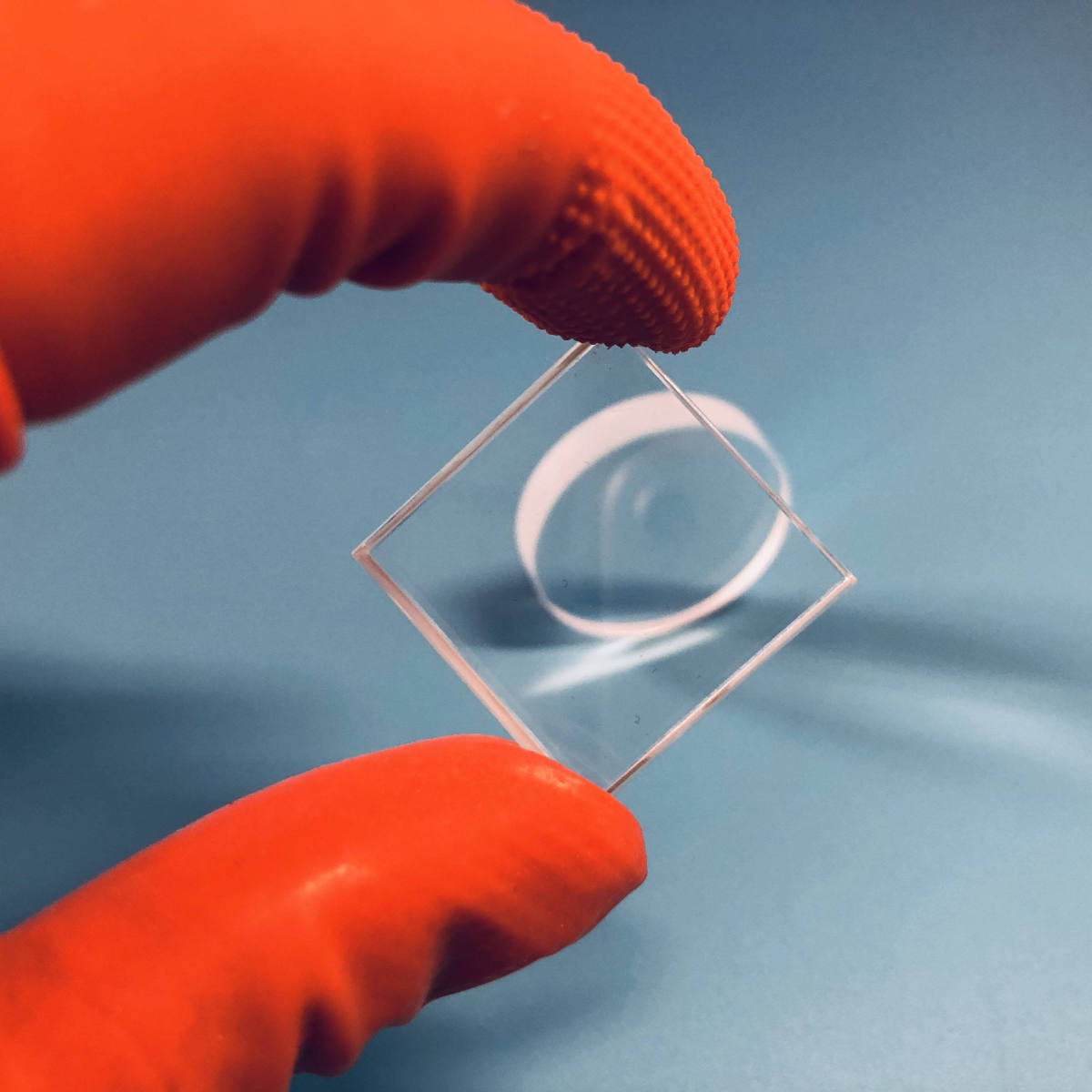
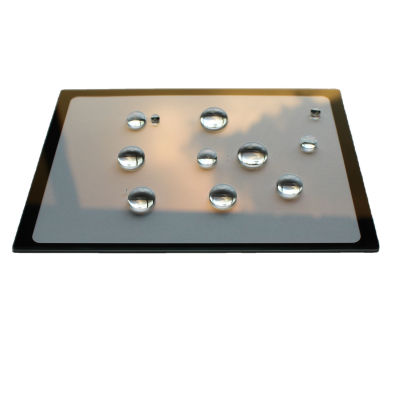
The source describes an AF surface intended to reduce adhesion of fingerprints, dust, mud, and water stains that could affect the LiDAR optical path.
AF performance should be defined by initial and post-wear contact angle, sliding angle, oil marker behavior, cleanability, abrasion cycles, chemical exposure, and optical change. AF coating does not by itself provide module ingress protection or a dustproof seal.
Read related coating and maintenance guidance in the Felix Glass blog.
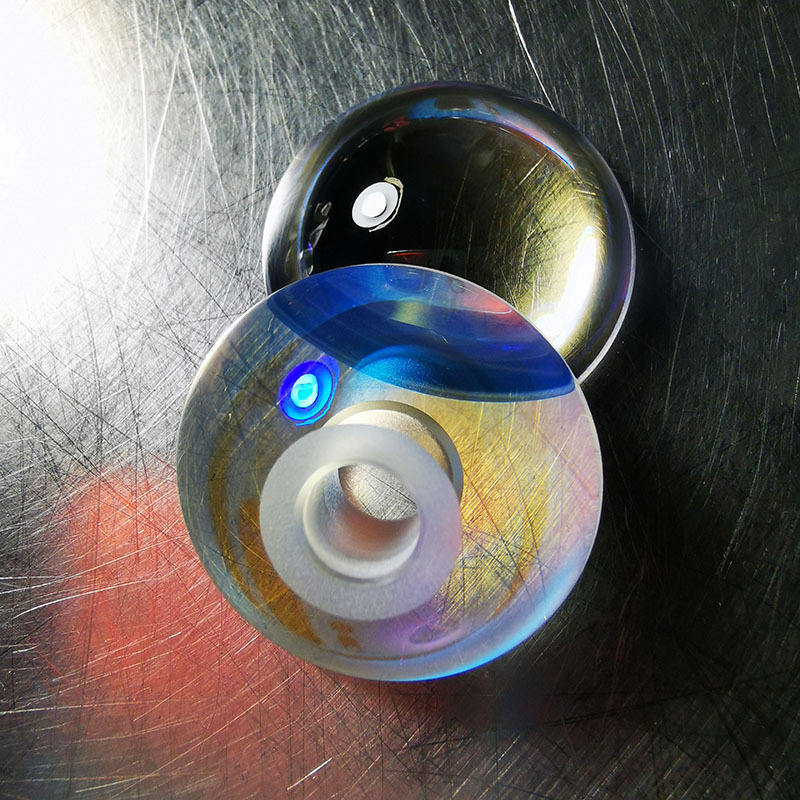
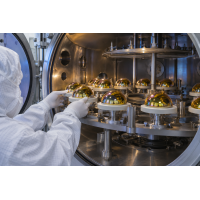
The original description states that production uses a “Class 100” dust-controlled workshop and CCD automatic optical inspection. It also states that batches are checked for transmittance, flatness, friction resistance, and temperature shock before delivery.
For supplier qualification, request the cleanroom classification standard, certified zone, monitoring interval, particle records, CCD resolution, defect library, lighting geometry, sampling plan, traceability, calibration, and inspection-report format.
The table consolidates the source attributes and converts the narrative claims into items that can be placed in a drawing, control plan, or validation protocol.
| Material | Chemically strengthened aluminosilicate glass |
|---|---|
| Hardness reference | Mohs grade 7; method and coating condition require confirmation |
| Coating | Wavelength-matched AR plus AF dual-coating option |
| Operating-temperature reference | -40°C to 85°C |
| Thickness | 1.2, 1.5, or 2.0 mm |
| Dimensional reference | ±0.01 mm source attribute, subject to feature-specific capability review |
| Optical tests | Spectral transmission, reflectance, flatness, wedge, wavefront or image distortion, and coating uniformity as applicable |
| Surface tests | Hardness, abrasion, contact angle, cleanability, chemical exposure, and cosmetic inspection |
| Environmental tests | Temperature cycling or shock, humidity, UV, contamination, cleaning, vibration, and gravel or impact as required |
The source identifies L2–L4 autonomous-driving LiDAR modules, new-energy-vehicle ADAS systems, Tier 1 automotive optical assemblies, and optical measurement instruments.
Use Contact Us to request project-specific coating data and validation documentation.
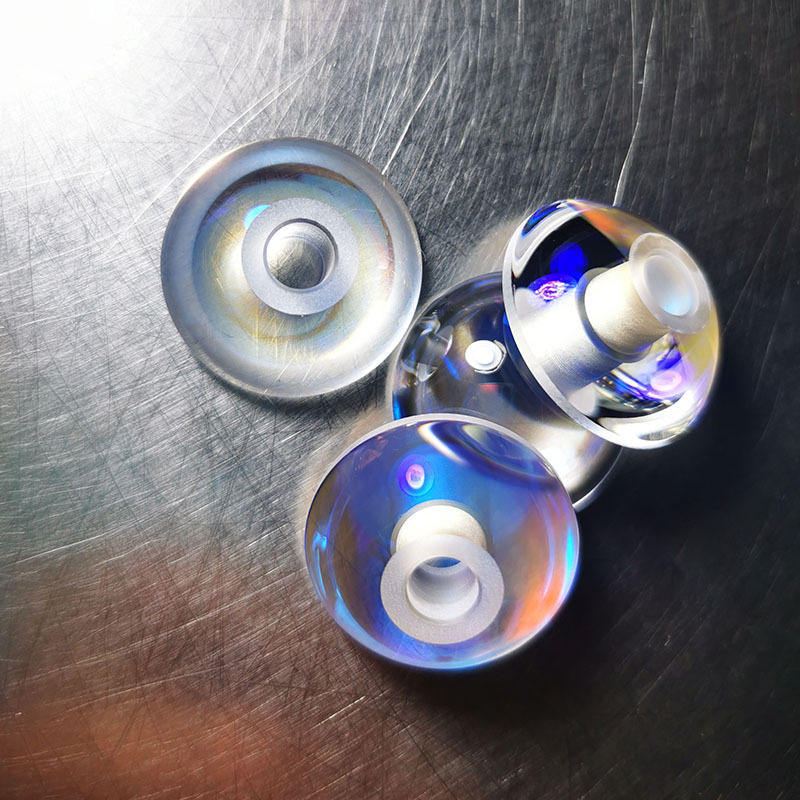
The source states that prototype sampling and volume OEM production are available for autonomous-driving solution providers, vehicle manufacturers, Tier 1 suppliers, and optical-equipment manufacturers.
Start from the Felix Glass home page for a broader view of glass processing and coating capabilities.
The original outline describes LiDAR optical measurement components as a developing market area. This page does not make a market-size, growth-rate, vehicle-adoption, or supplier-share claim.
For sourcing decisions, evaluate the actual program nomination, forecast, design life, validation plan, capacity, tooling ownership, change-control process, quality agreement, delivery location, service requirements, and end-of-life obligations.
Send the CAD drawing, optical aperture, LiDAR wavelength and bandwidth, angle of incidence, minimum spectral transmission, maximum reflection, flatness, wedge, thickness, datums, tolerance map, mounting holes, edge finish, print artwork, AR/AF requirements, cleaning method, environmental tests, sample quantity, annual volume, documentation needs, and requested schedule.
Send us your drawing, dimension & coating requirements for fast quotation within 24 hours.
Get Free RFQ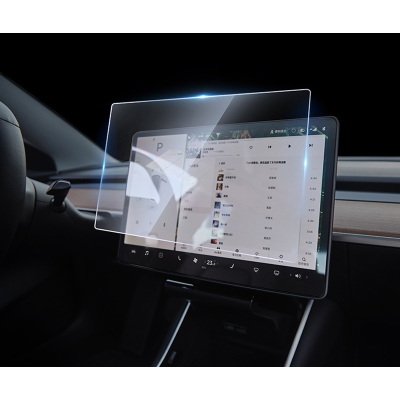
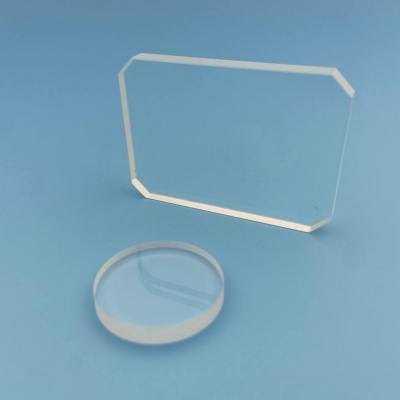
We supply Industrial Glass, Sapphire Optics, Optical Lenses/Prisms/Filters, Infrared IR Optics, Functional & Display Glass, N-BK7/H-K9L Optical Glass, supporting OEM mass production and laboratory custom prototypes. Flexible MOQ & free sample service available. Fill in the form to download full datasheets and get factory wholesale price within 24 hours.
FELIX OPTICAL GLASS offers highly flexible MOQs to support customer projects, including prototype testing, small-batch trial orders, and high-volume production. All products can be fully customized to your drawings, tolerances, and application standards. Please send us your specifications, and we will reply within 1-5 hours and provide an accurate quotation after careful evaluation within 1-2 days.
Yes, our FELIX GLASS factory supports sample testing for a wide range of precision optical glass components and assemblies. The lead time for sample production is 3 to 7 working days. Please contact us today to arrange samples and obtain a customized solution that meets your needs.
A: The production cycle for standard samples is 3-10 working days, while mass production requires 15-35 working days, depending on the complexity of the product and the order quantity. We provide reliable precision optical glass components and fast delivery services for orders from industries such as defense, industrial equipment, medical devices, shipbuilding, robotics, automotive, and aerospace. Please submit your project details so we can provide you with an accurate delivery schedule.
All precision optical glass components from FELIX OPTICAL GLASS comply with ISO quality system standards as well as CE and RoHS requirements. We provide comprehensive test reports, spectral graphs, material certificates, and inspection documents for customer review. Please feel free to request complete certification details and a formal quotation at any time.
Yes. We offer a full range of precision optical glass component processing services, including CNC machining, precision grinding, optical polishing, chemical/physical tempering, vacuum coating (AR anti-reflective coating, AF anti-fingerprint coating, AG anti-glare coating, IR infrared coating), and screen printing. From raw materials to finished products, every step is completed in our own factory. Please tell us your needs, and we will provide you with the most cost-effective solution.