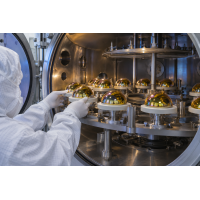
Custom Geometry
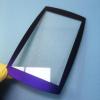
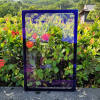
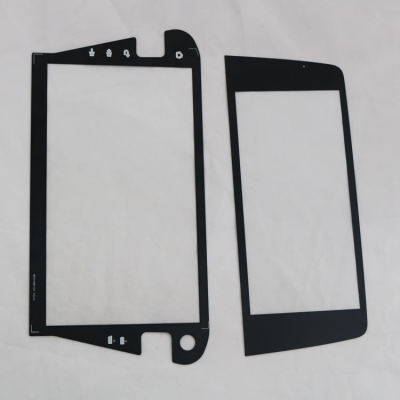
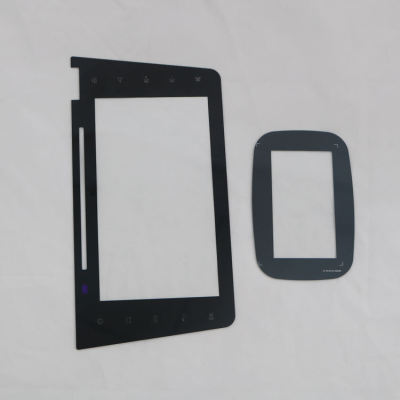
External contours, rounded corners, holes, slots, notches, openings and edge details according to approved drawings.
✔ OEM / ODM Customization
✔ Free Drawing DFM Technical Review
✔ 24-Hour Professional Quotation
✔ Flexible Low MOQ & Fast Prototypes

| Share | |
|---|---|
| Categories | Display Cover Glass |
| Brand | FELIX GLASS optical glass Manufacturing base |
| Product Specifications | FG-oem-021 |
| Material | Tempered soda lime glass / Aluminosilicate glass |
| Processing | CNC edge machining, C/J chamfer |
| Coating | AR / AG / AF multi-layer coating optional |
| Surface | Custom silk-screen printing available |
| Application | Industrial HMI, touch display panel |
| FOB port | SHENGZHEN SHANGHAI GUANGZHOU |
| Terms of Payment | L/C, D/A, D/P, Western Union, T/T |
| Download |  |
Drawing-based cover glass with CNC contours, holes, slots, edge finishing, strengthening, AR/AG/AF surface options and functional printing for industrial HMI and touch-display systems.
Dongguan Felix Glass Co., Ltd.
Custom engineering support · Prototype-to-production supply · james@felixglass.com
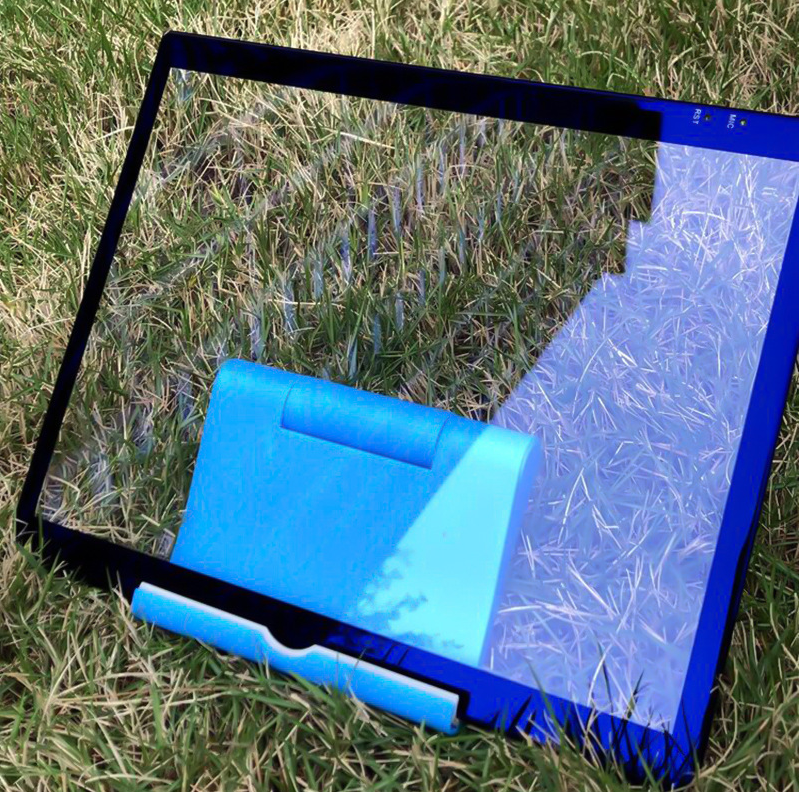
Industrial display cover glass is the external protective and functional glass interface positioned above a display, touch sensor or human-machine interface. In addition to protecting the underlying module, the cover glass may incorporate custom CNC geometry, optical surface treatments, strengthening and decorative or functional printing.
Unlike a standard rectangular glass panel, custom HMI cover glass is normally developed around the enclosure, display active area, touch architecture, illumination, operating environment and appearance specification. Dimensions, edge features, holes, slots, printed borders and surface treatments must therefore be reviewed as a connected product configuration.
Dongguan Felix Glass Co., Ltd. supports OEM teams from preliminary requirement review through sample approval and repeat production. A complete drawing is preferred, but early-stage projects can begin with dimensions, reference samples, display-stack information or functional requirements.
Every capability is evaluated against the selected substrate, thickness, geometry, visual requirements and end-use environment.
External contours, rounded corners, holes, slots, notches, openings and edge details according to approved drawings.
Soda-lime, low-iron, borosilicate, aluminosilicate or customer-specified substrates subject to availability and review.
AR, AG and AF options selected around display brightness, glare, touch use, cleaning and appearance goals.
Black borders, logos, icons, scale marks and transparent or semi-transparent functional zones.
Thermal tempering or chemical strengthening where compatible with the glass composition, thickness and part design.
Inspection and material, coating or printing documentation scoped according to agreed project requirements.
Material selection balances optical appearance, thickness, strengthening route, thermal environment, impact risk, processing requirements, availability and project cost.
| Material | Why It May Be Selected | Engineering Considerations |
|---|---|---|
| Soda-Lime Glass | Cost-conscious industrial panels and conventional display interfaces. | Thickness, strengthening, CNC geometry and surface options must be matched to the project. |
| Low-Iron Glass | Higher visible clarity and reduced green tint for appearance-sensitive displays. | Supplier grade, color expectation, thickness and appearance criteria should be identified. |
| Borosilicate Glass | Selected industrial equipment requiring improved thermal stability compared with conventional soda-lime glass. | CNC feasibility, strengthening route, coating and mechanical design require review. |
| Aluminosilicate Glass | Thin or higher-performance cover applications where chemical strengthening may be required. | Exact grade, availability, thickness, geometry and strengthening requirement must be confirmed. |
| Sapphire | Specialty smaller protection windows requiring high hardness and abrasion resistance. | Normally evaluated for demanding localized windows rather than conventional large-area display covers. |
Material note: Brand names or customer-specified substrates can be reviewed for sourcing purposes. Their mention does not imply authorization, distributorship or affiliation. No material property should be treated as a finished-part guarantee without an agreed design and test method.
These treatments solve different problems. The best configuration depends on the display, lighting, touch interaction, viewing distance, cleaning method and durability target.
AR coating targets surface reflection over a defined wavelength and angle range. The RFQ should state the spectral band, measurement target, coated surface and environmental requirement.
AG treatment diffuses reflected light to reduce perceived glare in bright environments. Haze, clarity, sparkle, display resolution and viewing distance should be considered together.
AF or oleophobic treatment supports easier cleaning and fingerprint management. Contact-angle, abrasion and cleaning-agent requirements must be defined if they are acceptance criteria.
Combination options: AR + AF, AG + AF and selected multi-function structures can be evaluated. Final compatibility and performance depend on the substrate, process sequence and measurable project specification.
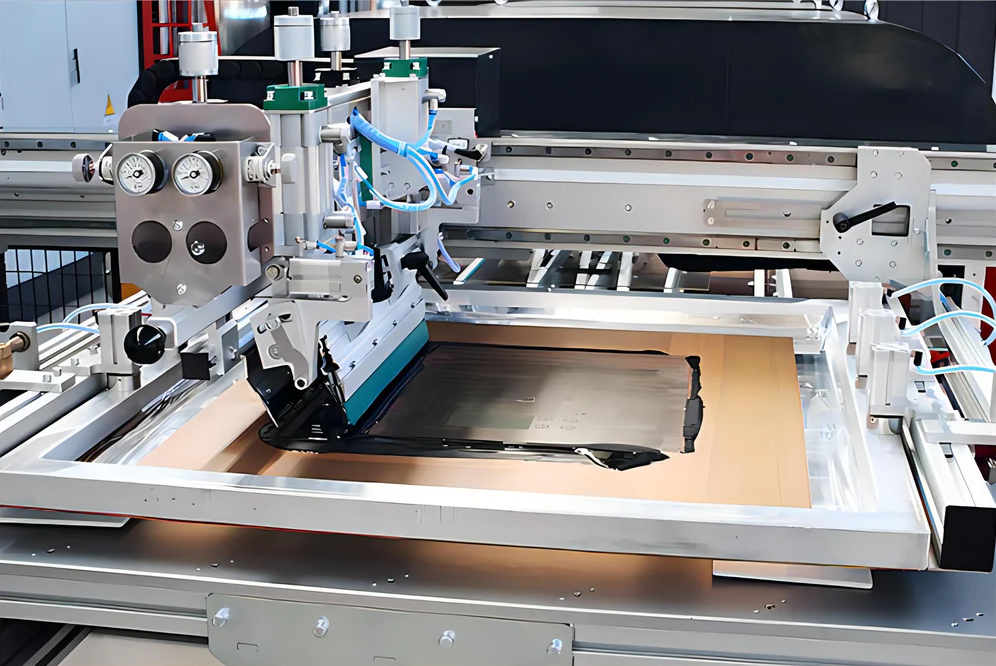
CNC geometry and printing are developed around the housing, display active area, touch sensor, camera or indicator openings and assembly method. Feature spacing, corner design, edge strength and print registration should be resolved before sample production.
Please provide vector artwork, color reference, printing side, opacity target, registration tolerance and viewing-side orientation where available.
A well-prepared specification reduces clarification cycles and helps the quotation reflect the real product instead of assumptions.
Attach the 2D drawing, STEP file, print artwork and available acceptance criteria for an engineering review.
Send Your Specifications| Dimensions | Length, width, thickness, corner radius and dimensional tolerances. |
|---|---|
| CNC Features | External contour, holes, slots, notches, grooves, openings, chamfers and edge finish. |
| Display Area | Active area, clear zones, black mask boundaries, touch and viewing side. |
| Glass | Preferred grade or the optical, mechanical, thermal and cost requirements used for selection. |
| Surface | AR, AG, AF or combined treatment with measurable acceptance criteria where required. |
| Strengthening | Thermal, chemical or recommendation required; include any test standard and pass/fail requirement. |
| Printing | Artwork, color, opacity, print side, registration tolerance and appearance standard. |
| Environment | Temperature, humidity, UV exposure, chemicals, cleaning, impact and outdoor use. |
| Commercial | Prototype quantity, annual demand, target delivery, packaging and documentation. |
Each application has different priorities for visibility, touch response, appearance, cleaning, impact and environmental exposure.
Custom cover glass for PLC interfaces, machine controls, factory HMIs and production-monitoring terminals.
Front glass for charging equipment, ticketing systems, access terminals and outdoor information displays.
Printed and coated glass interfaces for diagnostic, monitoring and laboratory control equipment.
Cover glass for vehicle interfaces, control systems and passenger-information equipment.
Custom front glass for vending, access-control and other commercial touch-display systems.
CNC and printed glass designed around capacitive touch sensors, active areas and enclosure interfaces.
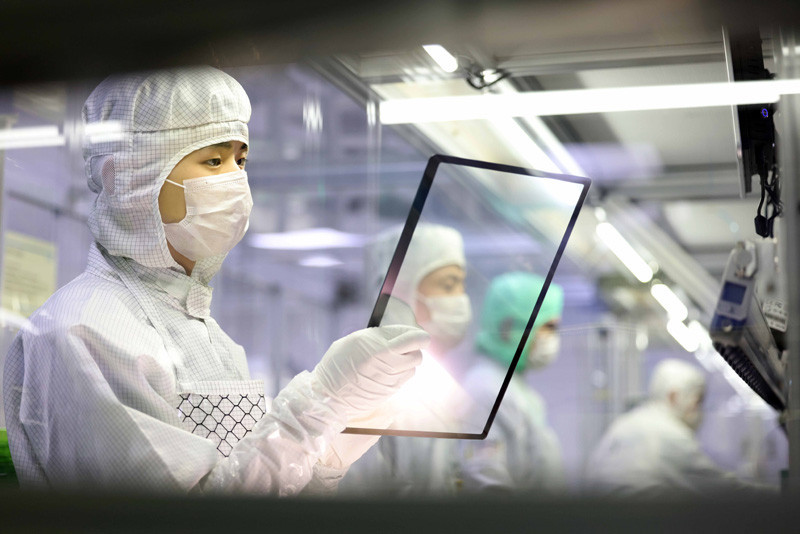
This generalized example shows how geometry, display area, surface treatment and printing are connected during project review.
Project information is presented in a generalized format to protect customer confidentiality. Final capability is confirmed against the submitted drawing and requirements.
The evidence below connects each image to a buyer-relevant manufacturing or inspection activity.
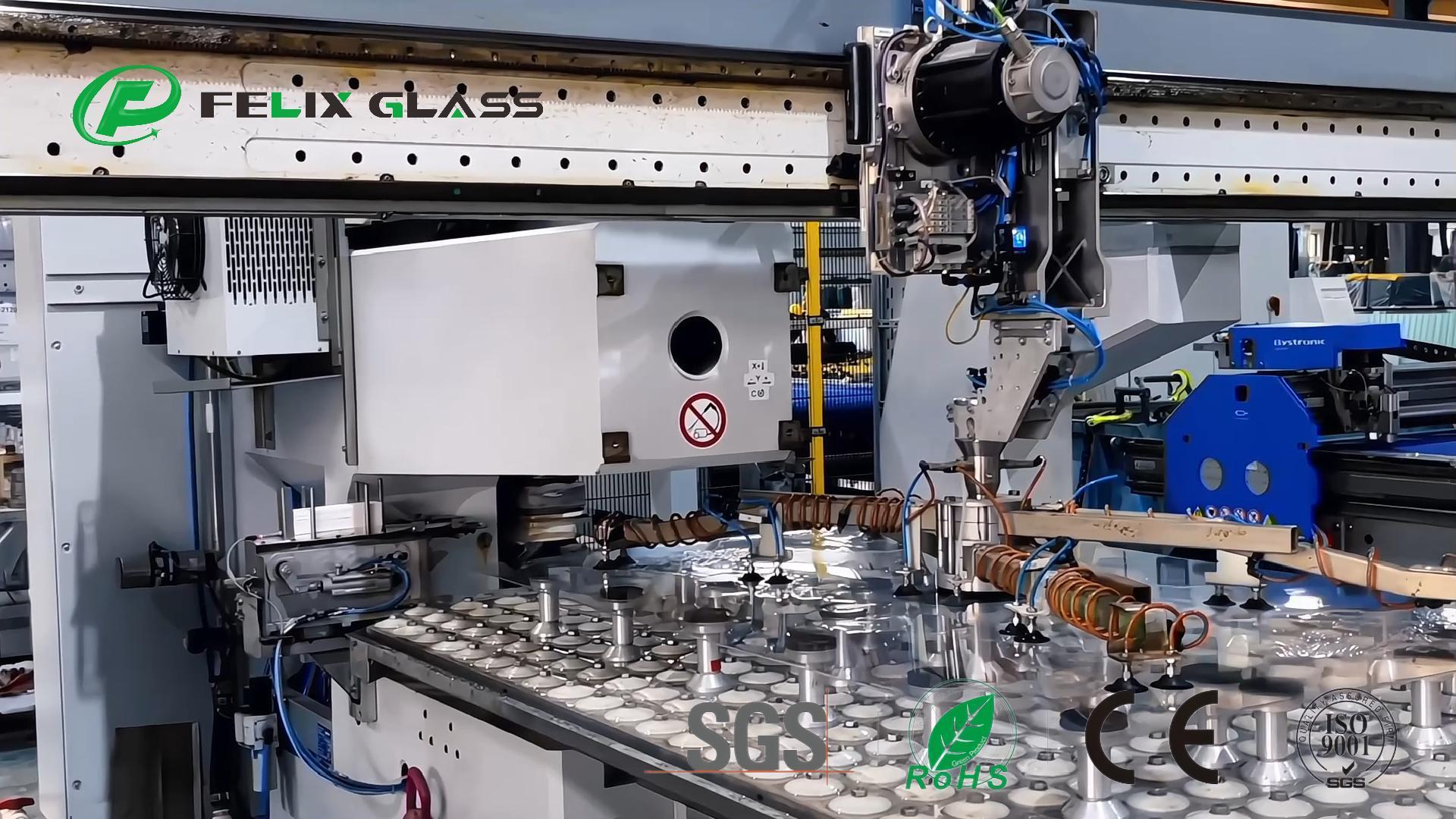
Contours, holes and interface features are processed against approved files.
Borders and markings are applied according to approved artwork.
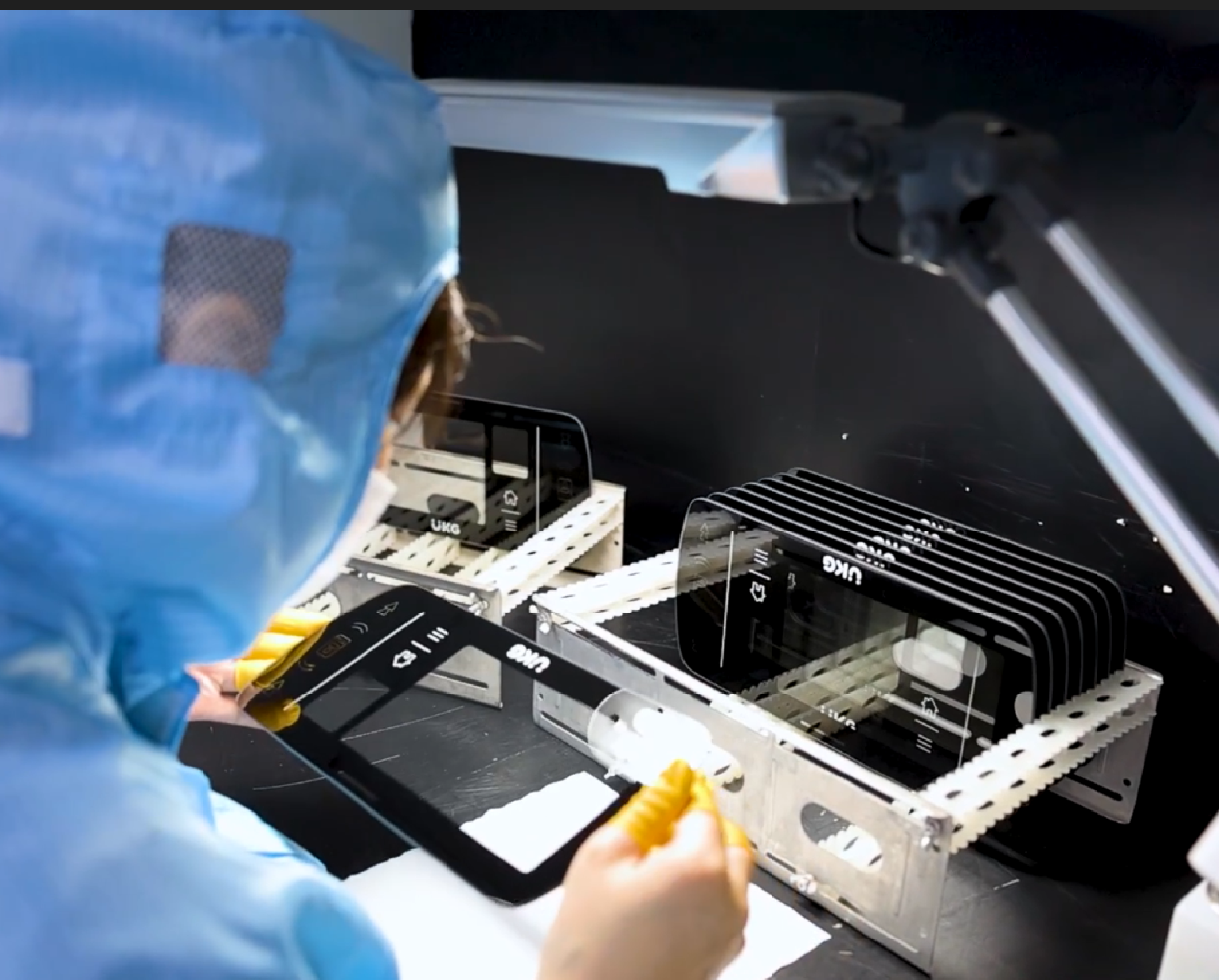
Cosmetic condition, print and drawing features are checked to agreed criteria.
Release follows the drawing, appearance and documentation scope.
Drawing, artwork, display, environment, quantity and acceptance criteria.
Clarify material, geometry, treatment, printing and inspection assumptions.
Manufacture and inspect samples against the approved specification.
Use controlled files and agreed criteria for pilot and repeat orders.
Schedule note: MOQ and lead time depend on material availability, tooling, geometry, strengthening, coating, printing, quantity and inspection requirements. They are confirmed in the project quotation rather than published as universal promises.
Use these internal resources to compare related protective and optical glass capabilities.
It is the protective and functional glass interface above an industrial display, touch sensor or HMI. It can combine custom geometry, strengthening, optical surface treatment and printing in one drawing-based component.
Soda-lime, low-iron, borosilicate, aluminosilicate and selected specialty substrates can be evaluated. The right material depends on thickness, optical appearance, environment, strengthening, geometry, availability and cost.
AR targets reflection, AG diffuses reflected light to reduce perceived glare, and AF supports fingerprint and cleaning performance. Each requires its own measurable specification where performance is critical.
Selected combined structures can be evaluated, subject to the substrate, process sequence, optical target, durability requirement and cleaning environment.
Yes, custom CNC features can be reviewed from 2D and 3D files. Feasibility depends on material, thickness, feature size and spacing, corner design, tolerance and strengthening route.
Yes. Please provide vector artwork, color reference, opacity, printing side, viewing orientation and registration tolerance. Final capability is confirmed after artwork review.
Neither is universally better. The choice depends on glass composition, thickness, geometry, optical and appearance requirements, break behavior and the specified test method.
Prototype and sample-approval programs can be evaluated before pilot or repeat production. MOQ and schedule depend on material, tooling, CNC, treatment, printing and inspection scope.
Send available drawings, glass and thickness, CNC features, surface options, strengthening, printing artwork, appearance criteria, environment, quantity and required documentation.
Project-defined dimensional, appearance, material, coating or printing records can be included where applicable. Specify the required report and acceptance method in the RFQ.
James brings 19 years of optical-industry experience to international custom glass inquiries, helping connect buyer requirements with manufacturing review and commercial follow-up.
The page describes drawing-based custom manufacturing capabilities. Final material, tolerance, process, testing, MOQ and delivery commitments are confirmed in the quotation and approved specification.
Attach your drawing, print artwork or preliminary requirements for material, CNC, AR/AG/AF, strengthening, inspection and quantity review.
Send us your drawing, dimension & coating requirements for fast quotation within 24 hours.
Get Free RFQ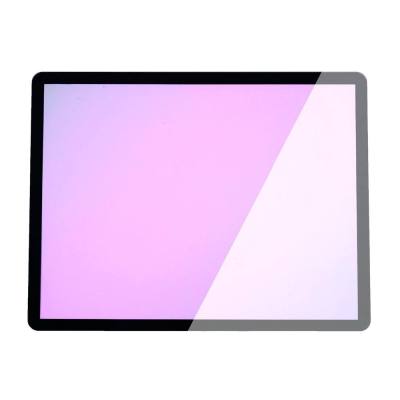
We supply Industrial Glass, Sapphire Optics, Optical Lenses/Prisms/Filters, Infrared IR Optics, Functional & Display Glass, N-BK7/H-K9L Optical Glass, supporting OEM mass production and laboratory custom prototypes. Flexible MOQ & free sample service available. Fill in the form to download full datasheets and get factory wholesale price within 24 hours.
FELIX OPTICAL GLASS offers highly flexible MOQs to support customer projects, including prototype testing, small-batch trial orders, and high-volume production. All products can be fully customized to your drawings, tolerances, and application standards. Please send us your specifications, and we will reply within 1-5 hours and provide an accurate quotation after careful evaluation within 1-2 days.
Yes, our FELIX GLASS factory supports sample testing for a wide range of precision optical glass components and assemblies. The lead time for sample production is 3 to 7 working days. Please contact us today to arrange samples and obtain a customized solution that meets your needs.
A: The production cycle for standard samples is 3-10 working days, while mass production requires 15-35 working days, depending on the complexity of the product and the order quantity. We provide reliable precision optical glass components and fast delivery services for orders from industries such as defense, industrial equipment, medical devices, shipbuilding, robotics, automotive, and aerospace. Please submit your project details so we can provide you with an accurate delivery schedule.
All precision optical glass components from FELIX OPTICAL GLASS comply with ISO quality system standards as well as CE and RoHS requirements. We provide comprehensive test reports, spectral graphs, material certificates, and inspection documents for customer review. Please feel free to request complete certification details and a formal quotation at any time.
Yes. We offer a full range of precision optical glass component processing services, including CNC machining, precision grinding, optical polishing, chemical/physical tempering, vacuum coating (AR anti-reflective coating, AF anti-fingerprint coating, AG anti-glare coating, IR infrared coating), and screen printing. From raw materials to finished products, every step is completed in our own factory. Please tell us your needs, and we will provide you with the most cost-effective solution.