Maximum Plate Size
Large-format quartz plates are selected by raw material grade, plate thickness, and flatness requirement.

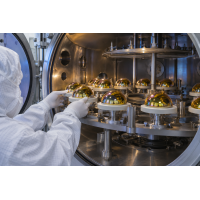
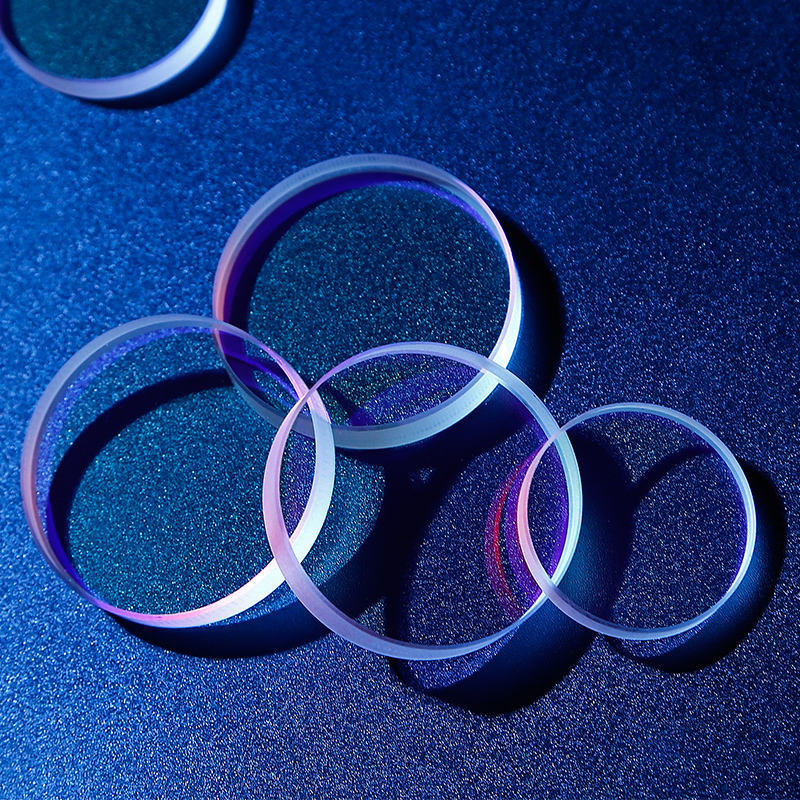
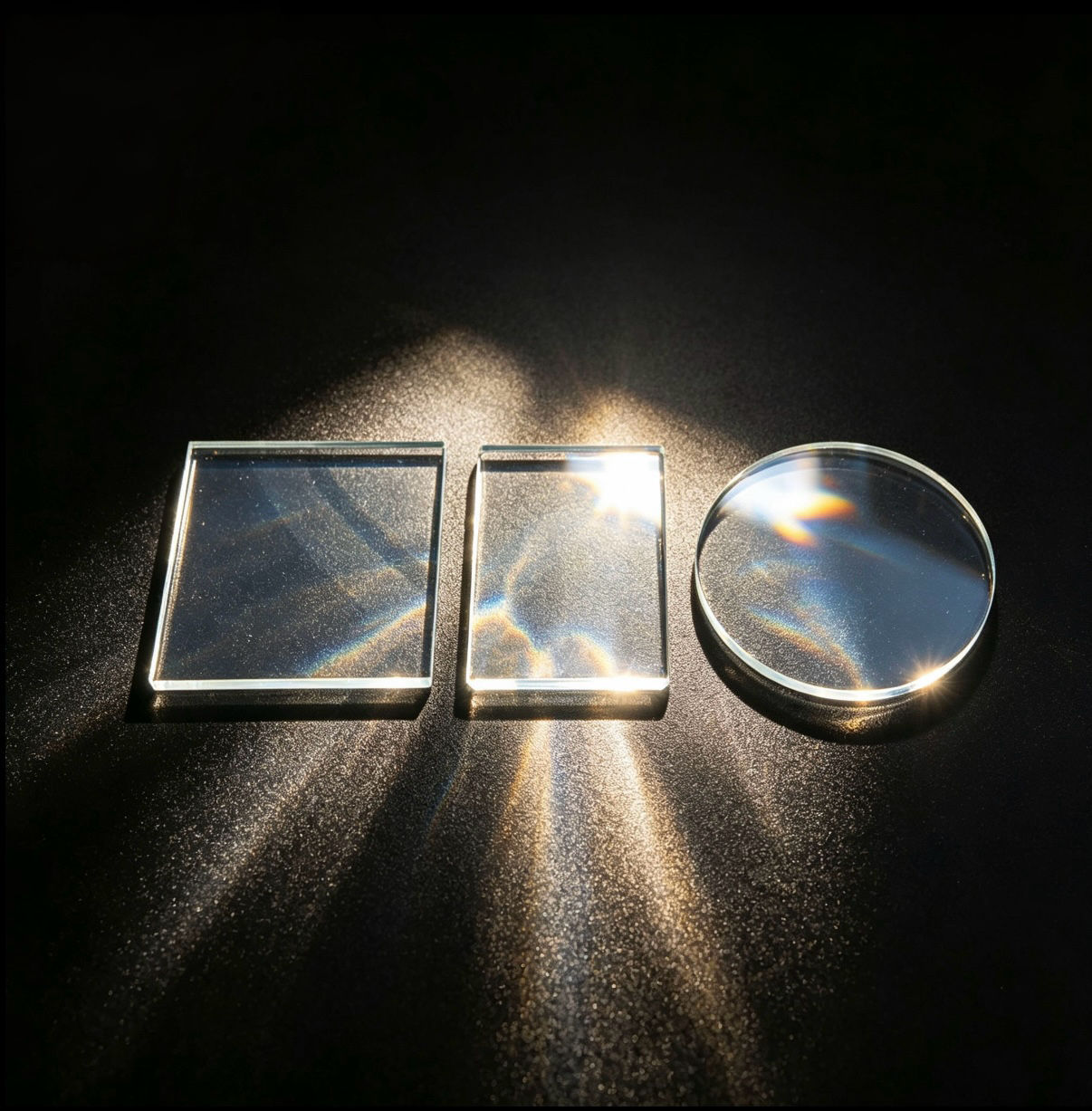
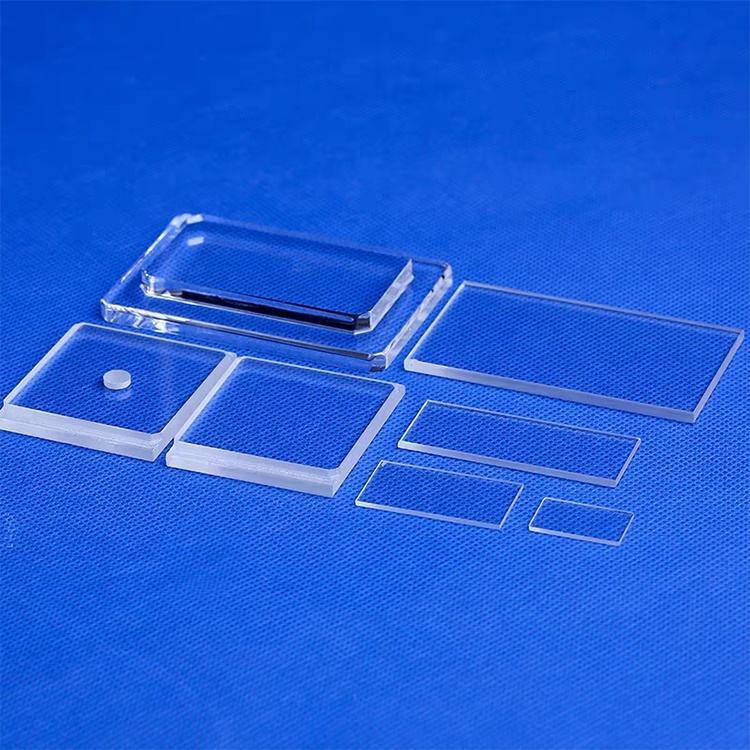
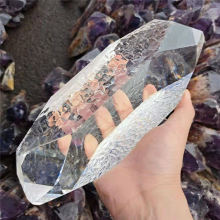
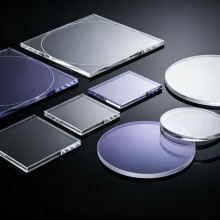
Felix Glass supplies high-purity fused quartz glass plates with superior UV transmission performance and ultra-low thermal expansion coefficient. The material maintains stable optical performance under high temperature and rapid cold-heat alternating conditions, free from deformation and cracking. Custom processing includes cutting, CNC precision grinding, polishing, drilling and chamfering, supporting single-sided and double-sided optical polishing for industrial optical and laboratory precision equipment. Typical customization ranges shown for reference. Actual specifications depend on material selection and engineering requirements. Typical values help engineers compare fused silica plate options for UV transparent quartz sheet, high temperature resistant quartz glass, and custom optical quartz panel projects. Typical customization ranges shown for reference. Actual specifications depend on material selection and engineering requirements. For matching tubular quartz assemblies, see Quartz Glass Tubes. Felix Glass supports drawing-based fused silica plate processing for dimensional, edge, hole, and optical surface requirements. Large-format quartz plates are selected by raw material grade, plate thickness, and flatness requirement. Thin quartz sheets can be processed for UV windows, wafers, and precision instrument substrates. Controlled grinding and inspection keep custom fused silica plate thickness aligned with assembly drawings. Flatness is specified according to optical path, sealing surface, and thermal load conditions. Surface roughness is matched to transparency, sealing, cleaning, and contact requirements. Round holes, slots, countersinks, and mounting features can be processed by CNC and fixture methods. Chamfering reduces edge stress concentration during handling, heating, and installation. Single-sided or double-sided optical polishing is available for UV and inspection windows. Typical customization ranges shown for reference. Actual specifications depend on material selection and engineering requirements. Each custom quartz glass plate follows a production route that balances dimensional precision, surface cleanliness, and thermal stress control. Typical customization ranges shown for reference. Actual specifications depend on material selection and engineering requirements. Quartz Glass Plates are specified when transparent flat substrates must remain stable under UV exposure, thermal cycling, chemical cleaning, or equipment-level dimensional constraints. For adjacent engineered glass formats, review Custom Glass Panels and Curved Glass. Typical customization ranges shown for reference. Actual specifications depend on material selection and engineering requirements.
High purity fused quartz plate engineering
Product Overview
 Material data
Fused Quartz Material Physical & Optical Properties
UV transmission band Typical 185nm ~ 2500nm Coefficient of thermal expansion Typical 0.54 x 10^-6 /K Continuous working temperature Typical <=1100 deg C Softening point Typical 1730 deg C Density Typical 2.2 g/cm3
 Custom processing
Full Customization Technical Capabilities
Maximum Plate Size
Minimum Thickness
Thickness Tolerance
Surface Flatness
Surface Roughness
Arbitrary Hole Drilling
Edge Chamfer & Polishing
Optical Polishing Grade
Controlled manufacturing
Standard Production Manufacturing Workflow
01Raw quartz block cutting
02CNC precision grinding
03Fine surface polishing
04Ultrasonic high-purity cleaning
05High temperature annealing
06Optical dimension inspection
07Vacuum sealed packaging
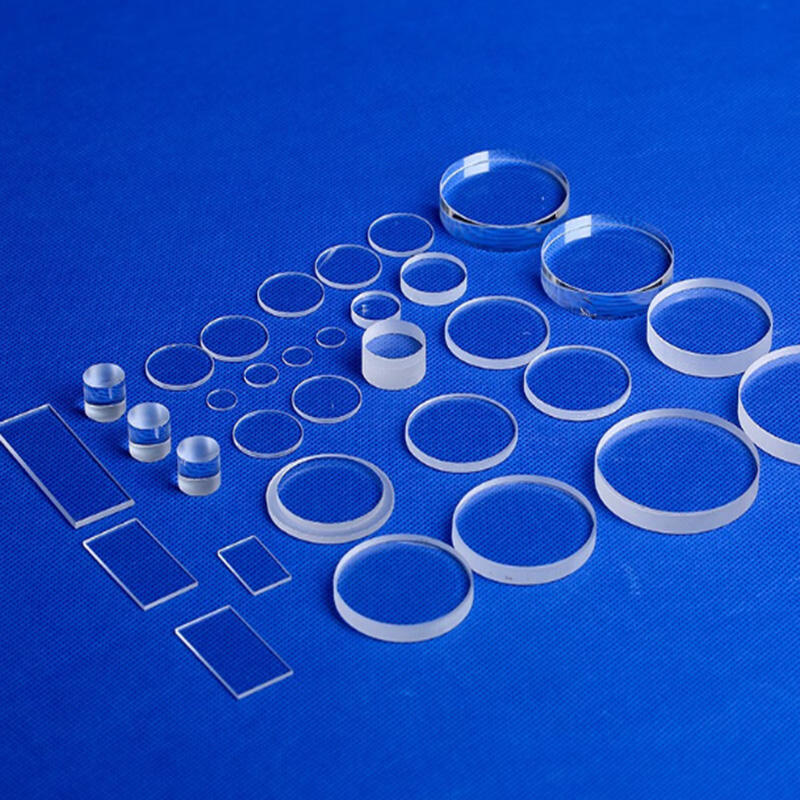 Application fitUV, thermal, optical and fixture environments
Engineering use cases
Application fitUV, thermal, optical and fixture environments
Engineering use cases
Core Industry Application Scenarios
UV curing equipment
Laboratory optical instruments
Semiconductor testing fixtures
Aerospace optical windows
Industrial laser equipment
Biochemical analysis equipment
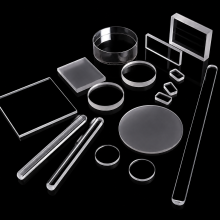
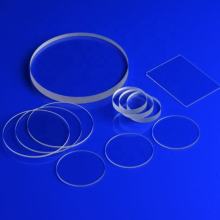
Engineers sourcing quartz glass plates often need coordinated parts made from the same material family to simplify assembly tolerance, cleaning, and thermal behavior. Matched tubular quartz parts for UV lamps, heaters, fluid channels, and instrument assemblies. Fused quartz rods for fixture support, optical alignment, and thermal-resistant structural use. Custom machined fused silica parts with holes, slots, radii, chamfers, and optical surfaces. Plate, tube, rod, and shaped quartz components can be coordinated from one drawing package. Typical customization ranges shown for reference. Actual specifications depend on material selection and engineering requirements. Felix Glass aligns quartz glass plate inspection with optical, thermal, and dimensional risks commonly found in UV curing, semiconductor, laboratory, aerospace, laser, and biochemical analysis equipment. Typical customization ranges shown for reference. Actual specifications depend on material selection and engineering requirements. Answers are written for buyers comparing fused silica plate options by UV grade, heat resistance, machining difficulty, and documentation requirements. Material grade, thickness, polishing quality, and wavelength range are reviewed together. UV transparent quartz sheet projects should define the working band before quoting. Use suitable fused quartz grade, avoid sharp inside corners, add chamfers, control thermal ramp rate, and apply annealing when the design carries high stress. Minimum thickness depends on plate size, hole layout, edge design, and polishing requirement. Thin substrates are evaluated with fixture support before production. Many high temperature resistant quartz glass applications use uncoated surfaces. Coating is considered only when reflection control, contamination control, or a defined optical function is required. Lead time depends on material availability, size, tolerance, hole drilling, optical polishing, and inspection documents. Drawing-based quotation confirms the schedule. Third-party or project-specific optical inspection reports can be arranged when UV transmittance, flatness, roughness, or dimensional records are required. Share the drawing file, equipment use scenario, target dimensions, and polishing requirement so Felix Glass can review material grade, machining route, inspection level, and packaging method.
Quartz family
Matching Supporting Quartz Components
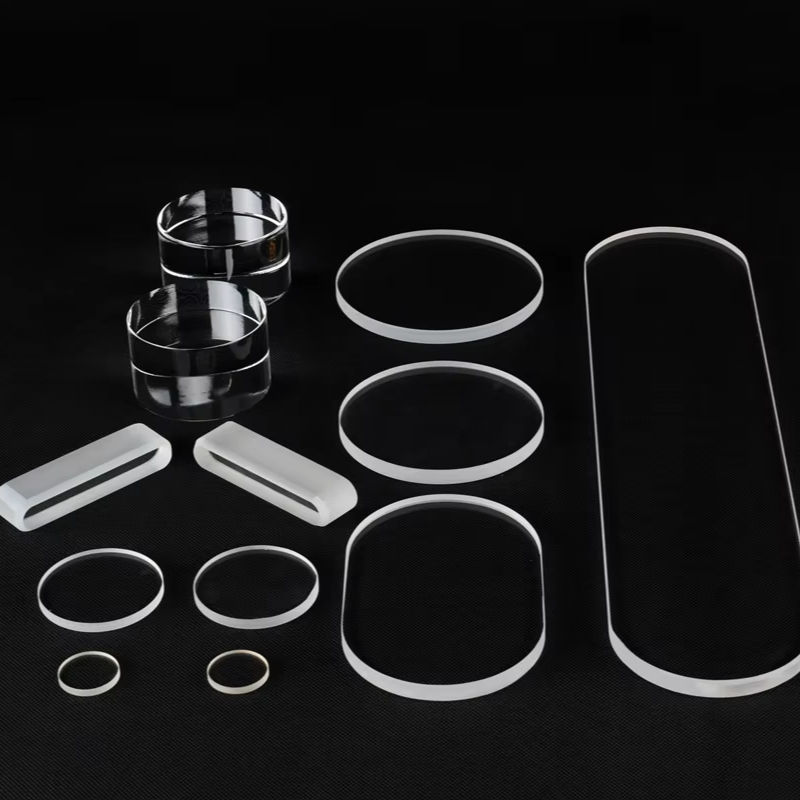
Quartz Glass Tubes
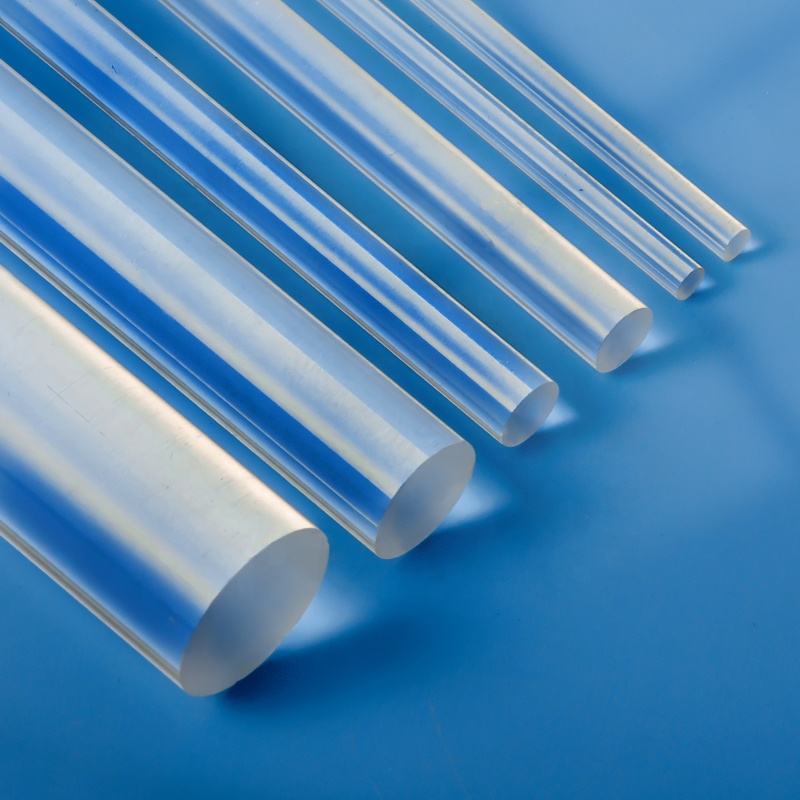
Quartz Rods
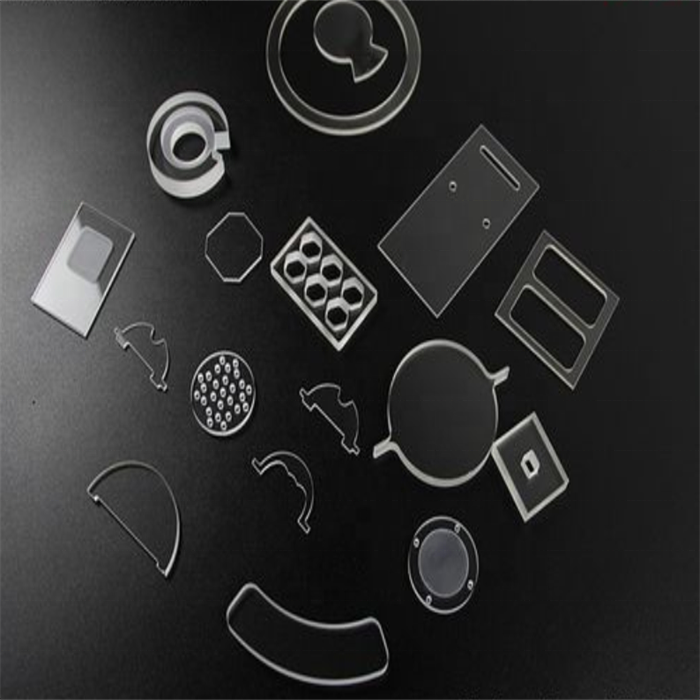
Special Structural Parts
One-stop Processing Service
Inspection and validation
Strict Optical & Thermal Test Standards
UV transmittance spectrum test
Thermal shock alternating test
Flatness interferometer inspection
Surface roughness test
Dimensional tolerance full inspection
Annealing stress elimination test
Procurement questions
Engineering Custom FAQ
How are UV transmittance grades separated?
How can cold-heat cracking risk be reduced?
What is the minimum machinable thickness?
Does high temperature use require coating?
What is the normal lead time for quartz plates?
Can third-party optical test reports be supplied?
Upload Industrial Equipment Drawings for Quartz Glass Plate Quotation

FELIX OPTICAL GLASS offers highly flexible MOQs to support customer projects, including prototype testing, small-batch trial orders, and high-volume production. All products can be fully customized to your drawings, tolerances, and application standards. Please send us your specifications, and we will reply within 1-5 hours and provide an accurate quotation after careful evaluation within 1-2 days.
Yes, our FELIX GLASS factory supports sample testing for a wide range of precision optical glass components and assemblies. The lead time for sample production is 3 to 7 working days. Please contact us today to arrange samples and obtain a customized solution that meets your needs.
A: The production cycle for standard samples is 3-10 working days, while mass production requires 15-35 working days, depending on the complexity of the product and the order quantity. We provide reliable precision optical glass components and fast delivery services for orders from industries such as defense, industrial equipment, medical devices, shipbuilding, robotics, automotive, and aerospace. Please submit your project details so we can provide you with an accurate delivery schedule.
All precision optical glass components from FELIX OPTICAL GLASS comply with ISO quality system standards as well as CE and RoHS requirements. We provide comprehensive test reports, spectral graphs, material certificates, and inspection documents for customer review. Please feel free to request complete certification details and a formal quotation at any time.
Yes. We offer a full range of precision optical glass component processing services, including CNC machining, precision grinding, optical polishing, chemical/physical tempering, vacuum coating (AR anti-reflective coating, AF anti-fingerprint coating, AG anti-glare coating, IR infrared coating), and screen printing. From raw materials to finished products, every step is completed in our own factory. Please tell us your needs, and we will provide you with the most cost-effective solution.