
Looking for Custom Optical Components?
✔ OEM / ODM Customization
✔ Free Drawing DFM Technical Review
✔ 24-Hour Professional Quotation
✔ Flexible Low MOQ & Fast Prototypes
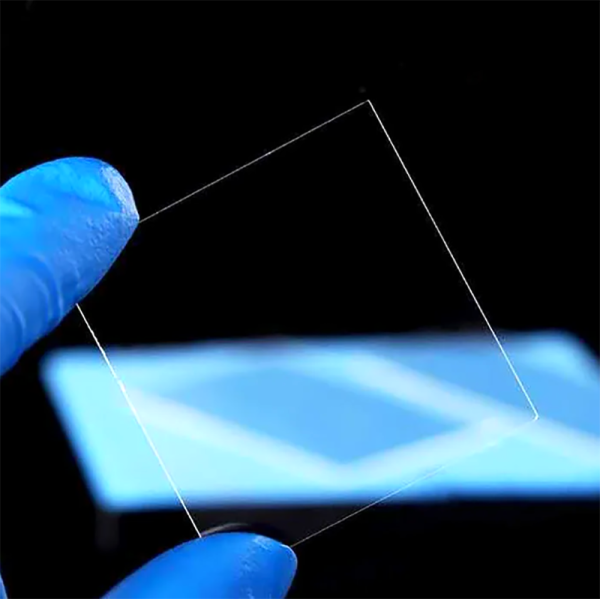
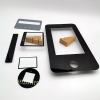
Custom Sapphire Touch Cover | Biocompatible Mohs 9 AF/AR+AF Coated Glass for Medical Equipment

| Share | |
|---|---|
| Categories | Laboratory Optical Glass |
| Brand | FELIX GLASS optical glass Manufacturing base |
| Model | FG-MBS-SDC-12 |
| Base Material | Medical biocompatible single crystal sapphire |
| Mohs Hardness | Grade 9 |
| Standard Thickness | 0.5mm / 0.8mm / 1.2mm |
| Disinfection Resistance | Target: 5,000 alcohol-wipe cycles; protocol and acceptance criteria to be agreed |
| Coating | AF anti-fingerprint single layer / AR+AF composite |
| Chemical Resistance | Project-specific validation with named medical disinfectants, weak acids & alkalis |
| Surface Polish | Full cleanroom optical polishing |
| FOB port | SHENGZHEN SHANGHAI GUANGZHOU |
| Terms of Payment | L/C, D/A, D/P, Western Union, T/T |
Custom Medical Grade Sapphire Touch Cover Manufacturer
Biocompatible Single-Crystal Sapphire Display Cover for Medical Equipment
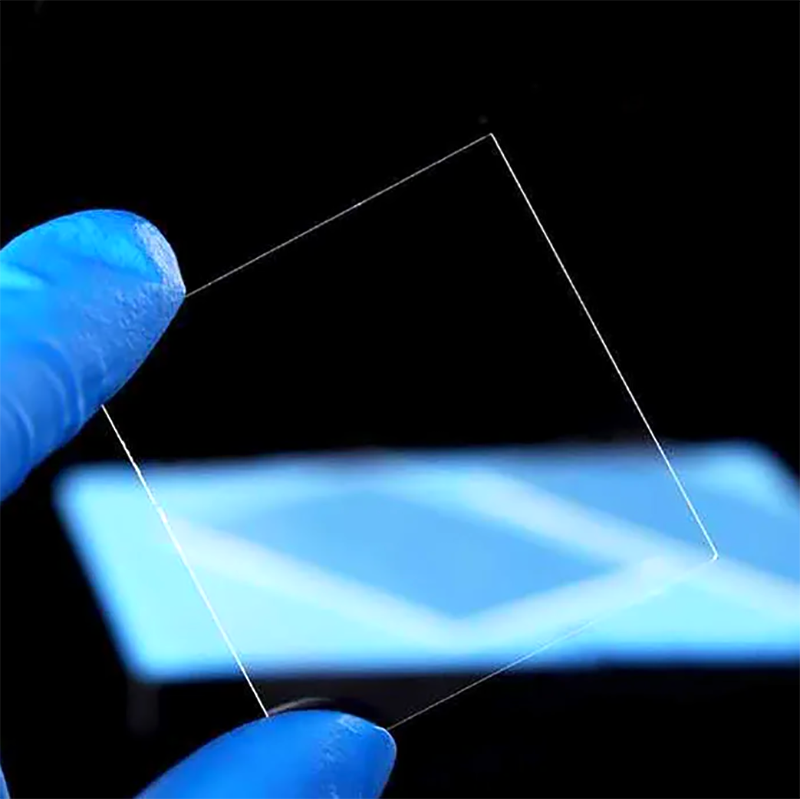
Custom medical-grade sapphire touch cover glass engineered for diagnostic analyzers, patient-monitoring interfaces, laboratory instruments and medical equipment exposed to frequent cleaning. With Mohs 9 hardness, chemical stability and optional AF or AR+AF coatings, the cover protects the display and touch stack while preserving optical clarity.
- 1-Piece Low MOQ Prototype Support
- Free Engineering Review Before Production
- Drawing-Based Sizes, Cutouts, Printing & Edge Profiles
- Standard Thickness: 0.5mm / 0.8mm / 1.2mm
- Mohs 9 Hardness, Scratch & Chemical Resistant
- AF or AR+AF Composite Functional Coatings
- Documentation Support for Medical Device Qualification
Is Your Current Medical Touch Cover Supplier Causing These Problems?
| Pain Points With Other Suppliers | Felix Glass Solution |
|---|---|
| Ordinary glass scratches easily from frequent cleaning and touch operation, reducing display readability over time | Single-crystal sapphire delivers Mohs 9 surface hardness — second only to diamond among optical materials — providing inherent scratch resistance from routine handling and repeated cleaning, supporting a stable viewing surface over extended equipment service life. |
| Chemical disinfectants corrode ordinary glass and coatings, causing coating peeling and haze after long-term use | Sapphire is chemically inert and nonporous, resisting attack from alcohol, medical disinfectants and cleaning agents. We review substrate, ink, adhesive and coating as one stack against your specific disinfectant protocol, concentration, dwell time and wipe cycles. |
| Suppliers do not understand medical device cleaning protocols or biocompatibility requirements, cannot provide documentation support | Dongguan Felix Glass Co., Ltd. aligns incoming material records and inspection outputs with your OEM qualification plan. We provide material records, dimensional/cosmetic/optical/coating inspection records, and change control inputs to support your medical device material qualification process. |
| AF coating cannot withstand repeated wiping, contact angle drops after a few hundred cycles, fingerprints become difficult to clean | Our AF and AR+AF coatings are engineered for medical cleaning durability. Up to 5,000 alcohol wipes can be established as a project acceptance target, with test liquid, wipe material, load, speed and pass/fail criteria agreed before validation. |
| Poor tolerance control on custom sizes, cutouts and printing causes assembly fit problems | We perform precision CNC machining, optical polishing and edge finishing with strict dimensional verification. Drawing-based geometry including rectangular/contoured outlines, radiused corners, slots, holes, notches, camera windows and sensor apertures is manufactured to your approved tolerances. |
| Supplier requires high MOQ, blocking medical device early-stage prototype validation | We support 1-piece prototype testing for medical sapphire touch covers, allowing you to verify optical performance, coating durability, touch response and assembly fit before committing to production volumes. |
| Difficult to find one supplier for sapphire precision machining + medical-grade coating + clean packaging + documentation support | We provide integrated control across sapphire blank preparation, CNC machining, optical polishing, AF/AR+AF coating, cleanroom packaging and full inspection documentation — one supplier from prototype to mass production for your medical touch cover project. |
Why Global Medical Device OEMs Work With Felix Glass
Optical Glass Processing Experience
Sapphire Surface Hardness
Prototype Support
Alcohol Cleaning Durability Target
Standard Thickness Options
Manufacturing Facility
*Actual cleaning durability, lead time and production capability depend on coating design, cleaning protocol, geometry, quantity and project requirements.
One Supplier From Prototype to Mass Production. Avoid quality disputes and delivery delays caused by multi-supplier coordination between sapphire material houses, machining shops, coating service providers and packaging vendors. We provide integrated control across sapphire blank preparation, precision machining, optical polishing, AF/AR+AF coating, cleanroom packaging and medical-grade documentation for your touch cover projects.
Medical Sapphire Touch Cover Engineered for Your Application
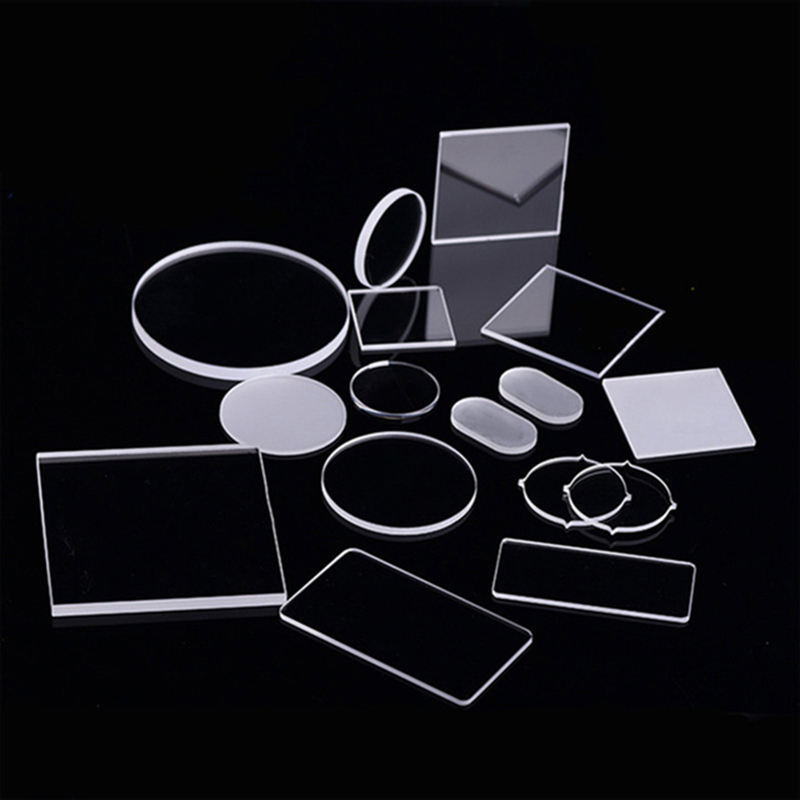
Biocompatible Sapphire Material
Single-crystal sapphire is selected for its chemical stability, nonporous surface and Mohs 9 hardness, supporting a biological safety assessment for medical device applications.
- Chemically inert & nonporous surface
- Mohs 9 hardness, scratch resistant
- Resists alcohol & medical disinfectants
- Material records available for qualification
- Non-contact / indirect / operator contact
Recommended Solution: Single-Crystal Sapphire Substrate + Precision Polishing + Custom CNC Machining
Discuss Your Material Requirement →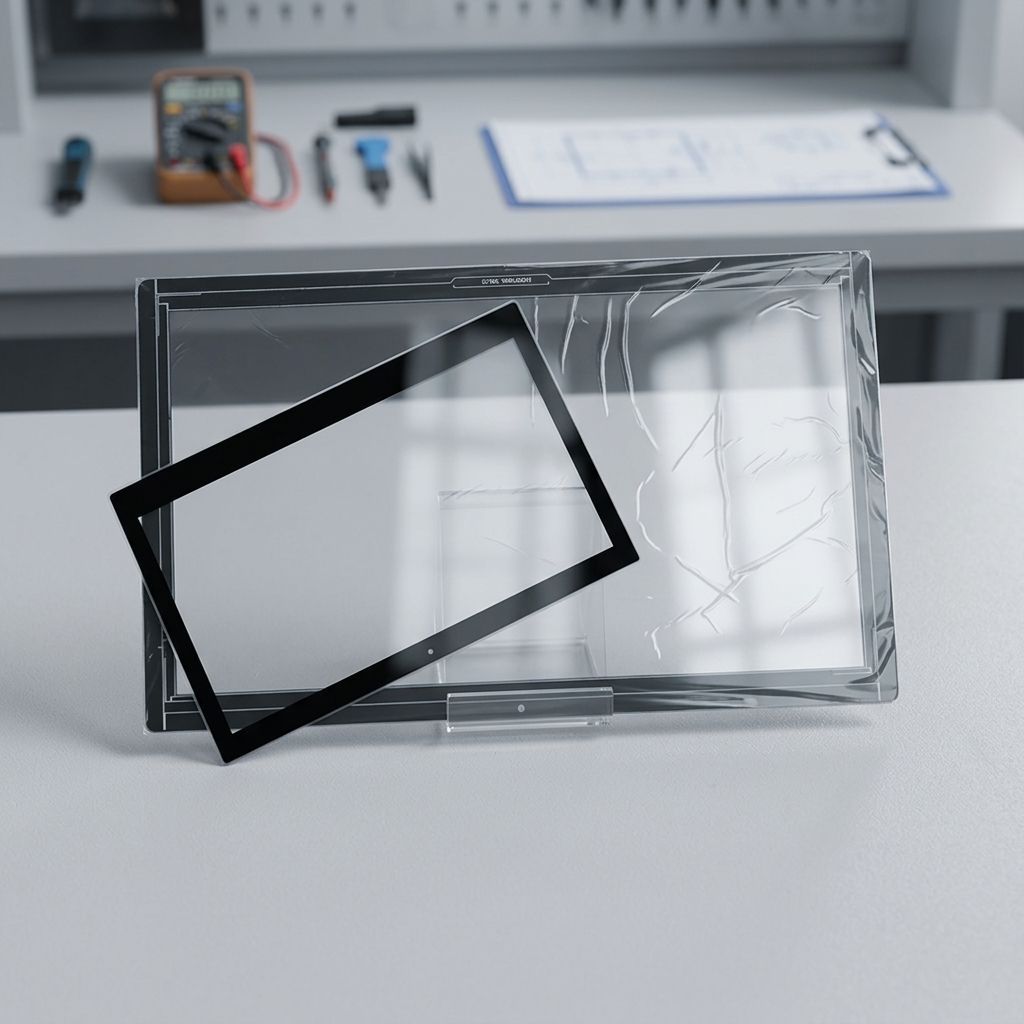
AF Anti-Fingerprint Coating
AF single-layer coating helps reduce fingerprint visibility and supports easier removal of routine surface residues for medical touch panels exposed to frequent handling.
- Initial contact angle ≥110°
- Reduces fingerprint adhesion
- Easier cleaning & disinfection
- Abrasion criteria specifiable on drawing
- Up to 5,000 alcohol wipe target*
Recommended Solution: Sapphire + AF Single-Layer Coating + Cleanroom Packaging
Request AF Coating Details →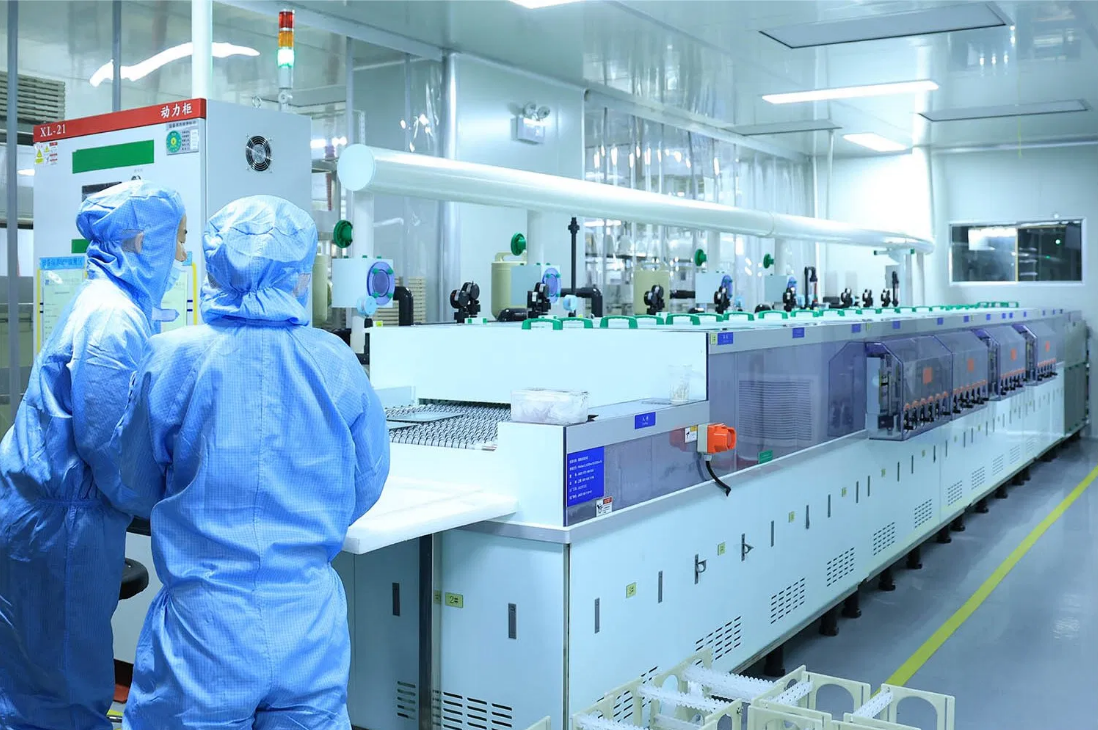
AR+AF Composite Coating
Combines reflection-control goals with a low-surface-energy top layer, ideal for medical displays operating in bright clinical environments where glare reduces readability.
- Reduces surface reflection & glare
- Improves display contrast & clarity
- AF top layer for easy cleaning
- Spectral range & reflectance target customizable
- Color neutrality for medical displays
Recommended Solution: Sapphire + AR+AF Composite Coating + Precision Polishing
Discuss AR+AF Coating →Core Technical Specifications
| Parameter | Specification |
|---|---|
| Material | Single Crystal Sapphire (Al₂O₃) |
| Standard Thickness | 0.5 mm / 0.8 mm / 1.2 mm; custom thickness available |
| Surface Hardness | Mohs 9 (Knoop 2,000 kg/mm²) |
| Surface Quality | 60-40 to 20-10 per MIL-PRF-13830B (custom) |
| Coating Option | AF single-layer, AR+AF composite, masked coating zones |
| AF Contact Angle | ≥ 110° initial (AF coated) |
| Geometry | Rectangular, contoured, radiused corners, slots, holes, notches, camera/sensor apertures |
| Edge Processing | Chamfered, rounded, polished edge profiles |
| Printing | Decorative printing, masked coating zones, optical bonding compatibility review |
| Cleaning Durability | Up to 5,000 alcohol wipes* (agreed project protocol) |
| Prototype MOQ | 1 piece |
| Prototype Lead-time | 2–3 weeks* |
| Mass Production Lead-time | 4–6 weeks* |
*Subject to coating design, cleaning protocol, geometry, quantity and project requirements.
Typical Medical Sapphire Touch Cover Applications
Diagnostic Analyzers
Application
Operator touch interfaces exposed to repeated cleaning in laboratory and point-of-care environments, where chemical disinfectants and frequent wiping challenge ordinary glass covers.
Our Solution
Custom sapphire touch cover with AF coating, precision-cut openings for sensor apertures, decorative printing zones, and rounded edges for safe handling. Material and inspection records aligned with OEM qualification plan.
Typical Outcome
Prototype covers passed assembly fit, optical clarity and initial cleaning cycle evaluation, approved for follow-up production batch orders.
Patient Monitoring Interfaces
Application
High-use display covers where scratch resistance and readable status information are critical, operating in clinical environments with frequent disinfectant cleaning between patients.
Our Solution
Sapphire substrate with Mohs 9 hardness, AR+AF composite coating to reduce glare and improve display readability, chamfered edges for patient safety, and cleanroom packaging.
Typical Outcome
Production covers passed optical and coating inspection, validated under customer cleaning protocol, approved for continuous supply.
Imaging & Medical Equipment Controls
Application
Touch panels and control HMIs requiring a durable optical surface and application-matched reflection control, often used in bright procedure rooms where display glare affects operation.
Our Solution
Custom contoured sapphire cover with AR+AF coating optimized for the display spectral range, precision CNC cutouts for buttons and indicators, controlled cosmetic zones per drawing.
Typical Outcome
Custom samples delivered on schedule, approved for assembly integration and follow-on qualification testing.
Clinical Laboratory Systems
Application
Equipment interfaces requiring cleanability, controlled cosmetic quality and repeatable custom geometry, operating in high-throughput laboratory environments with rigorous cleaning schedules.
Our Solution
Standard-thickness sapphire blanks (0.5/0.8/1.2mm) with precision polishing, AF coating for easy cleaning, full dimensional and cosmetic inspection records, and export-grade protective packaging.
Typical Outcome
Production lots passed incoming inspection at customer facility, approved for ongoing mass production supply.
From Drawing to Finished Medical Sapphire Touch Cover
01 Engineering Drawing Review
Confirm datum scheme, thickness, openings, edge safety, ink, optical zones, cosmetic criteria and cleaning protocol requirements to formulate customized production plans.
02 Material Selection & Blank Prep
Select matched single-crystal sapphire grade, prepare blanks to standard thickness (0.5/0.8/1.2mm) or custom thickness, align material records for medical qualification.
03 Precision CNC Machining
Cut and machine the sapphire blank to approved geometry: rectangular/contoured outlines, radiused corners, slots, holes, notches, camera windows and sensor apertures.
04 Optical Polishing & Edge Finishing
Polish functional surfaces to specified surface quality and flatness, apply chamfered or rounded edge profiles, control cosmetic zones per drawing, strict ultrasonic cleaning.
05 Printing & Masking
Apply decorative printing, define masked coating zones, review optical bonding compatibility, prepare surfaces for coating with precise masking of non-coating areas.
06 AF / AR+AF Coating
Apply specified AF single-layer or AR+AF composite coating via high-vacuum deposition, verify contact angle, reflectance, color neutrality and coating adhesion per acceptance criteria.
07 Strict Multi-Dimensional Inspection
Dimensional verification, cosmetic inspection, optical performance test, coating contact angle & adhesion test, surface quality check per MIL-PRF-13830B, full inspection records.
08 Cleanroom Packaging & Shipment
Clean and pack parts using approved handling and packaging methods for medical-grade shipment, include material records and inspection data package, protective export packaging.
Why Start With a 1-Piece Medical Sapphire Prototype?
01 Verify the Design
Confirm custom dimensions, assembly fit, cutout positions, edge geometry and printing alignment before qualification or production to avoid structural and cosmetic errors.
02 Test Performance & Durability
Evaluate optical clarity, AF/AR+AF coating performance, touch response with your sensor stack, and cleaning durability under your actual disinfectant protocol.
03 Reduce Program Risk
Validate all technical indicators with low-cost prototype testing before committing to qualification lots or full-rate production medical sapphire touch cover orders.
Not Sure Which Medical Sapphire Configuration You Need?
| Your Requirement | Recommended Sapphire Solution |
|---|---|
| General medical equipment touch interface | Sapphire + AF Single-Layer Coating |
| Bright clinical environment / high-glare display | Sapphire + AR+AF Composite Coating |
| Frequent alcohol disinfection / high cleaning frequency | Sapphire + Durable AF Coating + 5,000-Wipe Validation Protocol |
| Diagnostic analyzer / laboratory instrument | Sapphire + Precision Polishing + Custom Cutouts & Printing |
| Patient monitoring / high-use frequency | Sapphire + Mohs 9 Hardness + Rounded Edge Profile |
| Capacitive touch sensor integration | Thickness-Optimized Sapphire + Full Stack Touch Validation |
| Requires biocompatibility / qualification documentation | Material Records + Inspection Records + Change Control Support Package |
| Custom holes, cutouts & special-shaped outline | Precision CNC Machining before Polishing & Coating |
| Early-stage R&D / medical device prototype | 1-Piece Custom Medical Sapphire Touch Cover Prototype |
| Standard thickness requirement | 0.5mm / 0.8mm / 1.2mm Standard Sapphire Blanks |
Still confused about your project configuration? Ask Our Engineers for Free Guidance
Related Optical Products & Resources
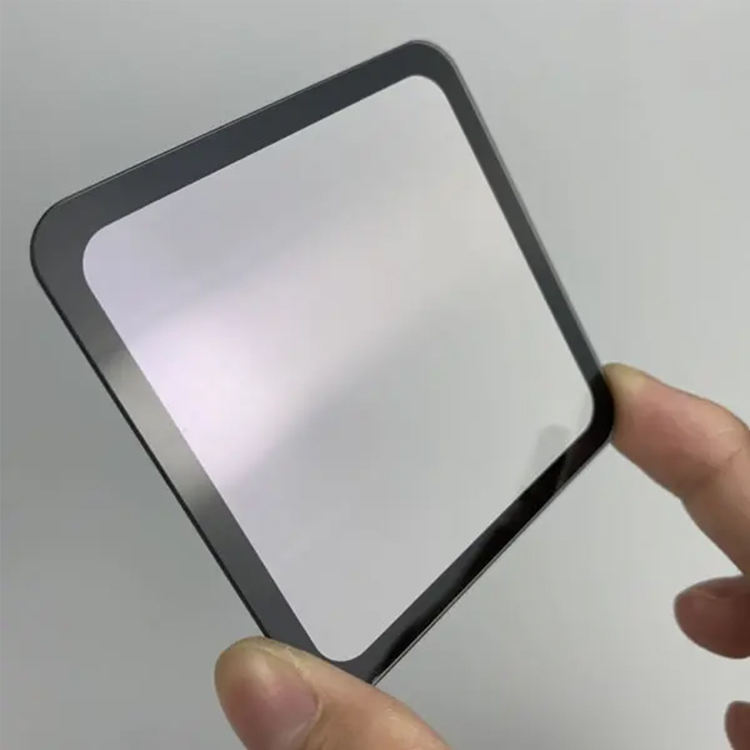
Sapphire Optical Glass Engineering Guide
Medical Sensor Optical Window System
Medical Diagnostic Sapphire Upgrade Case
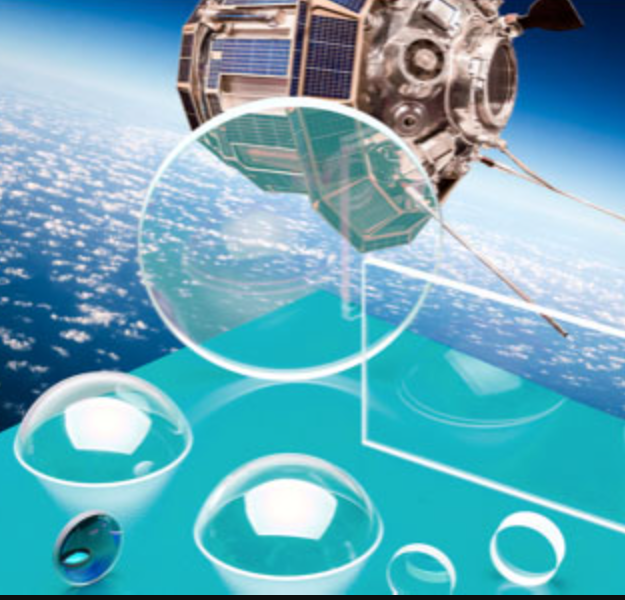
Multi-Band Sapphire EO/IR Window
Custom Sapphire Optical Components
Frequently Asked Questions Before Ordering
Request a Custom Medical Sapphire Touch Cover Quote
Tell us what you need. Our optical engineers will review your medical equipment requirements and provide a suitable manufacturing solution and quotation.
Have a Medical Sapphire Touch Cover Project? Let's Review It.
Send your drawing, sample photo, dimensions, cleaning protocol or coating requirements. You don't need to finalize every specification. Our optical engineering team will provide professional customized manufacturing solutions for your medical equipment project.
Free engineering review · 1-piece prototype support · Medical-grade documentation support
Need Custom Optical Glass Solution?
Send us your drawing, dimension & coating requirements for fast quotation within 24 hours.
Get Free RFQ
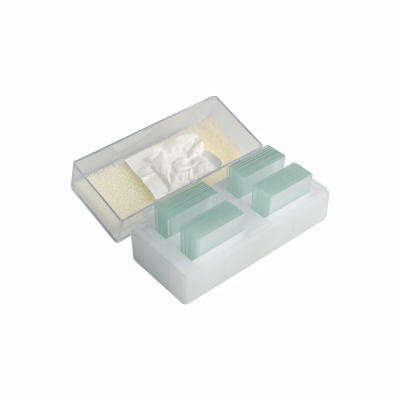
Custom Precision Optical & Glass Components Manufacturer – Felix Glass Co., Limited.
We supply Industrial Glass, Sapphire Optics, Optical Lenses/Prisms/Filters, Infrared IR Optics, Functional & Display Glass, N-BK7/H-K9L Optical Glass, supporting OEM mass production and laboratory custom prototypes. Flexible MOQ & free sample service available. Fill in the form to download full datasheets and get factory wholesale price within 24 hours.
- Name
- *Title
- *Content
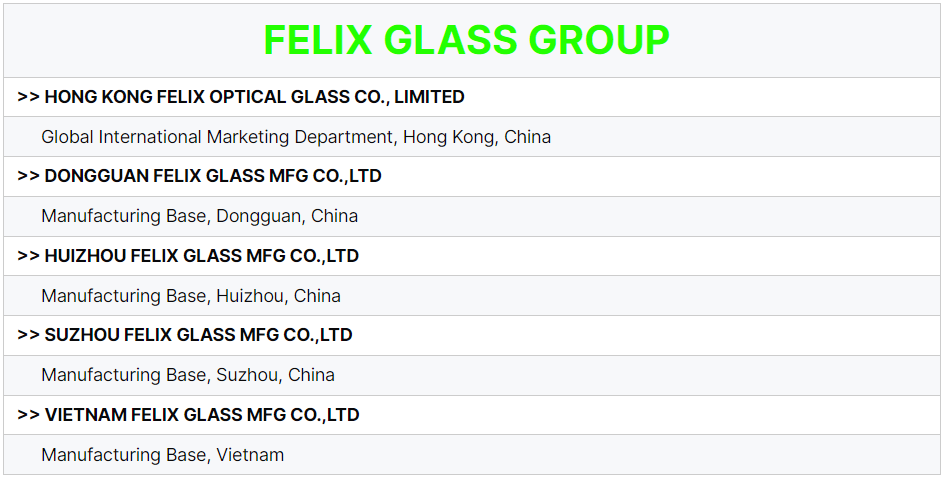

- What is the minimum order quantity for custom precision optical glass components?
FELIX OPTICAL GLASS offers highly flexible MOQs to support customer projects, including prototype testing, small-batch trial orders, and high-volume production. All products can be fully customized to your drawings, tolerances, and application standards. Please send us your specifications, and we will reply within 1-5 hours and provide an accurate quotation after careful evaluation within 1-2 days.
- Can I get free glass samples for testing before bulk order?
Yes, our FELIX GLASS factory supports sample testing for a wide range of precision optical glass components and assemblies. The lead time for sample production is 3 to 7 working days. Please contact us today to arrange samples and obtain a customized solution that meets your needs.
- What is the production lead time for custom optical glass components?
A: The production cycle for standard samples is 3-10 working days, while mass production requires 15-35 working days, depending on the complexity of the product and the order quantity. We provide reliable precision optical glass components and fast delivery services for orders from industries such as defense, industrial equipment, medical devices, shipbuilding, robotics, automotive, and aerospace. Please submit your project details so we can provide you with an accurate delivery schedule.
- Are your optical glass products ISO, CE and RoHS certified?
All precision optical glass components from FELIX OPTICAL GLASS comply with ISO quality system standards as well as CE and RoHS requirements. We provide comprehensive test reports, spectral graphs, material certificates, and inspection documents for customer review. Please feel free to request complete certification details and a formal quotation at any time.
- Do you offer one-stop custom optical glass processing services?
Yes. We offer a full range of precision optical glass component processing services, including CNC machining, precision grinding, optical polishing, chemical/physical tempering, vacuum coating (AR anti-reflective coating, AF anti-fingerprint coating, AG anti-glare coating, IR infrared coating), and screen printing. From raw materials to finished products, every step is completed in our own factory. Please tell us your needs, and we will provide you with the most cost-effective solution.
- Name
- *Title
- *Content
With 19 years of experience as a precision optical glass expert, we provide comprehensive and satisfactory customized solutions.
 Felix Glass Expands IR Optics Production | Faster Lead Time for Custom ZnS, ZnSe, Sapphire & Fused Silica WindowsFelix Glass manufactures custom ZnS, ZnSe, sapphire domes & fused silica IR windows. Fast prototype and AR coating available. Get your technical quote within 24h for thermal imaging & laser systems.
 DMS Cover Glass Material Selection: Aluminosilicate vs Borosilicate Glass for In-Cabin CameraSelecting the right substrate impacts DMS camera lifespan & image quality. This guide compares aluminosilicate and borosilicate glass. Felix Glass provides both substrates with printing and coating.