What Is Single Crystal Sapphire Optical Glass
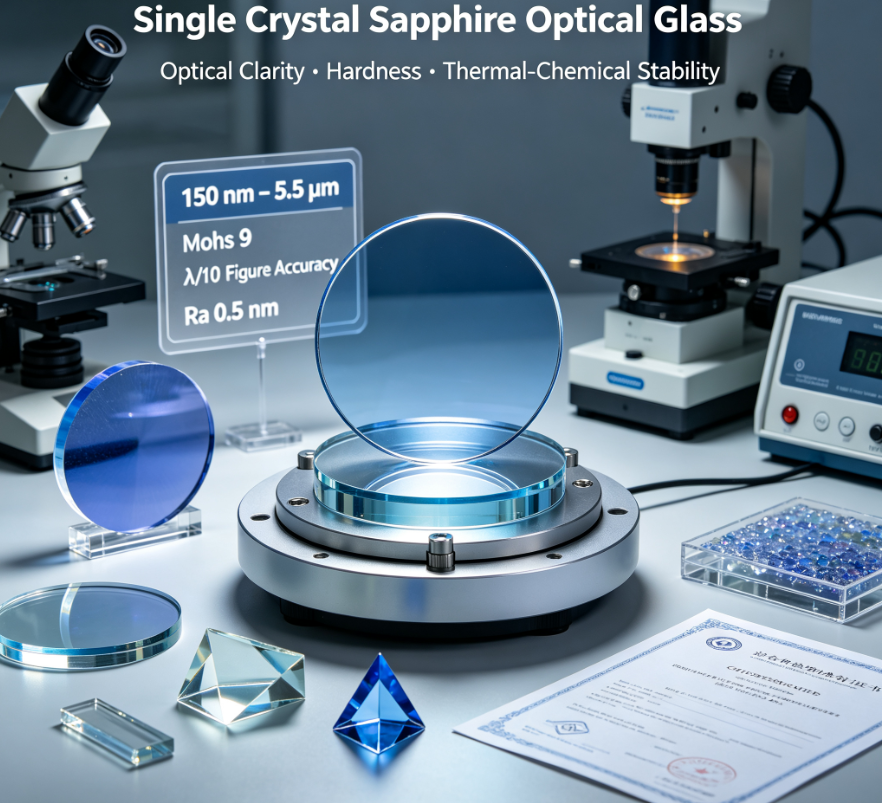
Single crystal sapphire optical glass is a synthetically grown aluminum oxide (Al₂O₃) material manufactured through the Kyropoulos, Czochralski, or edge-defined film-fed growth (EFG) method. Unlike conventional optical glasses, sapphire is a crystalline material with a hexagonal-rhombohedral structure that delivers a unique combination of optical clarity, extreme hardness, and thermal-chemical stability unmatched by any other transparent window material.
With a Mohs hardness of 9 — second only to diamond — sapphire optical components resist scratching, erosion, and particle impact in environments where fused silica, BK7, and zinc selenide windows degrade within hours. Its transmission range spans from 150 nm in the ultraviolet through the visible spectrum to approximately 5.5 μm in the mid-infrared, making it a single-material solution for multi-band optical systems that would otherwise require multiple window materials.
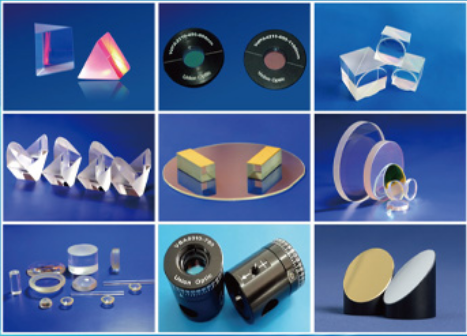
Felix Glass manufactures single crystal sapphire optical blanks, polished windows, lenses, prisms, viewports, and fully custom-machined components to customer-specified geometries with surface figure accuracy down to λ/10 and surface roughness below 0.5 nm Ra. Every component is produced under ISO 9001 quality management with full metrology documentation traceable to NIST standards.
Key Material Properties of Sapphire Optical Components
Sapphire optical glass stands apart from other optical materials through five critical property advantages that directly determine component lifetime, system reliability, and total cost of ownership in demanding environments.
Exceptional Hardness
Mohs 9 hardness provides inherent scratch and impact resistance, eliminating the need for sacrificial outer windows in abrasive particle environments.
High-Temperature Stability
Melting point of 2,053 °C with continuous service rating to 1,800 °C. Maintains structural integrity and optical transmission where fused silica softens.
Chemical Inertness
Resistant to hydrofluoric acid, hot alkali solutions, molten metals, and high-temperature oxidizing atmospheres that etch or corrode standard optical glasses.
Broadband Transmission
Transmits from 150 nm UV through 5.5 μm mid-IR, supporting multi-sensor fusion systems with a single window material across disparate detector types.
Optical Transmission Across UV, Visible, and IR Bands
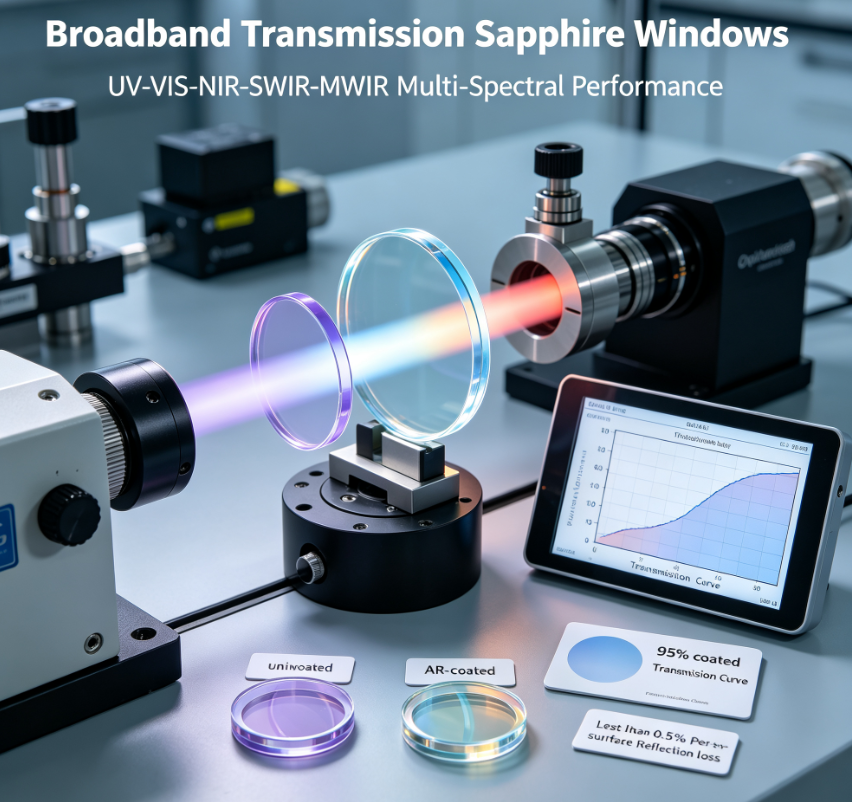
Uncoated single crystal sapphire transmits approximately 85–87% across the visible and near-infrared range, with useful transmission extending from the deep ultraviolet at 150 nm into the mid-wave infrared at approximately 5.5 μm. This broad spectral window supports multi-spectral imaging systems where a single protective window serves ultraviolet, visible, near-infrared, short-wave infrared, and mid-wave infrared sensor channels simultaneously.
Felix Glass applies precision multi-layer anti-reflection coatings optimized for specific wavelength bands. Typical coated transmission exceeds 95% in the design band with less than 0.5% per-surface reflection loss. Custom bandpass and multi-band coatings are available for dual-band MWIR/LWIR, visible-plus-SWIR, and UV-visible-NIR fused-sensor applications.
Scatter and absorption losses are controlled through low-inclusion crystal growth and post-growth annealing. Felix Glass sapphire routinely achieves absorption coefficients below 0.005 cm⁻¹ across the visible spectrum, ensuring low wavefront distortion in high-power laser delivery and imaging systems.
High-Temperature Performance and Thermal Stability
Sapphire optical windows operate reliably at continuous temperatures where traditional optical materials fail. With a melting point of 2,053 °C and a softening point above 1,800 °C, sapphire maintains dimensional stability and optical surface quality far beyond the limits of quartz glass (softening ~1,600 °C) and borosilicate glass (softening ~820 °C).
Sapphire's high thermal conductivity of 35 W/m·K — roughly 25 times that of fused silica — enables rapid heat dissipation across the window surface. This reduces thermal lensing effects in high-power laser delivery and minimizes local hot spots when the window is directly exposed to combustion environments, plasma processes, or high-intensity illumination. For industrial furnace observation and high-temperature process monitoring, this thermal management capability translates to stable optical performance over thousands of thermal cycles.
Corrosion Resistance and Chemical Durability
Sapphire exhibits near-universal chemical inertness at room temperature and maintains exceptional corrosion resistance at elevated temperatures. Unlike most optical glasses that etch, pit, or develop surface haze when exposed to aggressive chemical environments, sapphire windows withstand prolonged contact with:
- Hydrofluoric acid at concentrations up to 49% at room temperature
- Hot concentrated sulfuric, nitric, and hydrochloric acids
- Molten alkali metal hydroxides and carbonate salts
- High-temperature oxidizing and reducing atmospheres
- Seawater, brine solutions, and marine atmospheric exposure
This chemical durability is critical for underwater ROV camera viewports operating at depth for extended deployment cycles, medical sensor windows exposed to sterilization chemicals and biological fluids, and industrial process windows facing corrosive gas streams. Felix Glass certifies chemical resistance through standardized immersion testing per ISO 10629 and provides application-specific corrosion data upon request.
Mechanical Hardness and Scratch Resistance
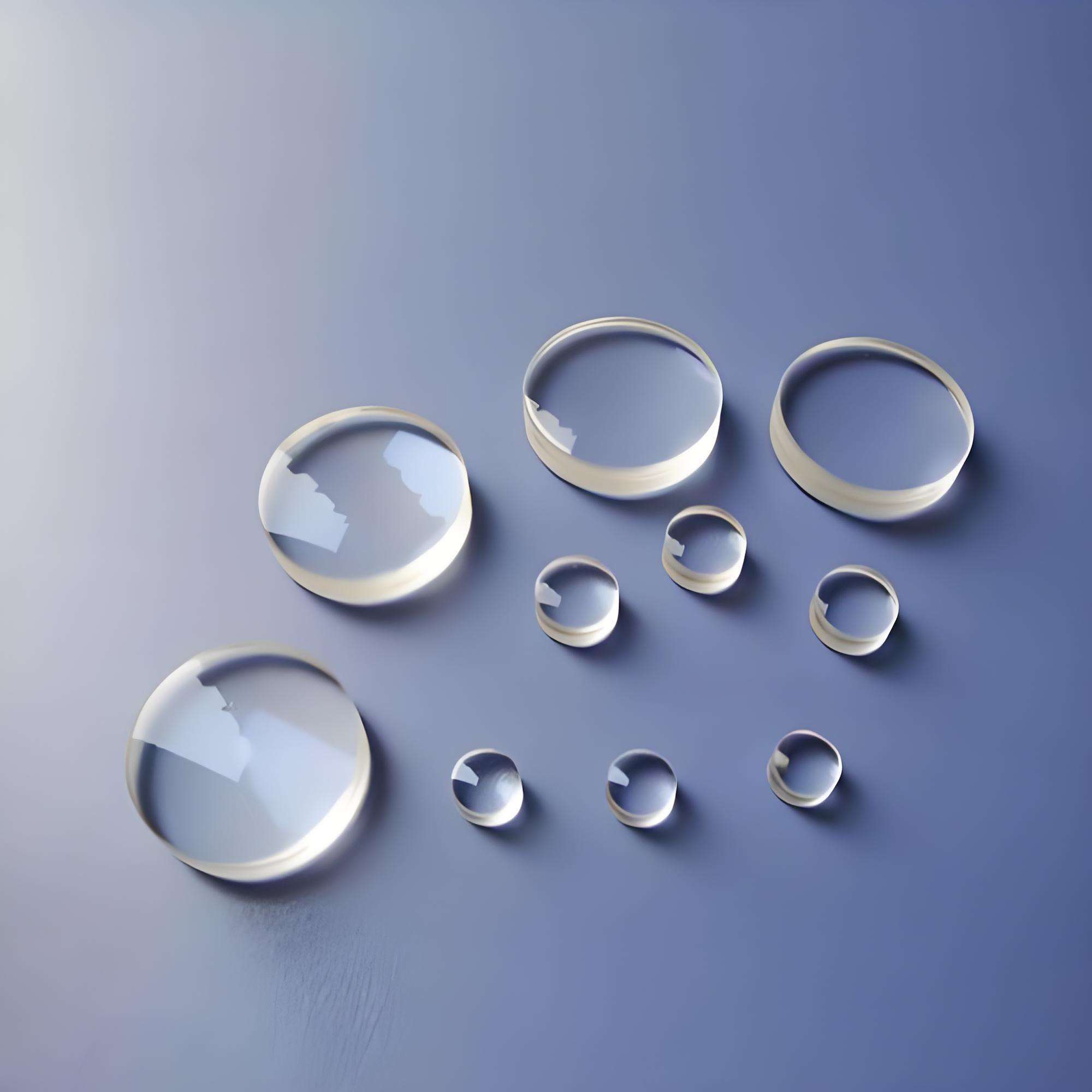
With a Knoop hardness of approximately 2,000 kg/mm² parallel to the c-axis and a Mohs hardness of 9, sapphire is the hardest transparent optical material available in production quantities. This extreme surface hardness provides three practical advantages that directly reduce system life-cycle costs:
Scratch-Free Optical Surfaces
Sapphire windows resist abrasion from airborne particulates, sand, dust, and cleaning procedures that create scattering micro-scratches on softer glass surfaces. Surface quality is maintained over years of field deployment without protective shutters or frequent replacement.
High-Velocity Particle Impact Survival
The high fracture toughness of sapphire (approximately 2.0 MPa·m¹/²) enables survival of rain erosion at supersonic speeds, sand impact in desert environments, and ice crystal impingement in high-altitude flight — conditions that shatter zinc sulfide and germanium windows.
Reduced Maintenance and Downtime
For process monitoring windows on production equipment, sapphire eliminates the weekly or monthly window replacement cycles common with glass viewports. One sapphire window often outlasts the equipment it is installed on.
Ultra-Precision Optical Polishing and Surface Specification
Felix Glass operates a dedicated sapphire optical fabrication cell with single-side and double-side polishing capability for plano, spherical, aspheric, and freeform surfaces. Our polishing processes produce surface specifications that meet or exceed the requirements of diffraction-limited imaging, high-power laser transmission, and cryogenic infrared sensor systems.
Surface Figure
Peak-to-valley at 632.8 nm for plano surfaces up to 150 mm diameter. Custom specification to λ/20 available for demanding interferometric applications.
Surface Roughness
Measured by white-light interferometry over a 100 μm × 100 μm area. Super-polish process achieves < 0.2 nm Ra for laser cavity optics.
Scratch-Dig
Per MIL-PRF-13830B. Standard production quality is 20-10. Tighter specification available for high-energy laser and space-qualified components.
All polished surfaces undergo 100% inspection with phase-shifting interferometry for transmitted wavefront error and white-light interferometry for microroughness. Every shipped component includes a digital metrology report with measurement data, instrument identification, and operator sign-off.
Multi-Band Anti-Reflection Coating Capabilities
Uncoated sapphire reflects approximately 7.5% per surface across the visible spectrum due to its relatively high refractive index of 1.77 at 550 nm. Felix Glass designs and deposits precision thin-film anti-reflection coatings using ion-assisted electron-beam evaporation in class-100 cleanroom coating chambers.
Coating options include broadband AR from 400–1,100 nm for visible-NIR imaging, dual-band coatings for MWIR/LWIR thermal systems operating across 3–5 μm and 8–12 μm simultaneously, and custom multi-band designs for fused-sensor platforms requiring transmission across three or more detector wavebands through a single sapphire window.
All coatings are qualified through environmental durability testing per MIL-C-48497A including adhesion per MIL-M-13508C, abrasion resistance per MIL-C-675C with a 20-stroke eraser test, and temperature cycling from -62 °C to +85 °C with 24-hour humidity exposure at 49 °C and 95% relative humidity.
Full CNC Custom Machining for Optical Equipment Integration
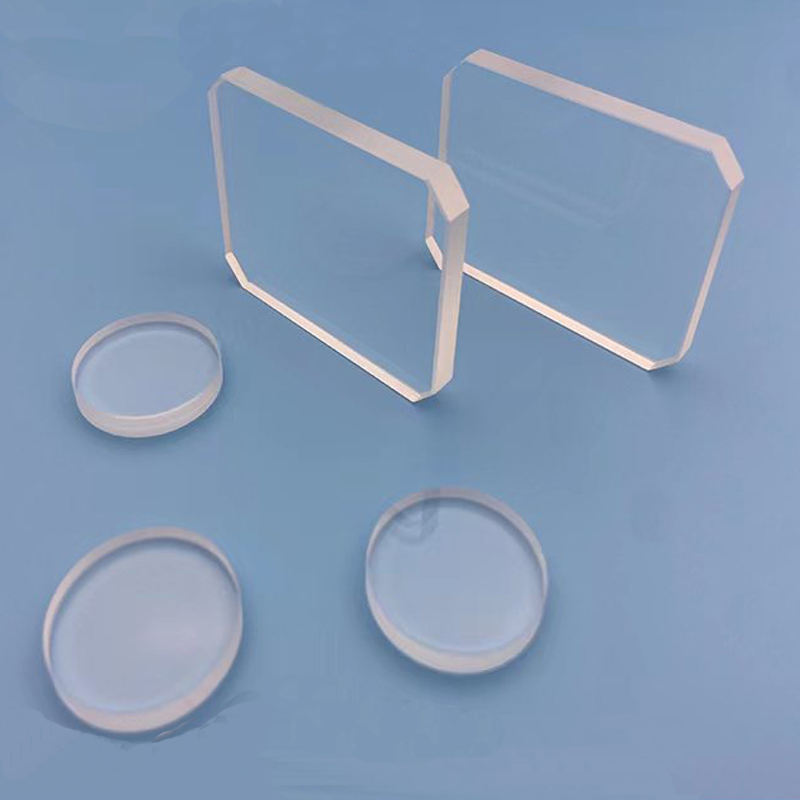
Beyond optical polishing, Felix Glass provides complete CNC machining of sapphire components to finished mechanical dimensions. Our machining cell operates high-rigidity diamond-tool CNC equipment capable of producing features that would crack or fracture during post-polishing machining of other brittle optical materials.
Diameter and Perimeter Machining
Cylindrical grinding to ±0.005 mm diameter tolerance on blanks from 5 mm to 300 mm diameter. Step profiles, flanges, and bevels machined to specification.
Feature Machining
Through-holes, counterbores, slots, edge notches, and mounting-flange profiles machined with diamond tooling. Threaded inserts and metalization for hermetic bonding available.
Complex Geometries
Custom-shaped viewports, multi-faceted prisms, domes, and non-circular windows machined from sapphire blanks. Dimensional inspection on CMM with full FAIR documentation.
All machined sapphire components are delivered with a complete first-article inspection report (FAIR) per AS9102, including dimensional measurements, surface finish data, and material certification. For optical equipment manufacturers integrating sapphire into production systems, Felix Glass supports engineering change orders and provides design-for-manufacturability feedback at the quoting stage.
Medical Sensor and Diagnostic Optical Windows
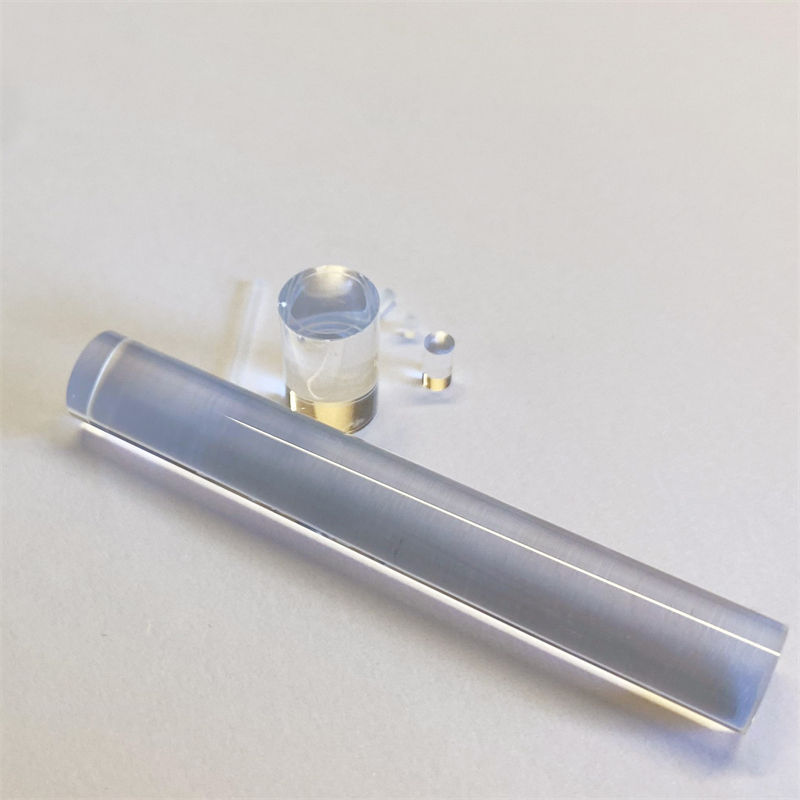
Medical diagnostic and therapeutic instruments demand optical windows that combine biocompatibility, repeated sterilization durability, and consistent optical transmission over thousands of use cycles. Sapphire windows meet all three requirements simultaneously, making them the window material of choice for blood gas analyzers, pulse oximetry sensors, endoscopic imaging tips, laser surgical handpieces, and fluorescence-based diagnostic readers.
Sapphire's chemical inertness ensures that repeated exposure to hydrogen peroxide plasma, ethylene oxide gas, autoclave steam at 134 °C, and enzymatic cleaning solutions does not degrade surface quality or transmission. The Mohs 9 hardness eliminates the risk of scratches from cleaning wipes and handling that would produce scatter artifacts in sensitive photometric measurements.
Felix Glass produces medical-grade sapphire windows with material certifications including USP Class VI biocompatibility data and compliance with ISO 10993 for patient-contact applications. Windows are supplied in lot-tracked packages with certificates of conformance.
Industrial Furnace Observation and Process Monitoring Windows
High-temperature industrial processes — including vacuum brazing, CVD diamond deposition, crystal growth, metal heat treating, and glass melting — require optical viewports that maintain clarity and structural integrity at process temperatures from 800 °C to over 1,600 °C. Sapphire observation windows manufactured by Felix Glass provide clear, undistorted visibility for manual operator inspection and automated machine-vision process control in these extreme thermal environments.
Standard sapphire furnace windows are available in diameters from 25 mm to 200 mm with thickness from 2 mm to 25 mm, polished to 20-10 scratch-dig with λ/4 surface figure. Custom sizes, non-circular shapes, and stepped-edge profiles for specific furnace port geometries are manufactured to customer drawings. For vacuum furnace applications, sapphire windows are qualified to maintain vacuum integrity at 10⁻⁶ Torr with helium leak rates below 1 × 10⁻⁹ atm·cc/s across brazed metal-to-sapphire seal interfaces.
Felix Glass maintains inventory of standard-size sapphire furnace windows for rapid fulfillment and supports custom engineering projects with lead times from 4 to 8 weeks depending on geometry complexity and coating requirements.
Underwater ROV and Subsea Optical Viewports
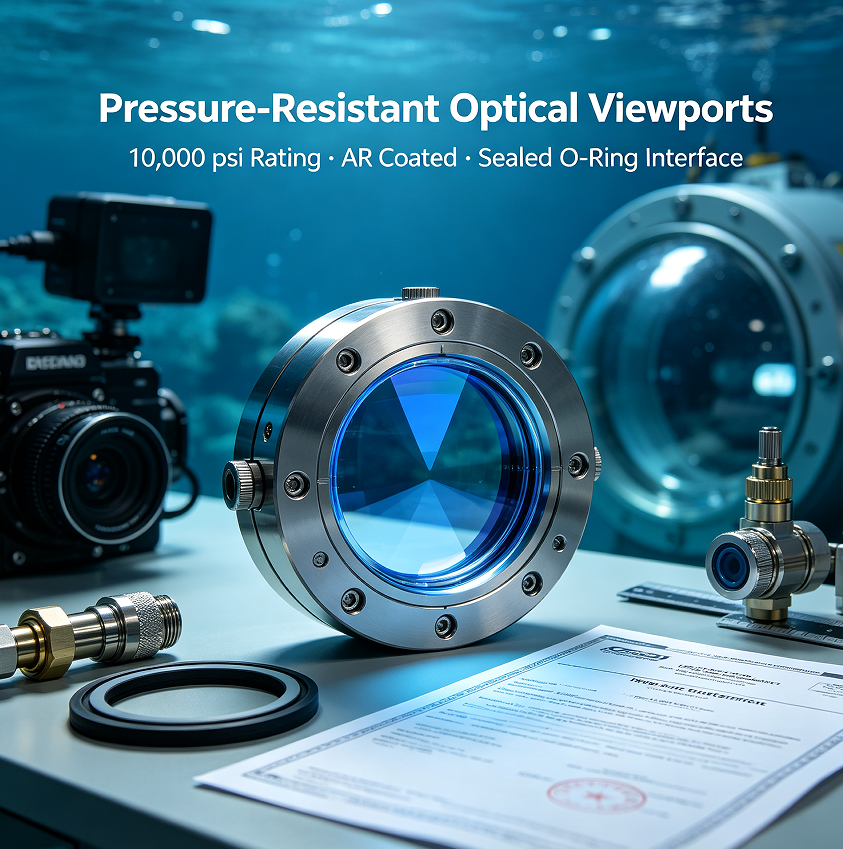
Remotely operated vehicles and autonomous underwater vehicles operating at depths from 500 m to 6,000 m require optical viewports that withstand extreme hydrostatic pressure while maintaining the broadband transmission needed for high-resolution imaging, laser scanning, and optical communication systems. Sapphire's combination of high elastic modulus (approximately 400 GPa), high compressive strength (approximately 2 GPa), and broadband optical clarity makes it an ideal viewport material for deep-submergence optical systems.
Felix Glass manufactures sapphire underwater viewports with conical, flat, and hemispherical geometries per customer-specified pressure ratings. Each viewport is delivered with a hydrostatic pressure test certification and material traceability documentation. Finite element analysis of the complete viewport assembly — including the metal housing, O-ring seal, and sapphire window — is provided as part of the engineering package for new designs.
For subsea laser scanning and optical communication systems, broadband AR-coated sapphire viewports minimize reflection losses across the blue-green transmission window in seawater while maintaining pressure integrity at operational depth. Custom aperture sizes and flange profiles accommodate existing pressure housing designs.
EO/IR Aerospace System Protective Windows
Airborne electro-optical and infrared sensor systems operate in one of the most demanding optical window environments: supersonic aerodynamic heating, rain and sand erosion at hundreds of knots, rapid thermal cycling from ground ambient to -55 °C at altitude, and zero-tolerance for optical degradation that would impair target identification or missile warning functions. Sapphire protective windows have been qualified for these applications across multiple military and commercial aerospace platforms.
Felix Glass produces sapphire EO/IR windows with aerodynamic profiles machined to conformal shapes that integrate flush with aircraft skin surfaces. Multi-band AR coatings support sensor operation across visible, SWIR, MWIR, and LWIR bands through a common aperture. Coating designs are optimized for the specific look-angle and wavelength requirements of each sensor channel.
Environmental qualification testing available for aerospace programs includes rain erosion per MIL-STD-810 Method 521, sand and dust per MIL-STD-810 Method 510, salt fog per MIL-STD-810 Method 509, and thermal shock from -55 °C to +85 °C per MIL-STD-810 Method 503. Full qualification test reports are delivered with production hardware.
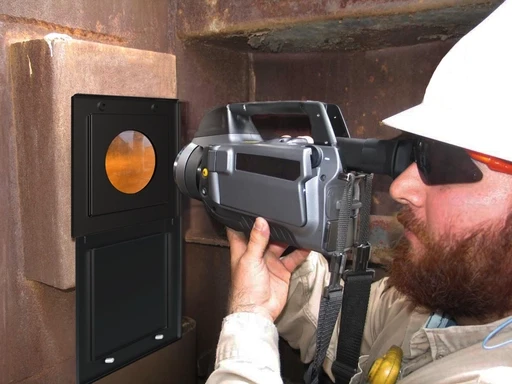
High-Temperature Sensing and Optical Pyrometry Windows
Non-contact temperature measurement using optical pyrometry, thermal imaging, and spectroscopic analysis requires a window material that transmits the target wavelength band without introducing its own thermal emission or absorption artifacts at elevated temperatures. Sapphire's low emissivity and stable transmission profile across the 1–5 μm region make it the reference window material for high-temperature radiometric measurements in combustion research, turbine engine testing, and materials processing.
Felix Glass supplies sapphire windows for optical pyrometry and thermal imaging systems with custom AR coatings tuned to the specific measurement wavelength bands — typically 1.6 μm, 2.3 μm, 3.9 μm, or broadband 3–5 μm — ensuring minimum reflection loss and maximum signal-to-noise ratio. Annealed blanks with low birefringence minimize polarization artifacts in spectrally resolved radiometric measurements.
For applications requiring simultaneous visual observation and radiometric temperature measurement, visible-plus-IR dual-band coated sapphire windows enable operators to view processes directly while thermal cameras collect quantitative temperature data through the same window.
Quality Assurance and Dimensional Inspection Standards
Every sapphire optical component shipped by Felix Glass undergoes documented quality inspection with measurement data traceable to certified reference standards. Our quality management system is structured around the specific metrology requirements of optical component manufacturing rather than generic manufacturing QC.
Optical Metrology
Phase-shifting Fizeau interferometry for transmitted wavefront and surface figure. White-light and laser interferometric microscopy for surface roughness. Spectrophotometry from 185 nm to 25 μm for transmission and reflection measurements.
Surface Quality Inspection
100% visual inspection per MIL-PRF-13830B under controlled lighting. Digital microscopy documentation of surface condition for lot-tracked medical and aerospace components.
Documentation Package
Certificate of conformance, material certification with lot traceability, dimensional inspection report, optical test data, and coating spectral performance plot included with every order.
Custom Optical Component Design and Engineering Support
Felix Glass provides collaborative engineering support from initial concept through production qualification. Our applications engineering team includes optical engineers and materials scientists who work directly with customer design teams to optimize sapphire component specifications for performance, manufacturability, and cost.
The engineering support process begins with a design review of the customer's optical and mechanical requirements, including wavelength range, transmission and surface figure targets, mechanical interface constraints, environmental exposure conditions, and regulatory requirements. Felix Glass provides feedback on specification feasibility, alternative approaches where appropriate, and a preliminary manufacturability assessment before quoting.
For production programs, Felix Glass supports first-article qualification with complete dimensional, optical, and environmental test documentation. Process control documentation including work instructions, in-process inspection criteria, and statistical process control data is provided as part of production part approval. Engineering change management follows customer-specific ECO procedures for qualified production parts.
Frequently Asked Questions About Sapphire Optical Components
What is the maximum continuous operating temperature for a single crystal sapphire optical window?
Single crystal sapphire optical windows can operate continuously at temperatures up to 1,800 °C in oxidizing atmospheres. Above 1,800 °C, surface evaporation begins slowly in vacuum environments, and above 1,900 °C in air, surface degradation accelerates. For applications at these extreme temperatures, Felix Glass provides application-specific guidance on expected window lifetime based on temperature, atmosphere, and required optical performance. The practical service limit for most industrial furnace and combustion monitoring applications is 1,600–1,700 °C, where sapphire provides years of reliable service.
Can sapphire optical windows be custom machined to non-standard dimensions and shapes?
Yes. Felix Glass machines sapphire to customer-specified geometries including round, rectangular, oval, D-shaped, and custom-profile windows. Diameters from 5 mm to 300 mm are standard, with thickness from 0.5 mm to 25 mm. Step profiles, flanges, bevels, holes, slots, and other mounting features are machined with diamond tooling. Non-circular and complex-profile components are supported with CAD-driven machining and CMM inspection. Engineering review of machined features is included in the quoting process to identify any manufacturability concerns before order placement.
What anti-reflection coating options are available for multi-band sapphire optics?
Felix Glass offers anti-reflection coatings optimized for single-band, dual-band, and broadband applications on sapphire substrates. Standard options include visible-NIR broadband (400–1,100 nm), SWIR (1.0–2.5 μm), MWIR (3–5 μm), LWIR (8–12 μm), and visible-plus-MWIR dual-band designs. Custom multi-band coatings supporting three or more wavebands through a single window are designed and deposited in-house. All coatings are environmentally qualified per MIL-C-48497A with adhesion, abrasion, humidity, and temperature cycling durability testing.
How does sapphire compare to fused silica for high-temperature optical window applications?
Sapphire offers several advantages over fused silica for high-temperature applications: a maximum continuous service temperature of 1,800 °C versus approximately 1,100 °C for fused silica, thermal conductivity approximately 25 times higher (35 vs. 1.4 W/m·K) for better heat dissipation and reduced thermal lensing, Mohs 9 hardness versus approximately 6 for fused silica providing far superior scratch and impact resistance, and chemical resistance to hydrofluoric acid and hot alkali solutions that etch fused silica. Fused silica retains advantages in lower cost per unit area and lower thermal expansion coefficient (0.55 vs. 5.3 × 10⁻⁶ /K), which may be considerations in less demanding thermal environments.
What quality certifications and inspection documentation are provided with sapphire optical component orders?
Every order from Felix Glass includes a certificate of conformance and material certification with lot traceability to the crystal growth batch. Optical inspection documentation includes transmitted wavefront error measurement by phase-shifting interferometry and surface roughness data by white-light interferometry for polished surfaces. Dimensional inspection reports with measured versus nominal values are included for machined components. For coated windows, a spectral transmission or reflection plot across the design wavelength band is provided. Aerospace and medical customers receive additional lot-tracking documentation and compliance certificates per program requirements. ISO 9001 certification supports our quality management system.
Partner With Felix Glass for Custom Sapphire Optical Components
Whether you are designing a next-generation medical diagnostic instrument, qualifying a new aerospace sensor pod, upgrading industrial furnace monitoring systems, or developing a deep-submergence optical payload, Felix Glass has the sapphire material expertise, optical fabrication capability, and engineering support to deliver components that meet your performance specifications on schedule.
Contact our applications engineering team with your requirements including wavelength range, window dimensions, surface figure and quality targets, coating specifications, environmental conditions, and target quantity. We provide a technical feasibility review and quotation within two business days for standard configurations and within five business days for custom designs.