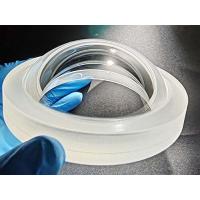
What are the main types of industrial glass components for equipment observation?
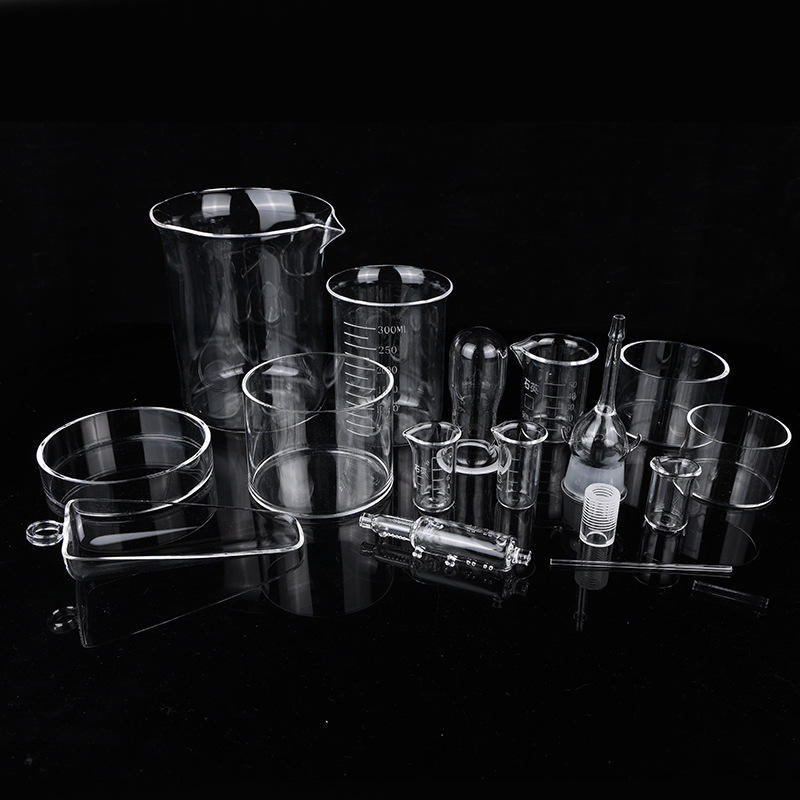
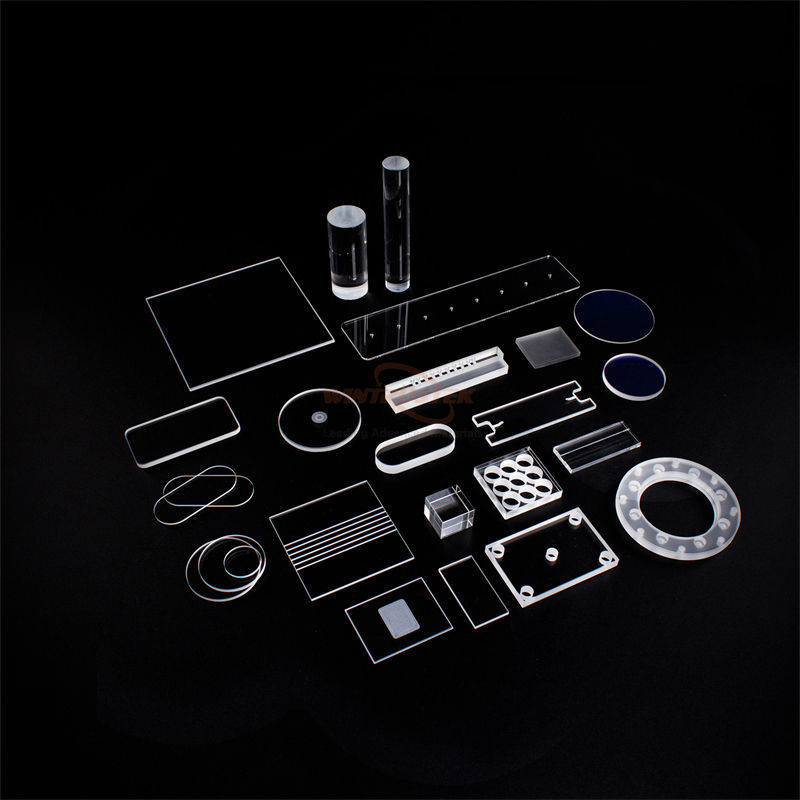
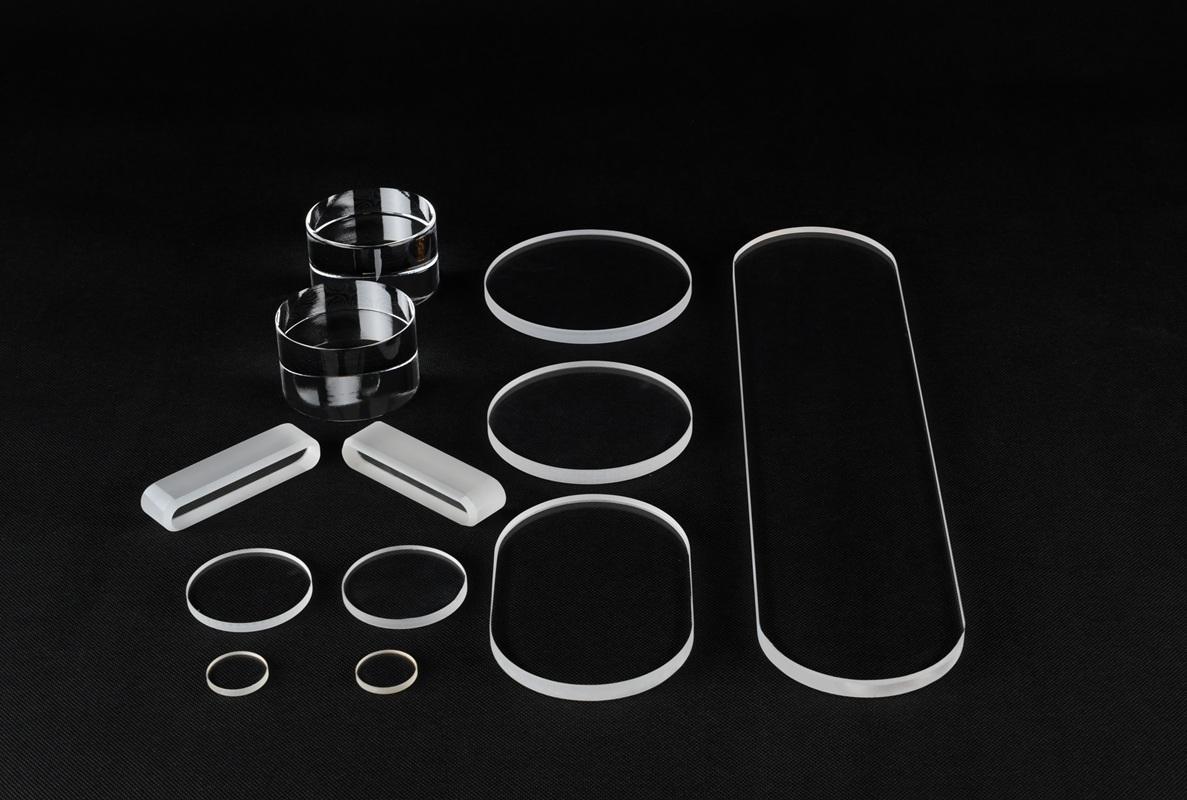
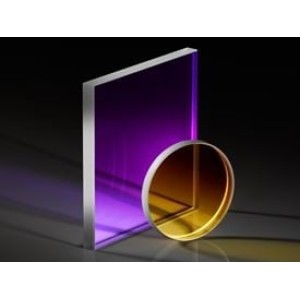
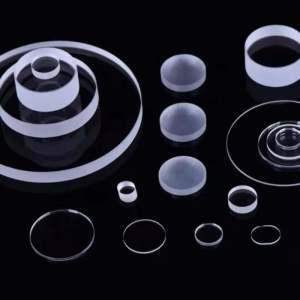
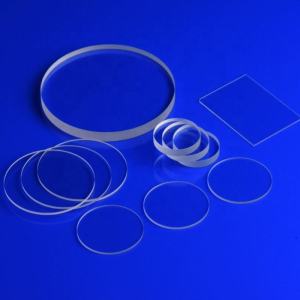
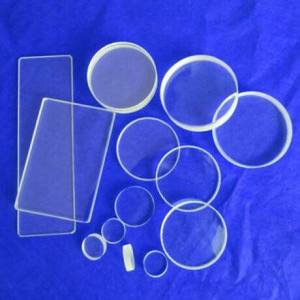
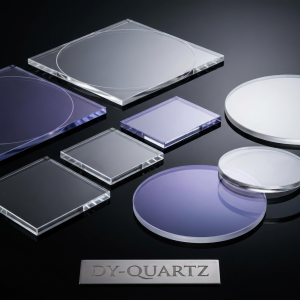
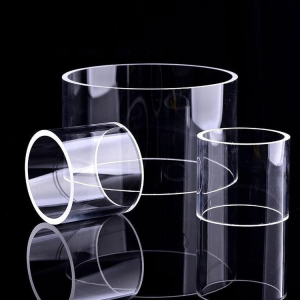
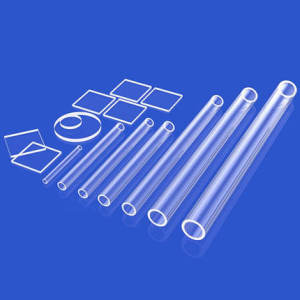
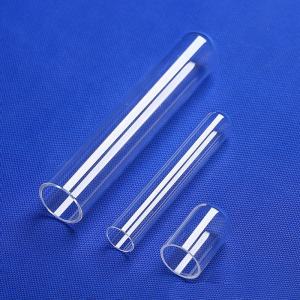
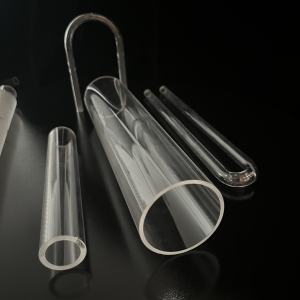
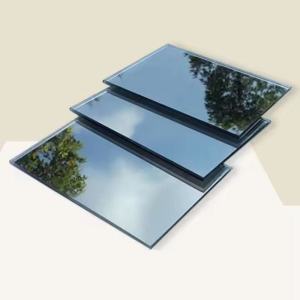
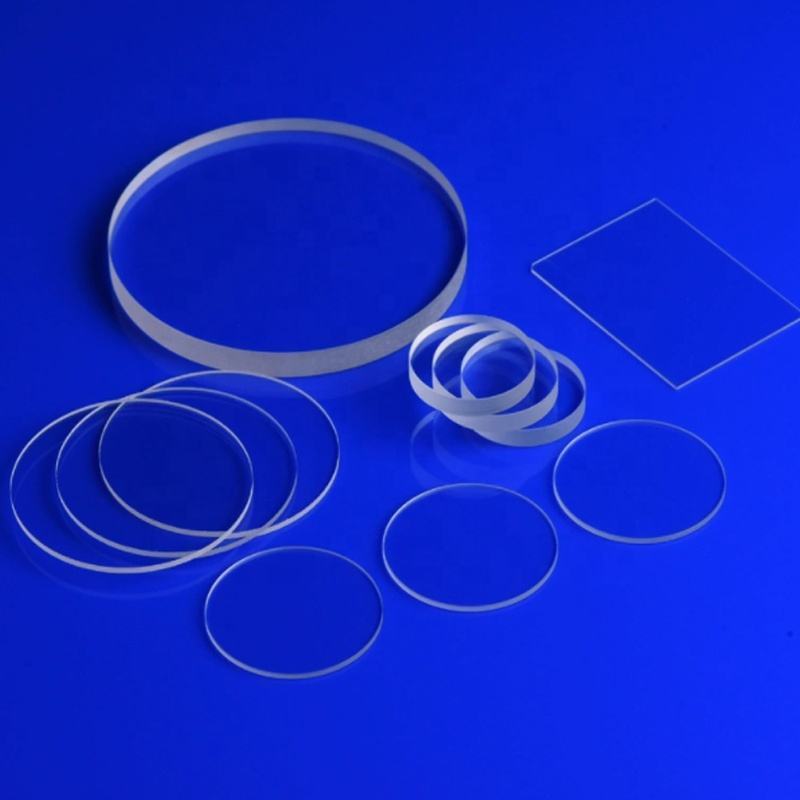
Common options include industrial sight glass, observation window glass, high-pressure resistant glass, high-temperature resistant glass, anti-corrosion glass panels and custom structural glass blanks.
What is the difference between borosilicate and tempered soda lime industrial glass?
Borosilicate glass provides better thermal shock resistance and chemical stability, while tempered soda lime glass is cost efficient for general protection and ordinary pressure observation windows.
Which glass material suits high-temperature industrial furnace observation?
Borosilicate glass is suitable for many high-temperature observation applications. Fused silica is preferred when ultra-high temperature stability and very low thermal expansion are required.
Which glass is suitable for chemical corrosive working environments?
High-purity borosilicate industrial glass is commonly selected for acid-base, chemical workshop and biochemical instrumentation environments because of its chemical stability.
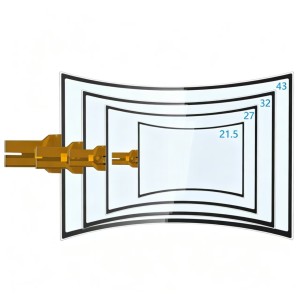
Can industrial sight windows be customized with holes and special shapes?
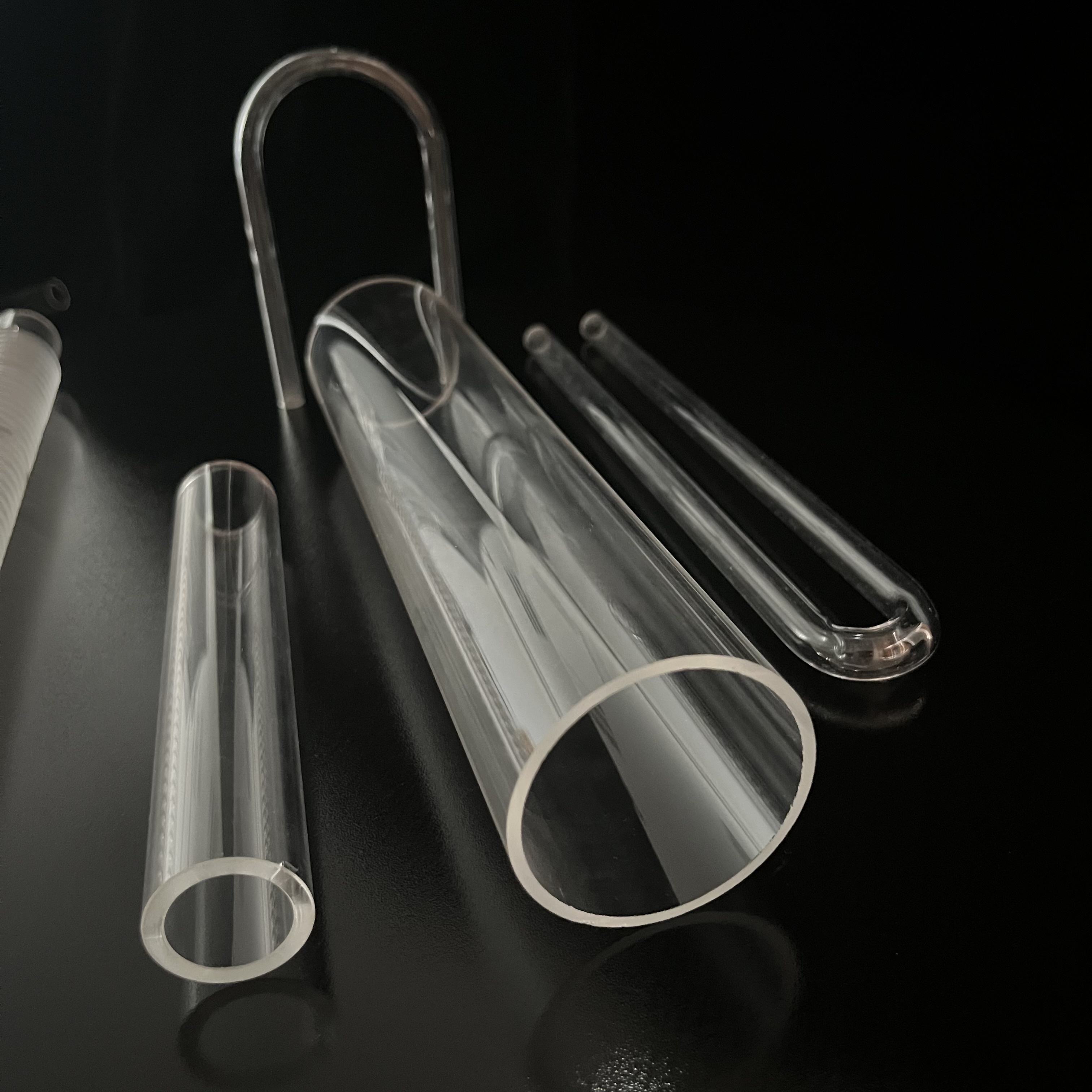
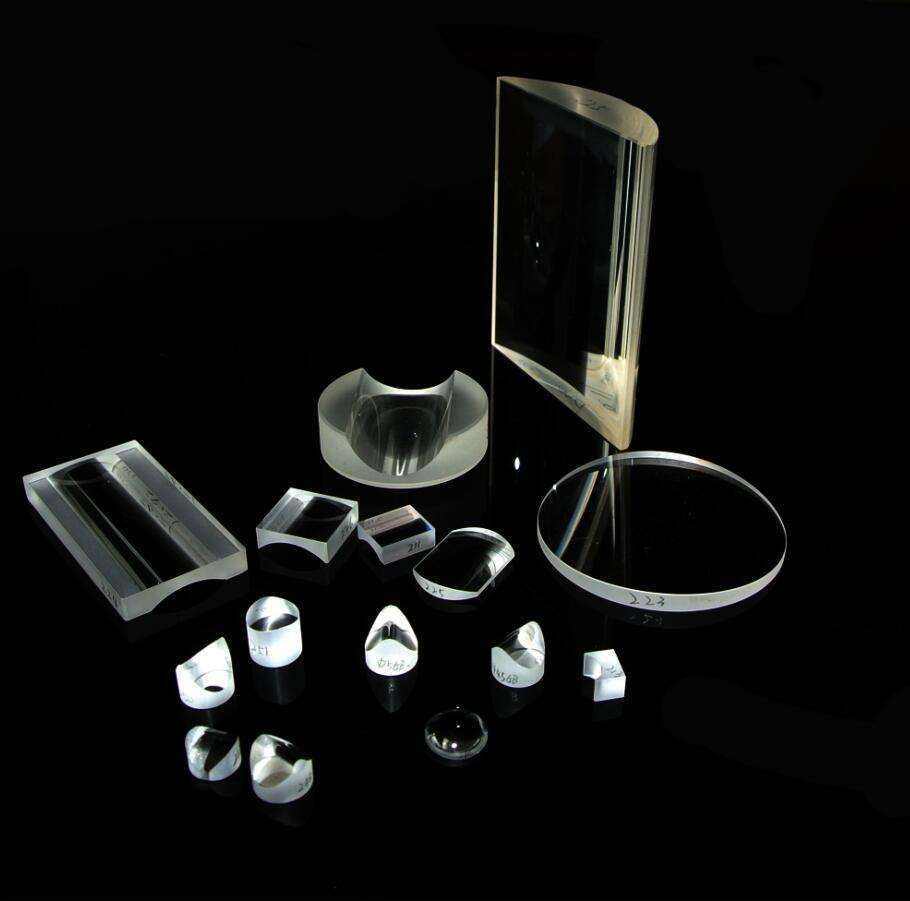
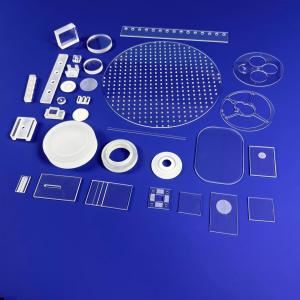
Yes. Round, square, rectangular and custom contour glass can be manufactured with CNC cutting, drilling, slotting, polished edges and mounting holes based on drawings.
What dimensional accuracy can be achieved for custom industrial glass parts?
Typical tolerance ranges are about +/-0.1mm to +/-0.03mm depending on material, thickness, processing method and inspection requirements.
What files are required for OEM industrial glass customization?
Drawings, 3D files when available, thickness, material preference, application environment, temperature, pressure, chemical exposure and assembly requirements help engineering evaluation.
Can industrial glass provide pressure resistance and temperature resistance test reports?
Yes. Test reports and certification documents can be provided according to project requirements, material grade and confirmed verification standards.
What treatments improve industrial glass durability in harsh environments?
Physical tempering, chemical strengthening when applicable, anti-corrosion sealing, anti-scratch polishing and dust-proof easy-clean treatment can improve durability when compatible with the substrate.
Is combined tempering and anti-corrosion treatment available?
Combined treatment may be available when the material, thickness and working environment are technically compatible. Engineering evaluation is required before confirmation.
Can ultra-thick structural industrial glass be manufactured?
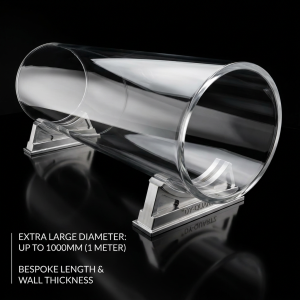
Yes. Ultra-thick structural glass can be processed for selected applications, with final feasibility depending on size, thickness, edge structure and mechanical load requirements.
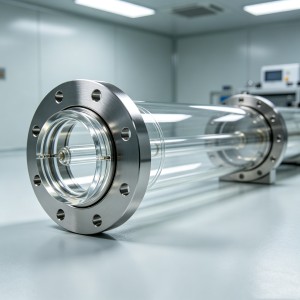
Can industrial glass be used for vacuum chamber observation ports?
Yes. Borosilicate, aluminosilicate or fused silica observation windows can be selected for vacuum chamber viewing ports according to sealing, temperature and optical requirements.
How to select the correct industrial glass material and treatment for my equipment?
Follow a standard industrial engineering workflow: confirm temperature and pressure load, define the chemical environment, confirm mechanical friction requirements, select substrate grade, match tempering or coating treatment, then verify dimensional tolerance for assembly.
How are industrial glass durability and mechanical performance verified in production?
Industrial glass can undergo tempering stress testing, pressure and temperature performance verification, surface defect inspection and dimensional calibration. Full inspection documents can be provided for industrial project approval.
Can industrial glass components be supplied as finished assemblies?
Custom finished glass assemblies with gaskets, sealing frames and mounting accessories are available based on customer equipment and installation requirements. All assembly solutions are confirmed through engineering evaluation for operational compatibility.