Felix Glass Officially Launches IR Optics Product Line: Custom ZnSe Lenses for LWIR Thermal Imaging
Company News · Infrared Optics The expanded capability supports drawing-based zinc selenide lenses for CO₂ laser, thermal imaging, sensing and other infrared optical systems—from engineering review through prototype and repeat production. Dongguan Felix Glass Co., Ltd. has expanded its infrared optics offering to include custom zinc selenide (ZnSe) lenses engineered around each buyer's optical drawing and system requirements. The program is intended for equipment manufacturers, optical integrators and R&D teams that need more than a catalog lens. Felix Glass reviews the operating wavelength, focal requirements, mechanical envelope, coating target, environment, quantity and acceptance criteria before defining the manufacturing and inspection route. ZnSe is widely selected for infrared lens and window applications, including optics used around the 10.6 μm CO₂ laser wavelength. Actual transmission, durability and power-handling performance depend on material grade, lens design, thickness, surface condition, coating and operating environment; these parameters are therefore confirmed project by project. Engineering Value Material selection should follow the spectral band, optical power, environment and mechanical design—not a one-size-fits-all statement. ZnSe is used across many mid- and long-wave infrared optical systems. The usable band and achieved transmission are determined by the finished component and its coating. The material is commonly specified for focusing and beam-delivery optics operating at 10.6 μm, subject to the application's beam parameters and damage-risk review. Single-band, dual-band or broadband IR AR coating targets can be evaluated according to wavelength, angle of incidence, environment and transmission goal. Diameter, radii, center thickness, edge thickness, focal length, centration and mechanical interface can be produced against an approved drawing. Engineering note: Final optical performance must be evaluated at the assembly level. Felix Glass does not substitute generic material data for a project-specific coating curve, tolerance review or inspection agreement. Custom Product Scope Felix Glass supports custom lens development from drawing review and manufacturability feedback to sample approval and repeat production. Available geometry and tolerance levels are confirmed after the drawing, quantity and test method are reviewed. RFQ Preparation A complete optical drawing shortens technical clarification and helps align the quotation with the real acceptance criteria. Target Markets Each program begins with the system environment and measurable optical requirements. Focusing, collimating and beam-delivery optics for cutting, marking, welding and other industrial laser platforms. Custom IR lenses for thermal cameras, inspection equipment and temperature-monitoring assemblies. Optical elements for non-contact measurement, detection, gas analysis and infrared instrumentation. Application-matched lenses for stabilized sensors, surveillance payloads and integrated infrared modules. Prototype optics for spectroscopy, test benches, university laboratories and new instrument development. Lens components designed around the buyer's housing, detector, source, spacing and assembly constraints. Manufacturing Route The exact route and test plan are agreed for the part rather than inferred from a generic product description. Drawing, wavelength, application, quantity and acceptance criteria. Material, tooling, process, coating and inspection feasibility. Geometry creation with controlled stock for finishing. Surface finishing, centering and edge processing as specified. Application-matched IR coating under an agreed specification. Defined dimensional, cosmetic, optical and coating checks. Quality & Traceability Quality evidence is most useful when the drawing, tolerance, method and report format are agreed in advance. Available inspection items are confirmed in the quotation or order review. Buyer Workflow Explore More Technical FAQ Please send the drawing, wavelength, application, lens geometry, focal requirements, tolerances, coating target, quantity and required documentation. For laser systems, include beam and power parameters. Yes. State the 10.6 μm performance target, incidence angle, polarization, operating environment and whether the application is CW or pulsed. Feasibility is confirmed during engineering review. Plano-convex, plano-concave, bi-convex, bi-concave, meniscus and selected special profiles may be evaluated. Availability depends on size, radii, tolerance, quantity and inspection requirements. Prototype and sample-approval routes can be discussed before repeat production. Minimum quantity and timing depend on geometry, tooling, coating and test scope. Inspection records, coating data or other agreed documentation can be included where applicable. Specify the required format and acceptance method in the RFQ. Lead time is quoted after reviewing material availability, geometry, tolerance, tooling, coating, quantity and inspection scope. A target date helps the team propose an appropriate route. Engineering RFQ Attach a drawing or specification. The engineering team can review geometry, wavelength, coating, inspection and order requirements together.Felix Glass Expands Its IR Optics Product Line with Custom ZnSe Lenses

Why System Designers Specify ZnSe
Infrared Compatibility
CO₂ Laser Relevance
Coating Flexibility
Custom Geometry
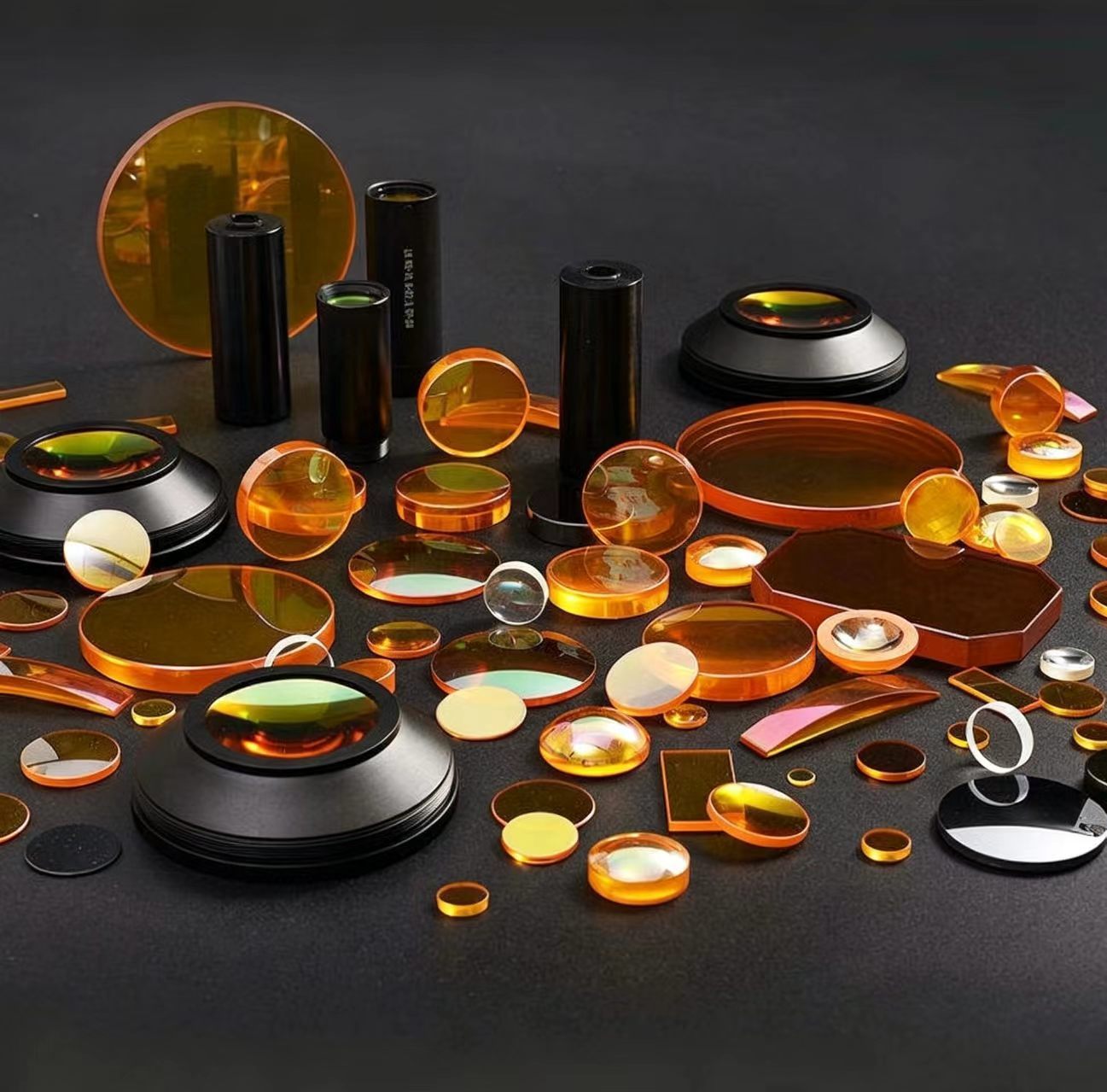
Built Around the Optical Drawing
Discuss a Custom Geometry
Specifications That Make a ZnSe Lens Quote Actionable
Optical use Application, operating wavelength or wavelength range, angle of incidence and system function. Lens geometry Lens type, clear aperture, outside diameter, center/edge thickness, radii and any special profile data. Focal requirements EFL, BFL, working distance, focal tolerance and reference wavelength. Optical tolerances Surface form/power, irregularity, surface quality, wedge or centration, clear aperture and edge requirements. Coating target Band, average or minimum transmission/reflection target, angle, polarization and environmental requirements. Laser conditions For laser use: wavelength, CW or pulsed operation, beam diameter/profile, average and peak power, pulse width and repetition rate. Mechanical interface Mounting method, edge treatment, chamfers, orientation marks, housing constraints and allowable contact zones. Commercial scope Prototype and annual quantities, target schedule, delivery destination, packaging and documentation requirements. Application-Oriented ZnSe Lens Development
CO₂ Laser Beam Delivery
Thermal Imaging Systems
IR Measurement & Sensing
Electro-Optical Payloads
Laboratory IR Systems
Custom Optical Assemblies
From Requirement Review to Controlled Delivery
Review
Plan
Generate
Polish
Coat
Verify
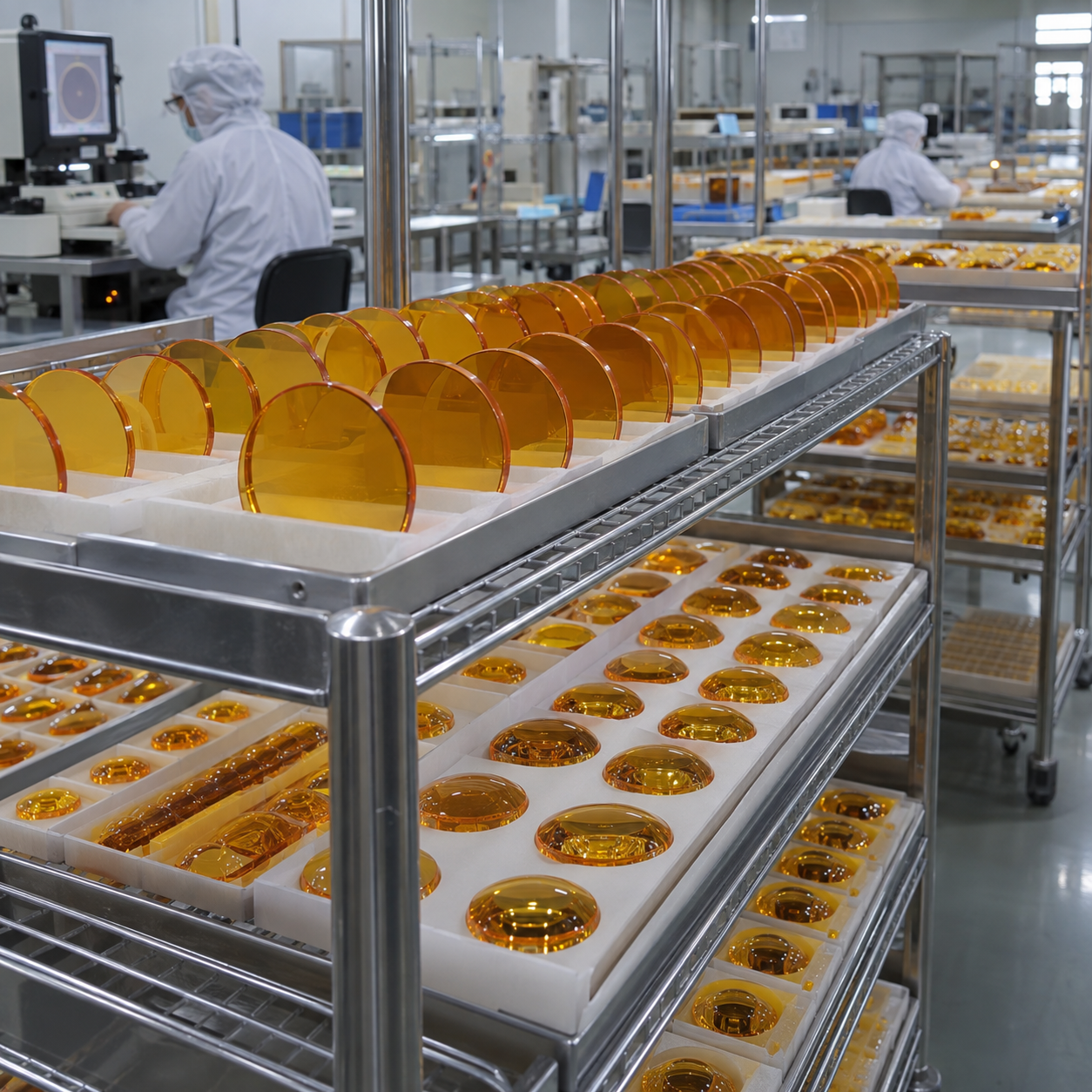
Inspection Defined Before Production
A Faster Path from RFQ to Approved Sample
What to Send
What Felix Glass Reviews
Related Infrared & Precision Optics Resources
Questions Buyers Ask About Custom ZnSe Lenses
What information is needed to quote a custom ZnSe lens?
Can you evaluate an AR coating for 10.6 μm?
Which ZnSe lens shapes can be customized?
Do you support prototypes before production?
Can inspection reports be supplied?
How is lead time determined?
Start Your Custom ZnSe Lens Project