Stop frequent optical glass failure caused by laser thermal shock, scratch damage and chemical corrosion. Hong Kong Felix Optical Glass Co., Limited custom sapphire laser optical components deliver stable performance for industrial laser processing, LiDAR, medical laser and scientific research systems.Sapphire Laser Window | High‑Power Sapphire Optical Window from Felix Glass
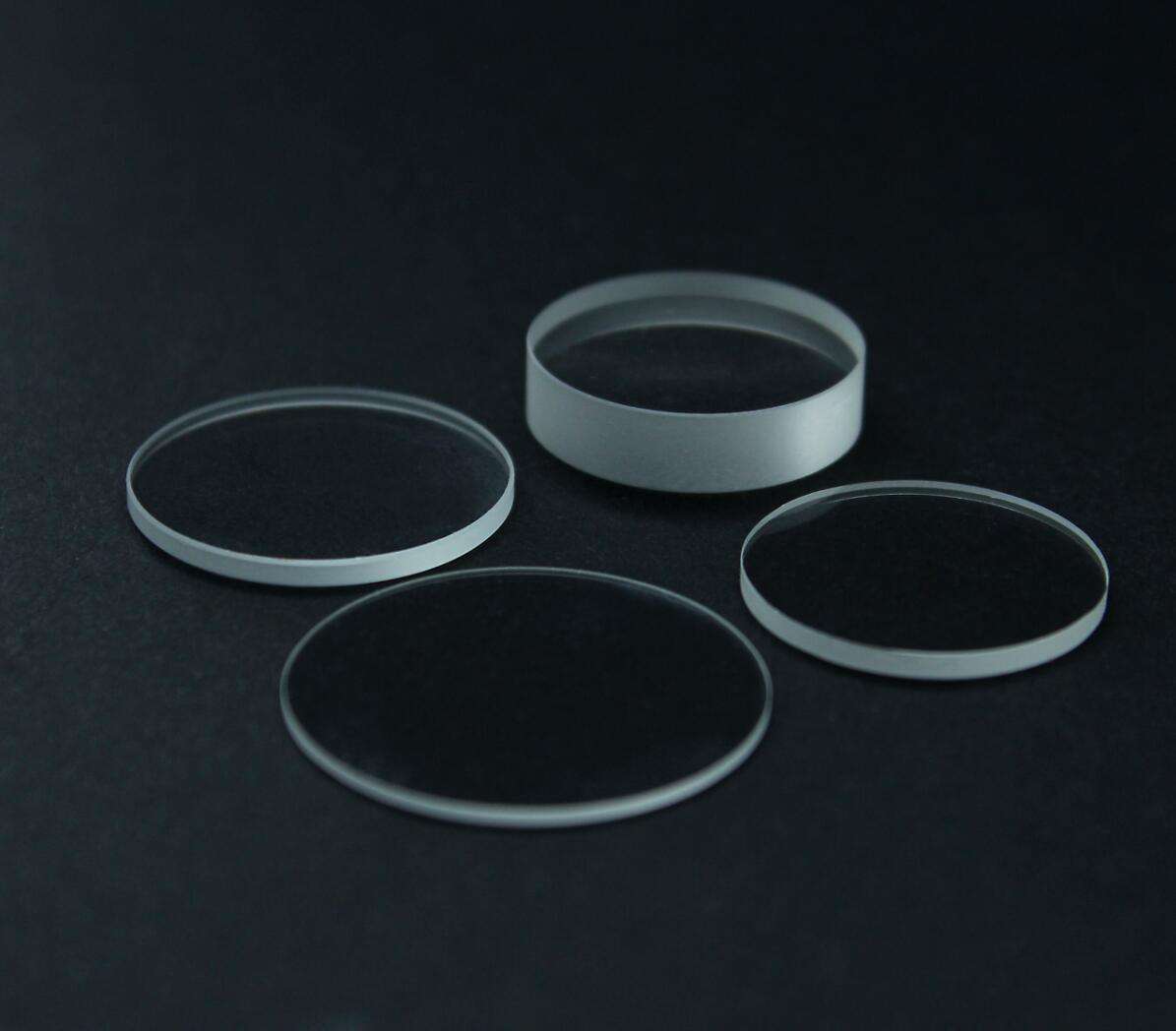
What Is Sapphire Laser Window – High‑Performance Laser Optical Glass Component
A sapphire laser window is a precision optical glass element manufactured from single‑crystal synthetic sapphire (Al₂O₃). It acts as a protective beam output window for high‑power laser equipment, isolating dust, moisture and harsh ambient conditions while maintaining high optical transmission for laser beam passage.
Unlike ordinary optical glass or fused silica windows, sapphire laser optical windows are selected for applications where components must survive extreme temperature, mechanical impact, particle abrasion and chemical erosion under continuous or pulsed laser irradiation. It is widely recognized as one of the most reliable laser protective optical components for demanding industrial and scientific environments.
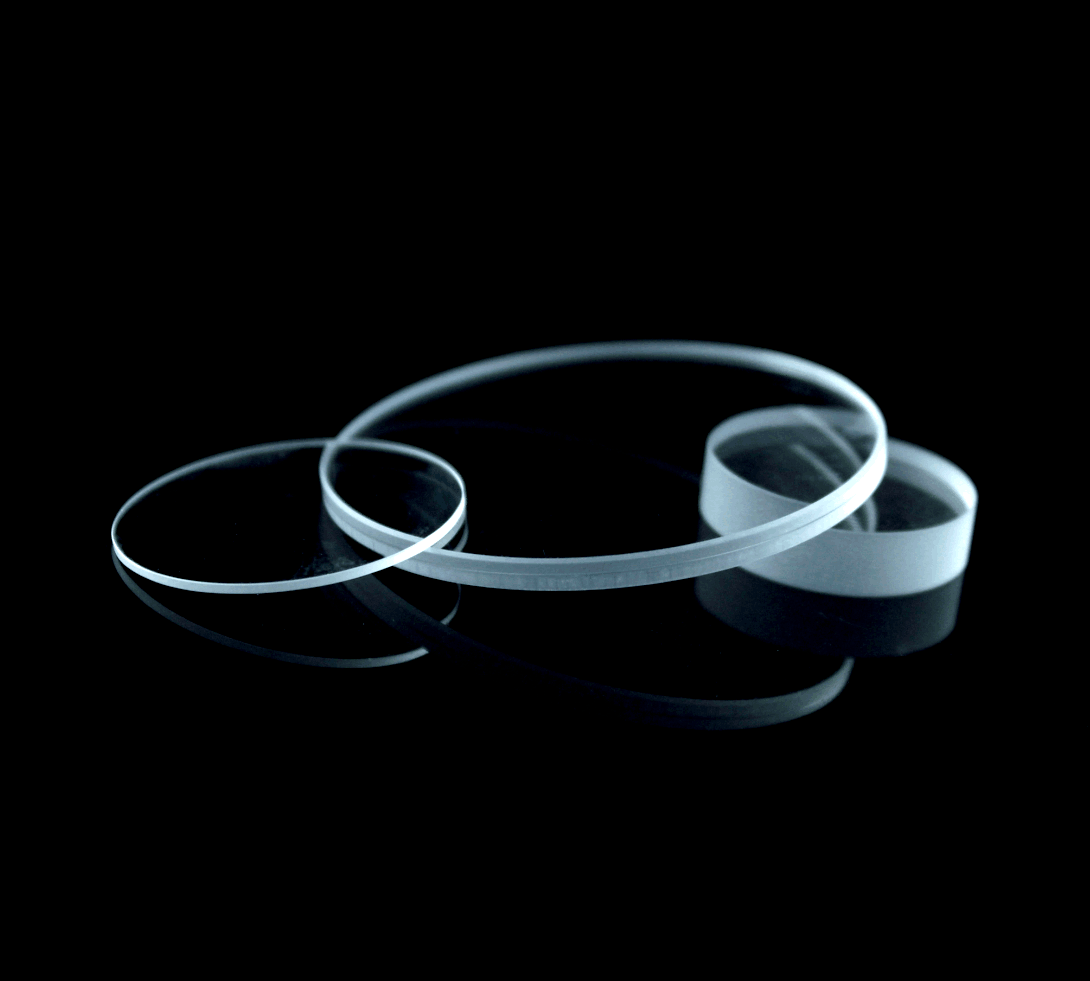
Core Advantages of Felix Glass Sapphire Laser Window for High‑Power Laser Optics
Our custom sapphire laser optical glass parts solve key pain‑points for laser system engineers: thermal fracture, surface scratching, coating burn‑out and short service life.
- Extreme Mechanical Durability: Mohs hardness 9, second only to diamond, outstanding scratch‑resistance; high compressive strength resists pressure and particle impact, greatly extending service cycle of laser optics.
- Superior Thermal Performance: High thermal conductivity efficiently dissipates laser heat load; high melting point (~2030°C), low thermal expansion coefficient, strongly resist thermal shock and thermal cracking under high‑power CW / pulsed laser exposure.
- Broad‑Spectrum Transmission: Stable transmission covering deep‑UV to mid‑infrared (170 nm‑5.5 µm), fits excimer laser, Nd:YAG, fiber laser, Ti:Sapphire laser and MIR laser systems.
- Excellent Chemical Inertness: Resistant to most acids, alkalis and corrosive gases; suitable for laser systems working in harsh chemical process environments.
- High Laser‑Induced Damage Threshold (LIDT): Carefully selected raw sapphire material plus high‑quality coating process reduces bulk absorption, supports high energy density laser operation.
- Full Customization: Hong Kong Felix Optical Glass Co., Limited provides custom‑sized sapphire laser optical components: round, square, wedged, with mounting holes according to your mechanical drawing.
Critical Material Properties of Synthetic Sapphire for Laser Optical Windows
Sapphire’s unique physical‑optical properties decide its performance as laser optical glass. Below are key baseline parameters for our sapphire laser window substrate:
| Parameter Item | Sapphire (Al₂O₃) Value |
|---|---|
| Spectral Transmission Range | 170 nm ~ 5.5 µm |
| Mohs Hardness | 9 |
| Melting Point | 2030 °C |
| Thermal Conductivity | ~35 W/(m·K) (c‑axis) |
| Refractive Index @1064 nm | n₀≈1.768, nₑ≈1.760 (birefringent crystal) |
| Density | 3.98 g/cm³ |
| Max Continuous Working Temperature | 1500 °C |
| Chemical Resistance | Inert to most chemicals (except hot phosphoric acid) |
Note: For laser applications with strict polarization requirements, we support crystal‑orientation custom processing to control birefringence impact on beam quality.
Typical Industrial Applications for Custom Sapphire Laser Optical Components
- High‑Power Industrial Laser Equipment: Fiber laser, Nd:YAG laser, excimer laser beam exit protective windows for laser cutting, marking and micro‑processing machines.
- LiDAR & Optical Sensing: Sapphire protective optical glass for automotive LiDAR, airborne laser radar systems working under harsh outdoor conditions.
- Medical Laser Devices: Surgical laser, aesthetic laser system protective windows, resisting splashing liquid and mechanical collision.
- Research‑Grade Laser Optics: Ti:Sapphire femtosecond laser, laboratory high‑energy laser system viewports and beam‑sampling windows.
- Semiconductor Manufacturing: Laser‑assisted processing chamber viewports for wafer inspection equipment.
- Deep‑Sea & ROV Underwater Laser System: Pressure‑resistant sapphire laser optical windows for underwater laser imaging and detection.
- Aerospace & Defense Optics: UV‑MIR laser optical components facing wide temperature variation environment.
Sapphire vs Fused Silica Laser Window: Optical Glass Material Selection Guide
Material selection is critical for laser system reliability. Compare sapphire laser window and fused silica optical glass window to select correct substrate for your laser conditions:
| Performance Item | Sapphire Laser Window | Fused Silica Laser Window |
|---|---|---|
| Mohs Hardness | 9 (ultra‑hard, scratch‑resistant) | 5.5‑6.5 (easy to scratch) |
| Max Operating Temperature | Up to 1500°C | ~1000‑1100°C |
| Transmission Cut‑off (IR side) | ~5.5 µm | ~3.5 µm |
| Thermal Shock Resistance | Excellent | Good, inferior to sapphire |
| Birefringence | Yes (crystal orientation controllable) | None (isotropic glass) |
| Best‑fit Scenarios | High‑power laser, high‑temperature, high‑pressure, wear‑prone environment | UV laser, low‑to‑medium power laser, cost‑sensitive non‑harsh environment |
Felix Glass Material Selection Guide Tip: If your laser works above hundreds‑watt continuous‑wave power, or your device faces particle abrasion / high temperature, sapphire laser window is strongly recommended. For low‑power deep‑UV only applications, fused silica optical glass can be an alternative choice.
Available Coatings & Laser‑Induced Damage Threshold for Sapphire Laser Windows
Uncoated sapphire has ~85‑88% transmission in visible‑NIR band. Custom anti‑reflection coating is required to maximize laser transmission and reduce back‑reflection risk for laser resonators.
Coating Options from Felix Glass:
- Uncoated Sapphire Laser Window: Broad‑band general use, no coating failure risk at extreme temperature.
- Single‑wavelength AR Coating: Optimized for 1064 nm, 532 nm, 355 nm, 266 nm etc. laser lines, Ravg <0.2%.
- Broadband AR Coating: UV‑VIS‑NIR broadband anti‑reflection coating for multi‑wavelength laser systems.
- Wedged window coating solution: Eliminate etalon fringe interference for beam‑sampling laser optics.
Laser‑Induced Damage Threshold (LIDT): Our coated sapphire laser windows reach typical LIDT 5‑20 J/cm² (10 ns pulse, depends on coating design). Real test report can be provided upon request for high‑energy laser projects.
Important note: Sapphire substrate has low surface energy; we strictly control coating process parameters to guarantee film‑layer adhesion for long‑term laser running.
Felix Glass Manufacturing Capabilities for Custom Sapphire Optical Glass Parts
Hong Kong Felix Optical Glass Co., Limited is a professional manufacturer of custom sapphire laser optical components and precision optical glass. We complete full in‑house workflow: raw sapphire crystal selection, cutting, grinding, ultra‑precision polishing, cleaning, optical coating, final inspection and metrology testing.
- Support custom dimension: Diameter 3 mm up to 300 mm; thickness from 0.3 mm and above.
- Surface quality: 40‑20 / 60‑40 scratch‑dig compliant with MIL‑PRF‑13830 standard.
- Surface flatness: λ/10 ~ λ/2 @632.8 nm according to customer requirement.
- Shape options: Round, square, rectangular, wedged, with mounting holes, special contour machining.
- Batch order & prototype small‑batch order both supported.
- Each batch optical component goes through interferometer, spectrophotometer inspection; provide inspection report.
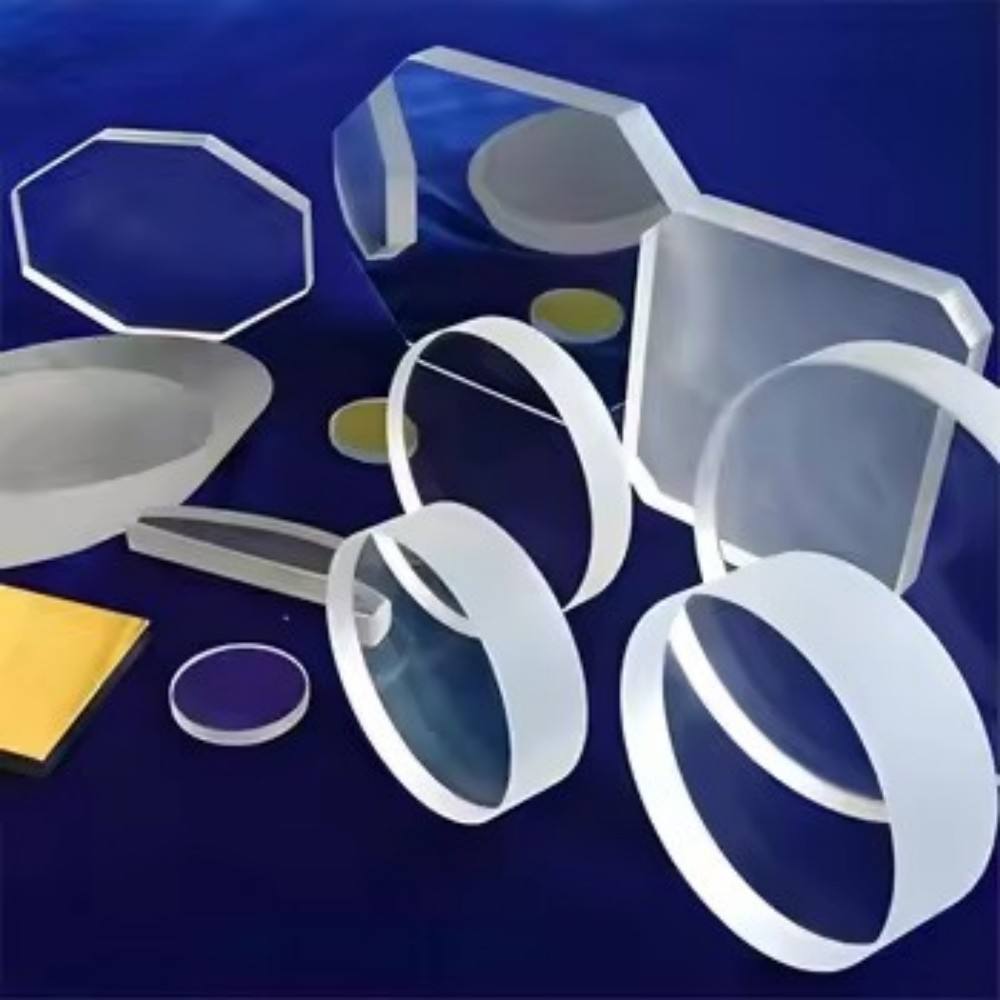
Full Technical Specifications of Felix Glass Sapphire Laser Window
| Specification Item | Standard Range (Customizable) |
|---|---|
| Substrate Material | Synthetic single‑crystal sapphire Al₂O₃ |
| Dimension Range | 3 mm‑300 mm (round / square / custom shape) |
| Thickness | 0.3 mm‑25 mm |
| Diameter Tolerance | ±0.05 mm (custom tighter tolerance available) |
| Surface Flatness | λ/2 ~ λ/10 @632.8 nm |
| Surface Quality (Scratch‑Dig) | 60‑40,40‑20 MIL‑PRF‑13830 |
| Parallelism | ≤3 arcmin (custom high precision ≤10 arcsec) |
| Wedge Angle | 0‑5 degrees customizable |
| Available Coatings | Uncoated / Single‑λ AR / Broadband AR |
| Crystal Orientation | C‑plane, A‑plane, R‑plane custom |
Additional Performance & Environmental Attributes
| Additional Attribute | Standard Value & Custom Range |
|---|---|
| Birefringence | Controlled by crystal orientation;C‑plane / A‑plane / R‑plane optional |
| Sub‑surface Damage(SSD) | <100 nm for laser grade polishing |
| Compatible Cleaning Method | Ultrasonic, plasma, optical‑grade solvent cleaning |
| Working Humidity | 0‑95% RH non‑condensing |
| Storage Temperature | ‑40 °C ~ +85 °C |
| Coefficient of Thermal Expansion | 7.5 ×10⁻⁶ /K (c‑axis) |
| Edge Treatment | Fine‑ground, 0.1‑0.5 mm chamfer, polished edge customizable |
| Mounting Feature | Through‑holes, counter‑sink holes, notches available |
| Deliverable Documents | Interferometer report, transmission spectrum, scratch‑dig report, optional LIDT test report |
| Packaging | Class‑100 clean‑room anti‑static optical packaging for export shipment |
| Restriction | Not fit for wavelength below 170 nm; avoid long‑time hot phosphoric‑acid exposure |
Frequently Asked Questions About Sapphire Laser Window
Q1: Sapphire vs fused silica, which laser window should I pick?
A: Choose sapphire for high‑power, high‑temperature, abrasion‑prone operating environment. Choose fused silica if your application focuses on deep‑UV, low‑medium power and cost sensitivity.
Q2: Can you provide LIDT test report for sapphire laser windows?
A: Yes, LIDT measurement report is available upon request for high‑energy laser projects; additional testing lead‑time will apply.
Q3: Can sapphire laser window be processed with mounting holes?
A: Yes, we support through‑holes, counter‑sink holes and special notch processing according to customer drawings.
Q4: What crystal orientation options are available?
A: C‑plane, A‑plane and R‑plane sapphire substrates can be customized to manage birefringence effect for polarization‑sensitive laser systems.
Get Your Custom Sapphire Laser Window Quote
Please share your dimension, wavelength, coating requirement, quantity and drawing. Hong Kong Felix Optical Glass Co., Limited will reply within 24 working hours.
- What is the minimum order quantity for custom precision optical glass components?
FELIX OPTICAL GLASS offers highly flexible MOQs to support customer projects, including prototype testing, small-batch trial orders, and high-volume production. All products can be fully customized to your drawings, tolerances, and application standards. Please send us your specifications, and we will reply within 1-5 hours and provide an accurate quotation after careful evaluation within 1-2 days.
- Can I get free glass samples for testing before bulk order?
Yes, our FELIX GLASS factory supports sample testing for a wide range of precision optical glass components and assemblies. The lead time for sample production is 3 to 7 working days. Please contact us today to arrange samples and obtain a customized solution that meets your needs.
- What is the production lead time for custom optical glass components?
A: The production cycle for standard samples is 3-10 working days, while mass production requires 15-35 working days, depending on the complexity of the product and the order quantity. We provide reliable precision optical glass components and fast delivery services for orders from industries such as defense, industrial equipment, medical devices, shipbuilding, robotics, automotive, and aerospace. Please submit your project details so we can provide you with an accurate delivery schedule.
- Are your optical glass products ISO, CE and RoHS certified?
All precision optical glass components from FELIX OPTICAL GLASS comply with ISO quality system standards as well as CE and RoHS requirements. We provide comprehensive test reports, spectral graphs, material certificates, and inspection documents for customer review. Please feel free to request complete certification details and a formal quotation at any time.
- Do you offer one-stop custom optical glass processing services?
Yes. We offer a full range of precision optical glass component processing services, including CNC machining, precision grinding, optical polishing, chemical/physical tempering, vacuum coating (AR anti-reflective coating, AF anti-fingerprint coating, AG anti-glare coating, IR infrared coating), and screen printing. From raw materials to finished products, every step is completed in our own factory. Please tell us your needs, and we will provide you with the most cost-effective solution.
- Name
- *Title
- *Content
With 19 years of experience as a precision optical glass expert, we provide comprehensive and satisfactory customized solutions.
 Felix Glass Officially Launches IR Optics Product Line: Custom ZnSe Lenses for LWIR Thermal ImagingFelix Glass officially launches IR optics line with custom ZnSe lenses for LWIR thermal imaging. High transmittance, custom dimensions & coatings, full‑scale OEM support.
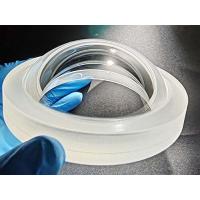 Case Study: Custom Sapphire Viewport for High‑Temperature Kiln Continuous MonitoringFelix Glass custom sapphire viewport for high‑temperature kiln continuous monitoring. Excellent thermal shock resistance, custom dimension, prototype to mass‑production OEM support.