Optical Transmission
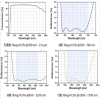
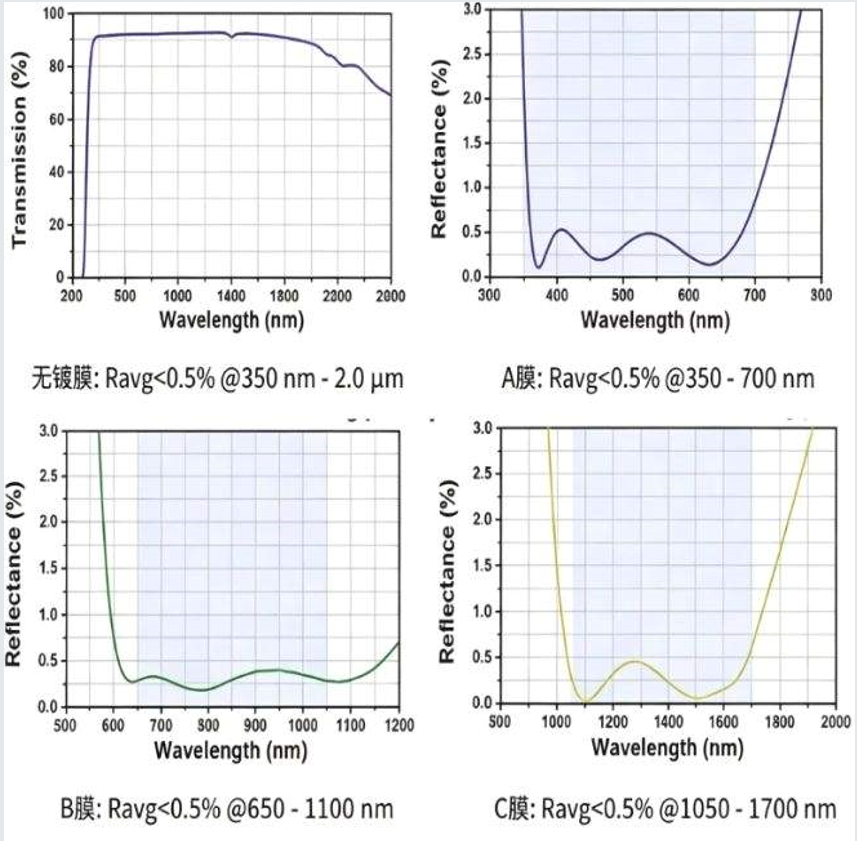
Useful transmission from ultraviolet through infrared wavelengths supports a range of sensing and fiber-optic applications.

✔ OEM / ODM Customization
✔ Free Drawing DFM Technical Review
✔ 24-Hour Professional Quotation
✔ Flexible Low MOQ & Fast Prototypes
| Share | |
|---|---|
| Categories | Sapphire Optical Lenses |
| Brand | FELIX GLASS optical glass Manufacturing base |
| Model | FG-WIN-FURN-010 |
| Base Material | Optical Fiber Coupling, Precision Instrument, Laser Collimation |
| Surface Process | Double-Sided Optical Polishing, Optional AR Coating |
| Custom Service | OEM ODM Custom Size, Diameter 2–50mm Tolerance Control |
| Optical Feature | High UV-Vis-NIR Transmittance, Low Light Loss |
| FOB port | SHENGZHEN SHANGHAI GUANGZHOU |
| Terms of Payment | L/C, D/A, D/P, T/T |
| Download |    |
Sapphire optical component for fiber coupling
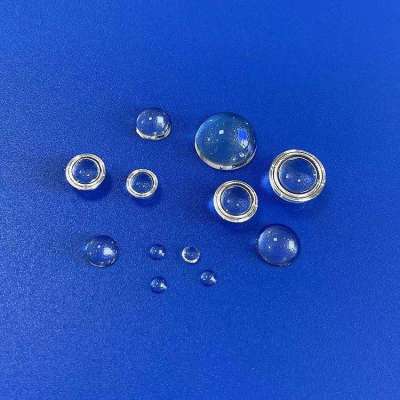
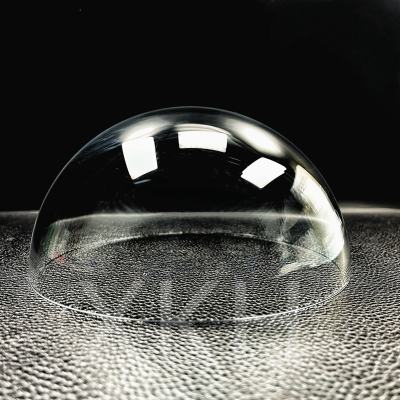
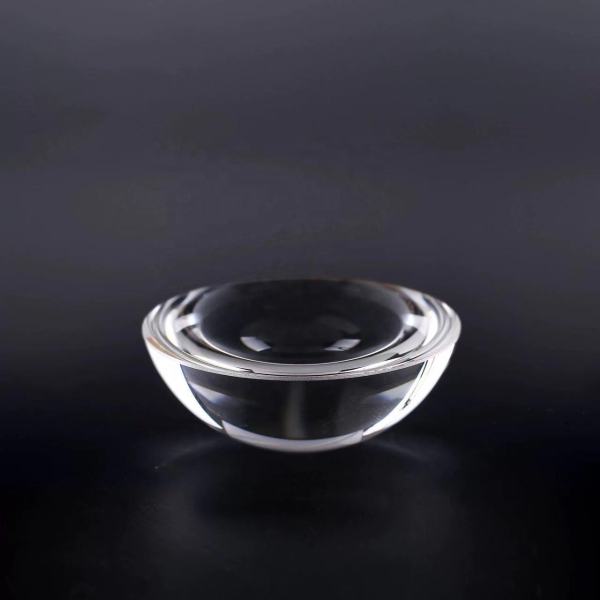
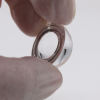
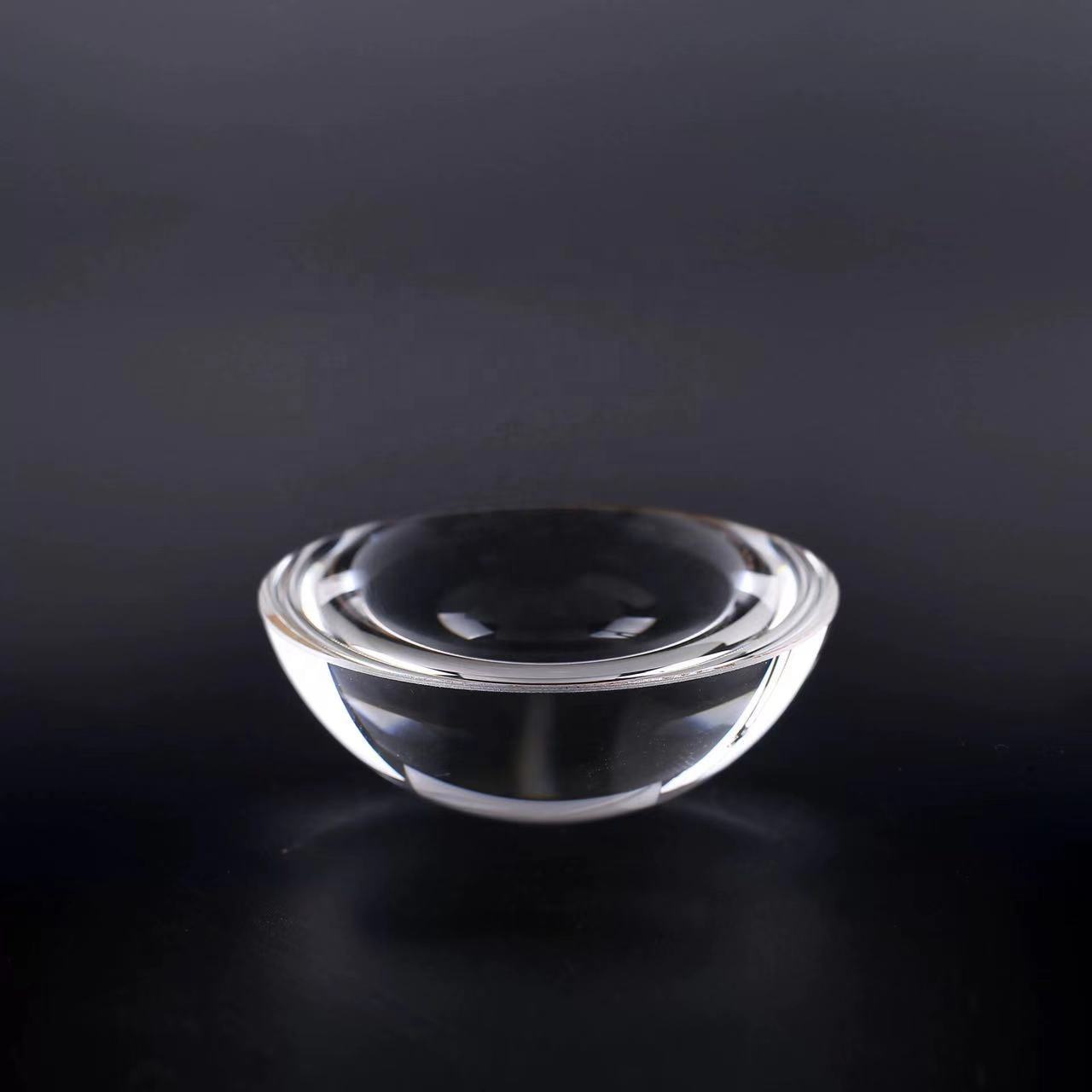
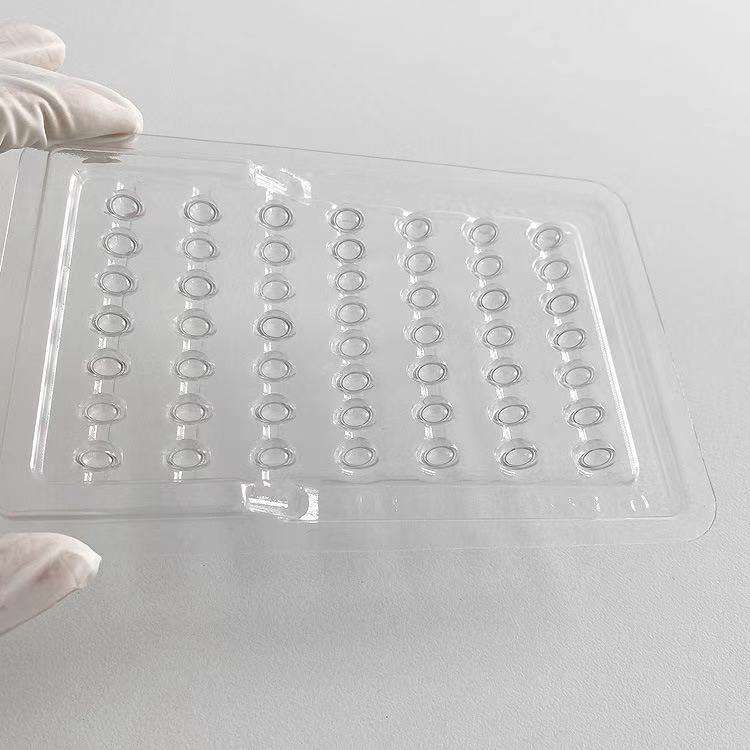
A sapphire half ball lens focuses or collimates light between an optical fiber and a detector, emitter, or other optical element. Its hemispherical geometry supports compact coupling assemblies, while sapphire combines broad optical transmission with low thermal expansion and high surface hardness.
Interest
Material selection affects alignment stability, service life, and optical performance. Sapphire is used where conventional optical glass may face abrasion, temperature change, or repeated handling.
Useful transmission from ultraviolet through infrared wavelengths supports a range of sensing and fiber-optic applications.
A hard optical surface helps resist scratching during assembly, cleaning, and operation.
Low thermal expansion helps reduce dimensional drift when operating temperatures change.
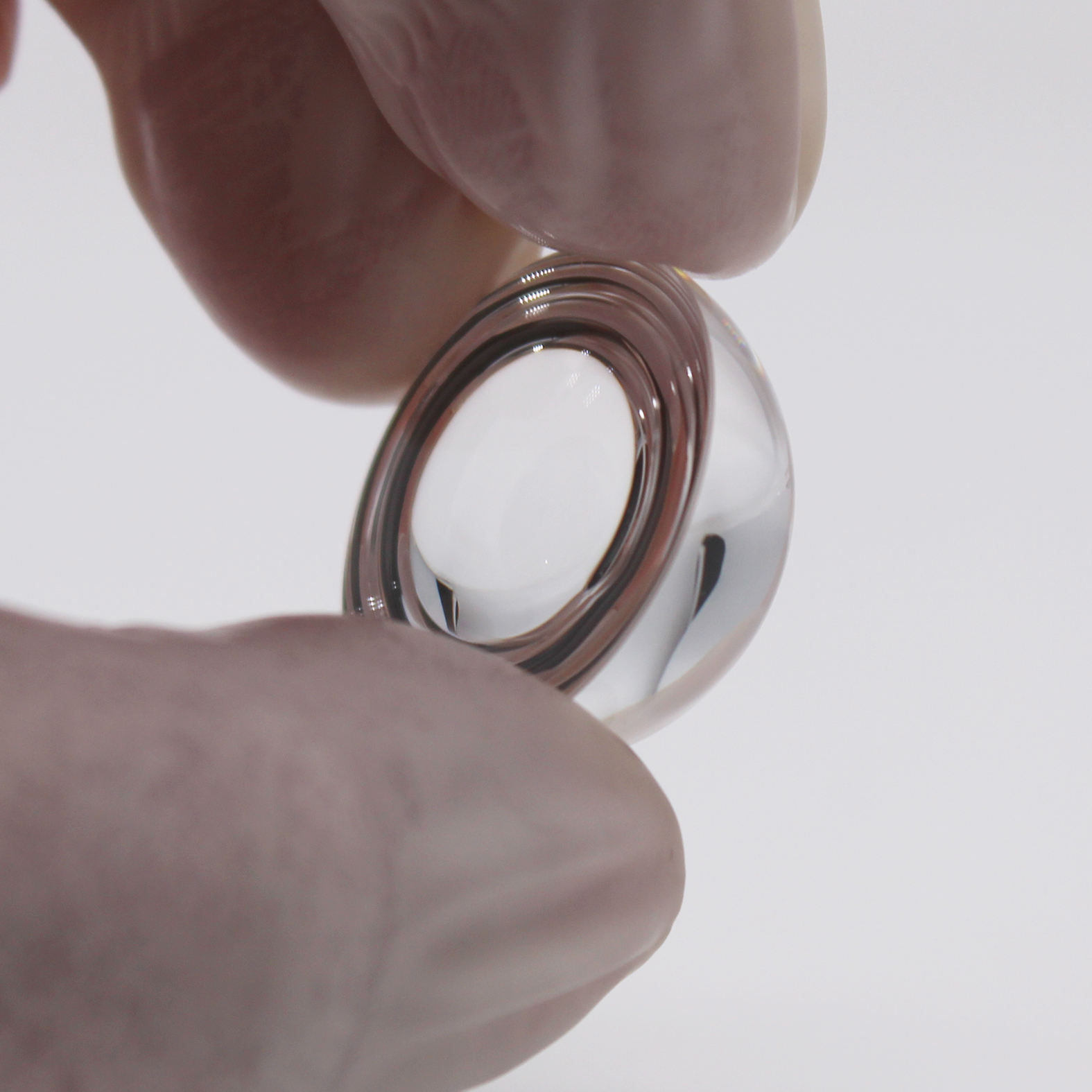
The curved surface refracts incoming or outgoing light so it can be focused or collimated over a short optical path. In a fiber coupling device, the lens can help match the fiber output to a photoelectric sensor or another optical component.
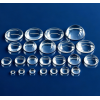
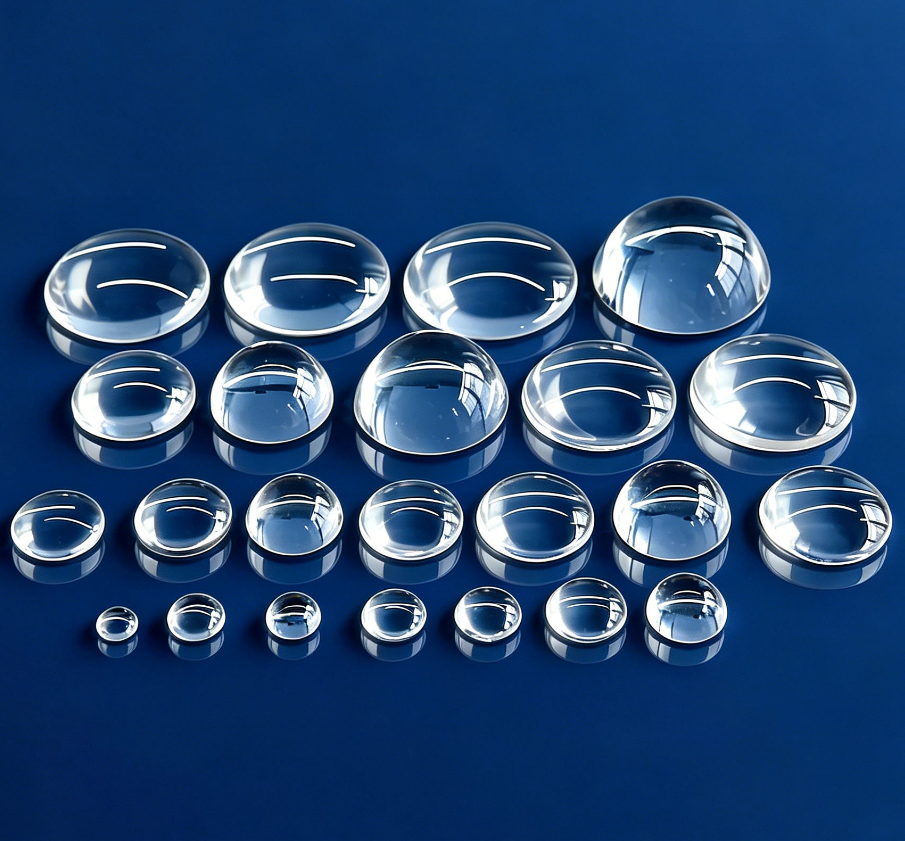
The existing product range supports diameters from 2 mm to 50 mm. Final geometry, tolerances, surface quality, and coating should be defined against the optical design rather than selected from a generic tolerance set.
| Material | Optical-grade sapphire |
|---|---|
| Geometry | Half ball / hemispherical lens |
| Diameter range | 2 mm–50 mm custom available |
| Surface | Optical polishing; requirements confirmed per drawing |
| Coating | Optional single- or double-side AR coating |
| Documentation | Dimensional and spectral inspection reports available |
Desire
The lens can be integrated into fiber coupling modules, optical communication equipment, precision detection instruments, and compact optoelectronic sensing devices.
Focus or collimate light between the fiber end and the next optical element.
Support compact transmitter, receiver, and signal-routing assemblies.
Use stable geometry in instruments exposed to temperature change or repeated operation.
Fit small sensing packages where durability and optical access are both required.
Confirm diameter, height, curvature, clear aperture, wavelength, and assembly conditions.
CNC spherical machining and optical polishing establish the required geometry and surface.
Apply the specified AR coating for the operating wavelength and surface selection.
Check dimensions and optical requirements before shipment.
Felix Glass Co., Limited can support dimensional and spectral inspection documentation for custom projects. Sharing the application environment early helps align the inspection plan with the conditions that matter to the assembly.
In-house CNC spherical machining and optical polishing support geometry control.
Dimensional and spectral reports can be discussed for the order.
Review requirements with the team before production planning begins.
For a useful manufacturability review, provide the lens drawing and the operating requirements that influence optical and mechanical performance.
The existing product information states that custom diameters from 2 mm to 50 mm are available. Feasibility depends on the complete geometry and tolerances.
Yes. Single- or double-side AR coating can be discussed for the specified fiber-optic wavelength band.
Sapphire offers high surface hardness and low thermal expansion, which can help in assemblies exposed to abrasion or temperature change.
Provide a drawing, material and coating requirements, operating wavelength, quantity, and any inspection or documentation needs.
Use these verified site resources to compare options, understand the supplier, and prepare the next engineering discussion.
Action
Send the drawing, wavelength, coating requirement, quantity, and operating conditions. Felix Glass Co., Limited will review the request against its sapphire machining and optical polishing capabilities.
Send us your drawing, dimension & coating requirements for fast quotation within 24 hours.
Get Free RFQWe supply Industrial Glass, Sapphire Optics, Optical Lenses/Prisms/Filters, Infrared IR Optics, Functional & Display Glass, N-BK7/H-K9L Optical Glass, supporting OEM mass production and laboratory custom prototypes. Flexible MOQ & free sample service available. Fill in the form to download full datasheets and get factory wholesale price within 24 hours.
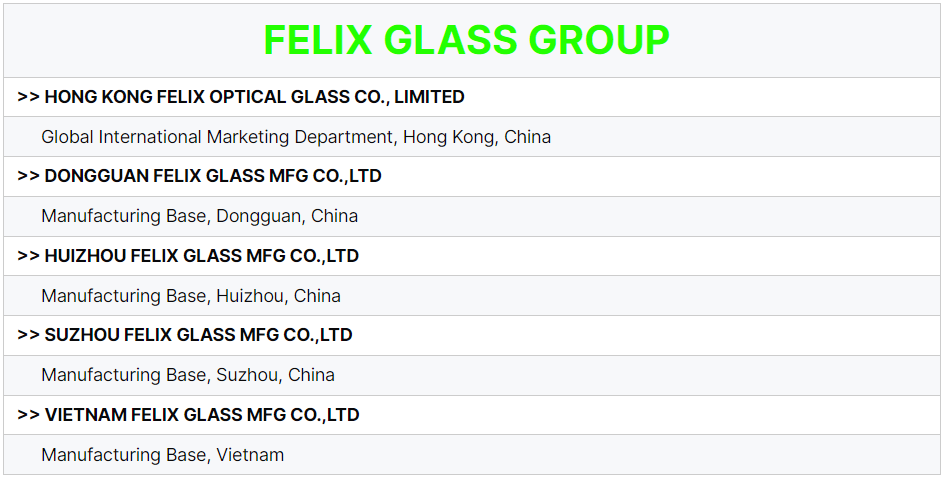

FELIX OPTICAL GLASS offers highly flexible MOQs to support customer projects, including prototype testing, small-batch trial orders, and high-volume production. All products can be fully customized to your drawings, tolerances, and application standards. Please send us your specifications, and we will reply within 1-5 hours and provide an accurate quotation after careful evaluation within 1-2 days.
Yes, our FELIX GLASS factory supports sample testing for a wide range of precision optical glass components and assemblies. The lead time for sample production is 3 to 7 working days. Please contact us today to arrange samples and obtain a customized solution that meets your needs.
A: The production cycle for standard samples is 3-10 working days, while mass production requires 15-35 working days, depending on the complexity of the product and the order quantity. We provide reliable precision optical glass components and fast delivery services for orders from industries such as defense, industrial equipment, medical devices, shipbuilding, robotics, automotive, and aerospace. Please submit your project details so we can provide you with an accurate delivery schedule.
All precision optical glass components from FELIX OPTICAL GLASS comply with ISO quality system standards as well as CE and RoHS requirements. We provide comprehensive test reports, spectral graphs, material certificates, and inspection documents for customer review. Please feel free to request complete certification details and a formal quotation at any time.
Yes. We offer a full range of precision optical glass component processing services, including CNC machining, precision grinding, optical polishing, chemical/physical tempering, vacuum coating (AR anti-reflective coating, AF anti-fingerprint coating, AG anti-glare coating, IR infrared coating), and screen printing. From raw materials to finished products, every step is completed in our own factory. Please tell us your needs, and we will provide you with the most cost-effective solution.