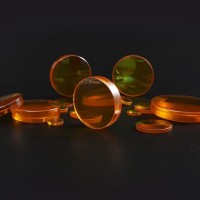
Pressure-Oriented Geometry
Diameter, thickness, edge profile, and clear aperture can be reviewed for projects from approximately 100 m to 6000 m working depth, subject to assembly design and qualification testing.
✔ OEM / ODM Customization
✔ Free Drawing DFM Technical Review
✔ 24-Hour Professional Quotation
✔ Flexible Low MOQ & Fast Prototypes
| Share | |
|---|---|
| Categories | Sapphire Optical Lenses |
| Brand | FELIX GLASS optical glass Manufacturing base |
| Model | FG-SAPP-VP-UNDERWATER-001 |
| Pressure Resistance Depth | Custom 100m ~ 6000m Underwater Working Depth |
| Surface Treatment | Double-Sided Optical Polishing, Optional AR Coating |
| Sealing Structure | Precision Ground Flange for O-Ring Waterproof Assembly |
| Corrosion Resistance | Salt Spray & Seawater Corrosion Proof |
| Available Sizes | Custom Diameter 10mm–500mm, Custom Curvature |
| Optical Feature | High UV-Vis-NIR Transmittance, No Distortion |
| Custom Service | OEM ODM Size, Curvature & Coating Customization |
| FOB port | SHENGZHEN SHANGHAI GUANGZHOU |
| Terms of Payment | L/C, D/A, D/P, Western Union, T/T |
| Download |    |
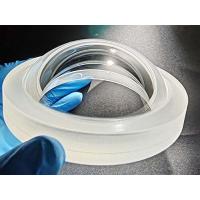
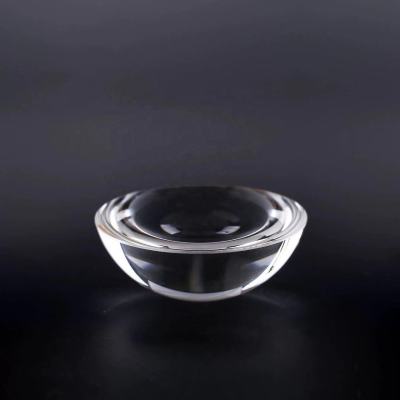
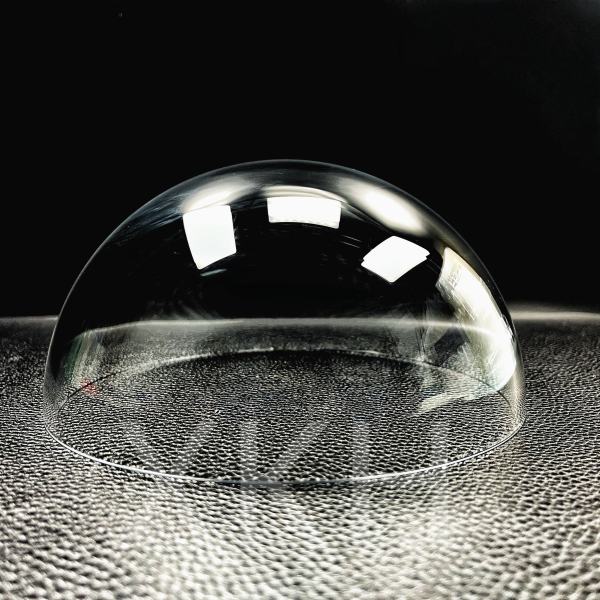
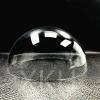
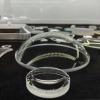
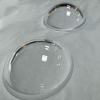
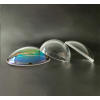
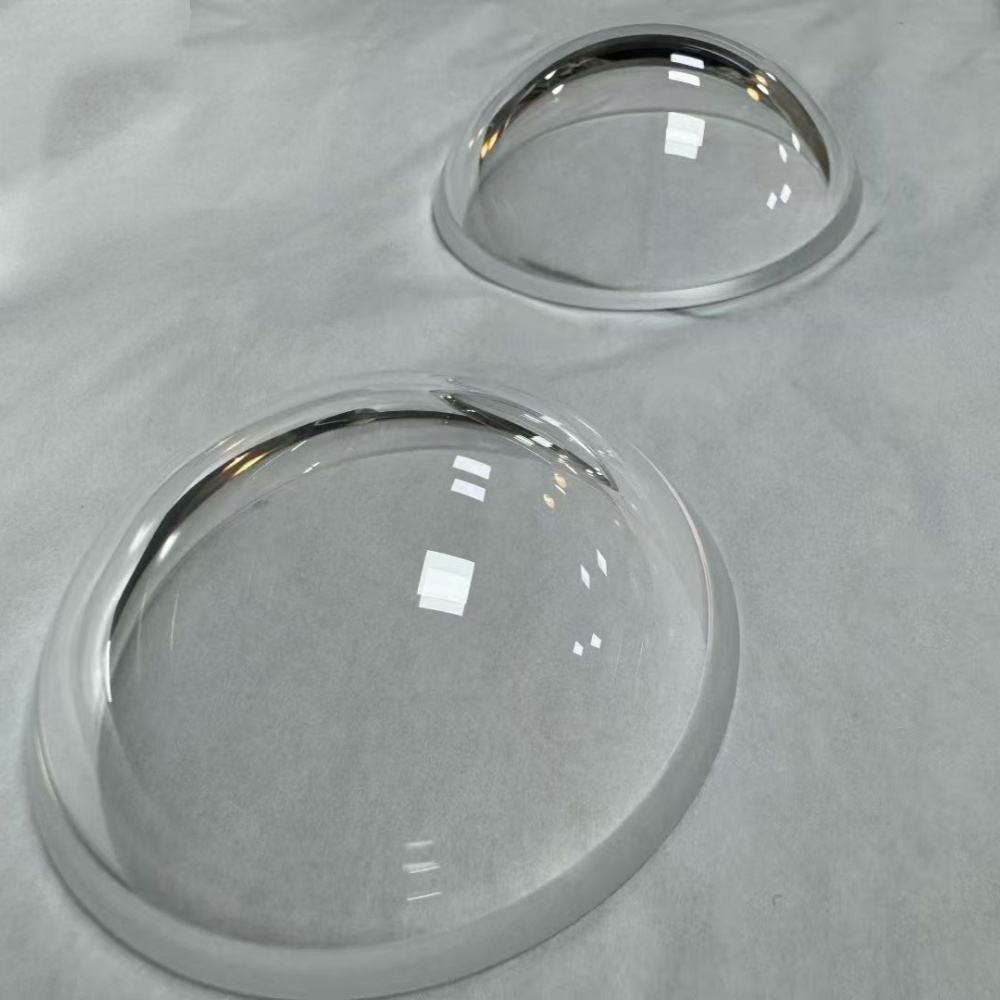
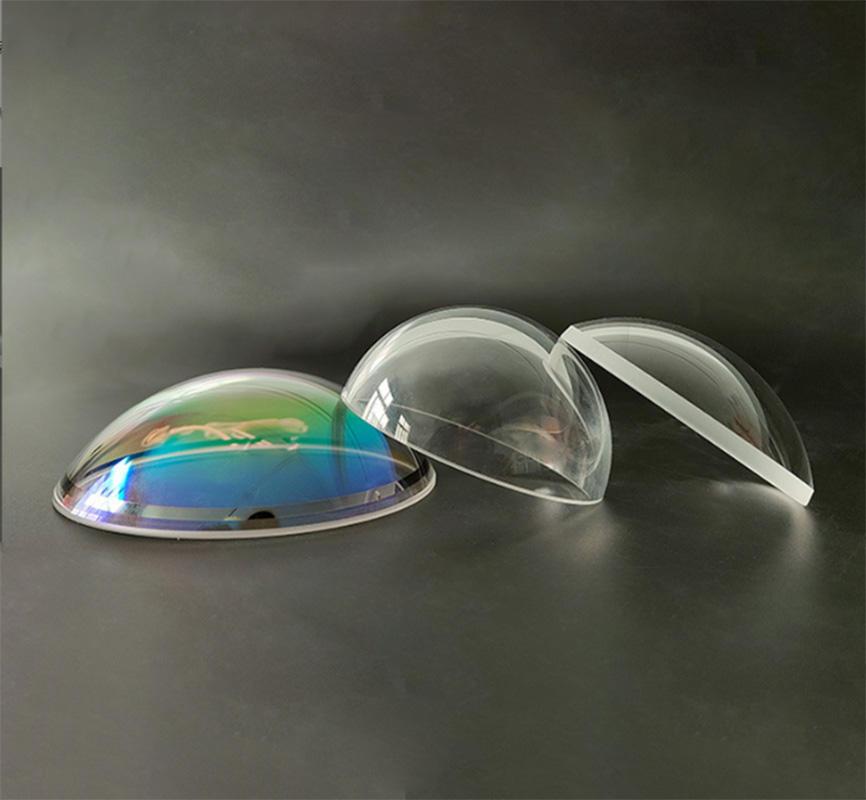
This waterproof sapphire viewport is made from single-crystal C-plane sapphire for underwater cameras, ROV detection systems, marine monitoring instruments, and other sealed optical assemblies. The material combines a Mohs 9 surface with optical transmission across UV, visible, and near-infrared bands, helping the exposed window resist sediment abrasion while maintaining a clear optical path.
Felix Glass Co., Limited supports drawing-based dimensions, edge geometry, sealing interfaces, and optional anti-reflection coatings. The viewport can be developed around working depth, clear aperture, housing design, and the wavelengths used by the camera or detector.
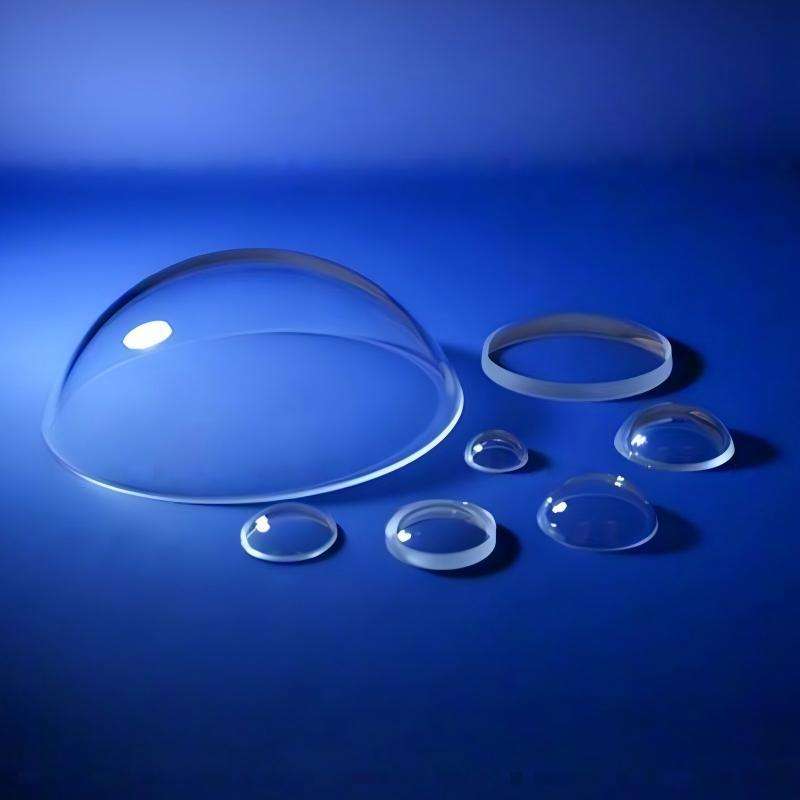
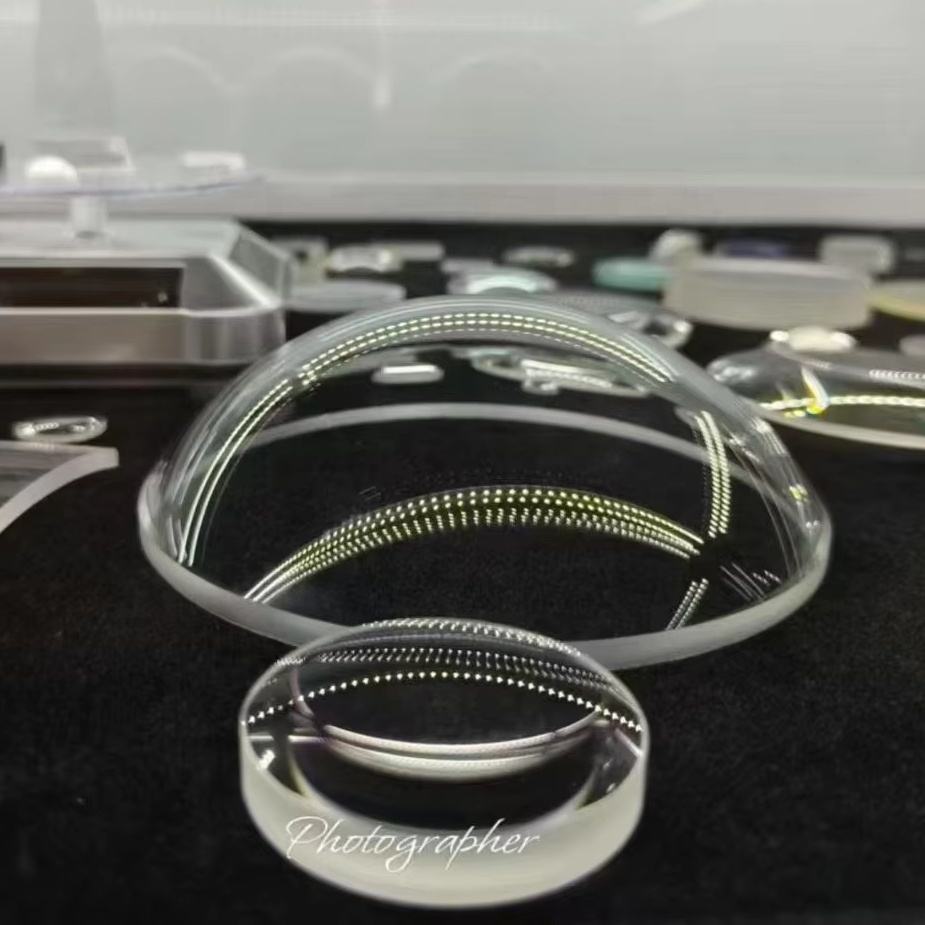
A sapphire viewport is considered when an exposed optical surface must work in a high-pressure, abrasive, or corrosive environment. Compared with ordinary glass, sapphire provides a harder contact surface and stable material behavior in seawater. Final pressure capability, however, depends on the complete assembly: viewport diameter, thickness, unsupported span, edge finish, housing material, seal design, installation preload, and verification method must be reviewed together.
Diameter, thickness, edge profile, and clear aperture can be reviewed for projects from approximately 100 m to 6000 m working depth, subject to assembly design and qualification testing.
Single-crystal sapphire is suitable for contact with seawater and salt-fog environments when the surrounding housing and sealing materials are also selected for marine service.
Double-sided optical polishing supports camera, illumination, sensing, and monitoring paths. Optional AR coating can be reviewed around the operating wavelength and incidence angle.
The Mohs 9 surface helps reduce damage from suspended particles, handling, and abrasive contact that could degrade image quality over time.
| Item | Available Project Input |
|---|---|
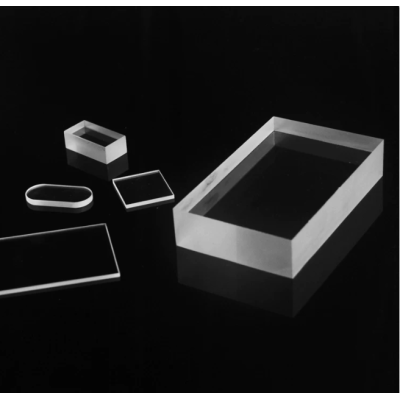
| Shape | Round, oval, rectangular, or curved-surface viewport |
| Size | Typical custom diameter or side length from 5 mm to 400 mm; project range may extend to 500 mm after review |
| Thickness | Typical custom thickness from 2 mm to 60 mm, based on geometry and assembly requirements |
| Edge and mounting | Chamfer, precision-ground flange interface, sealing groove, or mounting holes where feasible |
| Surface | Double-sided optical polish with specified clear aperture and cosmetic requirement |
| Coating | Optional wavelength-specific or broadband AR coating after application review |
Provide working depth, proof pressure, pressure cycles, temperature range, and the required safety or qualification basis.
Identify clear aperture, unsupported span, seating surface, retaining method, and housing material.
Share O-ring type, groove dimensions, compression target, surface finish, and installation method.
Agree dimensional, optical, leak, and pressure checks before manufacturing begins.
Application suitability should be confirmed against the optical band, pressure profile, housing design, seawater exposure, cleaning method, and maintenance interval.
Felix Glass Co., Limited supports prototype trials and batch OEM/ODM production. Engineering review can cover dimensions, curvature, edge treatment, clear aperture, sealing interface, and optional coating. Inspection planning can include agreed dimensional, surface, optical, and pressure-related checks based on the project specification.
Clarify critical dimensions, datums, tolerances, and acceptance points.
Coordinate shaping, polishing, edge work, and optional coating.
Use sample feedback to refine repeat-order requirements.
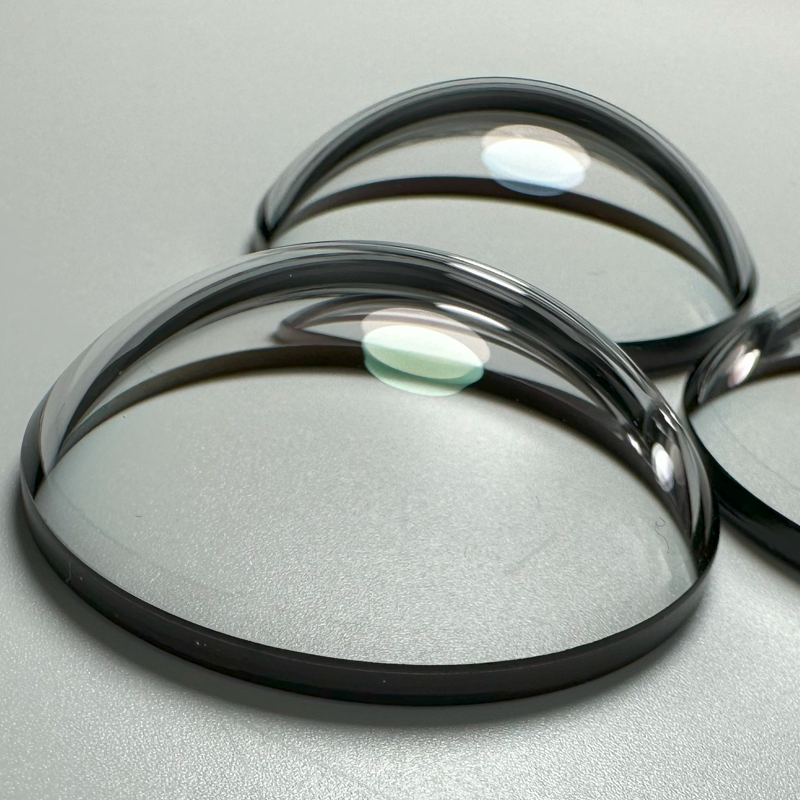
Outside diameter, thickness, clear aperture, edge features, and mounting details can be measured to the approved drawing.
Polish condition, visible defects, flatness or wavefront-related requirements, and coating region can be evaluated as specified.
Leak or pressure testing can be discussed when the fixture, pressure profile, duration, medium, and acceptance criteria are defined.
Projects up to approximately 6000 m may be reviewed, but suitability depends on diameter, thickness, support geometry, sealing, material condition, safety basis, and system-level qualification.
Precision edge and flange features can be reviewed from the housing and seal drawing. Feasibility depends on dimensions, tolerances, and edge-strength considerations.
It may help manage reflection, but the wavelength band, angle, immersion environment, cleaning method, and durability requirements should be defined first.
Provide the drawing or target dimensions, working depth, housing concept, optical band, surface requirements, quantity, and required inspection or pressure-test conditions.
Send the working depth, viewport drawing, housing and seal details, optical wavelength, quantity, and validation requirements. The engineering team can review manufacturability and identify the information needed for a quotation.
Send us your drawing, dimension & coating requirements for fast quotation within 24 hours.
Get Free RFQWe supply Industrial Glass, Sapphire Optics, Optical Lenses/Prisms/Filters, Infrared IR Optics, Functional & Display Glass, N-BK7/H-K9L Optical Glass, supporting OEM mass production and laboratory custom prototypes. Flexible MOQ & free sample service available. Fill in the form to download full datasheets and get factory wholesale price within 24 hours.
FELIX OPTICAL GLASS offers highly flexible MOQs to support customer projects, including prototype testing, small-batch trial orders, and high-volume production. All products can be fully customized to your drawings, tolerances, and application standards. Please send us your specifications, and we will reply within 1-5 hours and provide an accurate quotation after careful evaluation within 1-2 days.
Yes, our FELIX GLASS factory supports sample testing for a wide range of precision optical glass components and assemblies. The lead time for sample production is 3 to 7 working days. Please contact us today to arrange samples and obtain a customized solution that meets your needs.
A: The production cycle for standard samples is 3-10 working days, while mass production requires 15-35 working days, depending on the complexity of the product and the order quantity. We provide reliable precision optical glass components and fast delivery services for orders from industries such as defense, industrial equipment, medical devices, shipbuilding, robotics, automotive, and aerospace. Please submit your project details so we can provide you with an accurate delivery schedule.
All precision optical glass components from FELIX OPTICAL GLASS comply with ISO quality system standards as well as CE and RoHS requirements. We provide comprehensive test reports, spectral graphs, material certificates, and inspection documents for customer review. Please feel free to request complete certification details and a formal quotation at any time.
Yes. We offer a full range of precision optical glass component processing services, including CNC machining, precision grinding, optical polishing, chemical/physical tempering, vacuum coating (AR anti-reflective coating, AF anti-fingerprint coating, AG anti-glare coating, IR infrared coating), and screen printing. From raw materials to finished products, every step is completed in our own factory. Please tell us your needs, and we will provide you with the most cost-effective solution.