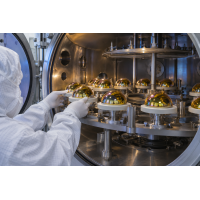
Aluminosilicate Glass
High-strength medical and industrial grade core substrate for chemically strengthened capacitive touch panels.

Touch panel glass is the conductive substrate layer used in capacitive touch assemblies. It supports ITO conductive film deposition, touch sensor circuit fabrication, optical bonding and long-term human-machine interaction in equipment where surface flatness, optical clarity, film adhesion and edge strength must be controlled together. Touch panel glass refers to the mechanically processed substrate used as the base layer for capacitive touch modules. Depending on project requirements, it may remain as an uncoated blank substrate or be combined with ITO conductive coating, decorative printing, AR anti-reflection, AG anti-glare, AF anti-fingerprint, EMC shielding or medical antibacterial surface treatment. Felix Glass supplies customized touch panel glass blank substrates, pre-coated ITO touch glass and finished touch sensor base plates with low-stress CNC forming, edge chamfering, chemical strengthening and multi-functional coating processes. Aluminosilicate touch glass is usually selected when the device requires stronger scratch resistance, deeper chemical strengthening, stable ITO adhesion and long service life under frequent finger or glove touch operation. Material selection should match coating route, touch sensitivity, impact design, temperature exposure, cleaning chemicals and target device life cycle. High-strength medical and industrial grade core substrate for chemically strengthened capacitive touch panels. Suitable for higher temperature touch equipment and laboratory display-control environments. Cost-sensitive option for consumer devices or low-frequency touch scenarios with moderate reliability demands. Selected for specialized medical, laboratory or optical touch equipment requiring high optical stability. The values below are reference ranges for engineering discussion. Final design depends on drawing, thickness, coating stack, strengthening route and inspection standard. Flat, arc-edge, rounded corner and optical bonding grade base glass for display touch assemblies. Conductive, anti-reflection, anti-glare, anti-fingerprint and EMC shielding coating stacks can be matched to the device environment. Black or white ceramic ink borders, custom holes, slots, radii and chamfered edges support sensor frame integration.
Functional & Display Glass / Touch Panel Glass
Custom Strengthened ITO-Coated Touch Panel Glass for Industrial HMI, Medical Capacitive Touch and Smart Display Systems
19+ years optical glass processing
CNC, strengthening, cleaning and coating
ISO 9001, RoHS and REACH support
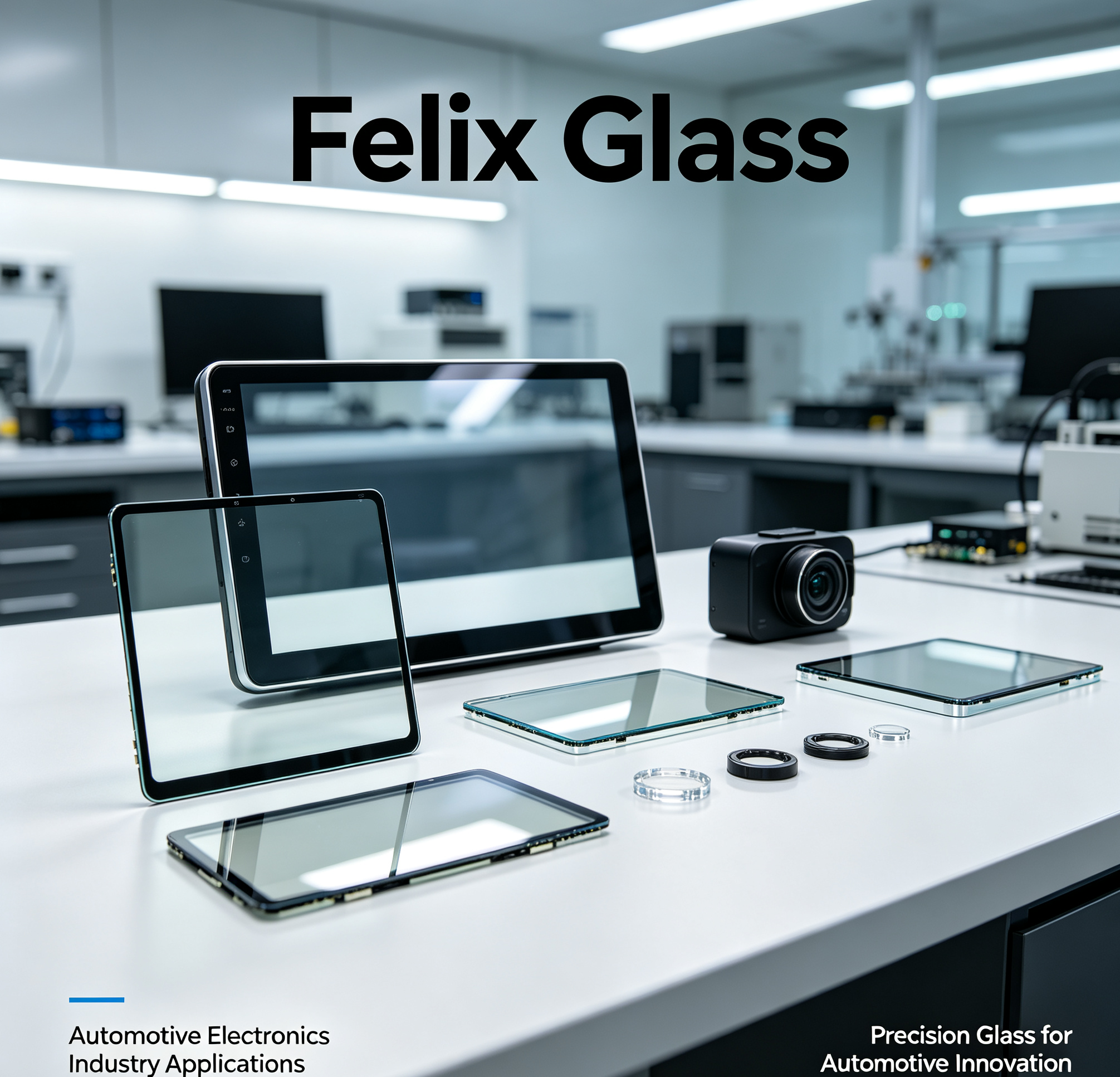 Product overview
What Touch Panel Glass Means in a Capacitive Touch Assembly
Direct engineering answer
Material options
Glass Substrate Choices for Touch Sensor Programs
Aluminosilicate Glass
Borosilicate Glass
Soda-Lime Glass
Fused Silica Glass
Engineer comparison
Why Aluminosilicate Touch Glass Is Often Preferred Over Soda-Lime Glass
Property Aluminosilicate Glass Soda-Lime Glass ITO film adhesion stability Superior and suitable for long-term conductive layer bonding Average, with higher film peeling risk under demanding use Scratch resistance Higher surface hardness after strengthening Standard hardness for general glass applications Chemical strengthening Excellent ion-exchange strengthening depth Limited shallow strengthening depth Capacitive touch stability Stable signal behavior for frequent operation Higher risk of signal drift after long use Medical and industrial HMI use Recommended for high-reliability programs Restricted for demanding medical or 24/7 industrial scenarios
Typical reference data
Material Properties and Technical Specifications
Visible light transmittance Greater than or equal to 91% Mohs hardness 6 to 7 Density 2.45 g/cm3 Thermal conductivity About 0.9 W/m.K Thermal expansion About 7.2 x 10⁻⁶ /K Continuous working temperature Up to 450 C for suitable glass grade Ion exchange depth 20 to 80 micrometers customizable
Custom size range 10 mm to 1200 mm Thickness range 0.3 mm to 8 mm Dimension tolerance Up to +/-0.05 mm by design Thickness uniformity Up to +/-0.03 mm Surface quality 60/40 or 40/20 MIL-O-13830 Surface flatness Less than or equal to 0.02 mm / 100 mm area ITO sheet resistance 10 to 300 ohm/sq customizable
Custom forms
Expandable Touch Panel Glass Options
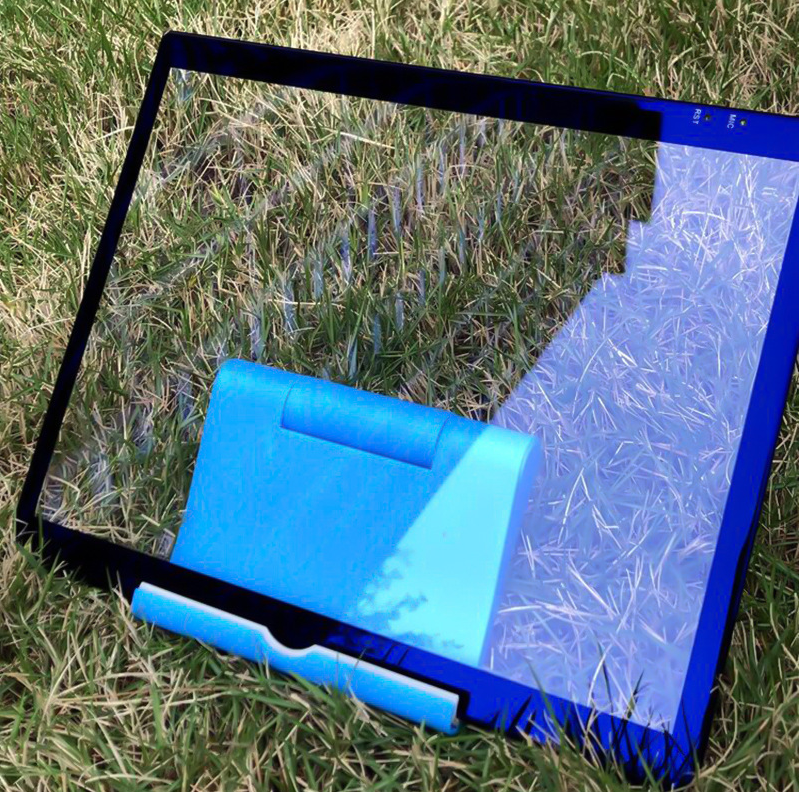
2D and 2.5D Touch Sensor Glass
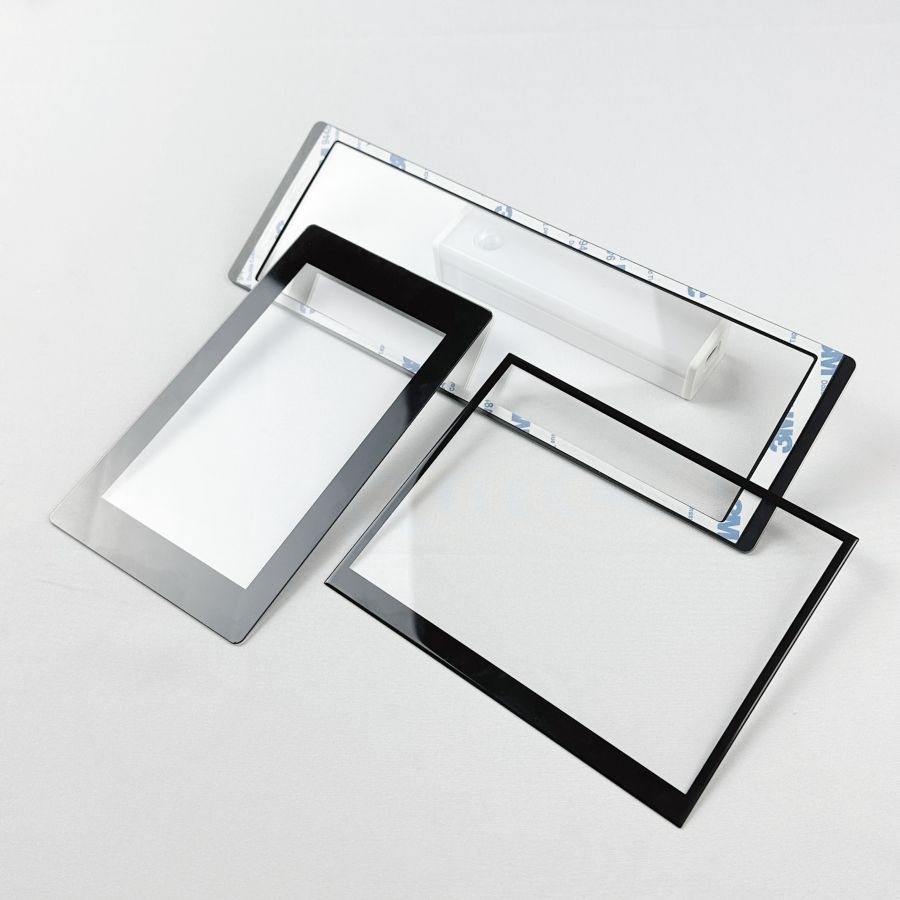
ITO, AR, AG and AF Coated Glass
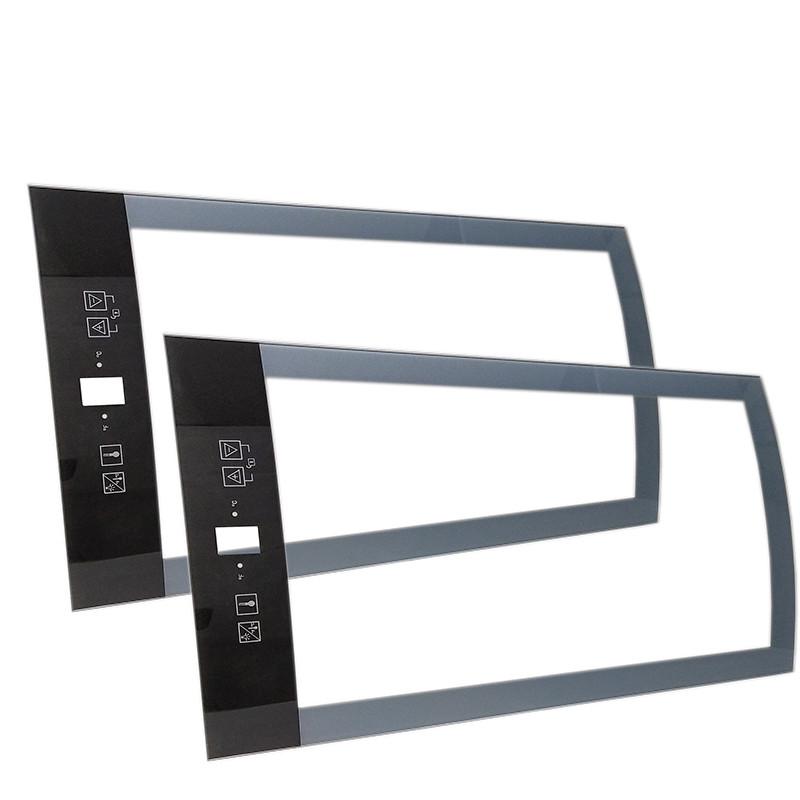
Printed and CNC Machined Touch Glass
DFM guidelines
Design Rules for Custom Touch Panel Glass Drawings
Edge chamfer radiusUse at least R0.5 mm where possible to reduce micro-crack risk near ITO film edges.
Hole-to-edge distanceReserve at least 1.5 times glass thickness to reduce stress fracture during bonding.
Printing marginKeep circuit frame tolerance compensation space outside the viewing and sensing windows.
Coating windowDefine clean zero-contamination sensor areas for stable capacitive signal induction.
Flatness controlMaintain uniform flatness to support consistent ITO film deposition and OCA lamination.
2.5D transitionUse smooth curved transitions to help avoid coating stress concentration and film cracking.
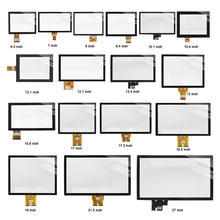
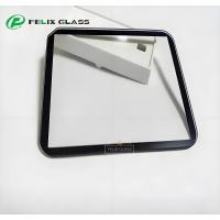
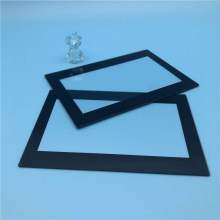
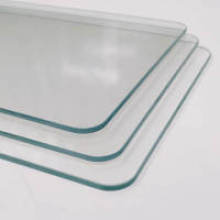
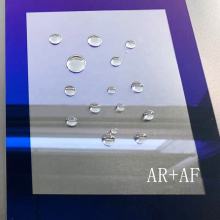
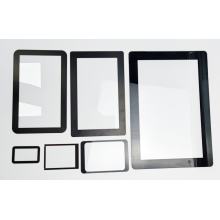
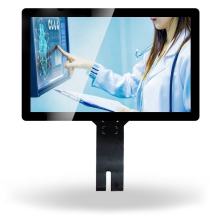
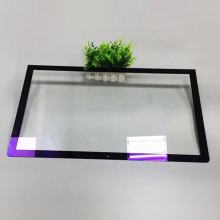
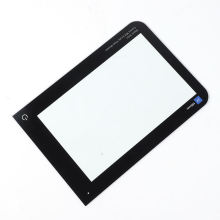
Each touch glass project is reviewed according to drawing, thickness, coating route, touch circuit requirement, application environment and inspection standard before production routing is confirmed.
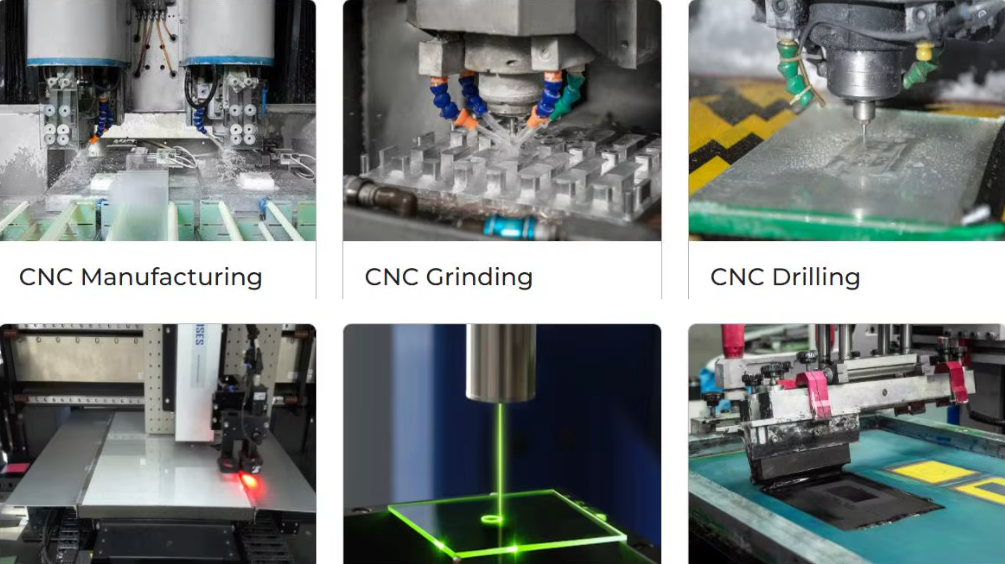
Low-stress blank cutting, rough shaping, CNC contour machining, hole drilling, slotting, edge chamfering and corner rounding.
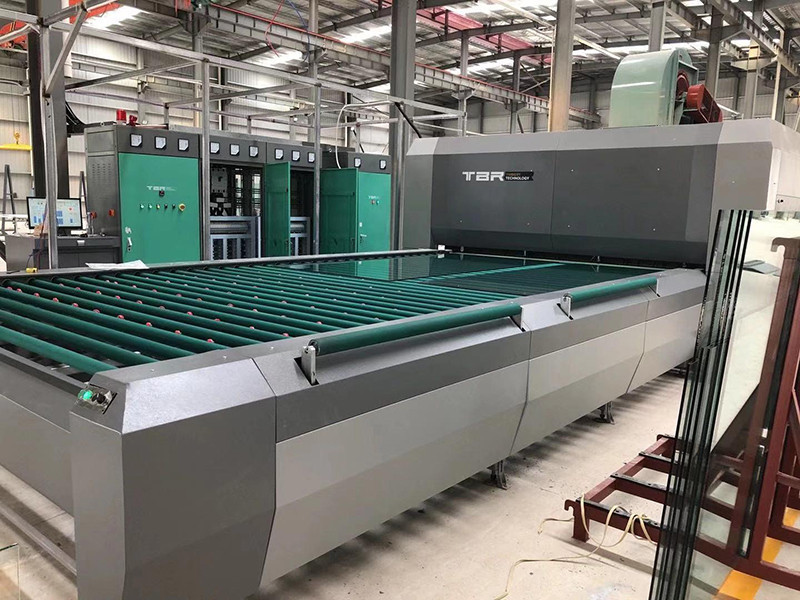
Fine grinding, ultra-flat polishing and controlled ion-exchange chemical strengthening for surface compression stress.
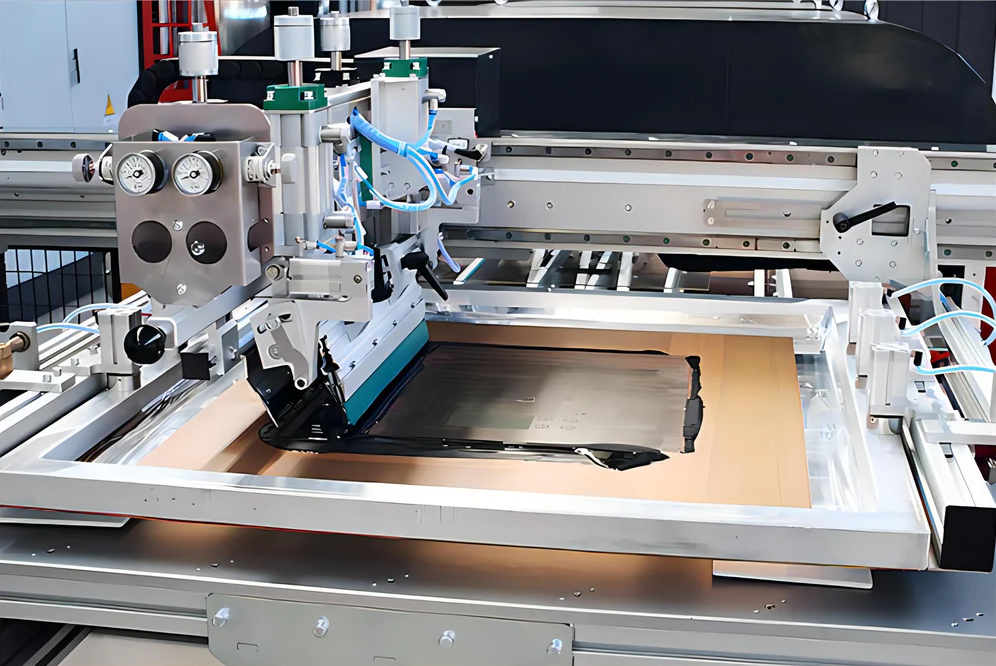
Dust-free ultrasonic cleaning, vacuum ITO deposition and optional AR, AG, AF or EMC coating stack integration.
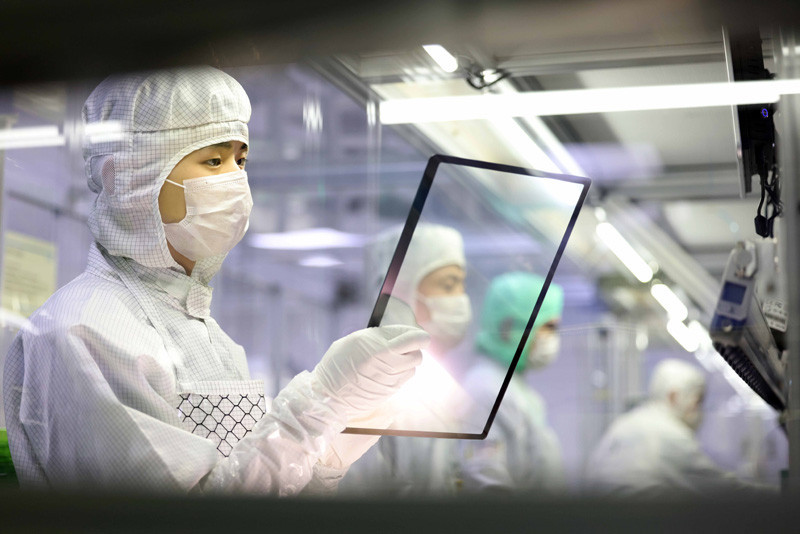
Ceramic ink frame printing, high-temperature curing, dimensional inspection, flatness testing and sheet resistance verification.
Coating selection depends on touch signal design, ambient light, cleaning frequency, electromagnetic environment and bonding process. Felix Glass can combine compatible coatings after engineering review.
Low-resistance conductive layer for capacitive touch signal induction, with customizable 10 to 300 ohm/sq sheet resistance.
Improves light transmission and reduces screen surface reflection for display readability.
Reduces glare under strong light and supports outdoor or high-brightness touch display use.
Repels oil stains and reduces fingerprint residue on frequently touched surfaces.
Available for hospital diagnostic equipment and nursing touch terminals where surface hygiene is specified.
Transparent conductive shielding can help reduce electromagnetic interference in medical and industrial terminals.
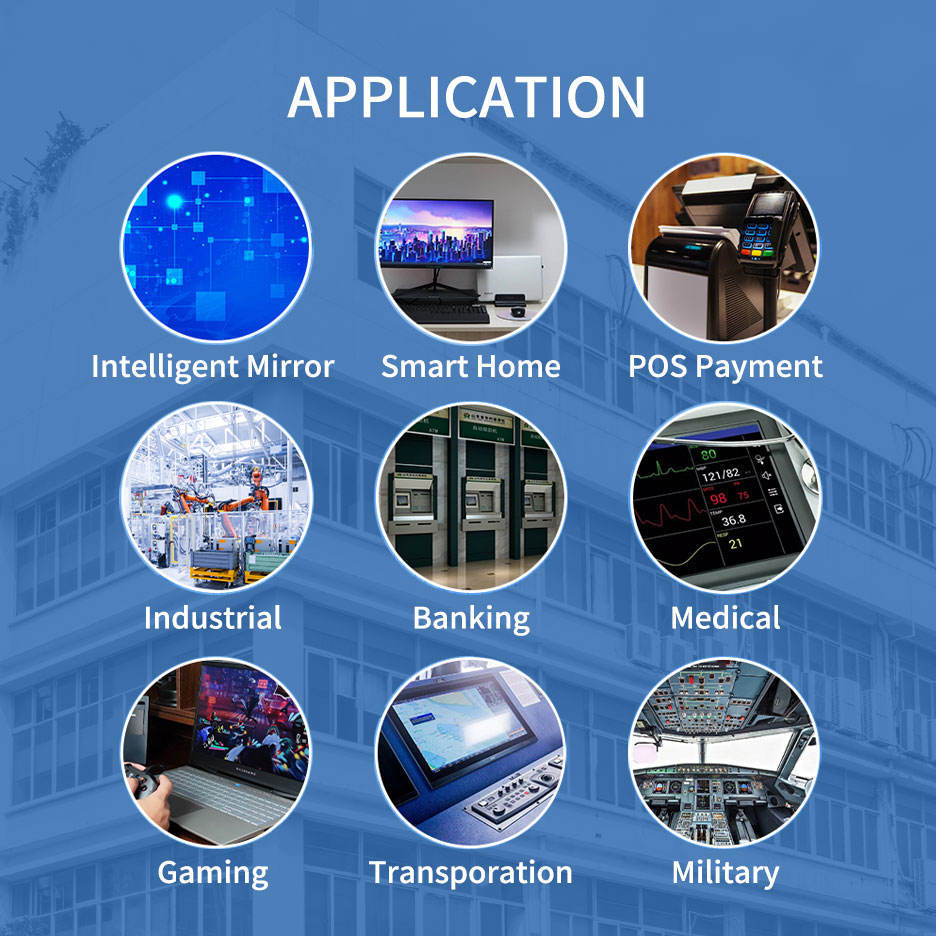
Inspection may include dimensional tolerance, geometric contour, surface scratch and dig, micro-particle screening, flatness and warpage, ITO sheet resistance uniformity, coating adhesion, printing alignment, impact sampling and full-spectrum transmittance consistency.
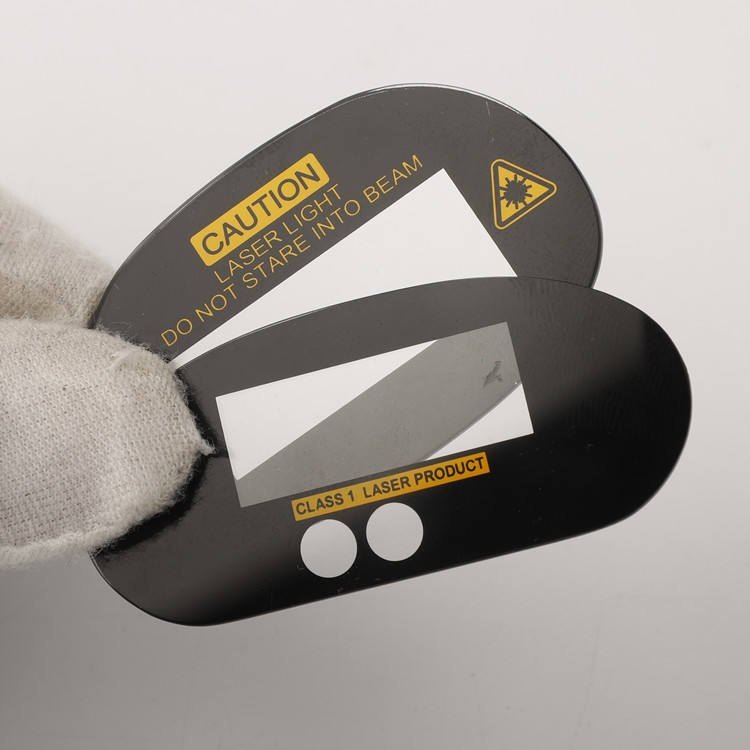
Send DWG, DXF, PDF, STEP or mainstream engineering drawings for structural and touch circuit review.
Confirm glass thickness, edge type, ITO resistance value, printing margin, coating stack and operating environment.
Small-batch samples support touch signal, optical performance and bonding process verification before mass order launch.
Mass production uses full-process inspection, shockproof dust-free packaging and customized delivery support.
Aluminosilicate glass provides more stable ITO adhesion, deeper chemical strengthening and better long-term touch stability for industrial and medical high-reliability scenarios.
Yes. Flatness, warpage and surface cleanliness can be controlled for OCA or optical bonding assembly requirements.
Yes. Black, white and customized ceramic ink screen printing can be applied with high-temperature curing according to drawing requirements.
Yes. The process route can support low-temperature vacuum coating after printing when the ink and coating requirements are compatible.
Touch glass substrates can start from 0.3 mm for miniature wearable, portable testing and compact smart device programs.
Yes. Substrate flatness, coating formula, rigidity and touch module design can be adjusted for industrial glove operation requirements.
Finished touch glass is packed with dust-free protective film, foam compartments and shockproof cartons to reduce scratching and film damage.
Yes. Surface cleaning, activation and dust-free pre-processing can be prepared for standard OCA lamination workflows.
Request datasheets, material property specifications, coating manuals, inspection standards, engineering drawing guides, cleaning guidance, packaging specifications and DFM checklists with your inquiry.
Please specify glass thickness, edge style, ITO resistance parameter, printing requirement, coating type and touch application environment. Felix Glass can provide structural evaluation and process recommendations for prototype or batch production.

FELIX OPTICAL GLASS offers highly flexible MOQs to support customer projects, including prototype testing, small-batch trial orders, and high-volume production. All products can be fully customized to your drawings, tolerances, and application standards. Please send us your specifications, and we will reply within 1-5 hours and provide an accurate quotation after careful evaluation within 1-2 days.
Yes, our FELIX GLASS factory supports sample testing for a wide range of precision optical glass components and assemblies. The lead time for sample production is 3 to 7 working days. Please contact us today to arrange samples and obtain a customized solution that meets your needs.
A: The production cycle for standard samples is 3-10 working days, while mass production requires 15-35 working days, depending on the complexity of the product and the order quantity. We provide reliable precision optical glass components and fast delivery services for orders from industries such as defense, industrial equipment, medical devices, shipbuilding, robotics, automotive, and aerospace. Please submit your project details so we can provide you with an accurate delivery schedule.
All precision optical glass components from FELIX OPTICAL GLASS comply with ISO quality system standards as well as CE and RoHS requirements. We provide comprehensive test reports, spectral graphs, material certificates, and inspection documents for customer review. Please feel free to request complete certification details and a formal quotation at any time.
Yes. We offer a full range of precision optical glass component processing services, including CNC machining, precision grinding, optical polishing, chemical/physical tempering, vacuum coating (AR anti-reflective coating, AF anti-fingerprint coating, AG anti-glare coating, IR infrared coating), and screen printing. From raw materials to finished products, every step is completed in our own factory. Please tell us your needs, and we will provide you with the most cost-effective solution.