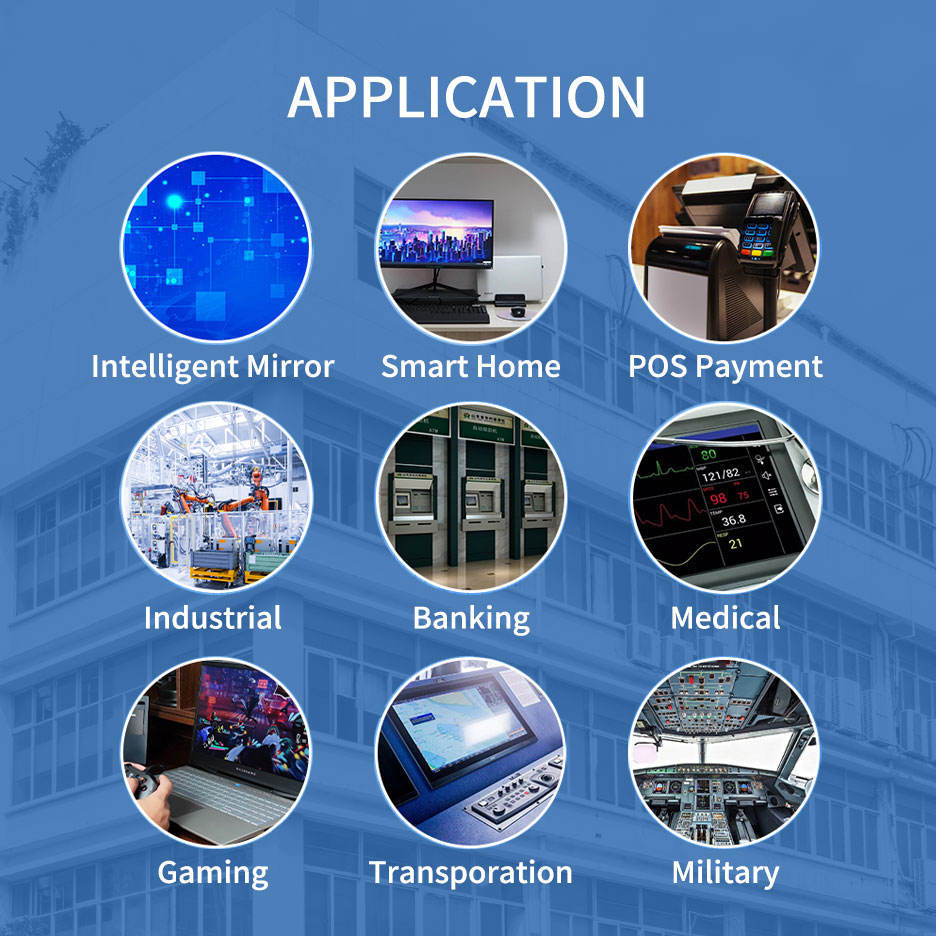
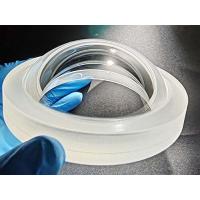
What types of functional coated glass are widely used for industrial touch display panels?
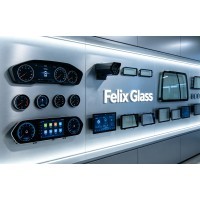
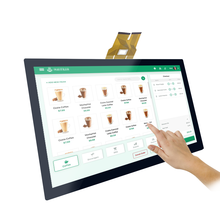
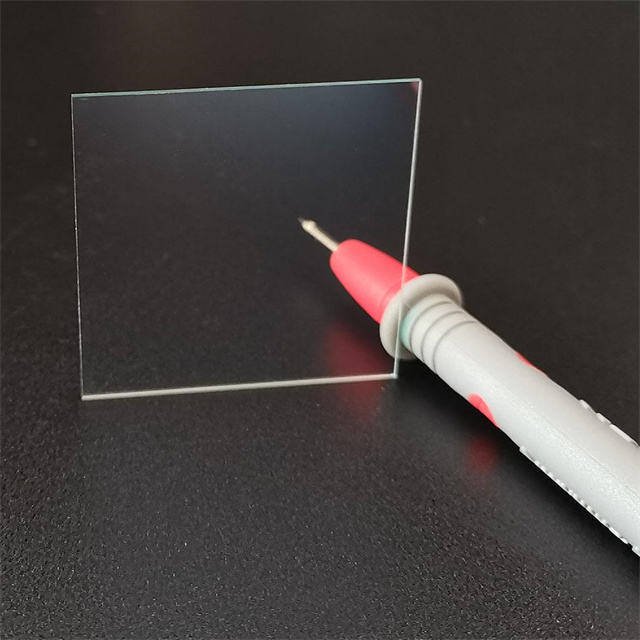
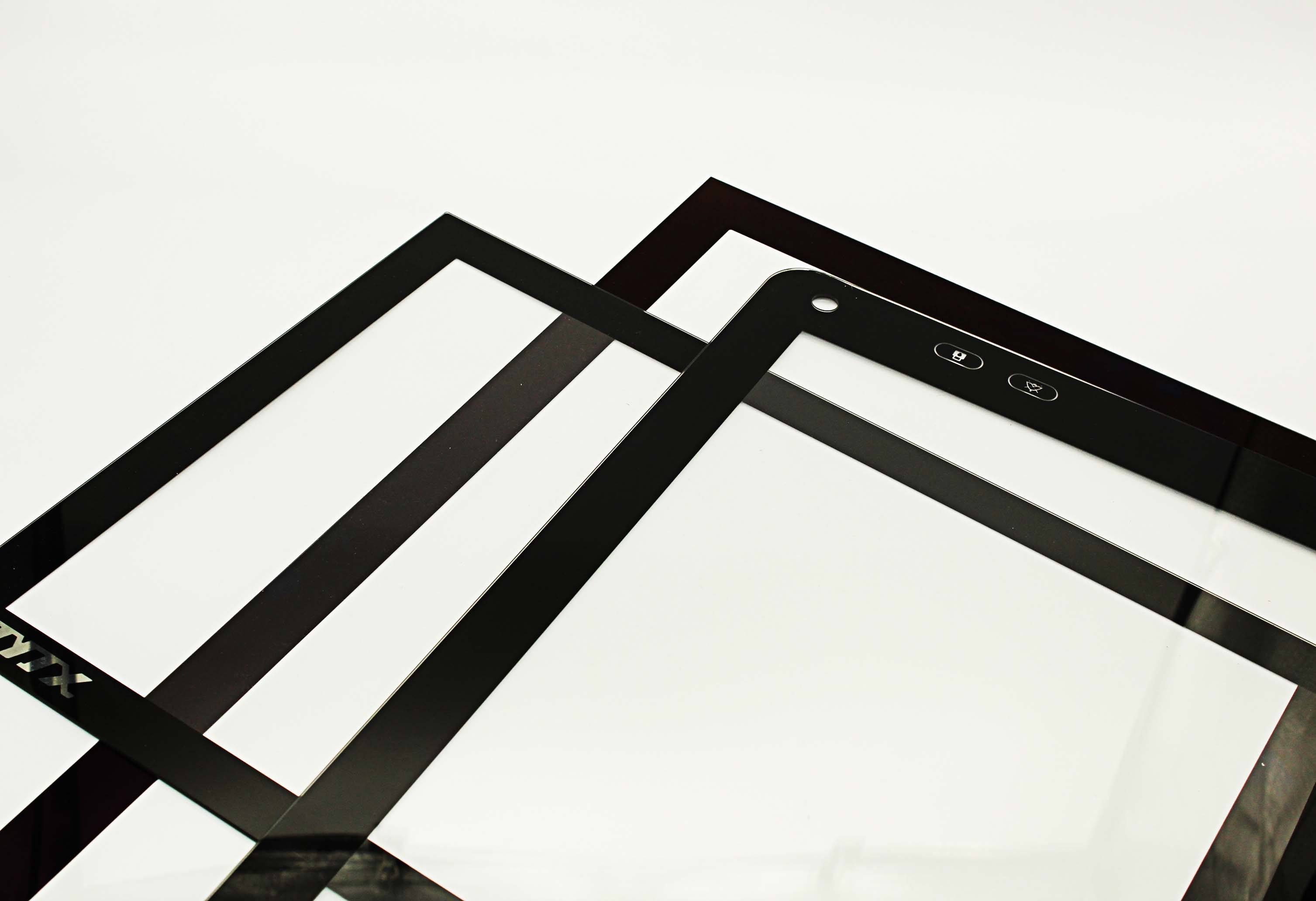
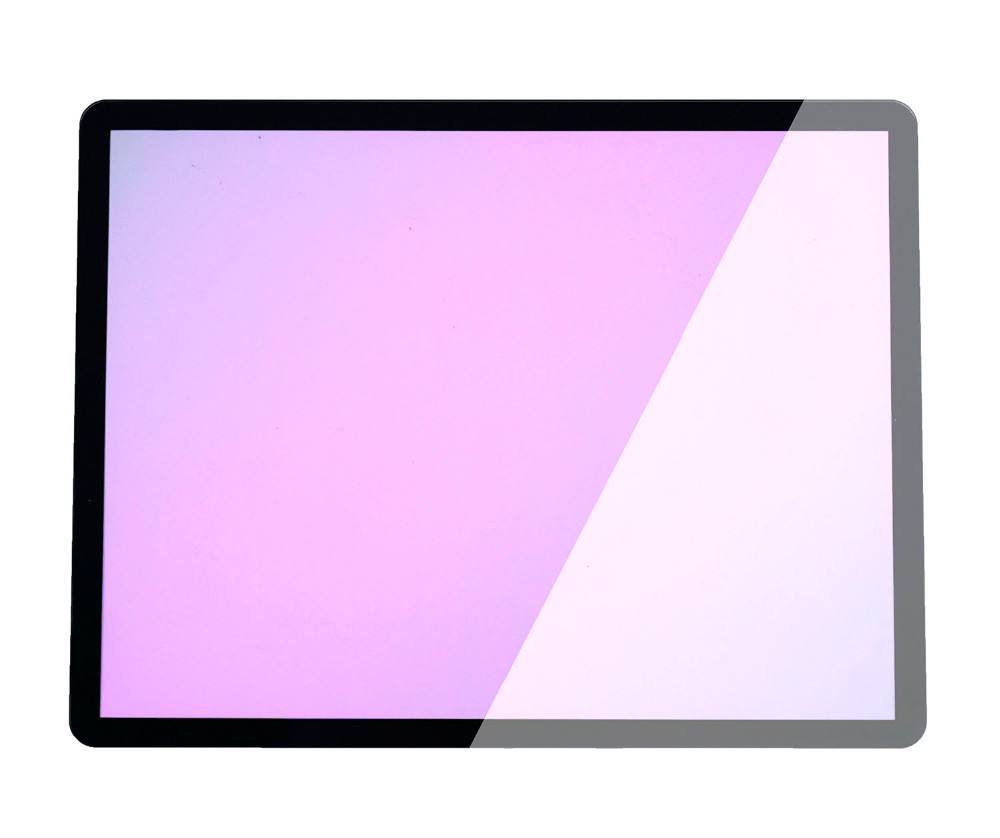
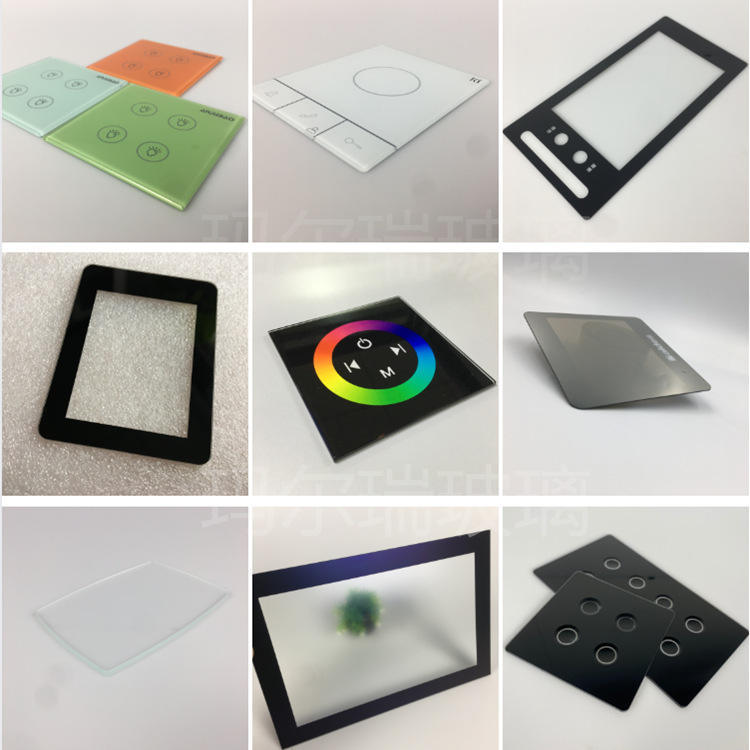
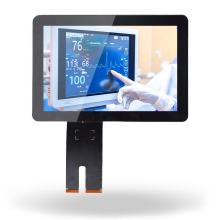
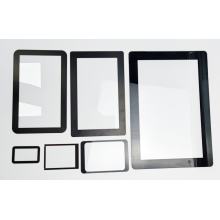
Common choices include tempered touch panel glass, display cover glass, ITO conductive glass, AG anti-glare glass, AR anti-reflection glass and AF anti-fingerprint coated glass.
What performance difference exists between soda lime glass and aluminosilicate strengthened display glass?
Soda lime glass is typically selected for cost-sensitive indoor applications. Aluminosilicate strengthened glass is preferred when higher hardness, scratch resistance and chemical tempering strength are required.
Which substrate material is suitable for outdoor high-brightness AG anti-glare display screens?
Outdoor AG display glass often uses temperable aluminosilicate or soda lime glass with an AG etched surface. The final choice depends on brightness, haze target, touch function and durability requirements.
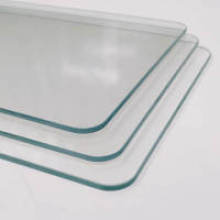
Can custom curved 2.5D/3D display cover glass be produced from customer technical drawings?
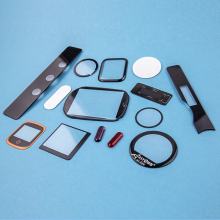
Yes. Felix Glass can evaluate customer drawings for curved cover geometry, substrate selection, edge finishing, silk printing and coating compatibility before prototype sampling.
What functional coating combinations are available for touch panel glass?
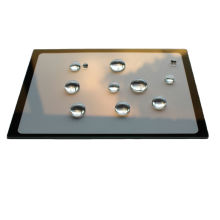
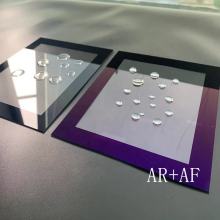
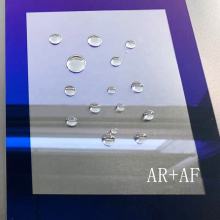
Typical combinations include AG+AR, AR+AF, AG+AF and compatible multi-layer AG+AR+AF designs. ITO/FTO conductive layers can be considered when the touch or heating function requires them.
What thickness and dimensional tolerances can be achieved for custom display glass blanks?
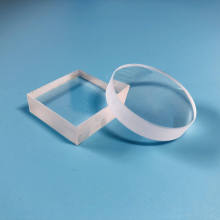
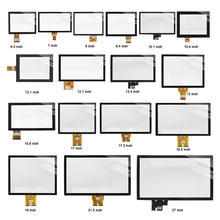
Typical ranges depend on substrate and geometry. Reference thickness covers about 0.2mm to 6mm, with common tolerance ranges from about +/-0.02mm to +/-0.05mm depending on material and process.
What drawing file formats are required to launch OEM functional glass mass production?
Engineering review normally starts from dimensioned 2D drawings and coating specifications. CAD files, PDF drawings and clear tolerance notes help confirm substrate, edge, hole, printing and coating requirements.
Can Felix Glass provide full coating performance test reports for ITO, AG and AR display glass?
Yes. Test documents can be provided according to the agreed project scope, including transmittance, haze, sheet resistance and relevant coating performance data for engineering review.
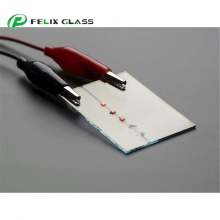
What sheet resistance ranges are customizable for ITO conductive touch glass?
Typical sheet resistance can be specified within about 3 ohm/sq to 300 ohm/sq. Available values depend on coating process, substrate and application requirements.
Is chemical tempering treatment available to improve the scratch resistance of display cover glass?
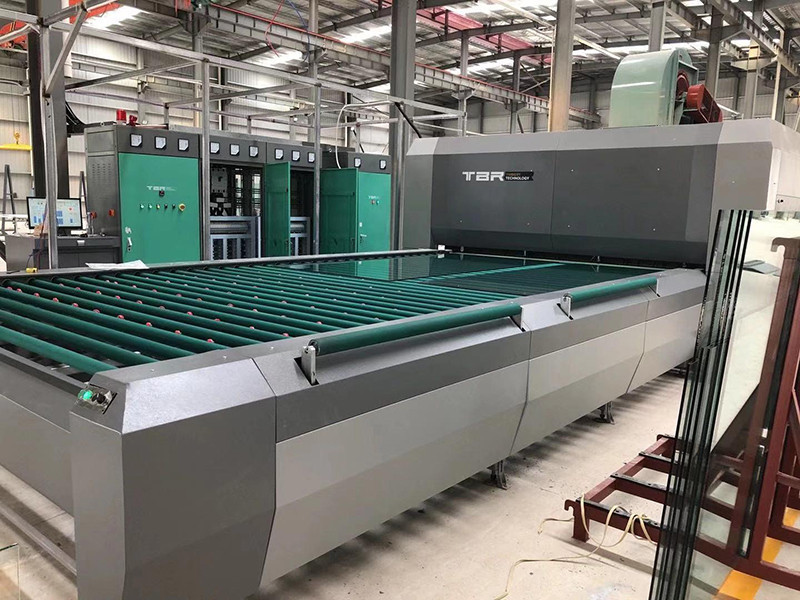
Chemical tempering is available for compatible glass substrates and is commonly used to improve surface hardness and strength for electronic cover glass applications.
Can multi-functional composite coating (AG+AR+AF) be applied on a single glass substrate?
Composite coating can be applied when the selected substrate, coating sequence and target optical performance are compatible with the manufacturing process.
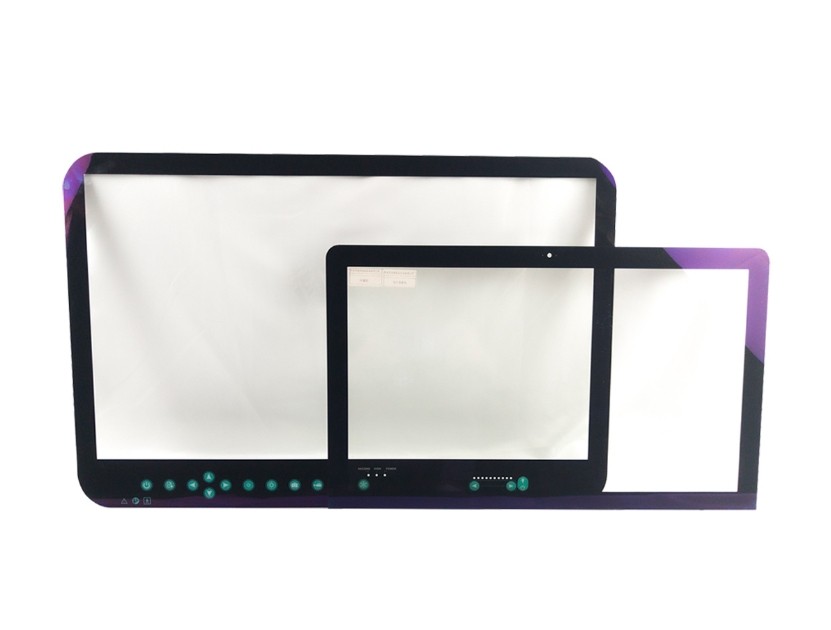
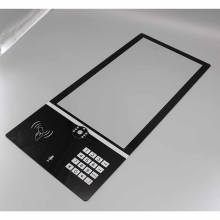
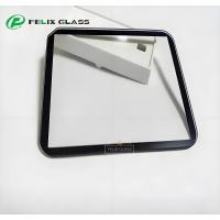
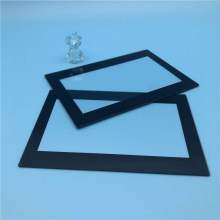
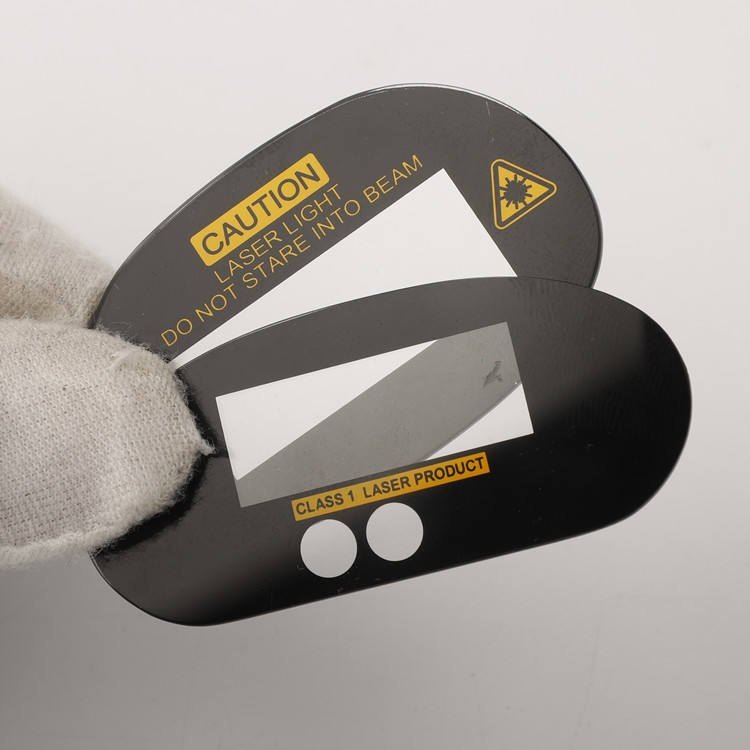
Can custom silk printing logos, black borders and conductive bus bars be processed on display glass?
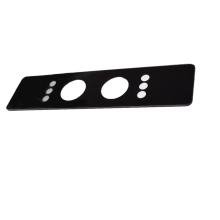
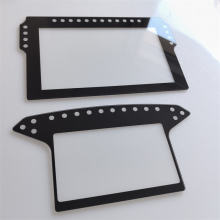
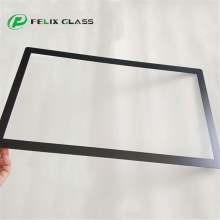
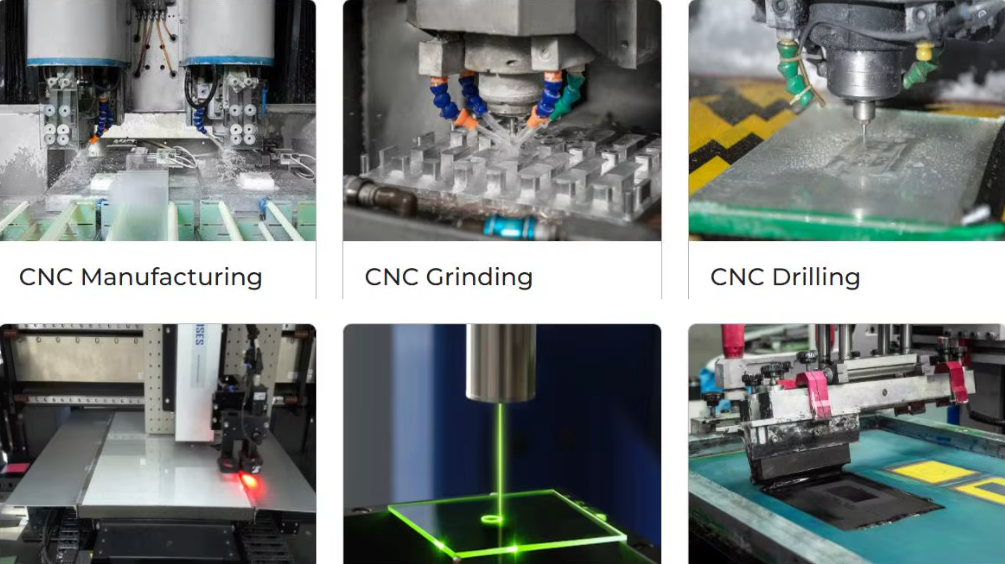
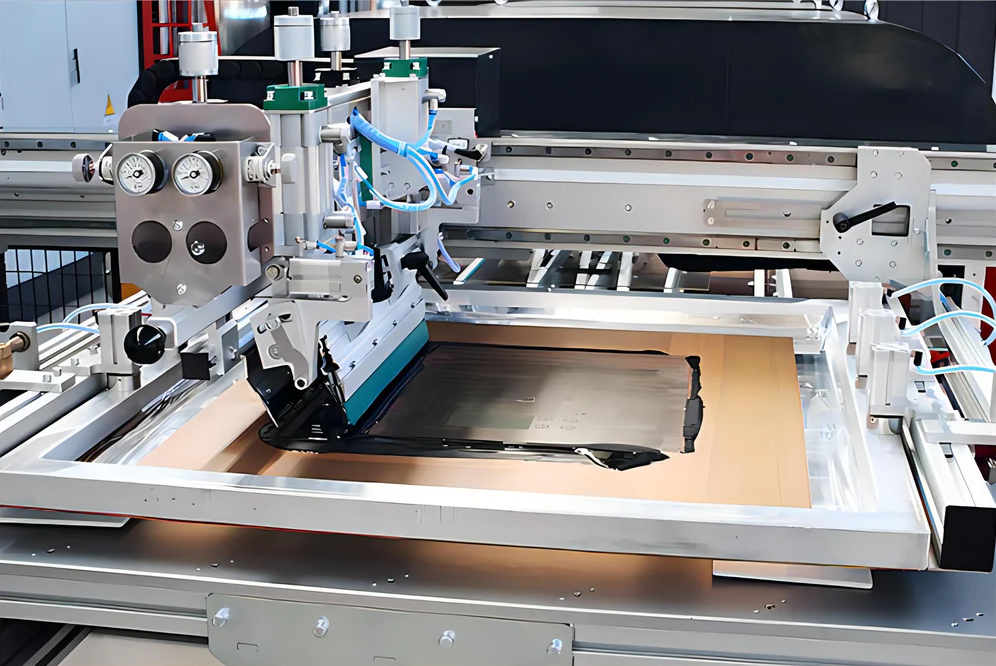
Yes. Felix Glass can process black borders, logos, icons and conductive bus bars together with glass cutting, edge finishing, tempering and coating steps.
How should I choose the most suitable display glass substrate and coating for my application?
Display glass and coating selection follows a standardized workflow: confirm the operating environment, define optical targets, confirm conductive and scratch-resistance requirements, select the matching substrate, match the AG/AR/ITO coating solution, then verify tolerance, curved shape and printing needs for production.
How are coating durability and optical performance verified during production?
Coating durability and optical performance are verified through full-process factory inspection: optical spectrum testing for transmittance and haze consistency, sheet resistance uniformity testing for conductive coatings, coating adhesion and wear resistance tests, and final visual defect screening. Test data can be compiled into official inspection documents for customer engineering review.