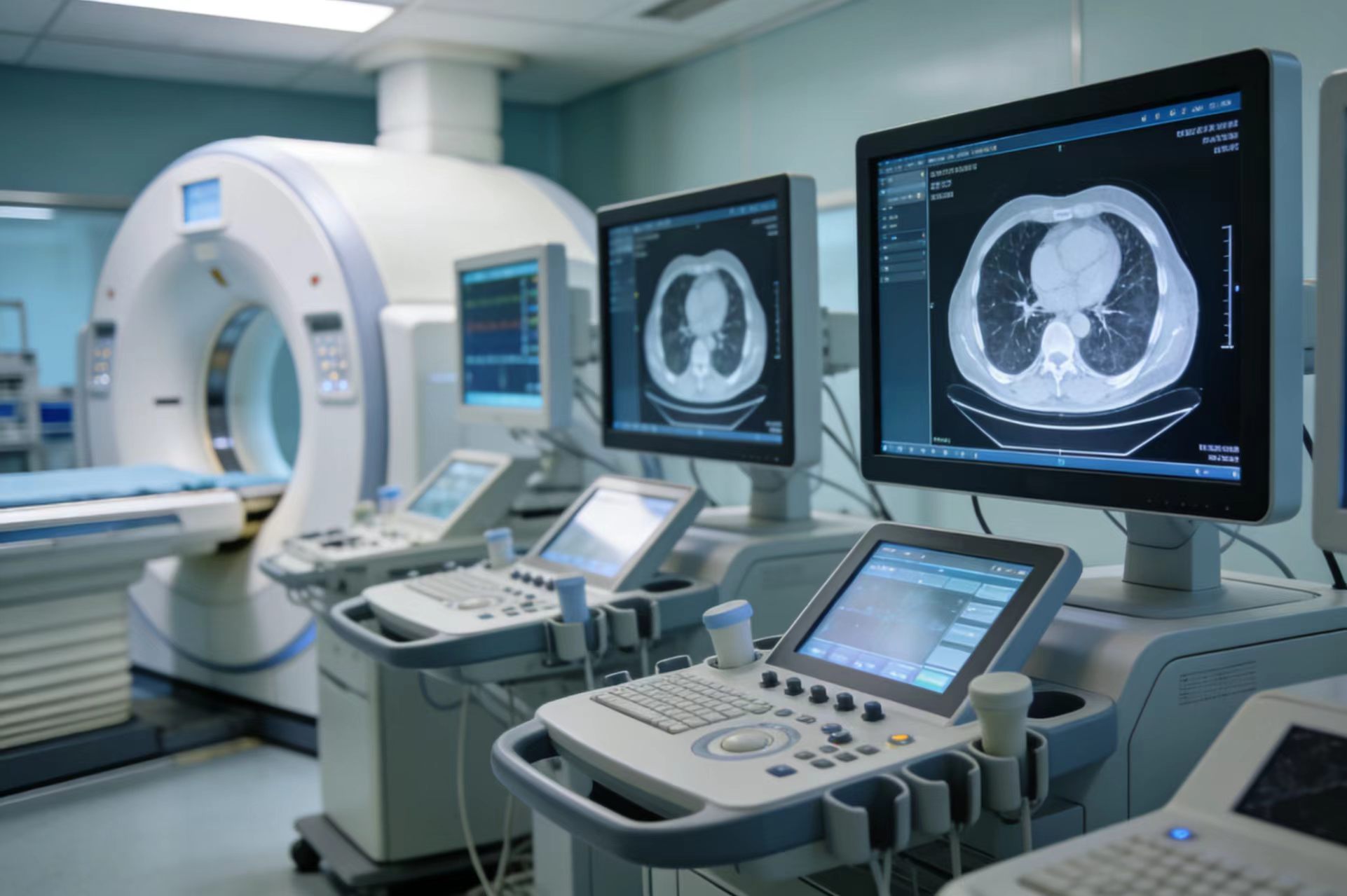
 Surgical displaysHigh-clarity cover glass for procedure rooms and diagnostic viewing interfaces.
Medical Display Optical Glass
Felix Glass manufactures biocompatible medical display protective glass panels, matched with aluminosilicate strengthened glass substrates. The glass surface supports single or composite AR, AG and AF coatings to solve glare, fingerprint and low light transmittance issues for medical screens. All production processes are completed in Class 1000 dust-free workshops, with strict surface cleanliness control to adapt to sterile medical operating environments. The glass meets the anti-collision, scratch-resistant and easy-disinfection requirements of medical equipment. Typical customization ranges shown for reference. Actual specifications depend on material selection and engineering requirements. Medical touch screen glass and hospital display cover glass selection starts from substrate chemistry, surface hardness, cleaning tolerance and surface precipitation behavior. Typical customization ranges shown for reference. Actual specifications depend on material selection and engineering requirements. For protective substrate comparison, see Display Cover Glass. Engineering review covers drawing tolerance, bonding stack-up, display window size, cleaning exposure, coating sequence and sterile packaging requirements before sample production. Typical customization ranges shown for reference. Actual specifications depend on material selection and engineering requirements. Coating selection should match the medical display environment, cleaning frequency, light source position, touch operation and target optical performance. For combined coating structures, see AR AF AG glass. The workflow is arranged to control edge safety, surface cleanliness, optical coating consistency and packaging cleanliness before shipment to medical equipment assembly lines. Typical customization ranges shown for reference. Actual specifications depend on material selection and engineering requirements.
 Medical Display Glass
Product Overview
Typical Substrate Data
Medical-Grade Substrate Material Properties
Material Typical: Chemically strengthened aluminosilicate glass Standard thickness range Typical: 0.5mm - 6mm Surface hardness Typical: ≥6H pencil hardness Disinfection tolerance Typical: Resistant to alcohol and hydrogen peroxide disinfectant Biocompatibility Typical: Non-toxic, no surface precipitation
Custom Parameters
Technical Capabilities & Custom Parameters
Max panel sizePanel dimensions are reviewed by substrate thickness, strengthening route and inspection method.
Minimum thicknessThin glass options are evaluated against assembly pressure and impact resistance requirements.
CNC edge precisionPolished edges, chamfers and radius corners support safer medical device assembly.
2.5D/3D curved processingCurved medical terminal glass can be evaluated by bend radius and coating feasibility.
Hole drillingCamera, sensor, speaker, fastener and indicator holes can be positioned from drawings.
Silk printingBlack borders, icons, brand marks and hidden display windows support medical equipment ID design.
Coating uniformity toleranceAR, AG and AF coating uniformity is checked for optical display and wiping performance.
Optical Coatings
Optional AR/AG/AF Composite Coating Solutions
 AG+ARFor ward bedside monitors, this structure helps reduce strong light glare while maintaining readable display output.
AR+AFFor surgical high-precision displays, this structure supports high transmittance and easier wiping after repeated contact.
AG+AR+AFFor medical touch kiosks, this integrated option balances glare reduction, transmittance and fingerprint control.
Medical Manufacturing Flow
AG+ARFor ward bedside monitors, this structure helps reduce strong light glare while maintaining readable display output.
AR+AFFor surgical high-precision displays, this structure supports high transmittance and easier wiping after repeated contact.
AG+AR+AFFor medical touch kiosks, this integrated option balances glare reduction, transmittance and fingerprint control.
Medical Manufacturing Flow
Standard Medical Manufacturing Workflow
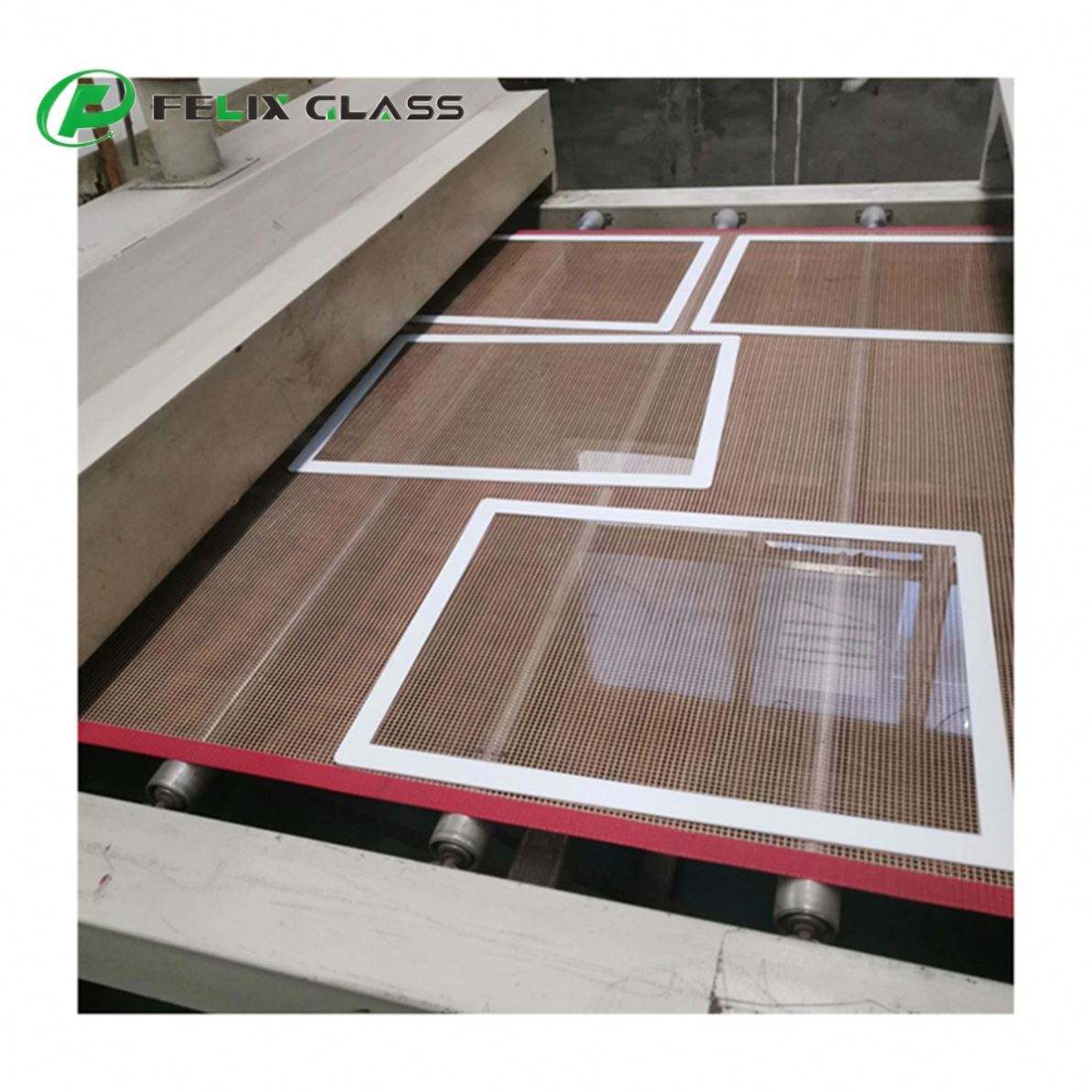
Glass cuttingCNC precision polishingChemical temperingMedical-grade cleaningVacuum optical coatingDust-free inspectionIndependent sterile packaging
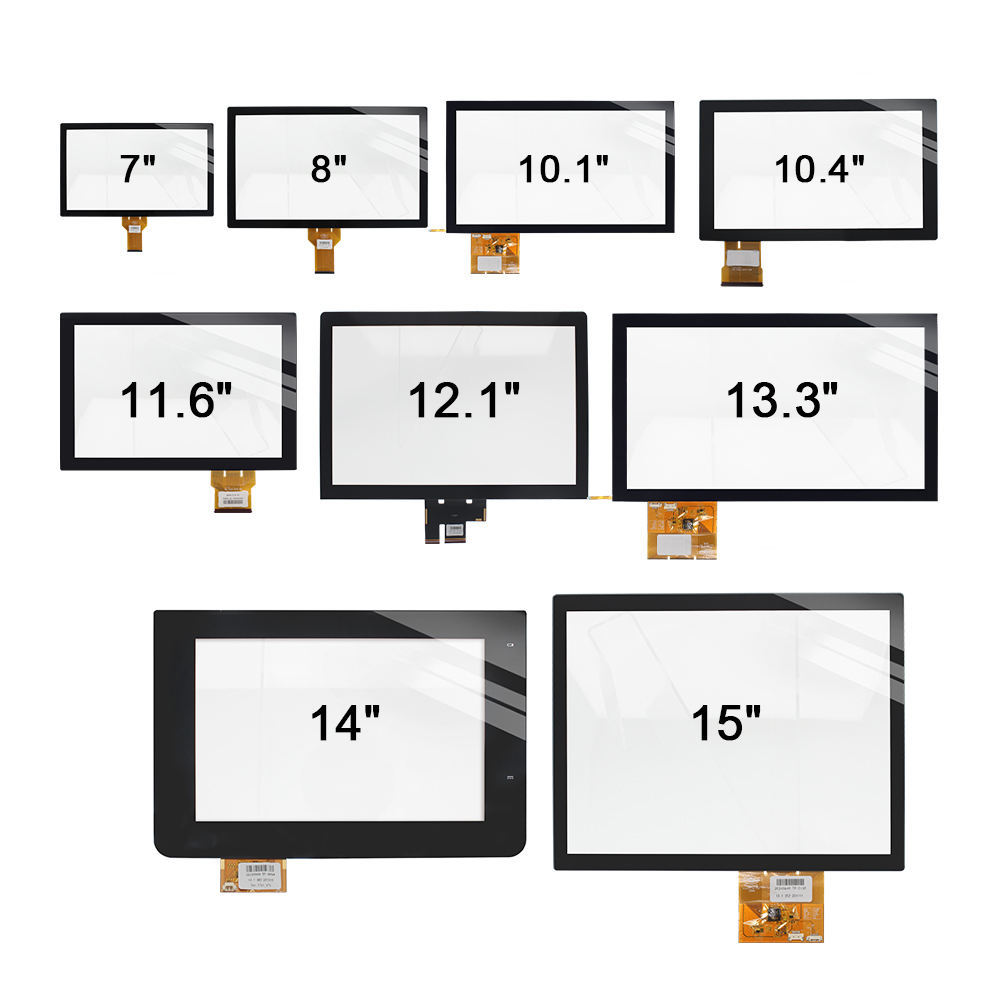 Drawing-based medical glass review
Panel size, printed border, touch window, coating structure and sterile packaging method are confirmed from equipment drawings before sample production.
Drawing-based medical glass review
Panel size, printed border, touch window, coating structure and sterile packaging method are confirmed from equipment drawings before sample production.
7 results
ViewShowcase
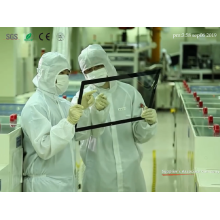
Biocompatible single crystal sapphire touch cover panels for clinical diagnostic equipment. Resist medical disinfectant corrosion, scratch-proof, optional AF coating, tight tolerance custom processing, OEM available.
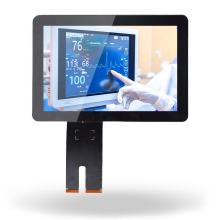
10-40 multi touch points, 6H-9H AG/AR/AF tempered display cover glass, custom size for medical,industrial HMI equipment.

MOQ:5 piece
Unit Price:US $4.22-8.99
ISO13485 medical display glass, 9H hardness, AR coated, anti-bacterial, high aluminosilicate, for medical monitors.
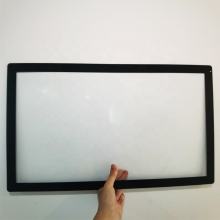
MOQ:5 piece
Unit Price:US $2.88-5.99
Medical display tempered glass cover, high clarity & durable for medical equipment.
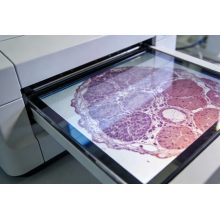
MOQ:5 piece
Unit Price:US $7.53-9.89
Anti‑glare medical display glass, high clarity & durable for medical equipment.
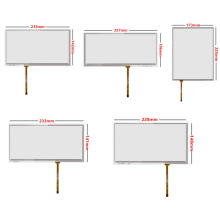
MOQ:5 piece
Unit Price:US $2.88-5.99
medical touch panel glass with AR anti-reflection, AF AG coatings for ultrasound, patient monitors, surgical displays.
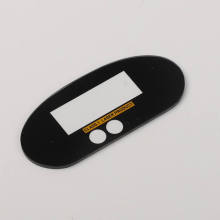
MOQ:5 piece
Unit Price:US $3.88-6.55
FELIX GLASS custom oval & racetrack shaped tempered glass covers for industrial, medical, gaming and automotive devices. OEM
Medical equipment coated glass is inspected through optical, mechanical, chemical and cleanliness checks that support diagnostic display and sterile operation requirements. Typical customization ranges shown for reference. Actual specifications depend on material selection and engineering requirements. Medical display glass is used where optical readability, frequent wiping, touch reliability and clean surface control are required in hospital and diagnostic equipment. Common device scenes include surgical displays, patient vital sign monitors, medical self-service registration terminals, ultrasound diagnostic equipment screens and ward bedside touch control panels. These answers focus on medical procurement and engineering checks before drawing confirmation, coating selection, sampling and batch production. Coating durability depends on disinfectant chemistry, wiping frequency, substrate pretreatment and coating stack. AR, AG and AF structures can be reviewed with alcohol and hydrogen peroxide exposure requirements before confirmation. Independent clean packaging can be arranged after dust-free inspection. Packaging form should be confirmed with the assembly environment and incoming inspection process. MOQ depends on glass size, thickness, tooling, printing layers, coating route and whether sterile packaging is required. Prototype quantities can be reviewed from medical equipment drawings. The usable temperature range depends on substrate, ink, coating and bonding material. Felix Glass reviews the full device stack before confirming a temperature requirement. Coating and glass surface behavior can be specified for non-toxic contact, no surface precipitation and easy-disinfection requirements when the medical use condition is defined. Test reports can be prepared according to agreed inspection items, including optical performance, hardness, wear resistance, coating adhesion and disinfectant resistance. Medical display glass belongs to the Display & Functional Glass cluster. The related pages below separate cover glass, touch glass, conductive glass and coating intent to avoid overlapping search traffic. Core inquiry fields: drawing upload, equipment application, dimensions and coating requirements.
Medical Inspection
Medical Industry Compliance & Inspection Standards
Surface optical performance test: transmittance, haze and reflectanceHardness and wear resistance testDisinfectant corrosion resistance testCoating adhesion durability testCleanliness particle inspection for medical sterile scenes
Application Fields
Main Medical Application Scenarios
Surgical displaysHigh-clarity cover glass for procedure rooms and diagnostic viewing interfaces.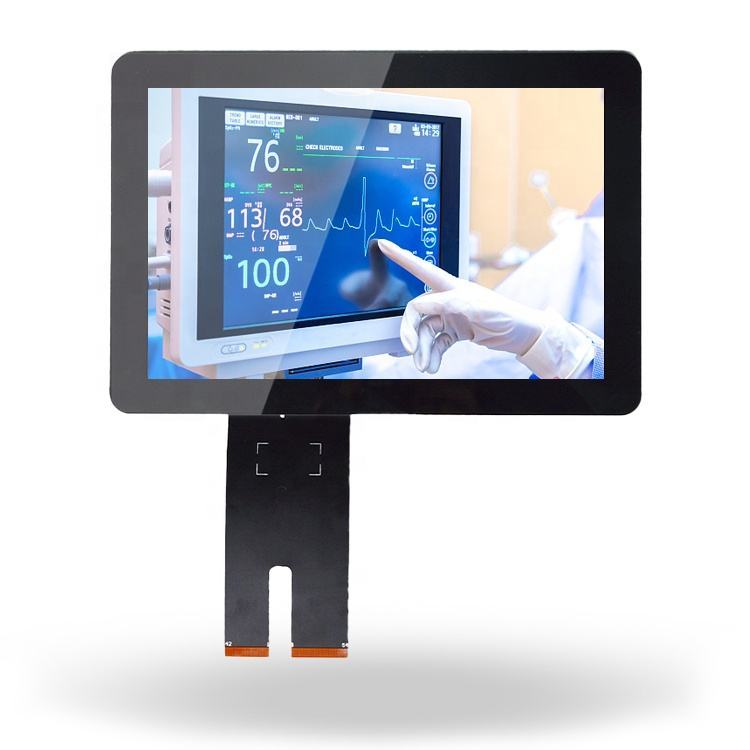 Medical touch terminalsFor touch structures, compare with Touch Panel Glass.
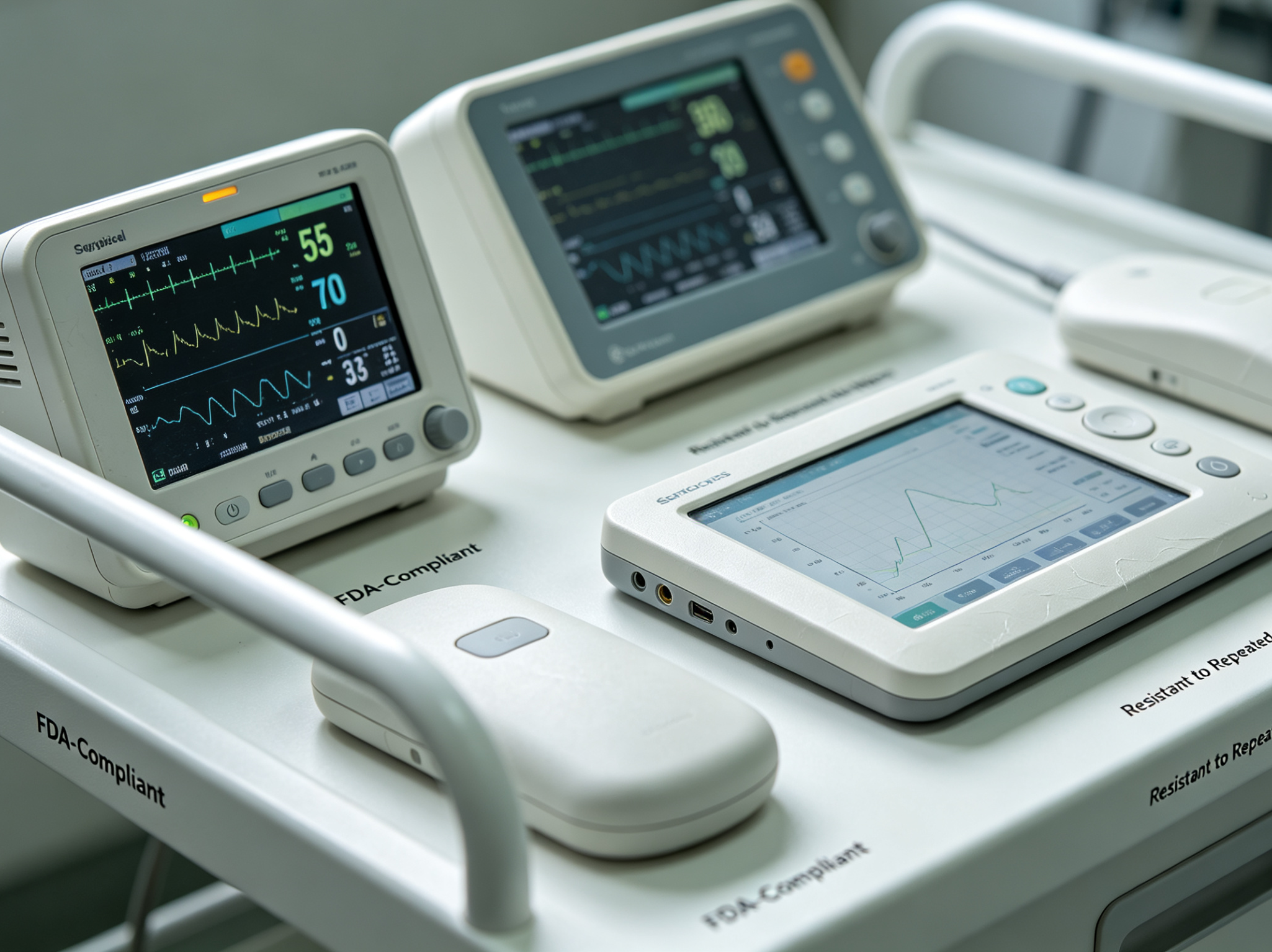 Patient monitorsFor adjacent smart device structures, see Appliance & Smart Glass.
Engineering FAQ
Patient monitorsFor adjacent smart device structures, see Appliance & Smart Glass.
Engineering FAQ
Engineering FAQ for Medical Optical Glass
Will long-term disinfectant wiping cause coating peeling?
Can sterile packaging be supported?
What is the minimum order quantity?
What temperature range can medical glass support?
Is the coating biocompatible?
Can medical test reports be provided?
Related Resources
Related Functional Glass & Supporting Resources
Downloadable resources
Medical glass technical datasheet
Coating performance test report
RFQ Inputs
Request medical glass quotation
Upload medical equipment drawings
Learn more from our FAQ
- What is the minimum order quantity for custom precision optical glass components?
FELIX OPTICAL GLASS offers highly flexible MOQs to support customer projects, including prototype testing, small-batch trial orders, and high-volume production. All products can be fully customized to your drawings, tolerances, and application standards. Please send us your specifications, and we will reply within 1-5 hours and provide an accurate quotation after careful evaluation within 1-2 days.
- Can I get free glass samples for testing before bulk order?
Yes, our FELIX GLASS factory supports sample testing for a wide range of precision optical glass components and assemblies. The lead time for sample production is 3 to 7 working days. Please contact us today to arrange samples and obtain a customized solution that meets your needs.
- What is the production lead time for custom optical glass components?
A: The production cycle for standard samples is 3-10 working days, while mass production requires 15-35 working days, depending on the complexity of the product and the order quantity. We provide reliable precision optical glass components and fast delivery services for orders from industries such as defense, industrial equipment, medical devices, shipbuilding, robotics, automotive, and aerospace. Please submit your project details so we can provide you with an accurate delivery schedule.
- Are your optical glass products ISO, CE and RoHS certified?
All precision optical glass components from FELIX OPTICAL GLASS comply with ISO quality system standards as well as CE and RoHS requirements. We provide comprehensive test reports, spectral graphs, material certificates, and inspection documents for customer review. Please feel free to request complete certification details and a formal quotation at any time.
- Do you offer one-stop custom optical glass processing services?
Yes. We offer a full range of precision optical glass component processing services, including CNC machining, precision grinding, optical polishing, chemical/physical tempering, vacuum coating (AR anti-reflective coating, AF anti-fingerprint coating, AG anti-glare coating, IR infrared coating), and screen printing. From raw materials to finished products, every step is completed in our own factory. Please tell us your needs, and we will provide you with the most cost-effective solution.
CONTACT US NOW FOR A QUOTE
We will respond promptly within 1 to 5 hours and provide an optimal, formal quotation within 1 to 2 days. Partnering with us is the smartest choice—start a mutually beneficial partnership today!
- Name
- *Title
- *Content
With 19 years of experience as a precision optical glass expert, we provide comprehensive and satisfactory customized solutions.
Navigation
News
 Felix Glass Expands IR Optics Production | Faster Lead Time for Custom ZnS, ZnSe, Sapphire & Fused Silica WindowsFelix Glass manufactures custom ZnS, ZnSe, sapphire domes & fused silica IR windows. Fast prototype and AR coating available. Get your technical quote within 24h for thermal imaging & laser systems.
 DMS Cover Glass Material Selection: Aluminosilicate vs Borosilicate Glass for In-Cabin CameraSelecting the right substrate impacts DMS camera lifespan & image quality. This guide compares aluminosilicate and borosilicate glass. Felix Glass provides both substrates with printing and coating.