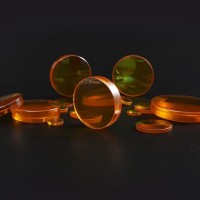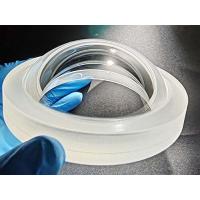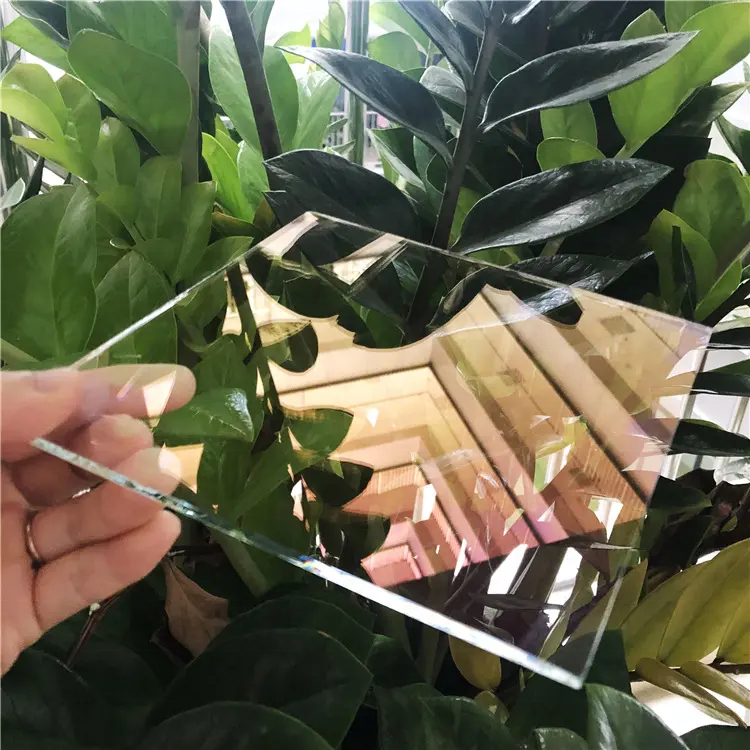
AG+AR
Used when outdoor or bright-light display readability requires both diffuse glare reduction and lower reflectance.
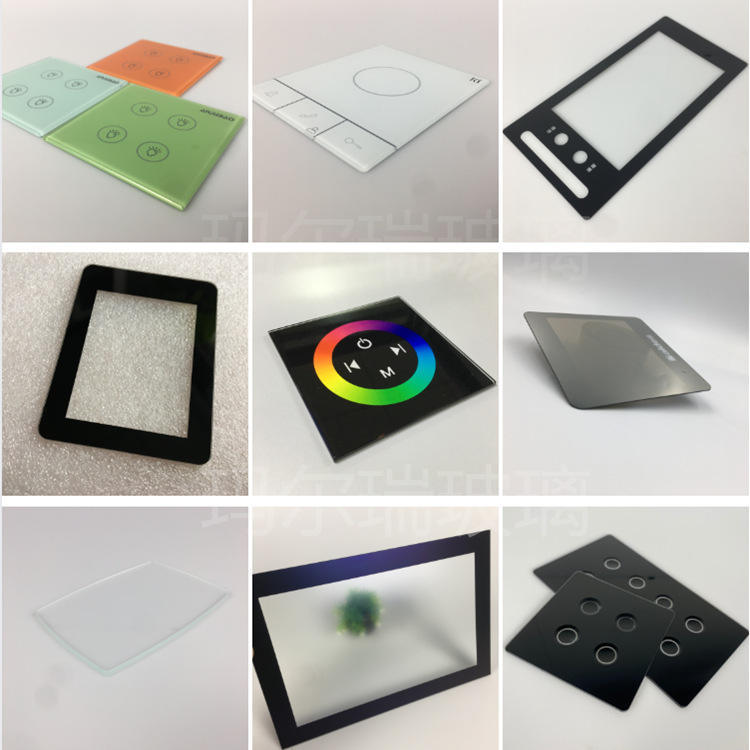
Felix Glass supplies custom AR, AF, AG single or composite coated cover glass, matched with aluminosilicate strengthened glass substrate. AG anti-glare coating reduces surface reflection and diffuse glare under strong light; AR anti-reflection coating minimizes light reflectance to boost display transmittance; AF anti-fingerprint coating forms hydrophobic & oleophobic layer to resist oil stains and fingerprints. All coating processes are finished in class 1000 clean workshop, stable coating uniformity, compatible with ITO conductive film, touch panel glass and medical display panels. Typical customization ranges shown for reference. Actual specifications depend on material selection and engineering requirements. AR AF AG glass can be specified as a single optical surface treatment or as a composite functional coating according to display brightness, touch frequency and installation environment. Typical customization ranges shown for reference. Actual specifications depend on material selection and engineering requirements. Aluminosilicate strengthened glass is selected where thin thickness, high impact resistance and surface durability are required for coated display cover glass and touch assemblies. For adjacent material references, see Display Cover Glass and ITO Conductive Glass. Typical customization ranges shown for reference. Actual specifications depend on material selection and engineering requirements. Felix Glass supports drawing-based processing for flat, 2.5D and 3D coated functional glass, including CNC edge finishing, holes, slots, printing windows and optical coating sequence control. Typical customization ranges shown for reference. Actual specifications depend on material selection and engineering requirements. Process sequence is adjusted when printing, bonding, ITO conductive film or multi-functional coating glass requirements are included. Typical customization ranges shown for reference. Actual specifications depend on material selection and engineering requirements. Composite coating selection is based on reflection control, touch cleanliness, glare environment and downstream assembly compatibility. Typical customization ranges shown for reference. Actual specifications depend on material selection and engineering requirements. Used when outdoor or bright-light display readability requires both diffuse glare reduction and lower reflectance. Used for high-transmittance touch panels that require easy-clean surface behavior. One-stop customized processing for anti-glare, anti-reflection and anti-fingerprint requirements on the same cover glass.
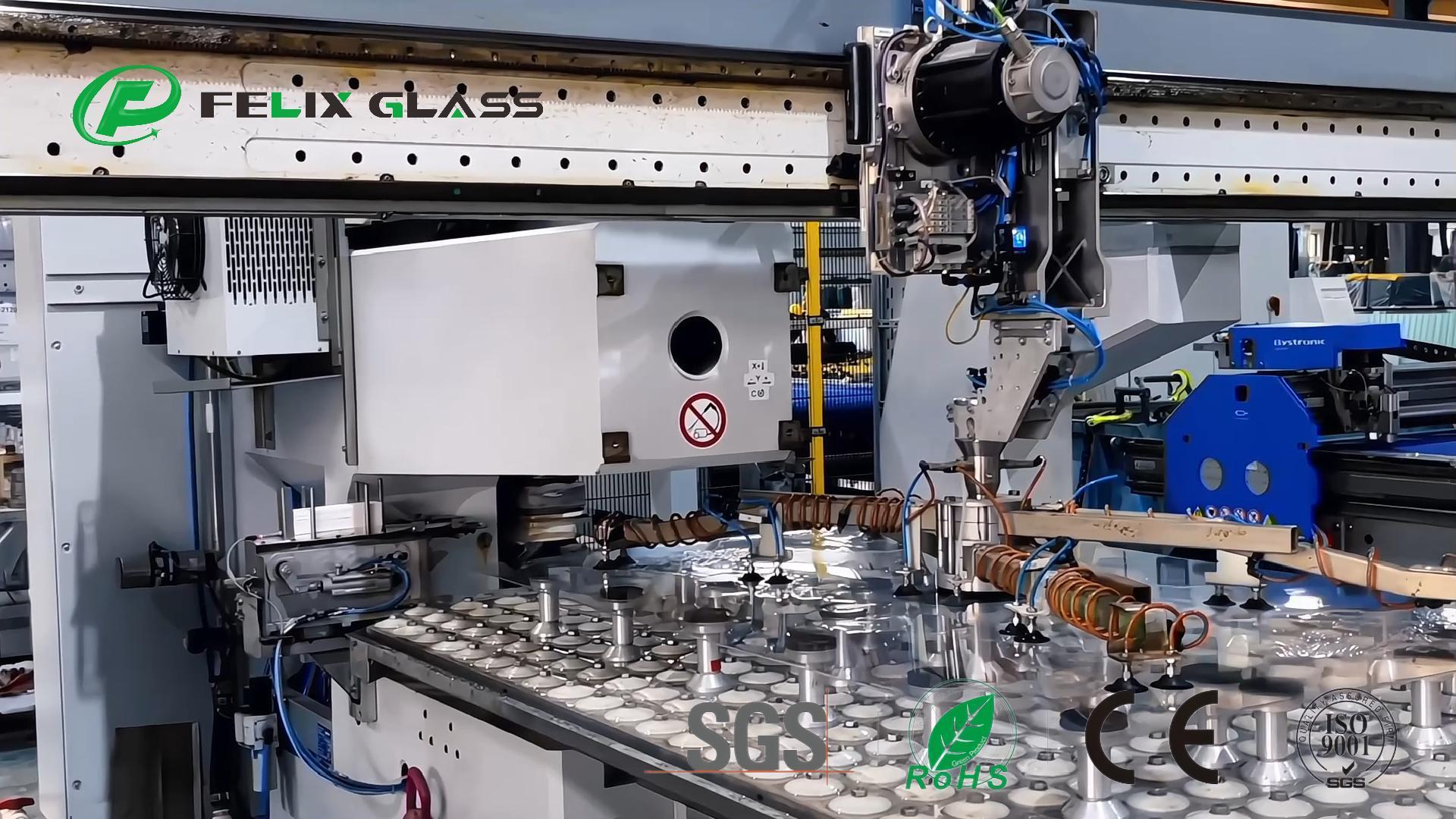 Functional & Display Glass
Product Overview
Coating specification
Three Core Coating Technical Specifications
Coating Type
Optical Performance
Application Advantage
AG Anti-Glare
Haze 5%~30%
Reduce screen glare for outdoor terminals and high-brightness display cover glass.
AR Anti-Reflection
Total reflectance <=1.5%, light transmittance >=92%
Improve display readability and optical clarity for anti-reflection glass panels.
AF Anti-Fingerprint
Water contact angle >=110%
Oil repellent surface, easy to wipe clean, suitable for frequent touch operation.
Aluminosilicate substrate
Glass Substrate Material Properties
Property
Typical Value
Engineering Notes
Substrate Material Aluminosilicate strengthened glass Used for touch, medical display and industrial control cover glass. Thickness Range 0.55mm~6.0mm Thinner panels depend on size, edge design and strengthening route. Surface Hardness Up to 6H~9H Depends on chemical or thermal strengthening process. Flatness Custom controlled Matched to optical bonding, LCD cover and sensor assembly requirements. Edge Strength CNC polished / chamfered Edge finish affects assembly reliability and coating edge quality.
Customization range
Technical Capabilities & Customization Range
Maximum SizeProject-based panel size evaluation
Minimum ThicknessFrom 0.55mm for selected substrates
CNC AccuracyCustom tolerance after drawing review
Edge TreatmentC-edge, R-edge, bevel, polishing
Shape AdaptationFlat, 2.5D and 3D curved glass
Coating UniformityControlled by coating stack and fixture design
 Manufacturing route
Standard Manufacturing Workflow
Glass Cutting
CNC Edge Polishing
Tempering Strengthening
Surface Cleaning
Vacuum Coating
Optical Inspection
Packaging
Composite coating
Supported Composite Coating Combinations
AG+AR
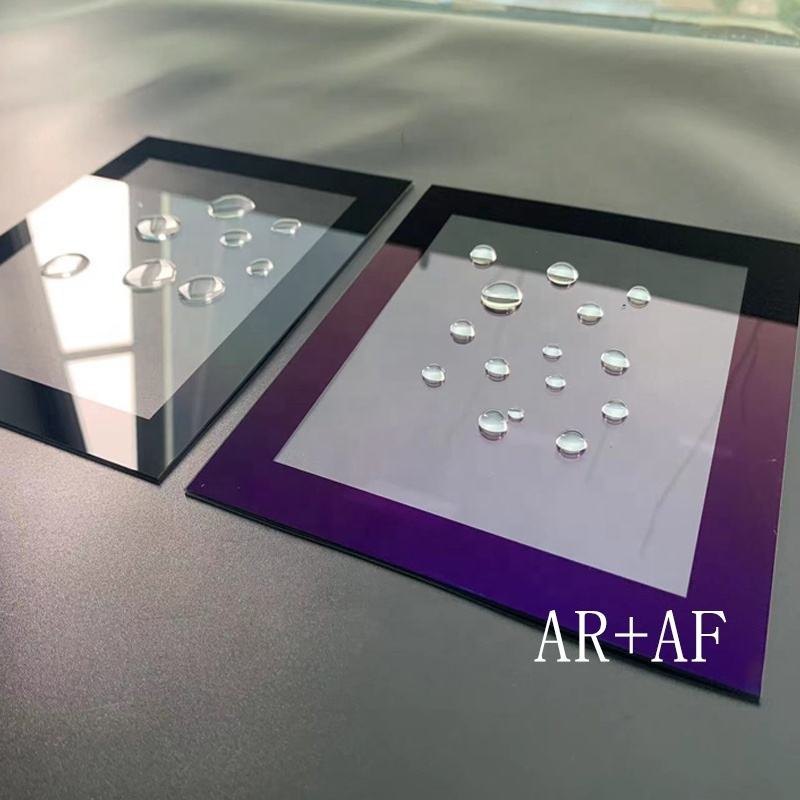
AR+AF
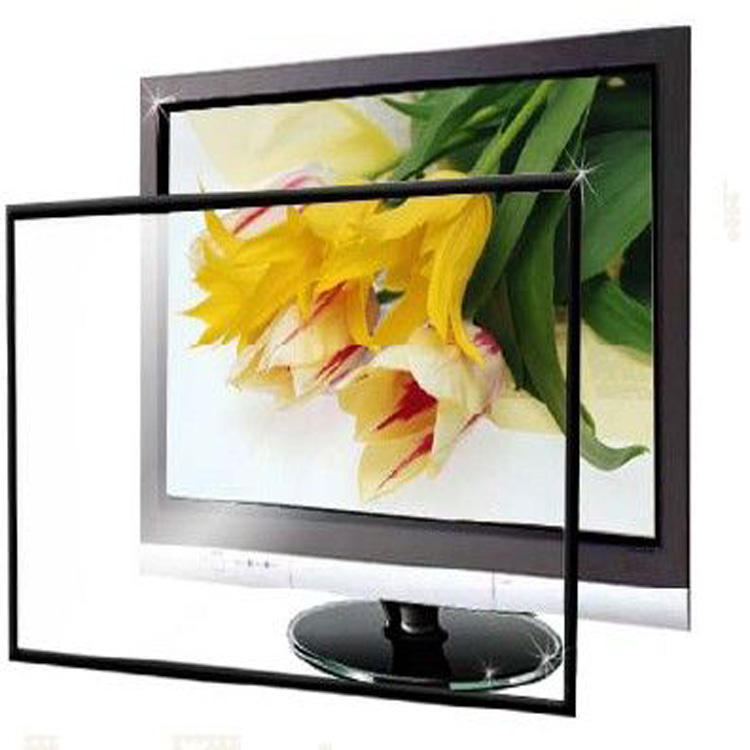
AG+AR+AF
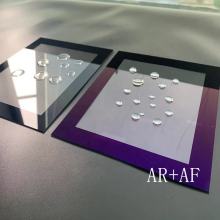

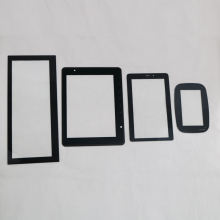
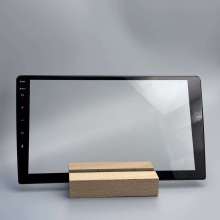
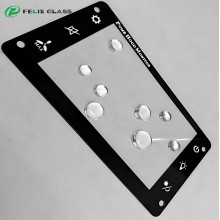
AR AF AG coated glass is specified for display and touch devices where light reflection, fingerprint residue and viewing comfort affect daily operation. Typical customization ranges shown for reference. Actual specifications depend on material selection and engineering requirements.
Inspection items are selected according to drawing, coating stack and application environment. Typical customization ranges shown for reference. Actual specifications depend on material selection and engineering requirements.
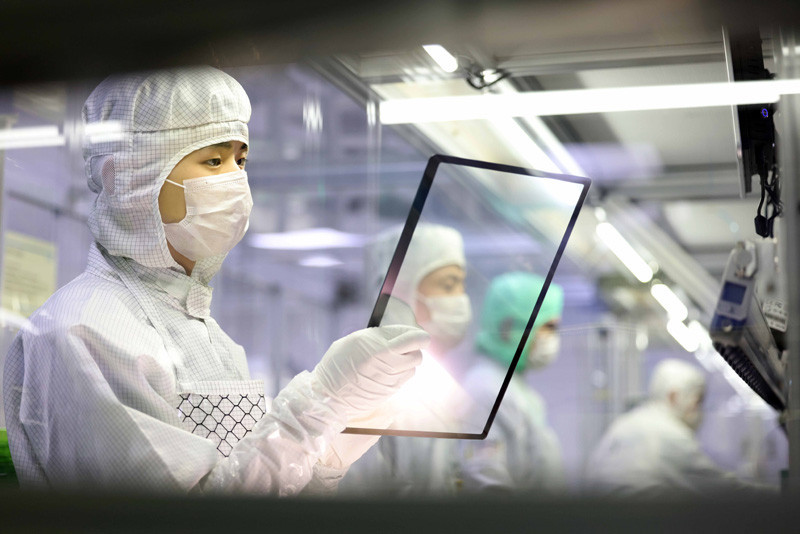
Color difference is managed through coating stack design, substrate batch control, fixture position and optical inspection. Final tolerance should be confirmed with sample approval.
Temperature resistance depends on substrate, strengthening method and coating material. Application temperature should be provided during engineering review.
For most display cover glass projects, strengthening is completed before vacuum coating to protect optical film stability and surface quality.
Optical coating thickness is usually much smaller than the glass substrate thickness, but it may affect reflection color, surface energy and assembly validation.
MOQ depends on size, coating combination, substrate stock and fixture setup. Prototype and batch production requirements can be evaluated from drawings.
Datasheet, coating test report and inspection record support can be prepared according to project specification and purchase documentation requirements.
Use the related resources below to compare cover glass substrate, conductive coating, medical display glass and smart appliance glass within the same Display & Functional Glass pillar.
Share dimensions, glass thickness and target coating stack for engineering evaluation.
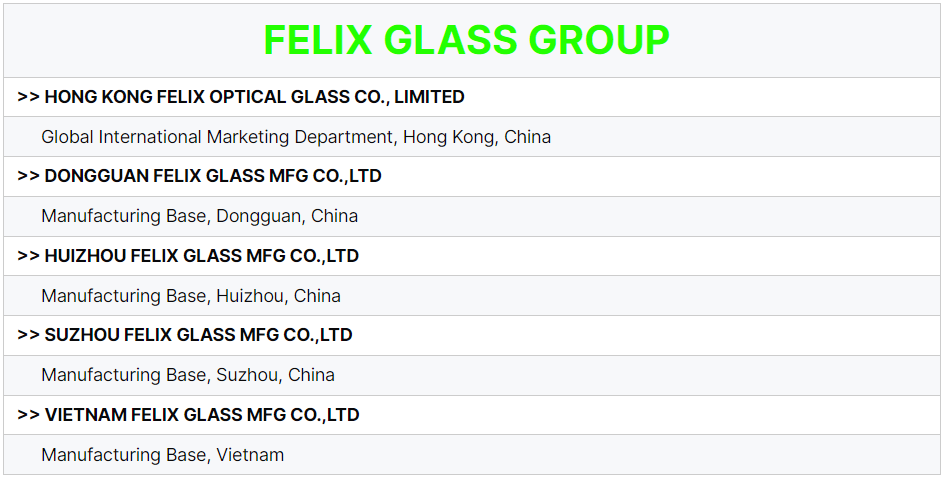
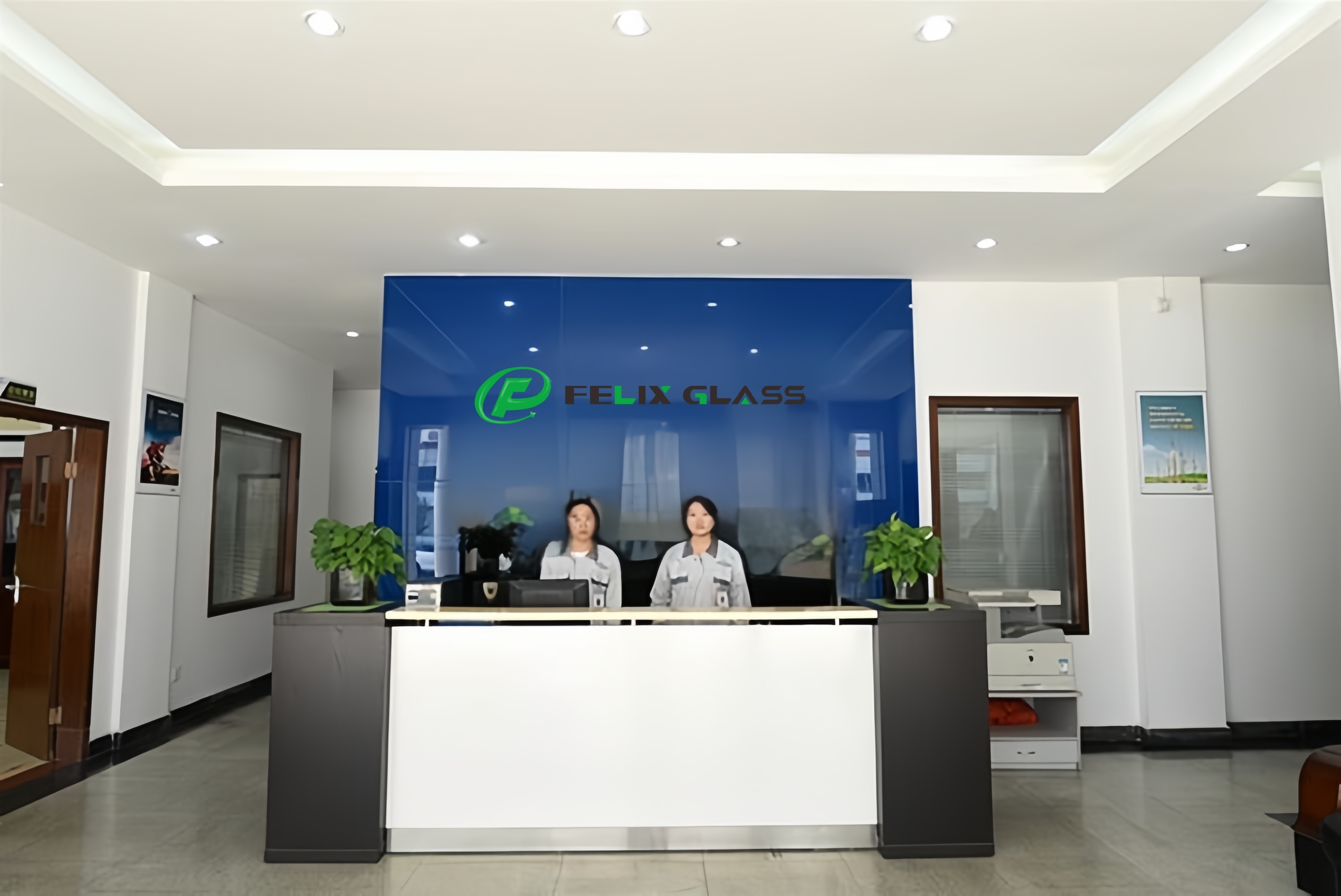
FELIX OPTICAL GLASS offers highly flexible MOQs to support customer projects, including prototype testing, small-batch trial orders, and high-volume production. All products can be fully customized to your drawings, tolerances, and application standards. Please send us your specifications, and we will reply within 1-5 hours and provide an accurate quotation after careful evaluation within 1-2 days.
Yes, our FELIX GLASS factory supports sample testing for a wide range of precision optical glass components and assemblies. The lead time for sample production is 3 to 7 working days. Please contact us today to arrange samples and obtain a customized solution that meets your needs.
A: The production cycle for standard samples is 3-10 working days, while mass production requires 15-35 working days, depending on the complexity of the product and the order quantity. We provide reliable precision optical glass components and fast delivery services for orders from industries such as defense, industrial equipment, medical devices, shipbuilding, robotics, automotive, and aerospace. Please submit your project details so we can provide you with an accurate delivery schedule.
All precision optical glass components from FELIX OPTICAL GLASS comply with ISO quality system standards as well as CE and RoHS requirements. We provide comprehensive test reports, spectral graphs, material certificates, and inspection documents for customer review. Please feel free to request complete certification details and a formal quotation at any time.
Yes. We offer a full range of precision optical glass component processing services, including CNC machining, precision grinding, optical polishing, chemical/physical tempering, vacuum coating (AR anti-reflective coating, AF anti-fingerprint coating, AG anti-glare coating, IR infrared coating), and screen printing. From raw materials to finished products, every step is completed in our own factory. Please tell us your needs, and we will provide you with the most cost-effective solution.