Application Scenarios
Industrial and Scientific Applications of Infrared Optical Components
Infrared optical components are selected according to wavelength band, operating temperature, coating requirement and the mechanical environment of the final system.
Industrial Thermal Imaging & Furnace Monitoring
CO2 Laser Processing & Industrial Laser Equipment
Gas Analysis & Infrared Spectroscopy Systems
Medical Infrared Detection & Diagnostic Devices
Security Monitoring & Night Vision Surveillance
Scientific Research & Aerospace-related Optical Testing
OEM Custom Service
OEM Custom Infrared Optics Machining and Material Selection Service
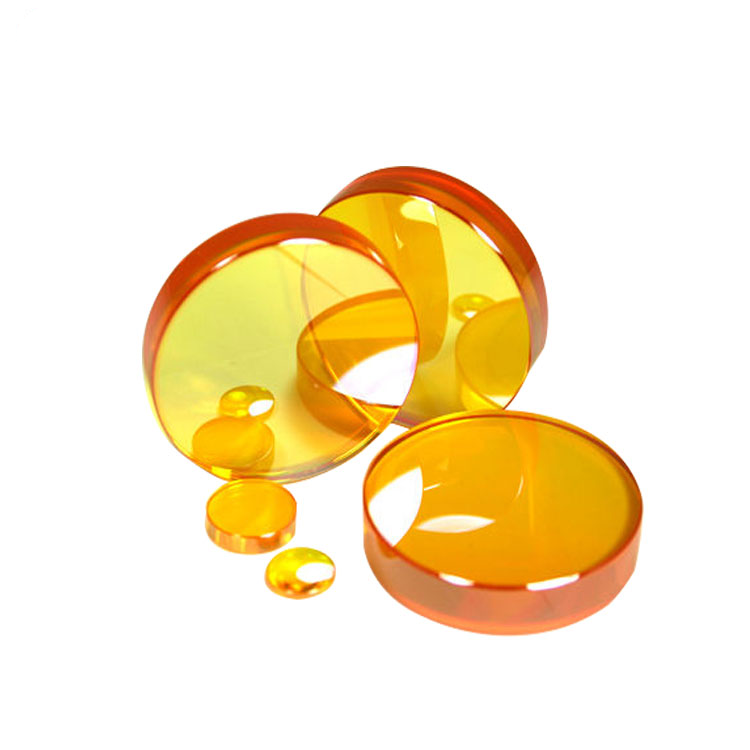
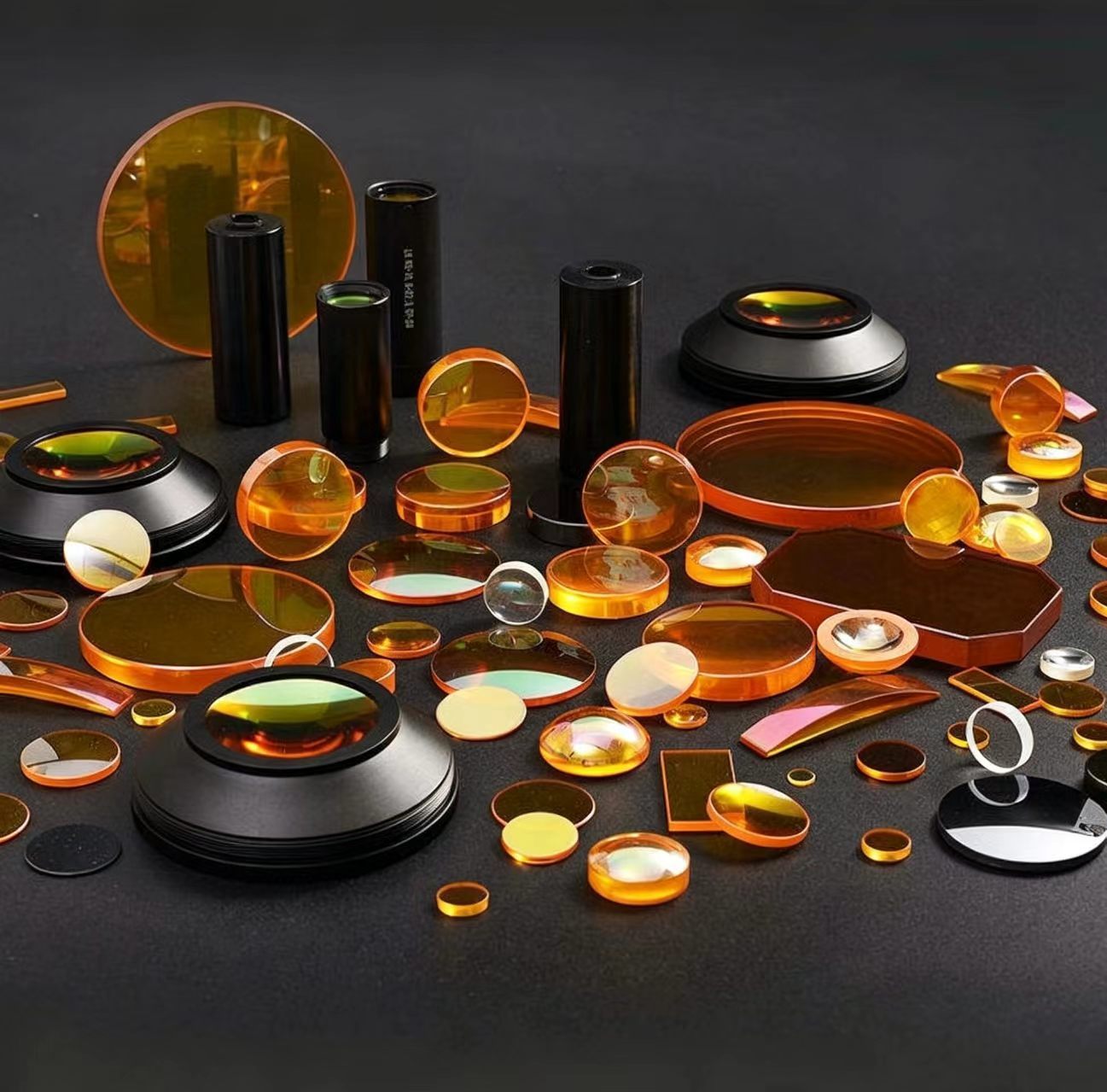
Custom available infrared materials include ZnSe CVD Infrared Material, Germanium (Ge) Infrared Material, Multispectral ZnS, Silicon IR Grade, Sapphire High-temperature IR Material and Infrared Fused Quartz.
Drawing EvaluationEngineering FeedbackPrototype TrialMass Production
Non-standard machining covers large-size infrared optics, ultra-thin IR windows, aspherical IR lenses and special-shaped infrared protective components.
Production & Inspection
Precision Manufacturing and Full Inspection Standards for Infrared Optics
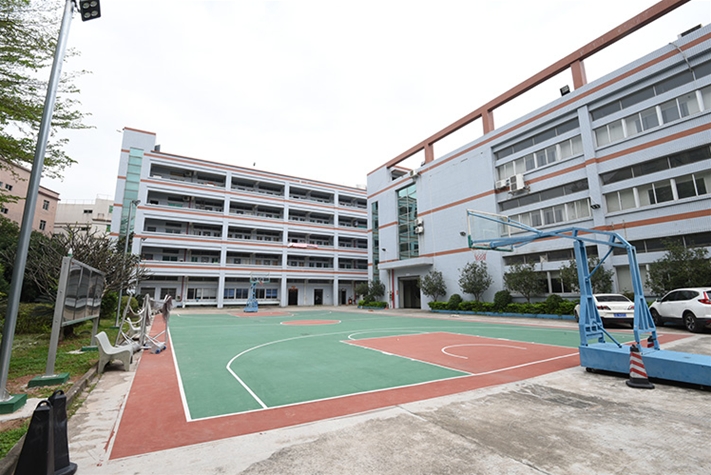
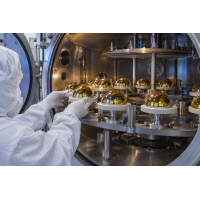
Felix Glass operates full CNC grinding, precision polishing and vacuum coating production lines, supported by an independent optical inspection laboratory with complete infrared optical testing equipment.
Full Production Workflow
Infrared Material Cutting -> CNC Precision Shaping -> Fine IR Surface Polishing -> Vacuum Infrared Coating -> Optical Performance Testing -> Dust-Free Packaging
Complete Inspection Items
- Surface Quality Inspection
- Flatness & Surface Figure Test
- Dimensional Tolerance Verification
- Parallelism & Perpendicularity Inspection
- Infrared Transmittance Spectral Test
- Coating Uniformity & Adhesion Test
- Defect & Scratch Microscopic Inspection
Material Selection Knowledge
Why Material Selection Matters for Infrared Optical Components
Choosing the appropriate infrared optical material depends on operating wavelength, transmission characteristics, environmental conditions, mechanical strength and coating requirements.
ZnSe is widely applied for CO2 laser systems and mid-infrared optical equipment due to its low optical loss at laser wavelengths. Germanium (Ge) Infrared Material provides stable high transmittance in the 8-14μm long-wave infrared band, making it suitable for thermal imaging cameras.
Multispectral ZnS delivers visible to LWIR multispectral transmission, balancing multi-band performance for surveillance and outdoor optical systems. Silicon and infrared quartz are commonly used for near-infrared and medium-infrared industrial monitoring devices.
Request Engineering Evaluation for Custom IR Optics
Please provide material requirement, dimensions, tolerance, infrared spectral band, coating specification and application environment for engineering evaluation.
FAQ
Frequently Asked Questions About Infrared Optical Components
What are infrared optical components used for?
They are used for thermal imaging, laser processing, gas analysis, infrared spectroscopy, surveillance, industrial monitoring and scientific optical systems.
What infrared wavelength ranges are most commonly used in industrial optics?
Common industrial ranges include near IR, MWIR 3-5μm and LWIR 8-14μm, selected according to the sensor, source and application environment.
What is the difference between ZnSe, ZnS and Germanium infrared materials?
ZnSe is often selected for CO2 laser and mid-IR optics, ZnS supports multispectral transmission, and Germanium is widely used for LWIR thermal imaging.
Which infrared material is suitable for CO2 laser systems?
CVD ZnSe is commonly selected for CO2 laser optics because it supports the laser wavelength and can be processed with appropriate AR coating.
Which material works best for long-wave thermal imaging?
Germanium (Ge) Infrared Material is frequently used for 8-14μm LWIR thermal imaging systems, depending on system design and coating specification.
Can infrared optical components be customized based on technical drawings?
Yes. Felix Glass can evaluate drawings and manufacture custom geometry, thickness, surface quality, coating and mounting-edge requirements.
What types of infrared optical coating options are available?
Options include BBAR coatings for MWIR or LWIR, DLC protective coatings and hard AR coatings for high-temperature or abrasive environments.
What typical tolerances can be achieved for custom infrared optics?
Typical dimensional tolerance can reach ±0.01mm depending on material, geometry, diameter, thickness and inspection requirements.
What drawings and specifications are required for OEM infrared production?
Provide material, dimensions, tolerance, spectral band, coating requirement, surface quality and application environment for engineering evaluation.
Can Felix Glass provide official optical inspection reports?
Inspection documentation can be supplied according to the project requirement, including dimensional, surface, transmittance and coating-related inspection items.
Are infrared optics suitable for continuous high-temperature industrial operation?
Material and coating must be selected for the actual temperature, thermal cycling, contamination and mounting conditions of the equipment.
Can Felix Glass customize infrared coatings according to specific wavelength requirements?
Yes. Coating design can be evaluated according to target wavelength band, transmittance goal, working environment and substrate material.