Underwater Detection Optical Viewports & Subsea Sapphire Window Solutions for Marine Equipment Manufacturers
Felix Glass engineers custom high-pressure sapphire optical viewports and corrosion-resistant subsea windows for ROV, AUV, underwater camera and marine detection systems deployed by defense contractors, offshore energy operators and oceanographic research institutions. Every viewport is CNC-machined from single-crystal sapphire, double-side polished to lambda/10 surface figure, coated with a proprietary anti-saltwater multi-layer film, and delivered with full hydrostatic test documentation and material lot traceability your engineering and QA teams can file directly into the Device Master Record.
- Sapphire, fused silica and borosilicate substrates
- 0 to 11,000-meter depth rating, flange-sealed
- ISO 9001 certified, full hydrostatic test certification
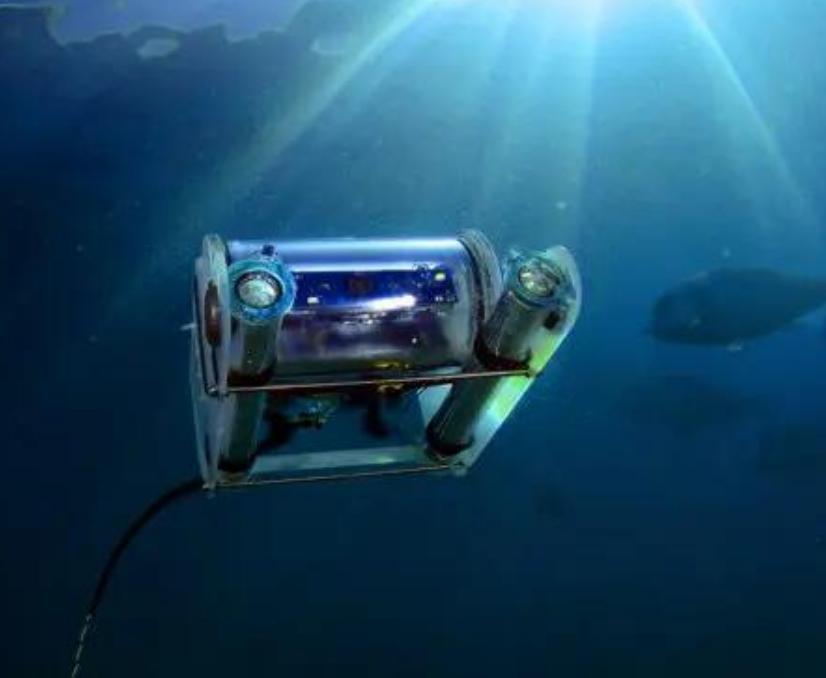 Sapphire optical viewports engineered for the full subsea detection optical path from deep-water ROV cameras to seafloor-mounted marine sensor arrays.
Why Conventional Optical Windows Fail in Deep-Sea Environments
An optical window at 3,000 meters below sea level is not an optical window in a laboratory spectrometer. Hydrostatic pressure, saltwater chemistry, biofouling, thermal cycling, and mechanical shock during ROV launch and recovery each introduce failure modes that standard industrial optics were never designed to survive. Felix Glass engineers every subsea optical viewport against the full deployment environment, not just the optical specification sheet.
Saltwater corrosion and material degradation
Standard optical glasses and AR coatings degrade rapidly in seawater. Magnesium fluoride and unprotected silica surfaces pit and craze within weeks of saltwater exposure. Our sapphire substrates are chemically inert to seawater at all practical deployment depths, and our proprietary multi-layer anti-saltwater coating maintains greater than 96 percent transmission after 5,000 hours of continuous saltwater immersion testing.
Hydrostatic pressure-induced optical distortion
At 6,000-meter depth, the viewport face sees approximately 8,700 psi of uniform hydrostatic loading. An undersized or improperly seated window deflects under this load, introducing wavefront error that corrupts the sensor signal. We calculate viewport thickness, seating geometry, and flange clamping force against your target depth rating so the window stays optically flat under the full design pressure envelope.
Thermal shock during ROV descent and ascent
Surface water at 28 degrees Celsius meets 2-degree bottom water across a 4,000-meter descent in under two hours. Standard borosilicate and soda-lime windows crack under this thermal gradient. Single-crystal sapphire combines a Mohs 9 hardness with a thermal shock resistance that handles the full surface-to-abyssal temperature swing without introducing stress birefringence into the optical path.
The Engineering Demands of Subsea Optical Detection Systems
A subsea optical viewport sits at the intersection of mechanical pressure-vessel design, optical engineering, and marine materials science. Getting any one of these disciplines wrong means the sensor sees a degraded signal or the housing leaks. The engineering requirements below define the baseline every Felix Glass viewport is designed to meet before it leaves our optical fabrication facility.
Optical clear aperture and field of view specification
The clear aperture must match the sensor detector size, lens entrance pupil, and required angular field of view for the detection task. Undersized apertures vignette the sensor. Oversized apertures increase pressure-vessel wall thickness and housing weight with no optical benefit. We engineer the clear-aperture-to-viewport-thickness ratio against your sensor data sheet from day one of the design review.
Flange seating geometry and O-ring groove design
The viewport-to-housing interface is a pressure boundary. Radially sealed, face-sealed, and conical-seat geometries each carry different stress distributions, leak paths, and assembly tolerances. We machine the sapphire blank seating surface to the flange drawing you provide, holding plus or minus 0.01 millimeter on the sealing land so your O-ring groove compression ratio stays within the Parker or ISO 3601 design window.
Optical transmission across the detection wavelength band
ROV cameras operate in the visible through near-IR. LIDAR bathymetry systems use 532-nanometer green. Fluorescence-based marine sensors excite at UV wavelengths. The substrate and coating stack must be specified for that exact detection band. Our sapphire viewports transmit from 200 nanometers to 5,000 nanometers, and our in-house coating lab tunes the AR stack to your target wavelength window with less than 0.5 percent per-surface reflection.
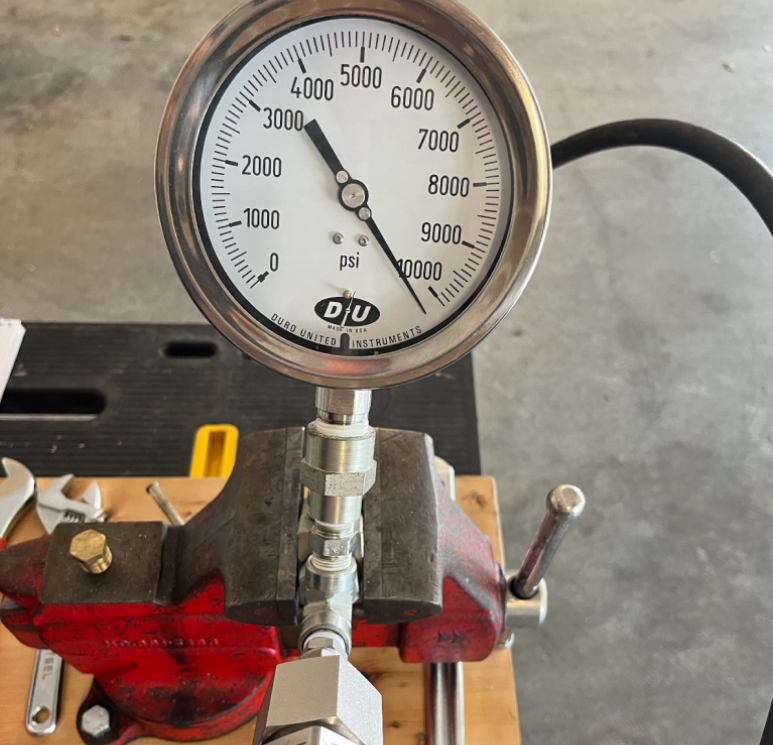
Every Felix Glass subsea viewport order includes a dimension inspection report, coating transmission curve, material certificate, and hydrostatic test video. Your procurement package is ready for US defense contractor and ISO 9001 incoming inspection on the first pass.
Custom Sapphire Optical Viewports Engineered for ROV and AUV Systems
The sapphire optical viewport is the primary transparent pressure boundary in most deep-water remotely operated and autonomous underwater vehicle camera and sensor payloads. Felix Glass manufactures these viewports as fully finished optical-mechanical assemblies, from raw sapphire boule to final coated and documented window, under one ISO 9001 quality system.
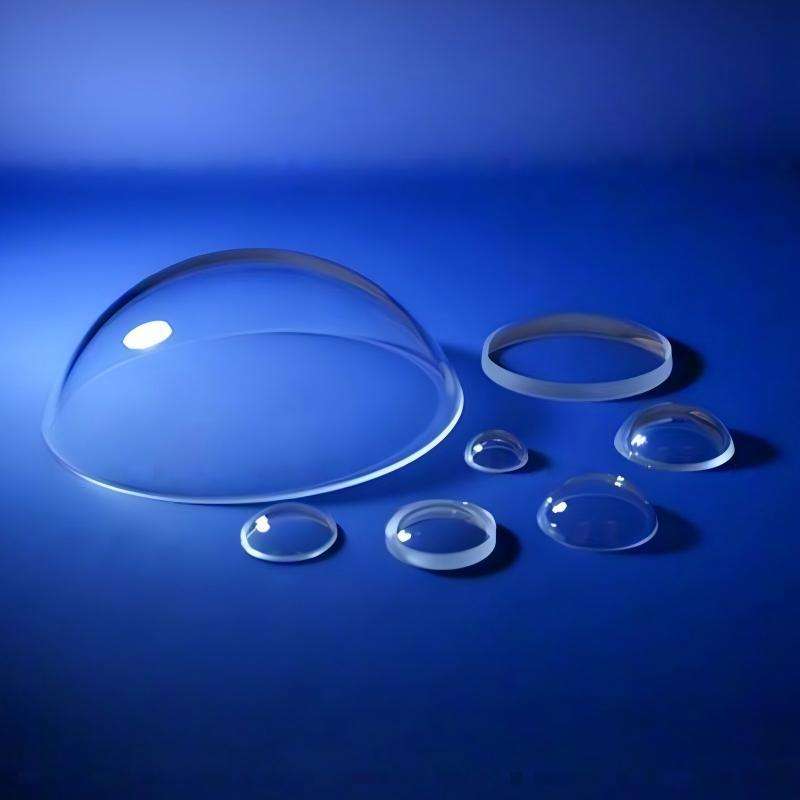 Flat and domed sapphire windows
Flat windows for forward-looking and downward-looking camera payloads where the optical axis is normal to the viewport surface. Hemispherical and hyper-hemispherical domes for pan-tilt camera systems requiring a wide-angle field of view in the water column with no refractive distortion at the air-to-sapphire-to-water interface.

Multi-spectral sensor windows
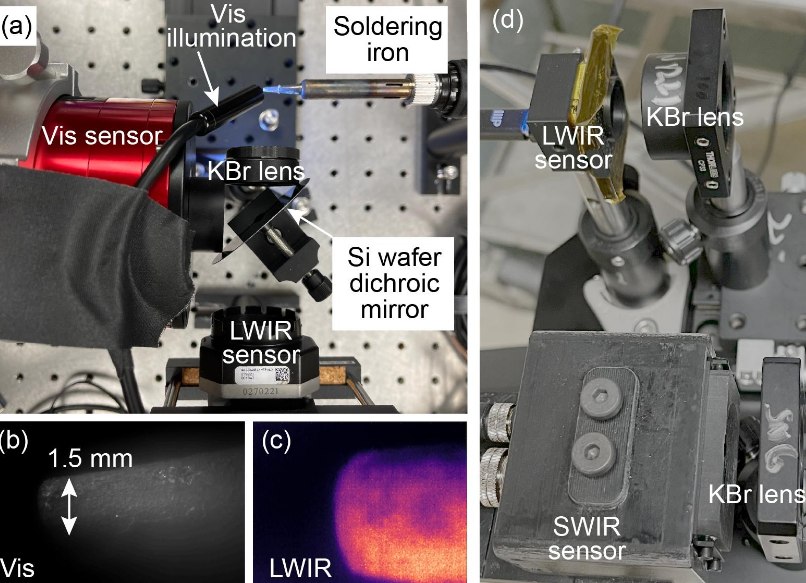
Viewports for combined visible, SWIR, and LWIR sensor payloads where a single window serves multiple optical channels. We manage the coating design across the full multi-band spectral range so each sensor channel receives the specified transmission without crosstalk artifacts.
Laser-line windows for LIDAR and bathymetry
Narrowband viewports optimized for 532-nanometer and 1,064-nanometer laser bathymetry and underwater LIDAR systems. AR coating is tuned to the exact laser line with less than 0.2 percent reflection at the design wavelength, maximizing the round-trip optical budget for the LIDAR receiver.
Anti-Saltwater Corrosion Coatings for Long-Term Subsea Deployment
The external surface of any subsea optical viewport is continuously exposed to seawater, marine organisms, and suspended abrasive particles. A coating that fails in this environment turns a precision optical window into a frosted, low-transmission scatter plate. Felix Glass applies a proprietary multi-layer anti-saltwater coating stack that has demonstrated greater than 96 percent maintained transmission after 5,000 hours of accelerated salt-spray testing per ASTM B117.
Multi-layer broadband AR with hydrophobic overcoat
The coating stack combines dense dielectric AR layers for the optical function with a fluorinated hydrophobic top layer that reduces salt crystal adhesion and simplifies post-deployment cleaning. Water contact angle exceeds 110 degrees on the coated surface, so salt spray beads and rolls off rather than drying into a crystalline residue that scatters light.
5,000-hour salt-spray qualification data
We publish actual coating durability data, not marketing claims. Our standard anti-saltwater coating has completed 5,000 hours of continuous ASTM B117 neutral salt spray with less than 4 percent transmission loss across the 400-to-700-nanometer visible band. Extended-life coating variants are available for multi-year deployed sensor arrays that cannot be retrieved for cleaning.
Edge-sealed coating architecture
Coating failure on a subsea viewport almost always starts at the edge where the coated optical surface meets the metal seating flange. We extend the coating stack past the clear aperture and into the non-optical seating zone, then apply a perimeter edge seal that prevents seawater from wicking under the coating at the sapphire-to-flange interface during long-duration deployment.
Precision Optical Polishing for Marine-Grade Surface Quality
Surface quality on a subsea optical viewport is not cosmetic. Scratches, pits, and subsurface damage scatter light into the sensor, reducing the signal-to-noise ratio of the detection system. A single dig on the external surface becomes a nucleation site for biofouling adhesion. Felix Glass polishes every viewport face to a scratch-dig specification that matches the optical performance requirement of the sensor behind it.
| Surface Parameter | Standard Grade | High-Precision Grade | Laser-Grade |
|---|---|---|---|
| Surface Figure (transmitted wavefront) | Lambda/4 at 632.8 nm | Lambda/10 at 632.8 nm | Lambda/20 at 632.8 nm |
| Surface Roughness (Ra) | Less than 2.0 nm | Less than 1.0 nm | Less than 0.5 nm |
| Scratch-Dig (per MIL-PRF-13830) | 60-40 | 40-20 | 20-10 |
| Parallelism (wedge) | Less than 3 arcmin | Less than 1 arcmin | Less than 30 arcsec |
| Clear Aperture | 90 percent of diameter | 95 percent of diameter | 98 percent of diameter |
High-Pressure Sealed Flange Machining and Housing Integration
A perfectly polished sapphire window that does not seat correctly in its titanium or stainless steel housing flange is a leak path waiting to happen. Felix Glass machines the viewport blank to your flange drawing tolerances and can supply the finished window pre-mounted in a test-verified flange assembly, ready for your housing fabricator to weld or bolt into the pressure vessel.
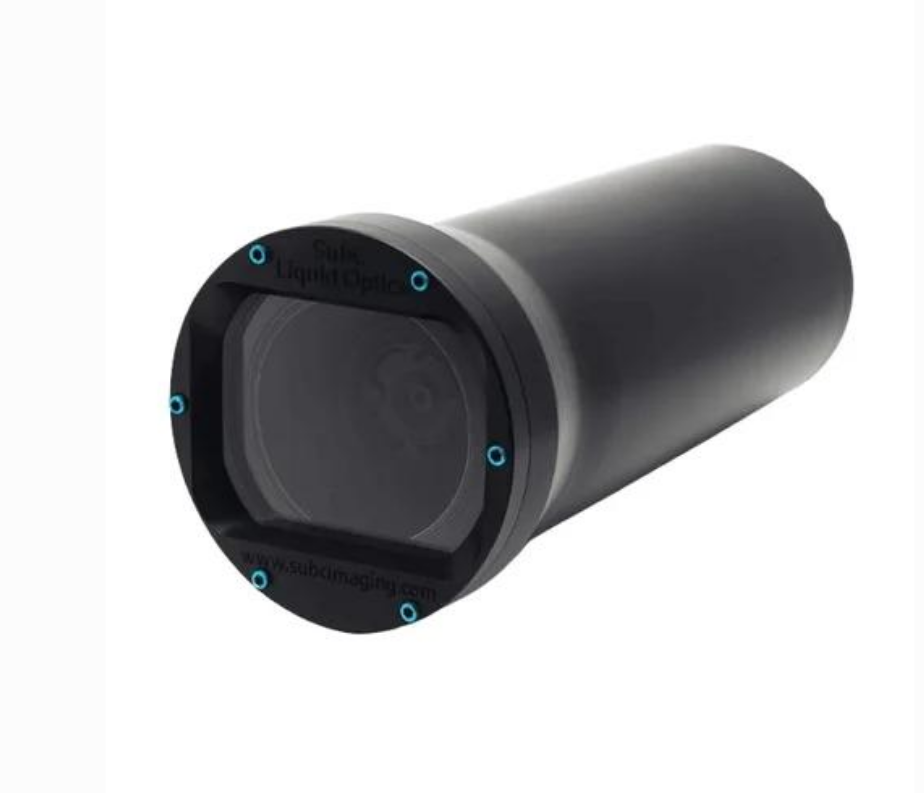
We can ship the sapphire window pre-bonded into a 316L stainless steel or Grade 5 titanium flange with documented seating verification and a factory hydrostatic test certificate for your target depth rating.
CNC diameter and thickness tolerance
Viewport outside diameter and thickness are machined to plus or minus 0.025 millimeter for the seating land and plus or minus 0.05 millimeter for the overall blank dimensions. This ensures the O-ring groove compression ratio and the retaining-ring preload are consistent from window to window across a production lot.
Sealing surface finish and chamfer control
The seating land surface finish is held to 0.8-micrometer Ra or better with a controlled edge chamfer radius to prevent O-ring extrusion at depth. We verify every window on a coordinate measuring machine and include the CMM report in the shipment documentation.
Pre-bonded flange assembly
For programs that want a single part number from a single supplier, we bond the sapphire window into a customer-specified metal flange using a qualified marine-grade epoxy or elastomeric adhesive. The bonded assembly is hydrostatically tested to 1.25 times the rated depth pressure before shipment.
Material Selection Guide — Sapphire vs. Fused Silica for Subsea Optics
Most subsea optical detection programs we support specify either single-crystal sapphire or UV-grade fused silica for the viewport substrate. The right choice depends on the depth rating, the optical wavelength band, and whether the viewport will be exposed to seawater on the external surface or operate behind a secondary pressure housing. Below is the engineering comparison our optical design team uses when recommending a substrate for a new subsea detection program.
Single-Crystal Sapphire (Al2O3)
- Transmission range: 200 nm to 5,000 nm
- Hardness: Mohs 9 (second only to diamond)
- Compressive strength: 2,000 MPa
- Seawater resistance: Chemically inert, zero degradation
- Thermal shock resistance: Excellent, handles surface-to-abyssal thermal gradients
- Maximum practical depth rating: 11,000 meters (full ocean depth)
- Best for: Direct seawater exposure, depth ratings exceeding 1,000 meters, abrasive particle environments, multi-year deployed sensor arrays
UV-Grade Fused Silica (SiO2)
- Transmission range: 180 nm to 2,500 nm
- Hardness: Mohs 5.5 to 6.5
- Compressive strength: 1,100 MPa
- Seawater resistance: Good with protective coating; not recommended for bare exposure
- Thermal shock resistance: Very good, near-zero thermal expansion
- Maximum practical depth rating: 3,000 meters (with adequate thickness and coating)
- Best for: UV fluorescence-based marine sensors, moderate-depth camera housings, internal pressure-housing windows where the external face is not directly exposed to abrasive seawater flow
OEM Custom Optical Viewport Development Workflow
Every custom subsea optical viewport at Felix Glass follows a structured engineering workflow that moves from your drawing to our optical and mechanical design review, through fabrication and inspection, to documented delivery. This workflow is designed to integrate directly into the development timeline of a US marine equipment OEM program.
Drawing and specification review
You send us the viewport drawing, the target depth rating, the sensor wavelength band, and any housing interface requirements. Our optical and mechanical engineering team reviews the design within one business day and returns a formal technical evaluation with material recommendation, coating proposal, and tolerance feasibility assessment.
Prototype fabrication and first-article inspection
We machine, polish, coat, and inspect one to three prototype viewports against the agreed specification. A first-article inspection report including CMM dimensional data, interferometric surface figure measurement, coating transmission curve, and hydrostatic test results is delivered with the prototypes.
Design validation and specification lock
Your team integrates the prototype viewports into the housing, runs your in-house pressure and optical acceptance tests, and provides feedback. We adjust any dimension, coating, or process parameter and lock the production specification for the production lot.
Production lot fabrication with lot traceability
Production lots ship with material lot certificates linking each viewport to its sapphire boule, a batch coating run report, CMM and interferometer data for every window, and a hydrostatic test certificate. Every lot is traceable from raw material to finished window under our ISO 9001 quality management system.
Hydrostatic Pressure Testing and Quality Assurance Protocol
Every subsea optical viewport we ship is supported by a documented quality assurance package designed to satisfy the incoming inspection requirements of US defense contractors, offshore energy operators, and ISO 9001-certified marine equipment manufacturers. We do not ship a window without the test data to back it up.
Hydrostatic pressure cycling
Every viewport lot undergoes hydrostatic pressure testing to 1.25 times the rated depth pressure in a calibrated pressure vessel. We record and provide the pressure-versus-time curve, post-test optical transmission measurement, and a visual inspection report confirming no cracking, crazing, or coating delamination.
Interferometric surface verification
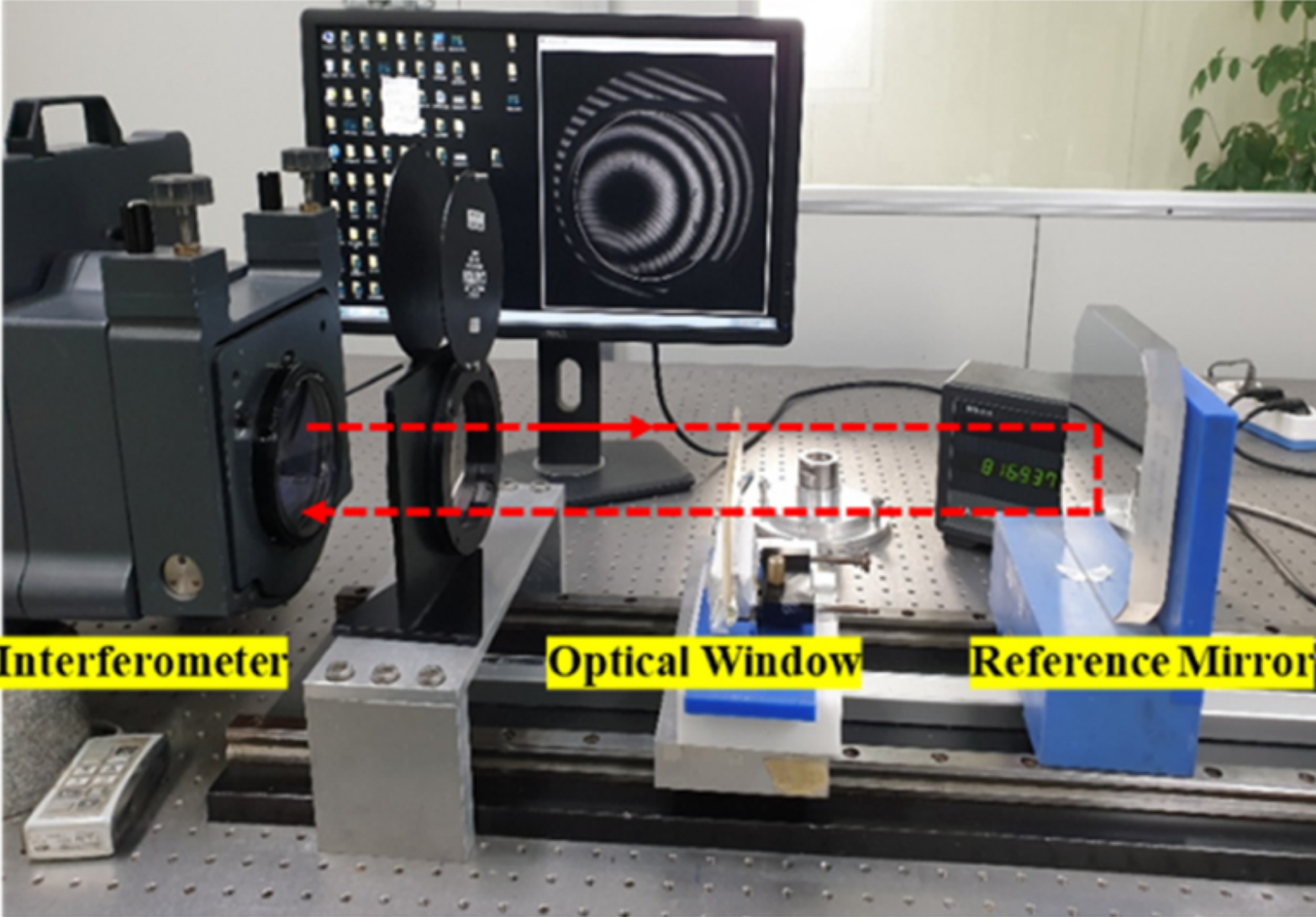
Surface figure and transmitted wavefront are measured on a Zygo laser interferometer at 632.8 nanometers. We provide the interferogram and the PV and RMS wavefront error values for every viewport in the shipment. Post-pressure-test interferometry confirms no stress-induced figure change.
Coating transmission spectrophotometry
The AR coating transmission curve is measured on a PerkinElmer UV-Vis-NIR spectrophotometer from 200 to 2,500 nanometers. The spectral transmission data file is included in the shipment documentation so your optical engineer can verify coating performance against the sensor wavelength band specification.
Material lot traceability documentation
Every viewport is traceable to its sapphire boule lot number, crystal orientation, annealing record, and raw material certificate of conformance. This documentation supports your Device Master Record, ISO 9001 supplier qualification audit, and end-customer regulatory submission requirements.
Why US Marine Equipment Manufacturers Partner with Felix Glass
US defense contractors, offshore energy operators, and oceanographic instrument manufacturers choose Felix Glass for subsea optical viewports because we deliver documented, inspection-ready components on a predictable schedule with engineering support that speaks optical physics, pressure-vessel design, and marine materials science in the same conversation.
Documentation-ready shipments
Material certs, CMM reports, interferometry data, coating curves, and hydrostatic test certificates included with every lot.
In-house optical testing laboratory
Zygo interferometer, PerkinElmer spectrophotometer, calibrated pressure vessels, and CMM on site for real-time quality data.
Prototype-to-production continuity
Single supplier from engineering prototype through qualification lot to production volume. No process handoff, no specification drift.
Stable export supply chain
Standardized production line with consistent lead times. Export documentation prepared for US customs clearance on every shipment.
Technical Specifications and Industry Compliance
The following technical specifications represent the manufacturing capability envelope for Felix Glass subsea optical viewports. Individual program specifications may fall within any point in these ranges depending on your sensor requirements, depth rating, and housing interface design.
Applications Across Marine Detection Platforms
Felix Glass subsea optical viewports are deployed across the full spectrum of marine detection and imaging platforms operated by US and international end-users. Each application profile below represents a set of optical, mechanical, and environmental requirements we have successfully engineered against.
ROV inspection camera payloads
Forward-looking, downward-looking, and manipulator-mounted camera viewports for work-class and inspection-class ROV systems operating at continental-shelf to abyssal depths. Typical requirements include 80-millimeter to 150-millimeter clear aperture, Lambda/4 surface figure, broadband AR coating, and depth ratings from 1,000 to 6,000 meters.
AUV sensor payload windows
Low-profile optical viewports for autonomous underwater vehicle mapping, survey, and environmental monitoring sensor suites. Weight minimization is critical for AUV endurance. We optimize viewport thickness and flange design to the minimum mass that meets the depth rating, often using conical-seat geometries that reduce the seating-land diameter and the corresponding flange mass.
Underwater camera housing windows
Flat and domed viewports for professional underwater camera and video housings used by marine cinematography, offshore structural inspection, and scientific survey teams. Domed ports are ground and polished to maintain the in-water field of view of wide-angle lenses with no barrel distortion introduced by the viewport itself.
LIDAR and laser bathymetry windows
Narrowband optical windows for airborne and vessel-mounted LIDAR bathymetry systems that project and receive laser pulses through the air-water interface. Laser-line AR coating is specified at 532 nanometers or 1,064 nanometers with less than 0.2 percent reflection per surface at the design wavelength.
Marine fluorescence and spectroscopy sensors
UV-transmissive fused silica windows for in-situ marine fluorometers, spectrophotometers, and dissolved-gas sensors that excite and collect fluorescence signals through the viewport. UV-grade fused silica provides greater than 90 percent internal transmission from 200 to 350 nanometers for chlorophyll, CDOM, and hydrocarbon fluorescence detection.
Seafloor-mounted observatory sensor arrays
Long-duration deployed viewports for cabled seafloor observatories and autonomous benthic landers that operate continuously for 12 to 60 months without retrieval. Extended-life anti-saltwater coating, redundant O-ring groove geometry, and sacrificial zinc anodes integrated into the flange design protect the optical path across multi-year deployment cycles.
Complementary Optical Solutions for Marine and Industrial Systems
The sapphire optical viewports described on this page integrate into broader optical and mechanical systems. The following Felix Glass product and material pages address adjacent engineering requirements that our marine equipment customers frequently combine with their viewport orders.
Sapphire Underwater Optical Viewport Product
Review the complete sapphire viewport product line with detailed dimensional, optical, and pressure-rating specifications.
View product details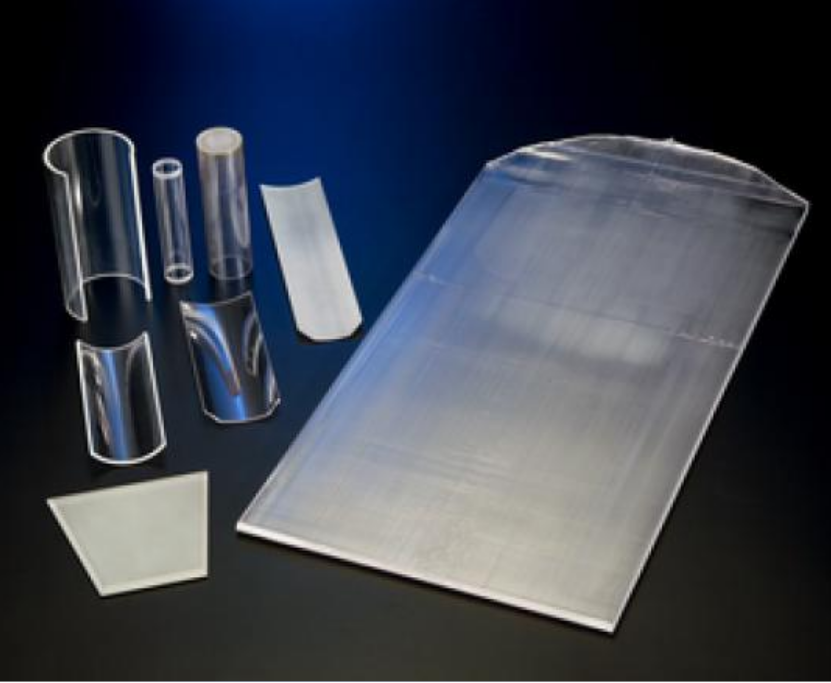
Sapphire Optical Glass Material Properties
Explore the mechanical, thermal, and optical properties of single-crystal sapphire that make it the material of choice for deep-sea optical viewports.
Read material specifications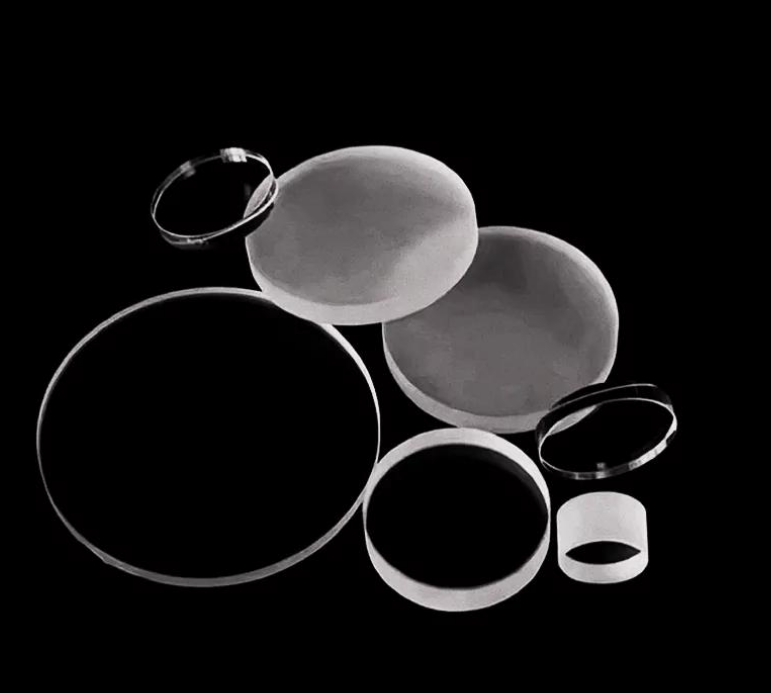
Industrial Furnace Observation Glass Solutions
High-temperature optical windows for industrial furnace, combustion chamber, and thermal process monitoring applications using the same sapphire and fused silica fabrication technology.
Explore furnace glass solutionsFrequently Asked Questions About Subsea Optical Viewports
What pressure rating can Felix Glass sapphire optical viewports withstand for deep-sea ROV applications?
Our single-crystal sapphire viewports are engineered for depth ratings from 500 meters to 11,000 meters (full ocean depth), depending on the viewport diameter, thickness, and seating geometry. Every production lot is hydrostatically tested to 1.25 times the rated depth pressure, and we provide the pressure-versus-time curve and post-test optical transmission measurement with every shipment. For ROV applications at 3,000 to 6,000 meters, we typically recommend a flat sapphire window with a radially sealed flange geometry and a diameter-to-thickness ratio that limits the maximum tensile stress at the center of the external face to less than 25 percent of the sapphire modulus of rupture.
How does the anti-saltwater corrosion coating protect the optical viewport during extended subsea deployment?
Our proprietary anti-saltwater coating is a multi-layer dielectric stack that combines broadband anti-reflection layers with a fluorinated hydrophobic top layer. The AR layers maintain optical transmission across the sensor wavelength band, while the hydrophobic top layer creates a water contact angle exceeding 110 degrees on the external surface. This causes salt spray to bead and roll off rather than drying into a crystalline residue that scatters light and degrades image quality. The coating has been qualified through 5,000 hours of ASTM B117 neutral salt-spray testing with less than 4 percent transmission loss in the visible band, and an edge-seal architecture prevents seawater from wicking under the coating at the sapphire-to-flange interface during long-duration deployment.
What is the typical lead time for a custom underwater optical viewport from engineering drawing to delivery?
For a new custom viewport program, the typical timeline is as follows: engineering drawing review and formal quotation within one business day; prototype fabrication including sapphire growth allocation, CNC machining, double-side polishing, coating, and inspection within four to six weeks; first-article inspection report delivery with the prototypes; and production lot delivery within three to four weeks after specification lock. For repeat production orders of a previously qualified design, lead time is typically two to three weeks. Rush prototyping service is available for time-critical programs at an expedited fee.
Can Felix Glass provide material traceability and hydrostatic test certification for US regulatory compliance?
Yes, every viewport lot ships with a complete documentation package that includes: sapphire boule material certificate with lot number and crystal orientation; CNC machining dimension report with CMM data for every window in the lot; Zygo interferometer surface figure measurement for every optical surface; PerkinElmer spectrophotometer coating transmission curve from 200 to 2,500 nanometers; hydrostatic pressure test certificate with the pressure-versus-time curve and post-test optical inspection report; and a certificate of conformance referencing our ISO 9001:2015 quality management system. This documentation is structured to support US defense contractor incoming inspection, FDA 21 CFR 820 supplier qualification, and ISO 13485 supplier audit requirements.
What surface quality and optical transmission specifications do you guarantee for subsea detection windows?
We offer three standard surface quality grades for subsea viewports: standard grade at Lambda/4 surface figure and less than 2.0 nanometers Ra surface roughness; high-precision grade at Lambda/10 and less than 1.0 nanometer Ra; and laser-grade at Lambda/20 and less than 0.5 nanometer Ra. Optical transmission with our broadband AR coating exceeds 98 percent per surface from 400 to 700 nanometers and is typically greater than 96 percent across the full 200 to 2,500 nanometer range. For narrowband laser-line coatings at 532 nanometers or 1,064 nanometers, we guarantee less than 0.2 percent reflection per surface at the design wavelength. Every viewport ships with the measured interferogram and spectrophotometer data confirming these specifications.
Start Your Custom Underwater Optical Viewport Project
Send your viewport drawing and target depth rating for a free engineering review and formal quotation within one business day. Our optical and mechanical engineering team will evaluate your design against the sapphire and coating options that maximize optical performance and pressure-vessel safety for your specific ROV, AUV, or marine sensor application.