Custom Optical Domes.
Built to Your Drawing, Approved Before Production.
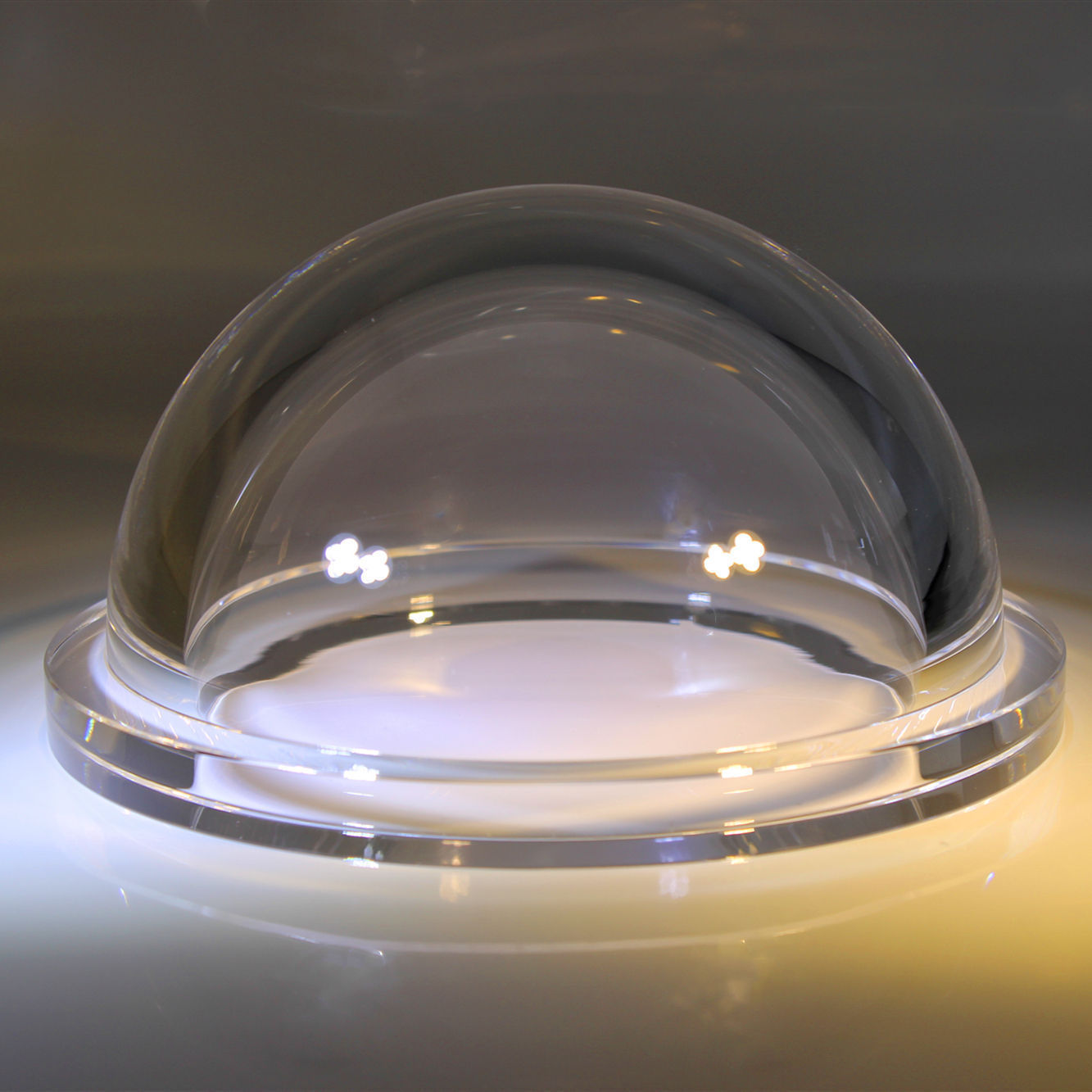
From small underwater camera ports to large infrared missile domes, Felix Glass manufactures hemispherical and hyper-hemispherical domes in sapphire, ZnS, ZnSe, germanium and fused silica. Share your drawing, operating wavelength and pressure requirement so we can define radius, wall thickness, figure, surface quality and coating for your project.
Your Approval Baseline
Common Pain Points When Sourcing Custom Optical Domes
Issues engineers and procurement teams face when buying hemispherical domes for imaging, sensing or defense systems.
Poor figure causes image distortion
A dome with excessive irregularity or wall-thickness variation introduces astigmatism and wavefront error. Without a stated figure tolerance (e.g. fringes), the supplier's "looks clear" is not an acceptance criterion.
Flange and seal dimensions do not match
The rim groove, bolt circle, wall step or mounting flange must match your housing. A tolerance gap on the flange can cause leakage in underwater or pressure-rated applications.
Wrong material for the wavelength band
Visible dome in sapphire, 3–5 µm dome in ZnS or CVD ZnSe, 8–12 µm dome in germanium. Selecting the wrong substrate means transmission loss and a rejected first article.
Targeted Dome Engineering Solutions
Each pain point is matched with a specific Felix Glass capability and a measurable buyer benefit.
Agree the optical figure before machining
We review inner radius, outer radius, wall uniformity, center thickness, clear aperture and required fringes. These values go into the written quotation and inspection plan, not just the drawing.
Benefit: predictable wavefront on first articleMachined flange, groove and sealing surfaces
We machine the rim to your housing drawing: bolt circle, groove depth, step dimensions, edge chamfer and mounting clearance. The flange is inspected with CMM or height gauge before release.
Benefit: fits your housing on first assemblyRight substrate for your transmission band
Sapphire for visible / near-IR and high-pressure underwater use; CVD ZnS / ZnSe for 3–5 µm IR; germanium for 8–12 µm LWIR; fused silica for UV–NIR and thermal shock. We confirm material grade and batch traceability in the order.
Benefit: no rework for material substitution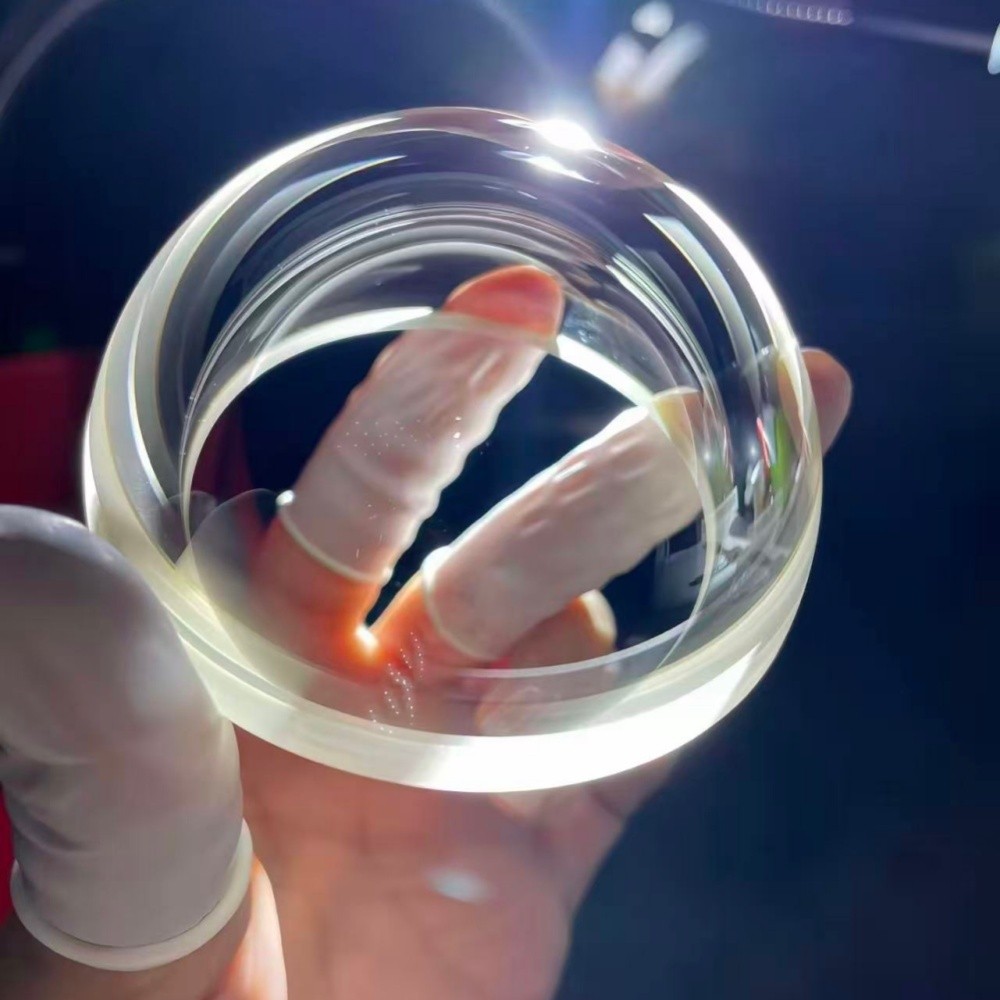
Five Types of Evidence to Request for Your Dome Order
Build your supplier review around evidence relevant to your dome drawing. Confirm which records are available before placing the order.
Comparable dome work
Review photos of similar domes in the same material and radius range. Reference images illustrate capability; they are not acceptance records for your batch.
Process route
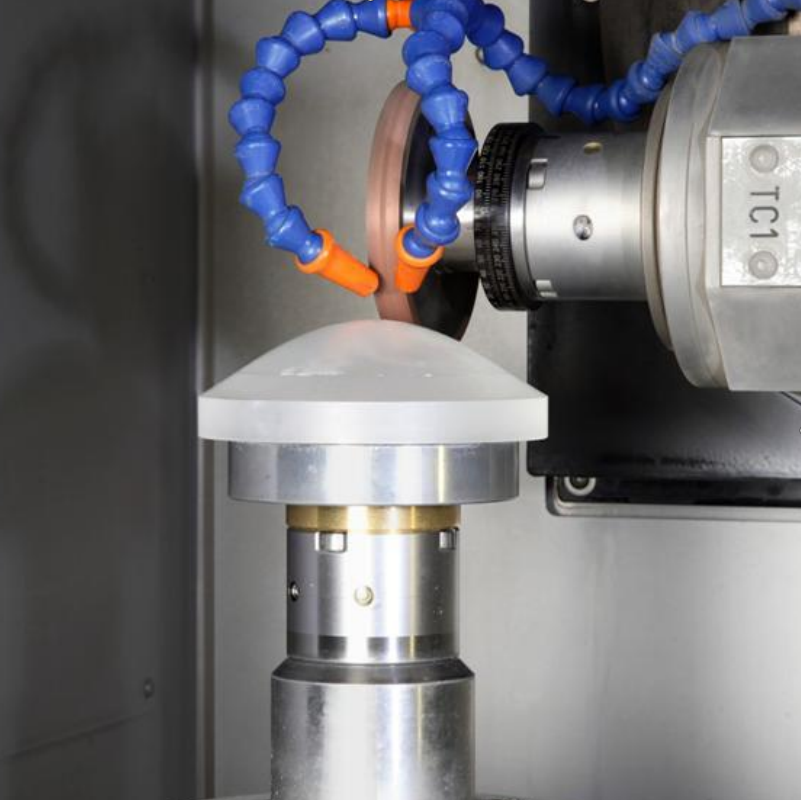
Ask whether the dome is formed, pressed, generated or CNC machined from blank, and which polishing and coating steps apply to your drawing.
Measured results
Define dimensional report, surface quality (scratch/dig), figure (fringes), transmission data and any pressure or seal test results you need.
Inspection methods
Agree whether figure is tested on interferometer or Newton, whether dimensions are CMM or height-gauge, and sampling scope (100% or AQL).
Material traceability
Specify drawing revision, material grade (e.g. CVD ZnS grade 1), batch reference, coating lot and how these are linked to your inspection report.
Common Dome Materials and Their Use Bands
Select the substrate by your operating wavelength and environmental requirement. Tell us your band and we will confirm the material in the drawing review.
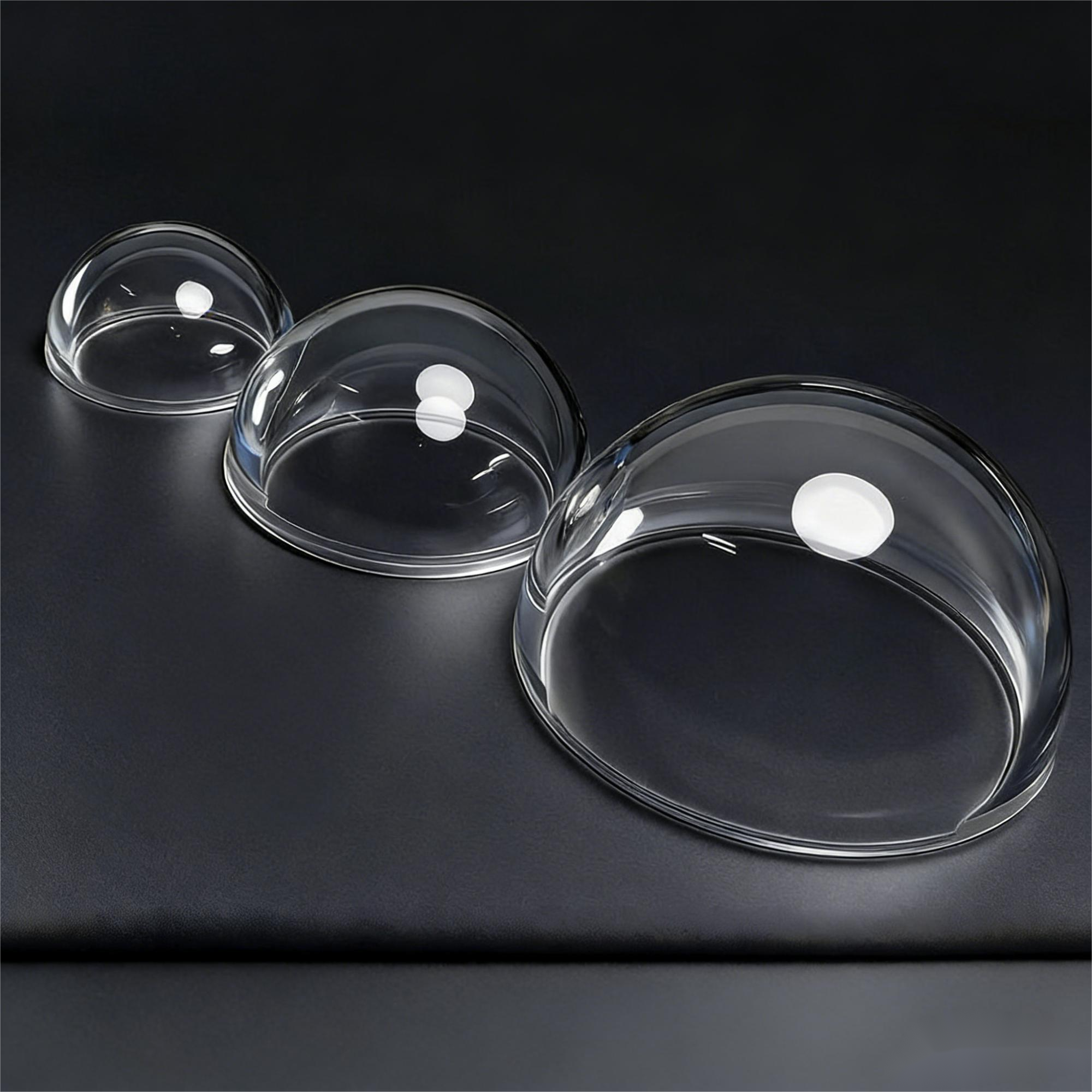
Sapphire Dome
Extremely hard, scratch-resistant, withstands high pressure and abrasion. Ideal for visible to near-IR imaging.
- Transmission: 0.25–5.5 µm
- Mohs hardness 9
- Underwater, marine, UV applications
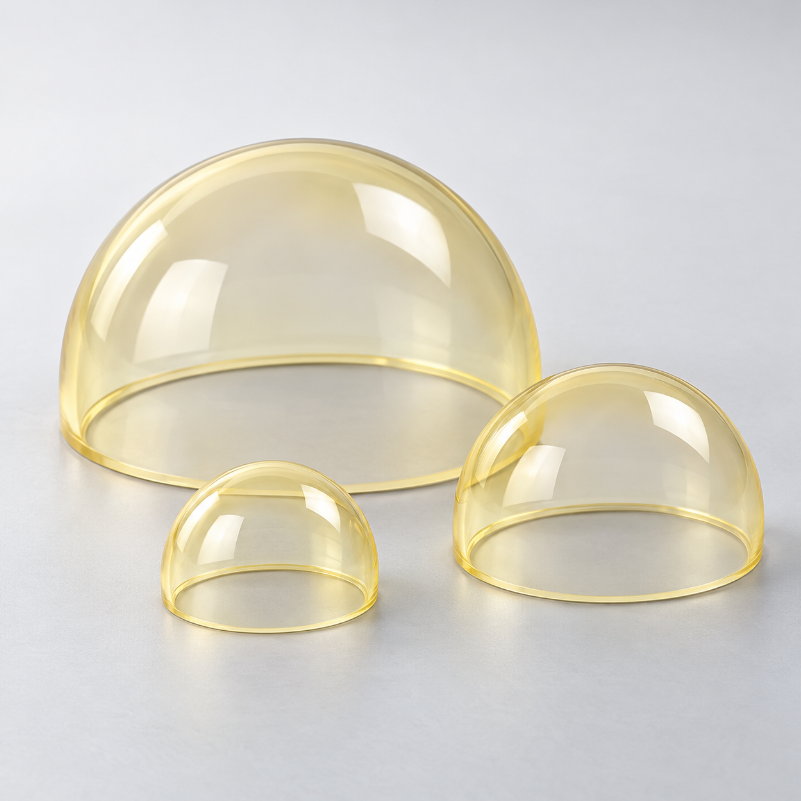
ZnS / ZnSe IR Dome
CVD zinc sulfide and zinc selenide are standard substrates for 3–5 µm mid-wave IR windows and domes.
- ZnS: 0.4–12 µm
- ZnSe: 0.5–22 µm
- MWIR thermal imaging, countermeasures
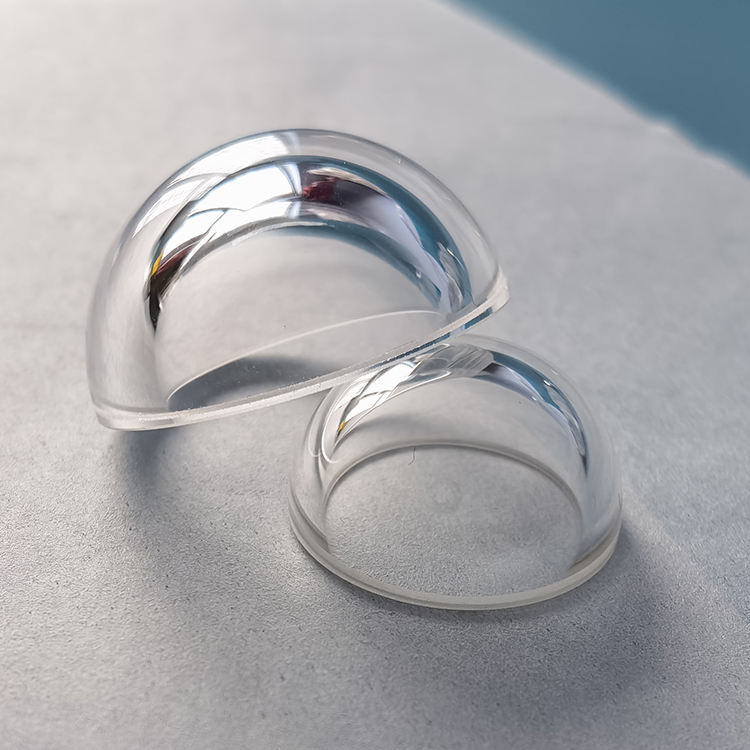
Fused Silica / BK7 Dome
Cost-effective visible-band domes for machine vision, underwater camera ports and general industrial protection.
- Fused silica: UV–NIR, low expansion
- BK7: visible band, economical
- Machine vision, underwater, lighting
First-Order Dome Confirmation Checklist
Agree the following items in writing before production. These are order-review requirements, not blanket capability claims.
| Parameter | What to confirm before production |
|---|---|
| Dome geometry | Inner radius (R1), outer radius (R2), wall thickness, center thickness, edge thickness, dome height, half-angle or F-number. |
| Material grade | Substrate type and grade (e.g. CVD ZnS grade 1, optical sapphire grade A, synthetic fused silica), crystal orientation where relevant. |
| Flange & mounting | Bolt circle diameter, hole count and size, groove depth and width, step dimensions, seal face finish, edge chamfer. |
| Optical requirements | Clear aperture, surface quality (scratch/dig per MIL-PRF-13830B), figure tolerance (fringes), irregularity, centration. |
| Coating | Coated surfaces (inner / outer / both), wavelength band, AR or DLC type, reflectivity target, environmental durability. |
| Pressure & environment | Depth or pressure rating, temperature range, humidity, salt-spray, abrasion exposure. State whether test is on dome alone or assembled housing. |
| Inspection scope | 100% inspection or AQL sampling; required reports (dimension, surface, interferogram, transmission curve, pressure test photo). |
| Sample & tooling charges | Paid prototype. Confirm sample fee, tooling / special fixturing, freight and any credit toward repeat order in the quotation. |
| Delivery milestones | Drawing approval date, payment confirmation, material lead time, sample lead time, bulk production lead time. Distinguish dispatch from transit. |
Common Dome Applications
These examples indicate the review requirements for each use case; they are not customer case studies or certification claims.
Underwater imaging & ROV camera ports
Hemispherical or hyper-hemispherical dome matched to your wide-angle lens. Specify depth rating, housing flange, seal groove and pressure test method.
Infrared thermal imaging & MWIR sensors
ZnS / ZnSe domes for 3–5 µM band. Include AR coating on both surfaces, scratch-dig and transmission targets for your sensor.
Defense, seeker heads & missile domes
Precision figure and concentricity critical. Define wavefront error, coating durability (DLC / anti-rain erosion) and traceability requirements.
Machine vision & surveillance
Protective glass domes for cameras, sensors and lighting. Specify clear aperture, coating band and any impact or vandalism requirement.
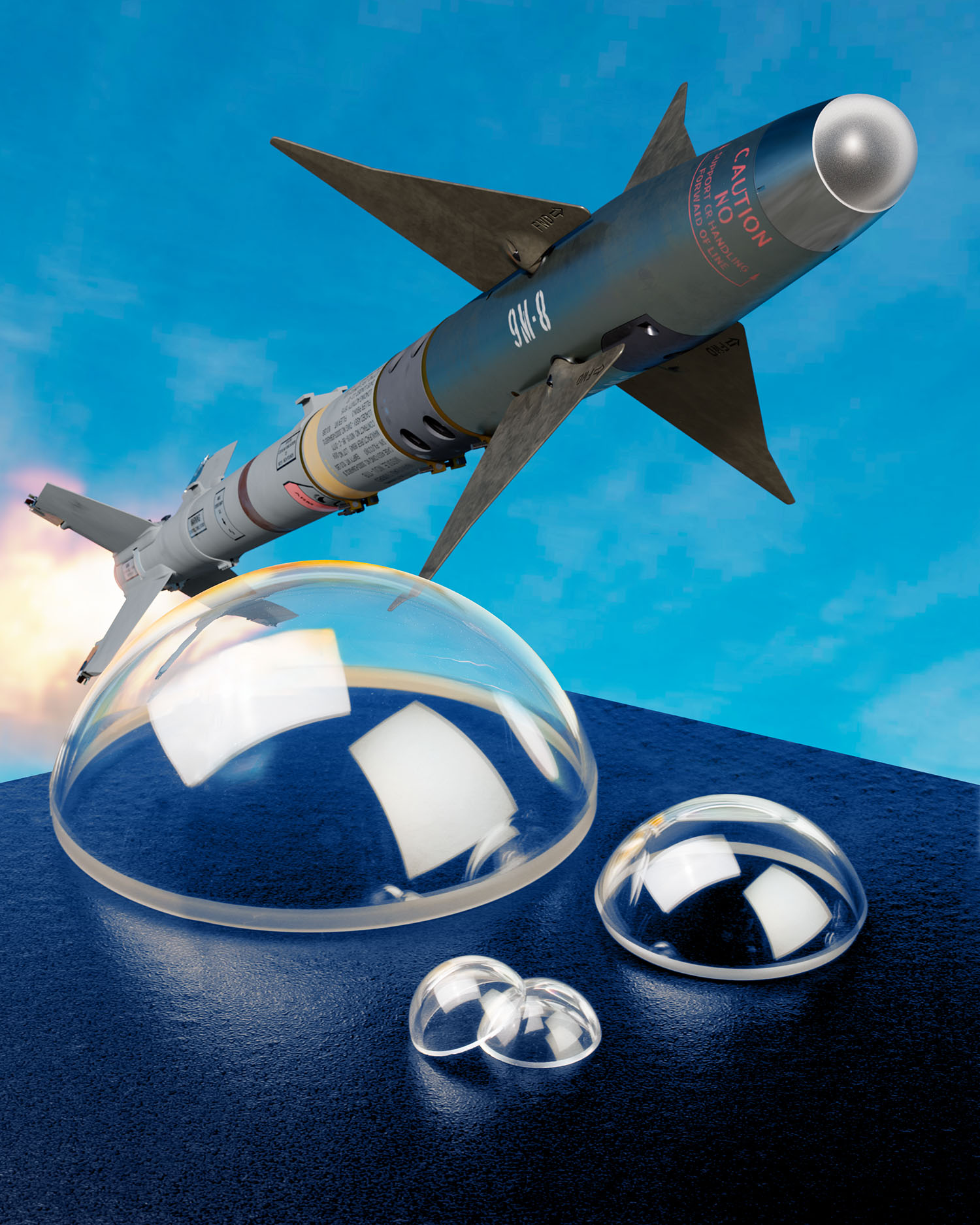
How We Manufacture Optical Domes
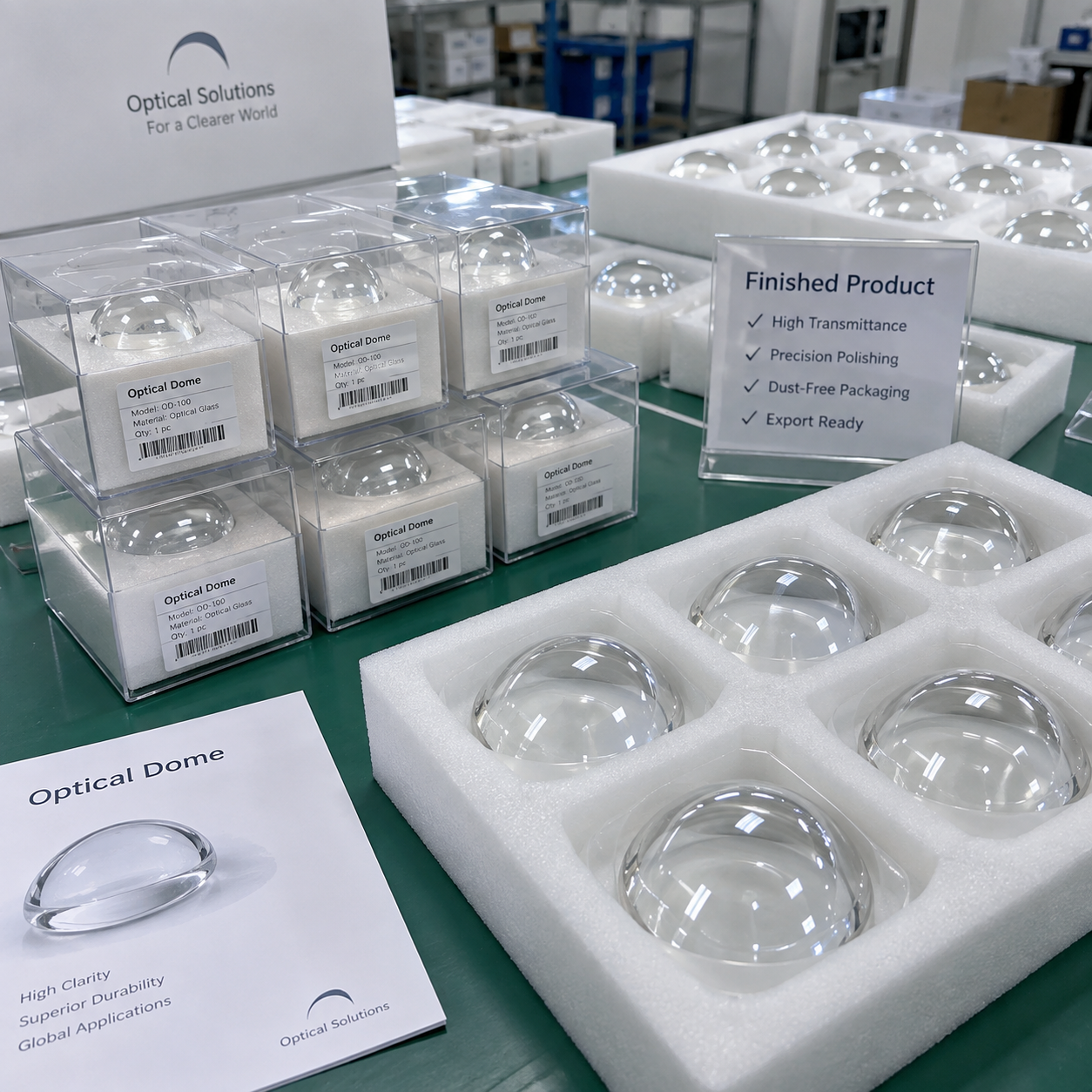
Review the manufacturing route and evidence relevant to your dome. Images below are existing website references, not batch-specific acceptance records.
- CompanyDongguan Felix Glass Co., Ltd. Contact James Fu for project-specific dome manufacturing information.
- Diameter rangeWe discuss dome diameter, radius and wall thickness per drawing. Photos alone do not establish achievable tolerances.
- CoatingAR, broadband AR, DLC and anti-reflective treatments available on inner / outer surfaces per your wavelength band.
- Capacity & scheduleConfirm material availability, process routing and production scheduling for your order quantity.
- Quality documentationDimensional report, interferogram, surface inspection, transmission curve and material certificate as applicable.
- Factory videoRequest current footage of the relevant dome process during supplier review.
Delivery Workflow
Standard project steps for custom optical dome orders, from initial RFQ through final shipment.
Drawing review
Resolve radius, flange, tolerance exceptions.
Written quotation
Confirm scope, coating, charges, milestones.
Paid prototype
Machine and coat to approved drawing.
Sample evaluation
Review fit, figure and agreed reports.
Pilot & production
Scale from approved sample baseline.
Inspection & shipment
Complete agreed checks and packaging.
Sample / Prototype
Start conditions are stated in the quotation.
Bulk / Mass Production
Confirm quantity and the approved sample baseline.
Expedited Service
Ask about feasibility before committing to a deadline.
Dome Manufacturing Workflow
Substrate selection and the actual manufacturing route used for custom optical domes.
Material selection
Identify substrate by grade and operating wavelength: sapphire for visible / near-IR and high pressure; ZnS / ZnSe for MWIR; germanium for LWIR; fused silica for UV–NIR.
Route selection
Forming, generating, CNC grinding or polishing route depends on radius, wall thickness, material and required figure. Confirm steps during drawing review.
Blank & substrate
Match agreed material grade and batch.
Generating / grinding
Shape inner and outer radius to rough dimensions.
Polishing
Polish optical surfaces to required finish.
Flange machining
Turn rim, groove, bolt holes and seal face.
Coating & inspection
Apply AR / DLC and final inspection.
Frequently Asked Questions About Optical Domes
Common questions from engineers and procurement teams sourcing custom domes.
What information should I send for a dome quotation?
Send the current drawing (PDF or CAD), material preference, operating wavelength band, required diameter and radius, wall thickness, flange / groove dimensions, surface quality and figure requirements, coating needs, quantity and depth / pressure rating if applicable.
Can you manufacture domes from my own drawing?
Yes. Submit the drawing for review. We confirm feasibility, exceptions, manufacturing route, coating and inspection scope in writing before production begins.
What is the minimum dome diameter you can make?
Diameter range depends on material and process. Tell us your required diameter, radius and wall thickness, and we will confirm feasibility and typical lead time in the quotation.
Do you provide pressure or leakage testing?
Pressure and seal testing must be agreed per application. We can discuss whether the test is on the dome alone or on the assembled housing, and what documentation (photo, pressure chart, report) is included.
Are custom dome samples free?
Custom samples are paid. The quotation identifies sample fee, tooling / fixturing, special testing and freight separately, and may credit the sample fee toward a repeat order under agreed terms.
What coatings are available on domes?
AR and broadband AR coatings are common for visible and IR bands. DLC (diamond-like carbon) is available for abrasion and rain-erosion resistance on some materials. Specify your wavelength band and which surfaces need coating.
How is the figure tolerance specified?
Figure is typically specified in fringes on an interferometer or Newton setup, together with irregularity. We agree the test method, sampling and report format before production.
How will my dome be packaged?
Domes are packed in foam-lined, optical-grade packaging with surfaces protected. We can provide packaging photos and handling instructions on request, especially for thin-wall or large-diameter domes.
Does a reference photo prove my dome will meet spec?
No. A reference photo illustrates a product or process. Acceptance depends on the agreed specification and the inspection results for your order.
What if delivered domes do not meet the agreed requirements?
Report order and batch references, affected quantity, photos and measurement evidence. The review procedure and remedy for confirmed manufacturing nonconformities should be agreed in the order terms.
Still have questions about your dome project? Our engineering team is ready to help.
Contact Our TeamREQUEST A CUSTOM DOME QUOTE
Send your dome drawing, specifications or sample requirements. We will review the scope and confirm the next steps.