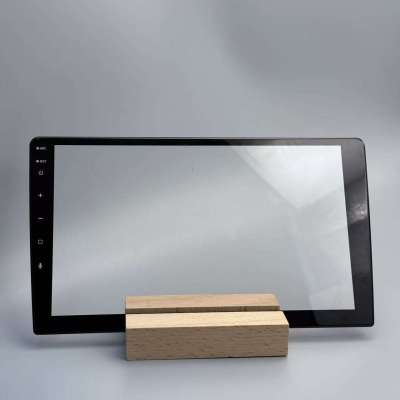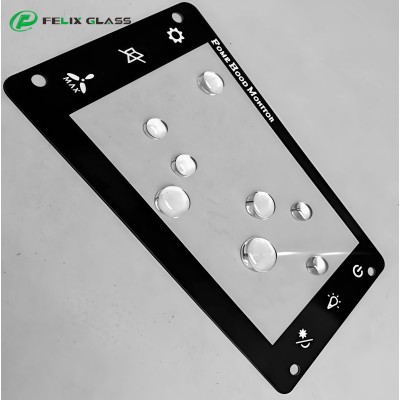
Optical Readability
Choose AG, AR, or a combined optical approach based on ambient light, display brightness, and viewing angle.
✔ OEM / ODM Customization
✔ Free Drawing DFM Technical Review
✔ 24-Hour Professional Quotation
✔ Flexible Low MOQ & Fast Prototypes

| Share | |
|---|---|
| Categories | AR/AG/AF Coated Display Glass |
| Brand | FELIX GLASS optical glass Manufacturing base |
| Model | DCG-002 |
| Glass Hardness | 6H / 7H / 9H Optional |
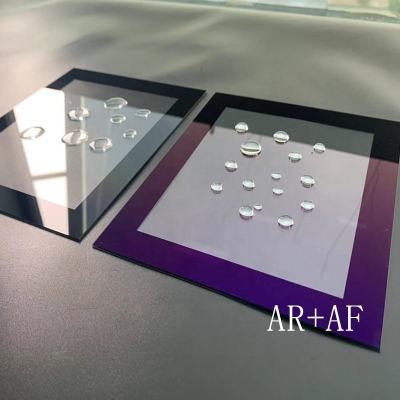
| Surface Coating | AG Anti-Glare / AR Anti-Reflection / AF Anti-Fingerprint |
| Light Transmittance | ≥92% (97% for AR coated) |
| AG Haze Range | 5%–15% adjustable |
| AF Water Contact Angle | ≥110° |
| Glass Thickness | 0.7mm / 1.1mm / 1.6mm / 2.0mm Customized |
| Working Temp | -40℃ ~ 180℃ |
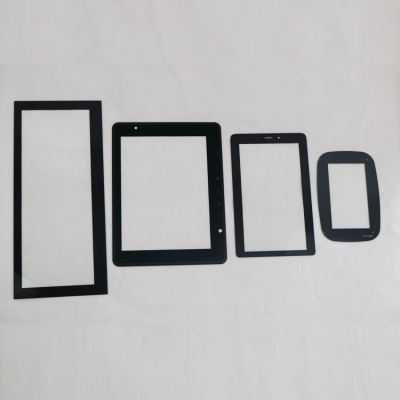
| Custom Process | CNC Cutout, Silk Screen Printing, 3M Adhesive Backing |
| Compliance Standard | ISO 9001, RoHS, automotive high-low temperature aging test certified |
| Item | Touch Points | Value:10~40 Points |
| Glass Hardness | Value | 6H Tempered Explosion-proof |
| FOB port | SHENGZHEN SHANGHAI GUANGZHOU |
| Terms of Payment | L/C, D/A, D/P, Western Union |
| Download |  |
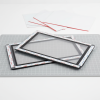
Custom Display Cover Glass · Model DCG-002 Felix Glass Co., Limited manufactures custom cover lenses for industrial HMI panels, medical displays, kiosks, control terminals, and other touch-enabled equipment. Specify the glass size, thickness, edge profile, cutouts, printing, optical treatment, and adhesive requirements for evaluation against your assembly drawing. The front lens affects display readability, touch interaction, cleaning, scratch resistance, enclosure appearance, and assembly fit. Defining these requirements together helps reduce late-stage changes between prototyping and production. Choose AG, AR, or a combined optical approach based on ambient light, display brightness, and viewing angle. Coordinate glass thickness, printing windows, adhesive zones, and sensor stack-up with the touch-panel design. Tempering and optional AF treatment support everyday scratch resistance, cleaning, and handling requirements. CNC profiles, holes, notches, edge finishing, and dimensional tolerances are reviewed against the supplied drawing. Available treatments depend on substrate, size, process route, and target performance. Felix Glass can review the intended environment before recommending a sample configuration. Custom thickness, outline, corner radius, holes, slots, windows, notches, and polished edges based on 2D drawings. Silk-screen borders, icons, logos, transparent windows, color matching, and multi-pass printing can be evaluated. Optional adhesive backing, protective film, cleaning, inspection, and packaging can be defined for the assembly workflow. This cover glass is designed for projects that require a purpose-built front lens rather than a standard off-the-shelf panel. Values are configuration targets rather than a universal specification for every part. Final tolerances and performance should be confirmed on the approved drawing or sample. Share the drawing, annual volume, application, optical target, printing files, and assembly conditions. Felix Glass reviews material, tolerances, coating, printing, edge work, and inspection criteria. Prototype parts support fit, appearance, optical, and touch-stack verification before production approval. Production follows the confirmed drawing, process route, inspection plan, and agreed packaging requirements. 2D drawing, dimensions, tolerances, hole and cutout details, edge requirements, and printing artwork. AG haze, AR transmission or reflection target, AF requirement, hardness, environment, and cleaning method. Prototype quantity, forecast volume, target schedule, adhesive needs, packaging, and inspection expectations. Learn more about Felix Glass Co., Limited or review the broader product catalog. Some combinations are feasible, but the stack must be reviewed for substrate, process compatibility, optical targets, touch behavior, and cost. Provide the priority requirement so the most suitable route can be evaluated. A dimensioned drawing, printing artwork, glass thickness, surface-treatment targets, quantity, and application conditions provide the best starting point. Yes, CNC machining can support many custom profiles. Minimum feature sizes, edge distances, and tolerances depend on glass thickness and geometry. AG is often selected to diffuse glare, while AR is used when reducing reflection and retaining clarity are priorities. Display brightness, ambient lighting, viewing angle, and surface-cleaning needs should guide the choice. Use these site resources to evaluate the supplier, related glass options, and the inquiry process. Send the target dimensions, treatment requirements, printing artwork, and expected quantity. Felix Glass will review manufacturability and prepare a project-specific response.
Industrial Display Cover Glass Built Around Your Drawing
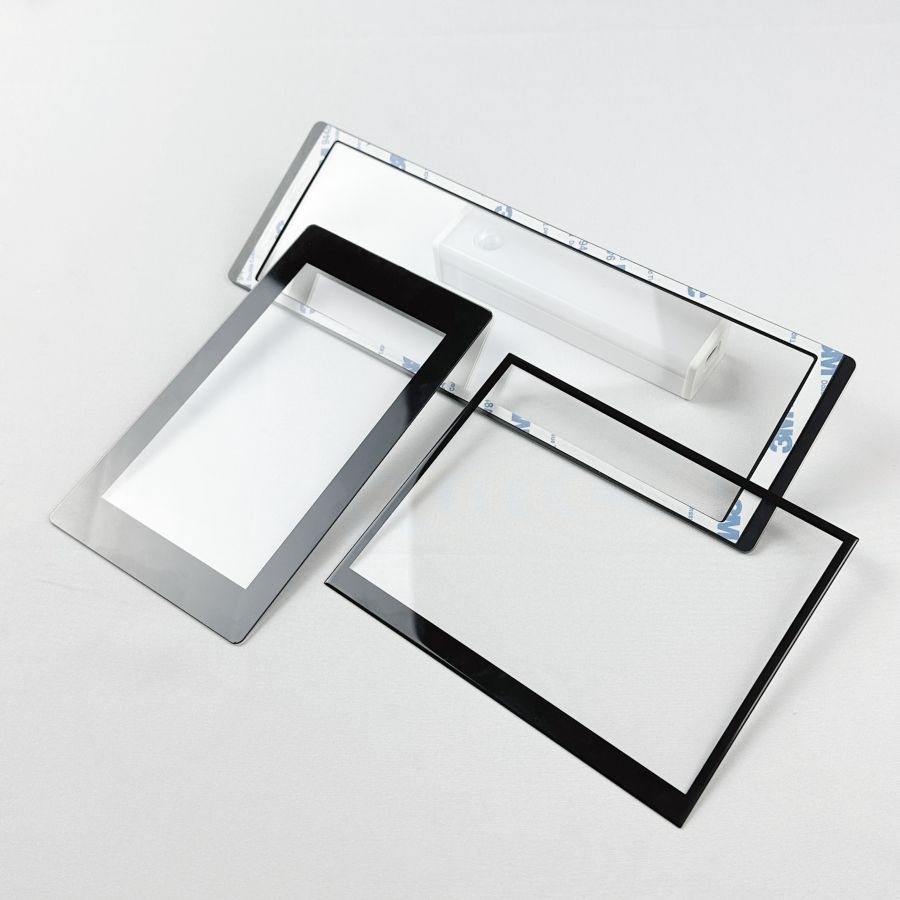
Why the Front Glass Specification Matters
Optical Readability
Touch Integration
Surface Protection
Mechanical Fit
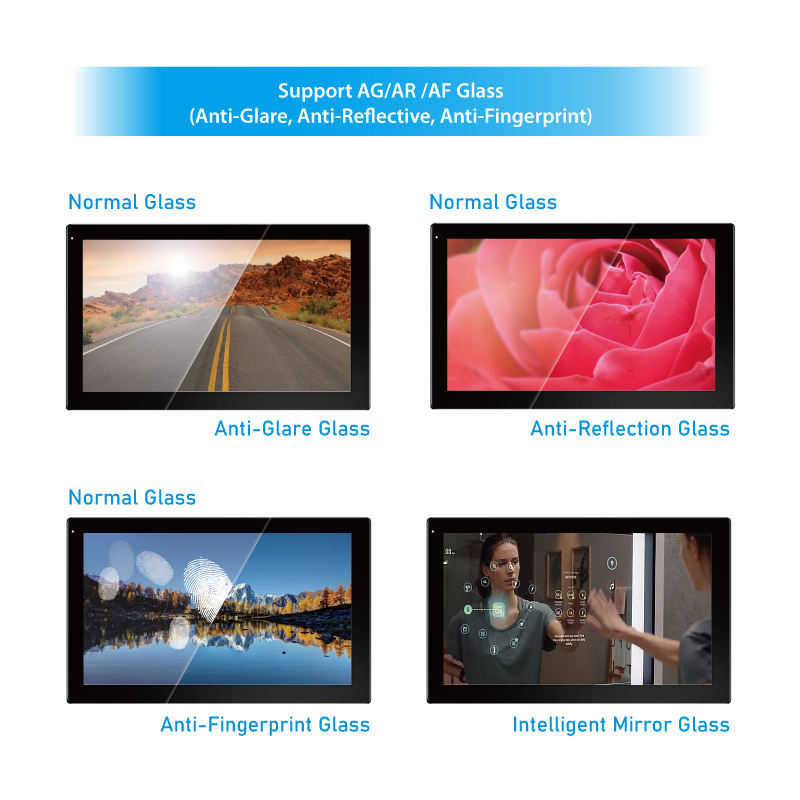
AG, AR, and AF Surface Options
Customization for the Complete Cover Lens
Glass and Geometry
Printing and Appearance
Assembly Preparation
Applications Across Industrial and Medical Equipment
Industrial HMI and PLC terminalsMedical and laboratory displaysSelf-service kiosks and payment terminalsAutomation control panelsTest and measurement equipmentOutdoor or high-ambient-light displays

Typical Configurable Parameters
Parameter Available project options Glass hardness 6H, 7H, or 9H options, subject to substrate and process review Surface treatment AG anti-glare, AR anti-reflection, AF anti-fingerprint Light transmission Project target up to the stated 92% range; AR configurations may target higher transmission AG haze Typical adjustable range of 5%–15%, selected for the display and lighting environment AF contact angle Project target of 110° or higher where the selected process supports it Thickness 0.7, 1.1, 1.6, or 2.0 mm, with other dimensions reviewed by drawing Secondary processing CNC profiling, silk-screen printing, holes and cutouts, optional adhesive backing
From Drawing Review to Production
Requirement Review
Process Confirmation
Sample Evaluation
Controlled Production
What to Send for an Efficient Quotation
Drawing Data
Performance Targets
Project Details
Frequently Asked Questions
Can AG, AR, and AF be combined on one cover lens?
What information is needed for a custom sample?
Can the glass include holes, windows, and irregular outlines?
How should I choose between AG and AR?
Related Resources and Next Step
Request a Project ReviewReady for a Drawing Review?
Send us your drawing, dimension & coating requirements for fast quotation within 24 hours.
Get Free RFQWe supply Industrial Glass, Sapphire Optics, Optical Lenses/Prisms/Filters, Infrared IR Optics, Functional & Display Glass, N-BK7/H-K9L Optical Glass, supporting OEM mass production and laboratory custom prototypes. Flexible MOQ & free sample service available. Fill in the form to download full datasheets and get factory wholesale price within 24 hours.
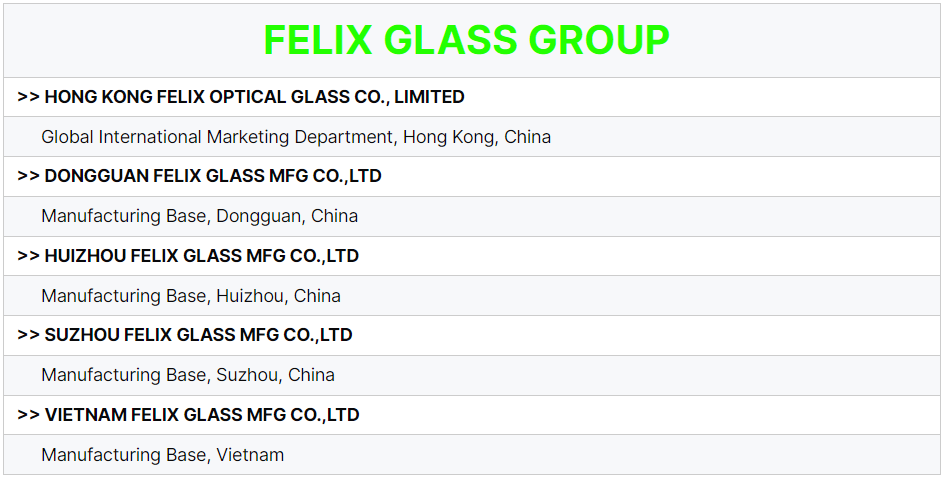
FELIX OPTICAL GLASS offers highly flexible MOQs to support customer projects, including prototype testing, small-batch trial orders, and high-volume production. All products can be fully customized to your drawings, tolerances, and application standards. Please send us your specifications, and we will reply within 1-5 hours and provide an accurate quotation after careful evaluation within 1-2 days.
Yes, our FELIX GLASS factory supports sample testing for a wide range of precision optical glass components and assemblies. The lead time for sample production is 3 to 7 working days. Please contact us today to arrange samples and obtain a customized solution that meets your needs.
A: The production cycle for standard samples is 3-10 working days, while mass production requires 15-35 working days, depending on the complexity of the product and the order quantity. We provide reliable precision optical glass components and fast delivery services for orders from industries such as defense, industrial equipment, medical devices, shipbuilding, robotics, automotive, and aerospace. Please submit your project details so we can provide you with an accurate delivery schedule.
All precision optical glass components from FELIX OPTICAL GLASS comply with ISO quality system standards as well as CE and RoHS requirements. We provide comprehensive test reports, spectral graphs, material certificates, and inspection documents for customer review. Please feel free to request complete certification details and a formal quotation at any time.
Yes. We offer a full range of precision optical glass component processing services, including CNC machining, precision grinding, optical polishing, chemical/physical tempering, vacuum coating (AR anti-reflective coating, AF anti-fingerprint coating, AG anti-glare coating, IR infrared coating), and screen printing. From raw materials to finished products, every step is completed in our own factory. Please tell us your needs, and we will provide you with the most cost-effective solution.