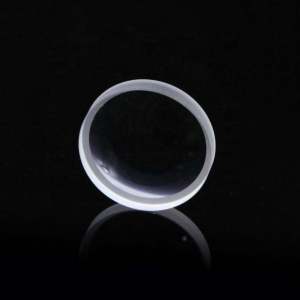
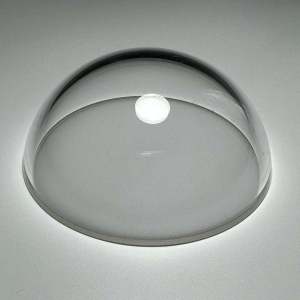
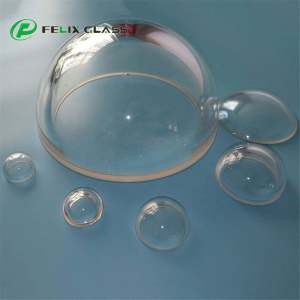
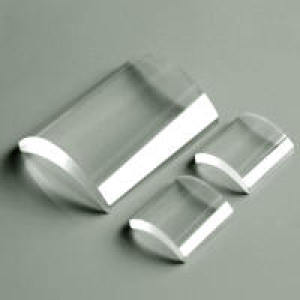
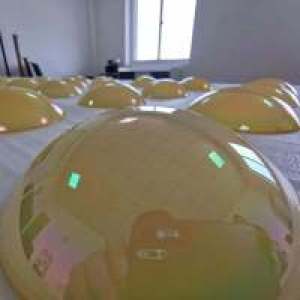
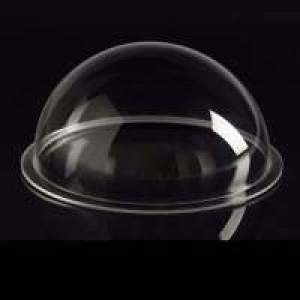
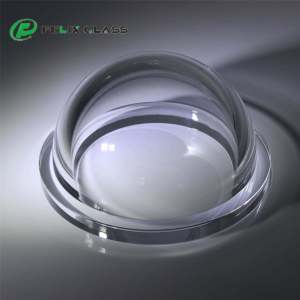
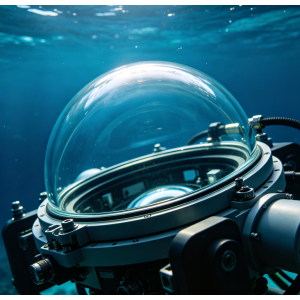
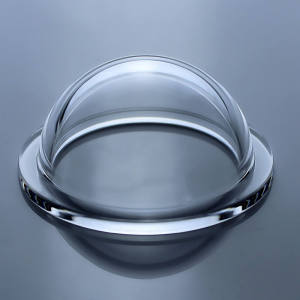
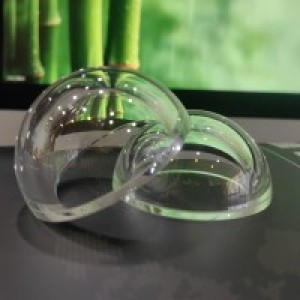
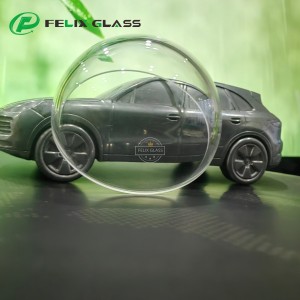
What common optical glass parts are used in industrial machine vision systems, including protective optical domes?
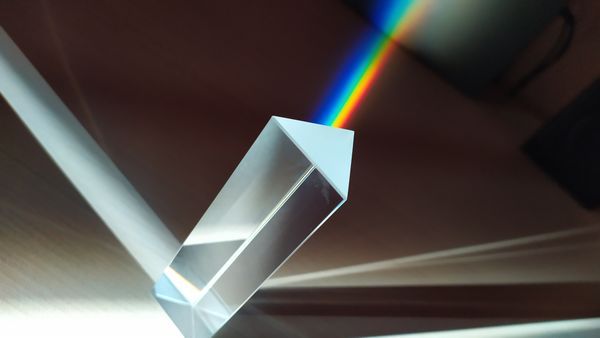
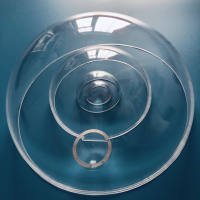
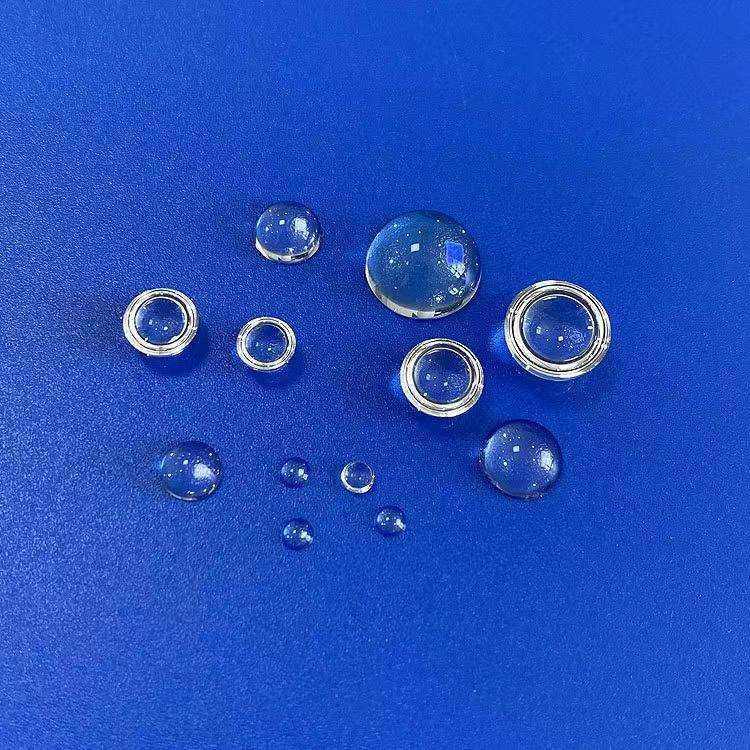
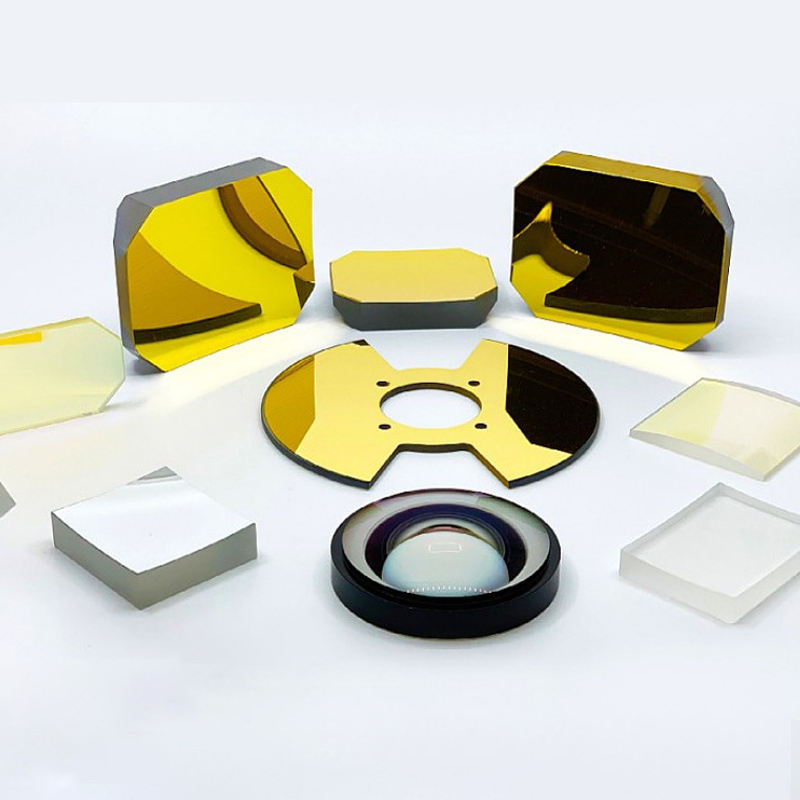
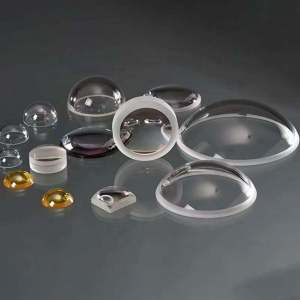
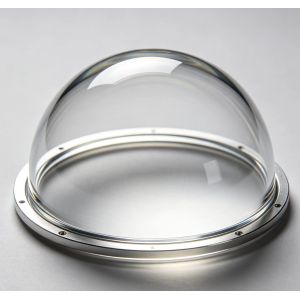
Common parts include optical lenses, filters, protective domes, prisms, beam splitters and mirrors used for imaging, wavelength control, light path adjustment and equipment protection.
What is the core difference between N-BK7 and fused silica optical glass?
N-BK7 is a common visible-light optical glass with balanced performance and cost. Fused silica provides stronger UV transmission, lower thermal expansion and better high-temperature stability.
Which optical glass material fits UV laser equipment applications?
Fused silica is commonly selected for UV laser equipment because it supports ultraviolet transmission and thermal stability, subject to wavelength, coating and power requirements.
Can custom optical domes, lenses and prisms be manufactured from customer technical drawings?
Yes. Felix Glass can review drawings for material, geometry, tolerance, surface quality, coating and inspection requirements before confirming production feasibility.
What coating options are available for precision optical glass components & optical domes?
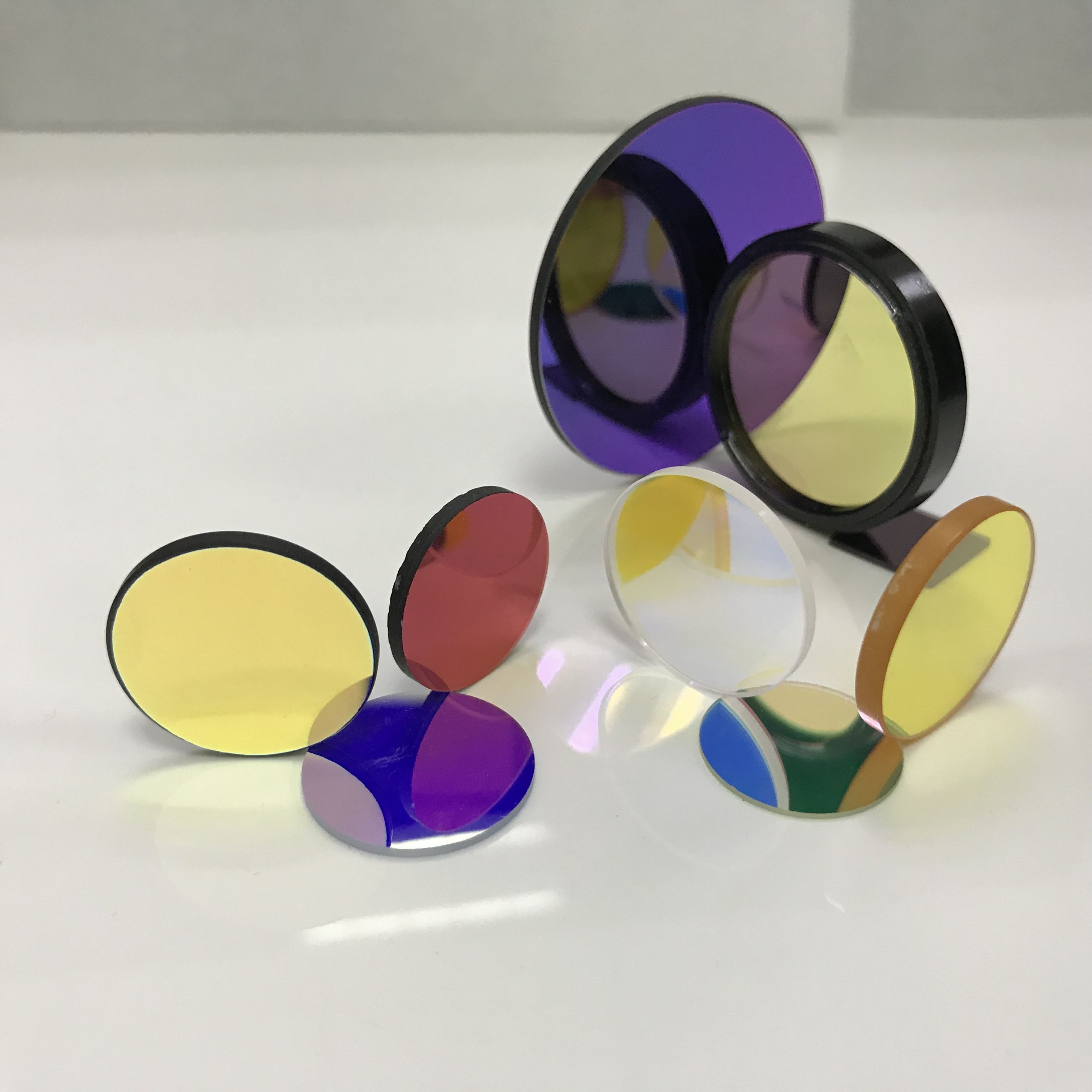
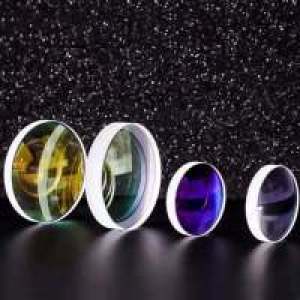
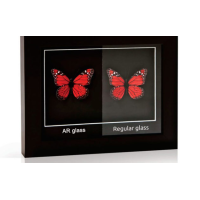
Available options may include AR, HR, BBAR, metal reflective coatings, edge blackening and application-specific spectral coatings depending on substrate and wavelength range.
What dimensional tolerances can be achieved for custom optical glass parts and spherical domes?
Typical tolerance ranges include ?0.01mm for many precision optical glass components, while final tolerances depend on material, shape, size and inspection method.
What drawing file formats are required to launch OEM optical glass production?
Common RFQ files include 2D drawings, 3D models and coating specifications. Dimension, tolerance, material, wavelength and application notes should be provided together.
Can Felix Glass provide official optical transmittance test reports for finished products including optical domes?
Inspection documentation can be provided according to order requirements, including transmittance, reflectance, surface quality, dimensional and coating inspection items when applicable.
What optical glass substrate works best for spectroscopic analysis instruments?
Substrate selection depends on the spectral range and design. N-BK7, fused silica and SF flint glass are commonly evaluated for spectroscopy and beam splitting systems.
Is edge blackening treatment available for optical lenses to eliminate stray light?
Yes. Edge blackening can be applied to reduce stray light in precision imaging optical systems when the lens geometry and process route are suitable.
Can multi-element integrated optical assemblies including matching domes be customized as a complete set?
Custom assemblies can be reviewed as a complete set, including matching domes, lenses, filters, prisms and coating specifications for system-level optical integration.
Can optical coatings be customized to match unique target wavelength requirements for optical domes and lenses?
Yes. Coating design can be matched to target wavelength, angle, substrate material and operating environment after engineering evaluation.
How should I choose the most suitable optical glass material for my application?
Define the operating wavelength, confirm transmittance, refractive index and dispersion needs, evaluate temperature, pressure and abrasion, select a compatible substrate, match the coating type, then verify tolerance and surface quality requirements for production.