
Custom FTO Conductive Glass | Lab Photocatalysis PEC - Felix Glass




| Share | |
|---|---|
| Categories | Custom ITO Conductive Glass Manufacturer |
| Brand | FELIX GLASS optical glass Manufacturing base |
| Product Specifications | ITO-E01 1 |
| Substrate | Low-iron soda lime glass |
| Conductive Film | FTO (SnO₂:F) |
| Sheet Resistance | Sheet Resistance |
| Visible Transmittance | ≥82% @ 550nm |
| Standard Dimensions | 20×20mm, 25×75mm, 50×50mm |
| Glass Thickness | 1.1mm, 2.2mm, 3.0mm |
| Max Operating Temperature | ≤500°C |
| Surface Roughness | 10–25 nm RMS |
| Chemical Resistance | Stable in dilute acid, alkali and common organic solvents |
| Custom Processing | Cutting, drilling, edge chamfering, FTO etching & patterning |
| Unit Price | US $ 2.88-6.26 / piece |
| FOB port | SHENGZHEN SHANGHAI GUANGZHOU |
| Terms of Payment | L/C, D/A, D/P, Western Union |
| Download |  |
Send your drawing or sample requirement for a fast quotation. MOQ, lead time and coating options are confirmed within one business day.
FTO Conductive Glass Electrodes
for Photocatalysis, PEC & Solar Cell Research
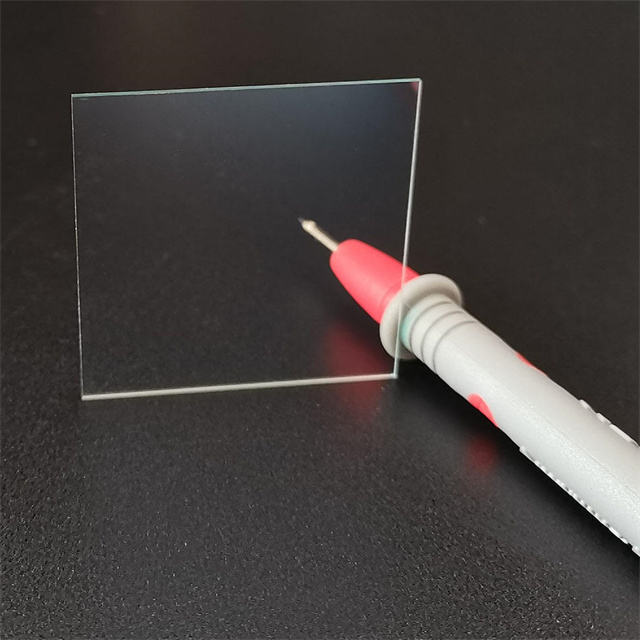
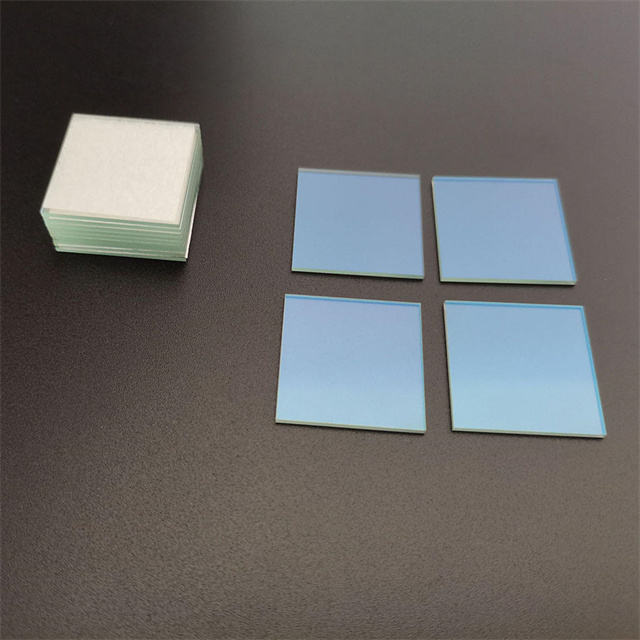
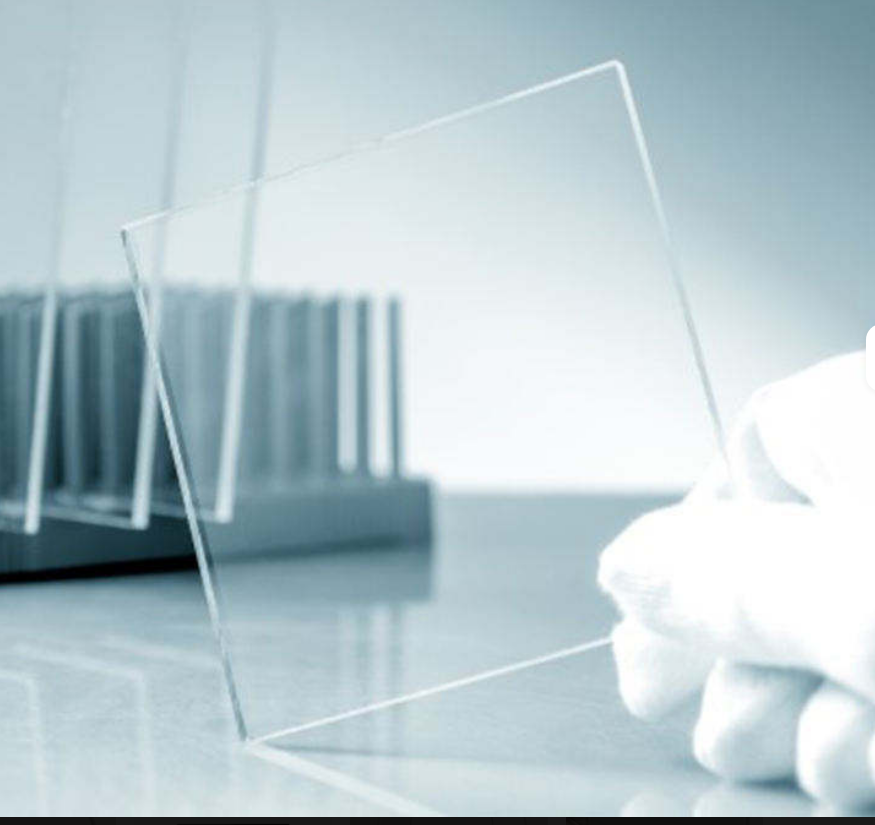
Lab-grade FTO (Fluorine-doped Tin Oxide) conductive glass on low-iron soda lime substrate. Stable to 500°C, alkali-resistant and cost-effective for high-temperature calcination, water splitting, dye-sensitized solar cells and electrochemistry experiments — where ITO film would degrade.
- Max Operating Temperature ≤ 500°C (ITO typically fails above 250°C)
- Sheet Resistance 8 / 10 / 13 / 15 Ω/sq
- Visible Transmittance ≥ 82% @ 550 nm
- Low-Iron Soda Lime Glass Substrate
- Stable in Dilute Acid, Alkali & Organic Solvents
- Natural Rough Surface for Catalyst Adhesion
- Custom Cutting, Drilling & FTO Etching / Patterning
Why Do Researchers Switch From ITO to FTO Glass?
| Pain Points When ITO Fails in the Lab | Felix Glass FTO Solution |
|---|---|
| ITO film peels or loses conductivity after 400-500°C calcination for photocatalyst deposition | FTO coating maintains stable conductivity up to 500°C, tolerating the high-temperature annealing steps common in photocatalysis and solar cell fabrication. |
| ITO degrades quickly in alkaline electrolyte, PEC water splitting signals drift | FTO is far more stable in alkaline and strong-acid electrolytes than ITO, making it the standard for water splitting and harsh electrochemistry. |
| ITO substrate too expensive for repeated student / class experiments | FTO on soda lime is more cost-effective than quartz-based ITO, suitable for repeated lab testing and teaching labs. |
| Catalyst slurry peels off smooth ITO surface during PEC operation | FTO's natural micro-rough surface (10-25 nm RMS) improves catalyst loading and adhesion on the photoelectrode. |
| Off-the-shelf ITO slides cannot fit custom PEC cell geometry or mask pattern | Custom cutting, drilling, notching and selective FTO etching for your electrode circuit and cell window. |
| Supplier enforces high MOQ, hard for academic R&D orders | Small-batch and prototype orders welcome for university and industrial research labs. |
| Hard to find a supplier who can explain FTO vs ITO trade-off | We supply both FTO and ITO — our engineers will honestly recommend which material fits your pH, temperature and optical requirement. |
Why Research Labs Work With Felix Glass FTO
Optical Glass Manufacturing Experience
Max Operating Temperature
Standard FTO Resistance Grade
Visible Transmittance @ 550 nm
Sample & Prototype Orders Welcome
Fast Delivery to University Labs
*Actual resistance, size and lead time depend on substrate, patterning and quantity.
One supplier from soda lime cutting to FTO coating, etching and four-point-probe testing. We control the full process in-house, so your photocatalysis, DSSC and PEC experiments get consistent, batch-to-batch comparable conductive glass substrates.
FTO Glass Engineered for Your Research
PEC Water Splitting & Photocatalysis
Transparent conductive substrate for photoelectrochemical cells, semiconductor film deposition and photocatalyst testing under alkaline conditions.
- Stable to 500°C for catalyst calcination
- Alkali-resistant for water splitting electrolyte
- Rough surface improves catalyst adhesion
- 10-13 Ω/sq standard grade
Recommended Solution: Soda Lime FTO + 10-13 Ω/sq + Custom Cut to Cell Window
Discuss Your PEC Setup →
DSSC & Perovskite Solar Cells
Standard transparent conductive substrate for dye-sensitized solar cells (DSSC) and perovskite solar cell research, with high-temperature sintering tolerance.
- Tolerates 400-500°C TiO₂ paste sintering
- Uniform conductivity across the cell
- 2.2 mm / 3.0 mm thickness for mechanical stability
- Custom etched contact pads
Recommended Solution: Soda Lime FTO + 1.1 / 2.2 / 3.0 mm + Etched Patterns
Discuss Your Solar Cell Project →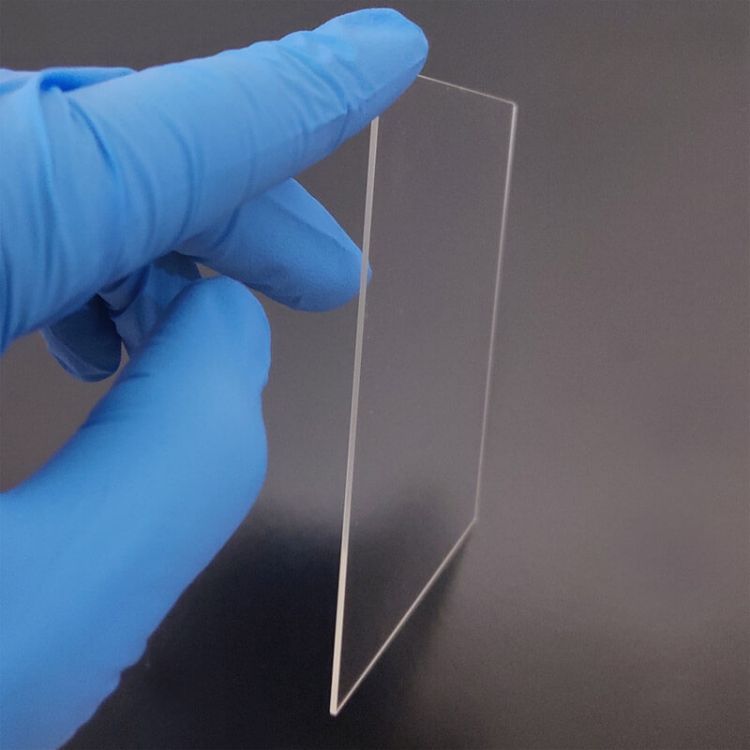
High-Temperature & Harsh Electrochemistry
When your experiment involves strong acid, strong alkali or elevated temperature, FTO outperforms ITO as the transparent working electrode.
- Stable in extreme pH vs ITO
- Withstands thermal treatment steps
- Low cost for repeated testing
- Custom etching for 3-electrode cells
Recommended Solution: Tell Us Your pH & Temperature, We Confirm FTO Grade
Discuss Your Electrochem Setup →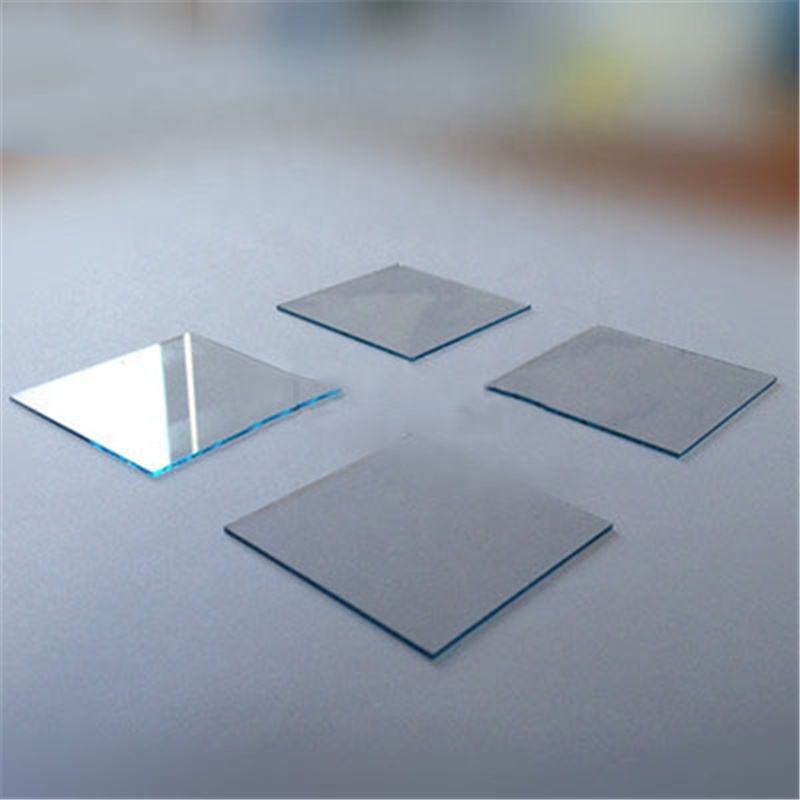
Not Sure FTO or ITO?
Choosing between FTO and ITO depends on temperature, pH and optical requirement. We supply both and can honestly recommend.
- FTO: 500°C, alkali-resistant, lower cost
- ITO: higher transmittance, smoother surface, room-temp
- Both available in custom sizes and patterns
- Send your experiment conditions
Recommended Solution: Tell Us Your Experiment, We Recommend FTO or ITO
View ITO Electrode Slides →Core Technical Specifications
| Item | Parameter |
|---|---|
| Base Substrate | Low-iron soda lime glass |
| Conductive Film | FTO (Fluorine-doped Tin Oxide, SnO₂:F), magnetron sputtered |
| Sheet Resistance | 8 / 10 / 13 / 15 Ω/sq, custom on request |
| Visible Transmittance | ≥ 82% @ 550 nm |
| Standard Dimensions | 20×20 mm, 25×75 mm, 50×50 mm |
| Glass Thickness | 1.1 mm, 2.2 mm, 3.0 mm |
| Max Operating Temperature | ≤ 500°C continuous |
| Surface Roughness | 10-25 nm RMS (natural micro-rough for catalyst adhesion) |
| Chemical Resistance | Stable in dilute acid, alkali and common organic solvents |
| Custom Processing | Cutting, drilling, edge chamfering, FTO etching & patterning |
*Subject to resistance grade, size, patterning and quantity.
Typical FTO Electrode Project Examples
University Photocatalysis Research Batch
Customer Requirement
Materials science lab needing FTO slides for photocatalyst deposition and PEC water splitting measurements, 25×75 mm, 10-13 Ω/sq, small batch for a graduate student project.
Our Solution
Soda lime FTO cutting to 25×75 mm, magnetron sputtered FTO (10-13 Ω/sq target), four-point-probe test per slide, clean packaging, small-batch sampling.
Typical Project Outcome
Samples delivered in 5 days, approved for catalyst deposition experiments, reordered each semester for the research group.
DSSC Lab Custom Etching Order
Customer Requirement
Solar cell research group needing patterned FTO substrates for DSSC, custom etched current collector grid per their cell design, 2.2 mm thickness for mechanical stability.
Our Solution
Soda lime FTO cutting, selective FTO etching per drawing, drilled access holes, batch resistance and transmittance inspection, small prototype batch.
Typical Project Outcome
Prototype substrates delivered on schedule, validated under customer's DSSC fabrication process, approved for follow-up pilot order.
From Cell Drawing to Tested FTO Electrode
01 Drawing Review
Verify size, thickness, target resistance, substrate and patterning layout for your experiment.
02 Soda Lime Cutting
Low-iron soda lime cutting to standard or custom dimension.
03 Drilling & Edge
CNC drilling of contact pads, notching and edge chamfering.
04 Cleaning
Strict ultrasonic cleaning before coating for reproducible electrode surfaces.
05 FTO Sputtering
Magnetron sputtering to target 8-15 Ω/sq, post-coating annealing for film stability.
06 Etching (If Needed)
Selective FTO etching for custom electrode circuits and current collection grids.
07 QC Testing
Four-point-probe resistance test, transmittance check, visual inspection.
08 Clean Packaging
Individual clean packaging ready for your lab experiment.
Why Start With a Small FTO Sample?
01 Verify FTO vs ITO Fit
Test whether FTO's 500°C stability and alkali resistance match your real experiment conditions.
02 Confirm Cell Geometry
Validate cutout, contact pad and etching pattern fit your PEC or DSSC cell.
03 Reduce Research Cost
Small sample batches are affordable for academic R&D before committing to bulk.
FTO or ITO? Quick Selection Guide
| Your Experiment Condition | Recommended Material |
|---|---|
| Photocatalysis calcination above 300°C, PEC water splitting | FTO (tolerates 500°C, alkali stable) |
| DSSC / perovskite solar cell sintering step | FTO standard grade, custom etched grid |
| Strong acid or strong alkali electrolyte | FTO (ITO degrades in harsh pH) |
| Room-temperature CV, spectroelectrochemistry, UV optical monitoring | ITO (higher transmittance, smoother surface) |
| Biosensor, microfluidic chip, in-situ optical readout | ITO (low roughness, high transparency) |
| Large-batch teaching lab, cost-sensitive | FTO on soda lime (more cost-effective) |
| Not sure — send pH, temperature and optical requirement | Ask our engineers for honest recommendation |
Still unsure? Ask Our Engineers for Free FTO vs ITO Guidance
Related Conductive Glass & Optical Products
Lab ITO Electrodes
Patterned Conductive Glass
Custom Conductive Glass
NIR Bandpass Filter
Medical Conductive Glass
Frequently Asked Questions
Request Custom FTO Conductive Glass for Your Lab
Tell us your experiment type and conditions. Our engineers will recommend FTO vs ITO and quote fast.
Before You Send Your Inquiry, Prepare These Inputs
- Experiment type: photocatalysis / PEC water splitting, DSSC / perovskite, CV, electrochromic, biosensor, or other
- Sheet resistance target: e.g. 8 / 10 / 13 / 15 Ω/sq
- Size & thickness: 20×20, 25×75, 50×50 mm, or custom dimension
- Working temperature: room temp vs high-temperature calcination (helps us confirm FTO vs ITO)
- Electrolyte pH: neutral, alkaline, or strong acid (helps us confirm material stability)
- Patterning: none, or custom electrode circuit / current collector grid drawing
- Quantity: small lab sample, prototype, or ongoing research group supply
Free FTO vs ITO guidance · small-batch sample support · 19+ years optical glass manufacturing
Explore More Conductive Glass Resources
- ITO vs FTO conductive glass selection guide — which material fits your experiment
- What is ITO conductive glass? Properties and uses — material overview for lab researchers
- ITO / FTO sheet resistance explained — how to pick the right ohms-per-square grade
- Conductive glass cleaning and handling guide — ultrasonic cleaning protocol before experiments
- China custom optical component manufacturer — 19+ years factory capability and QC workflow
Have a Photocatalysis, PEC or Solar Cell Project? Let's Review It.
Send your experiment conditions or drawing. You don't need to finalize every spec. Our engineers will recommend whether FTO or ITO fits your setup.
Free engineering review · small-batch sample support · OEM/ODM manufacturing
Need Custom Optical Glass Solution?
Send us your drawing, dimension & coating requirements for fast quotation within 24 hours.
Get Free RFQ
Custom Precision Optical & Glass Components Manufacturer – Felix Glass Co., Limited.
We supply Industrial Glass, Sapphire Optics, Optical Lenses/Prisms/Filters, Infrared IR Optics, Functional & Display Glass, N-BK7/H-K9L Optical Glass, supporting OEM mass production and laboratory custom prototypes. Flexible MOQ & free sample service available. Fill in the form to download full datasheets and get factory wholesale price within 24 hours.
- Name
- *Title
- *Content

- What is the minimum order quantity for custom precision optical glass components?
Felix Glass supports paid prototypes, small trial batches and volume production. Minimum order quantities depend on the material, dimensions, tolerances and coating requirements. Send us your drawings and required quantity so we can confirm the MOQ, price and lead time.
- Can I order samples for testing before bulk production?
Yes. Felix Glass offers paid custom samples for evaluation before bulk production. Sample costs and lead times are assessed based on material, dimensions, tolerances, coating requirements and quantity. Please send us your drawings or specifications so we can provide a sample quotation and estimated production lead time.
- What is the production lead time for custom optical glass components?
A: The production cycle for standard samples is 3-10 working days, while mass production requires 15-35 working days, depending on the complexity of the product and the order quantity. We provide reliable precision optical glass components and fast delivery services for orders from industries such as defense, industrial equipment, medical devices, shipbuilding, robotics, automotive, and aerospace. Please submit your project details so we can provide you with an accurate delivery schedule.
- Are your optical glass products ISO, CE and RoHS certified?
All precision optical glass components from FELIX OPTICAL GLASS comply with ISO quality system standards as well as CE and RoHS requirements. We provide comprehensive test reports, spectral graphs, material certificates, and inspection documents for customer review. Please feel free to request complete certification details and a formal quotation at any time.
- Do you offer one-stop custom optical glass processing services?
Yes. We offer a full range of precision optical glass component processing services, including CNC machining, precision grinding, optical polishing, chemical/physical tempering, vacuum coating (AR anti-reflective coating, AF anti-fingerprint coating, AG anti-glare coating, IR infrared coating), and screen printing. From raw materials to finished products, every step is completed in our own factory. Please tell us your needs, and we will provide you with the most cost-effective solution.
- Name
- *Title
- *Content
With 19 years of experience as a precision optical glass expert, we provide comprehensive and satisfactory customized solutions.
 Felix Glass Expands IR Optics Production | Faster Lead Time for Custom ZnS, ZnSe, Sapphire & Fused Silica WindowsFelix Glass manufactures custom ZnS, ZnSe, sapphire domes & fused silica IR windows. Fast prototype and AR coating available. Get your technical quote within 24h for thermal imaging & laser systems.
 DMS Cover Glass Material Selection: Aluminosilicate vs Borosilicate Glass for In-Cabin CameraSelecting the right substrate impacts DMS camera lifespan & image quality. This guide compares aluminosilicate and borosilicate glass. Felix Glass provides both substrates with printing and coating.