Good Fit to Evaluate
UV, visible, SWIR and many MWIR designs can benefit from sapphire's strength and broad short-wave transmission when the coating is optimized for the actual band.
✔ OEM / ODM Customization
✔ Free Drawing DFM Technical Review
✔ 24-Hour Professional Quotation
✔ Flexible Low MOQ & Fast Prototypes


| Share | |
|---|---|
| Categories | Sapphire Optical Windows |
| Brand | FELIX GLASS optical glass Manufacturing base |
| Model | FG-WIN-03 |
| Material | Optical-grade single-crystal sapphire (Al₂O₃) |
| Spectral Fit | Project-defined; evaluate UV/VIS, SWIR or MWIR band against detector requirements |
| AR Coating | Custom single- or double-side AR/BBAR by wavelength, angle, polarization and environment |
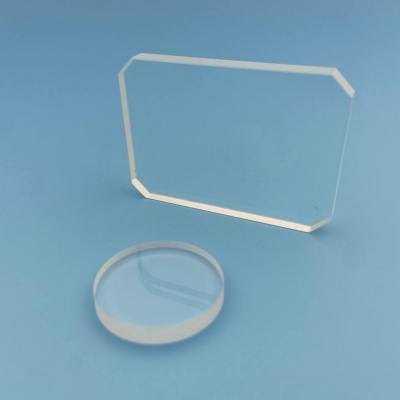
| Geometry | Round, square, rectangular, stepped, drilled or CNC custom profile |
| Optical Finish | Double-side polished with project-defined flatness and cosmetic quality |
| Edge Finish | Fine ground, polished, chamfered, beveled or housing-specific profile |
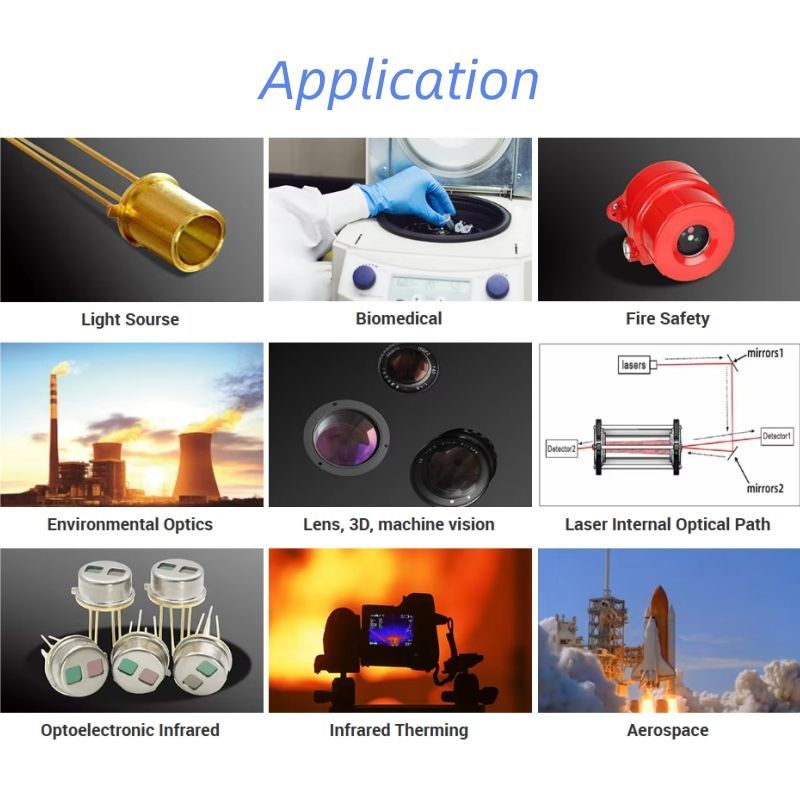
| Applications | MWIR process monitoring, furnace observation, rugged EO/IR cameras and industrial sensor viewports |
| Inspection | Dimensions, cosmetics, flatness, spectral transmission and coating performance as agreed |
| FOB port | SHENGZHEN SHANGHAI GUANGZHOU |
| Terms of Payment | L/C, D/A, D/P, Western Union |
| Download |  |
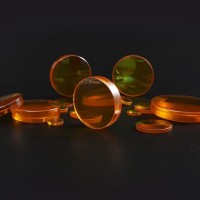
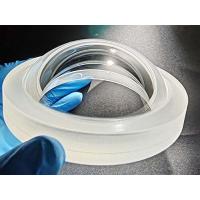
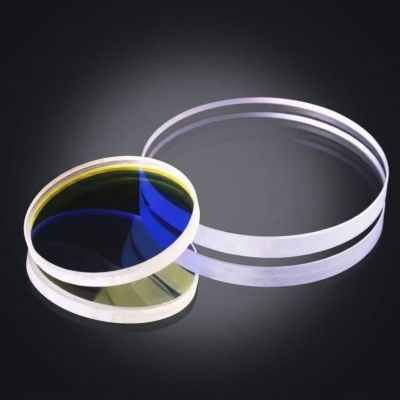
An AR coated sapphire window protects a thermal camera's front optic while maintaining transmission in the specified operating band. It combines a Mohs 9 single-crystal sapphire substrate with application-matched anti-reflection coating for abrasive, hot, chemically demanding industrial environments.
Felix Glass manufactures optical viewports to customer drawings, including round, rectangular, stepped, drilled and custom CNC geometries. Coating design is reviewed against wavelength, angle of incidence, polarization, temperature, cleaning method and allowable reflectance.
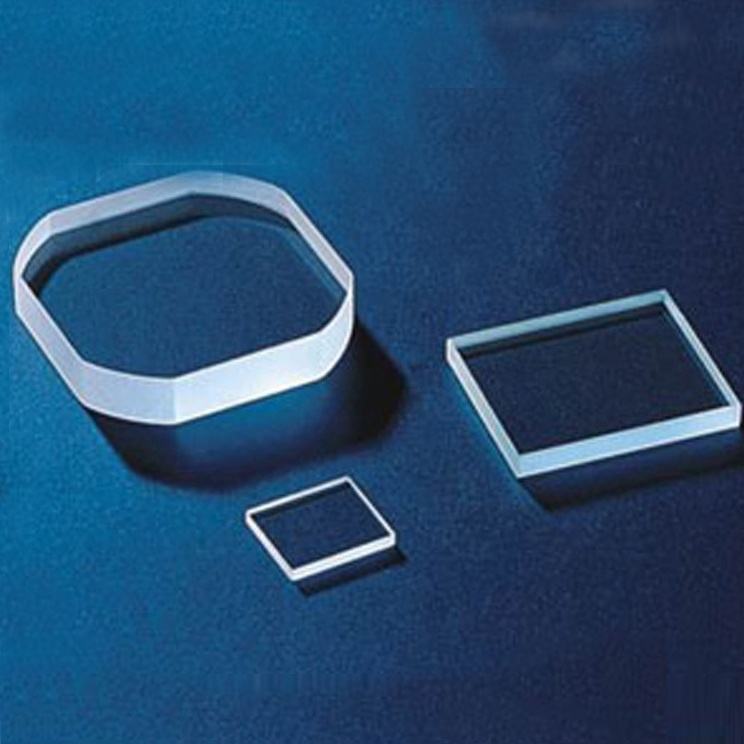
The window is the exposed optical barrier between the thermal imaging assembly and the process environment. Sapphire helps resist scratching, airborne particles, cleaning chemicals and elevated temperature, while an AR coating reduces reflection at the interfaces within the camera's selected spectral band.
It is commonly evaluated for MWIR process monitoring, furnace observation, high-temperature equipment inspection and rugged EO/IR enclosures. The correct material and coating must be confirmed from the detector band—not from the term “thermal camera” alone.
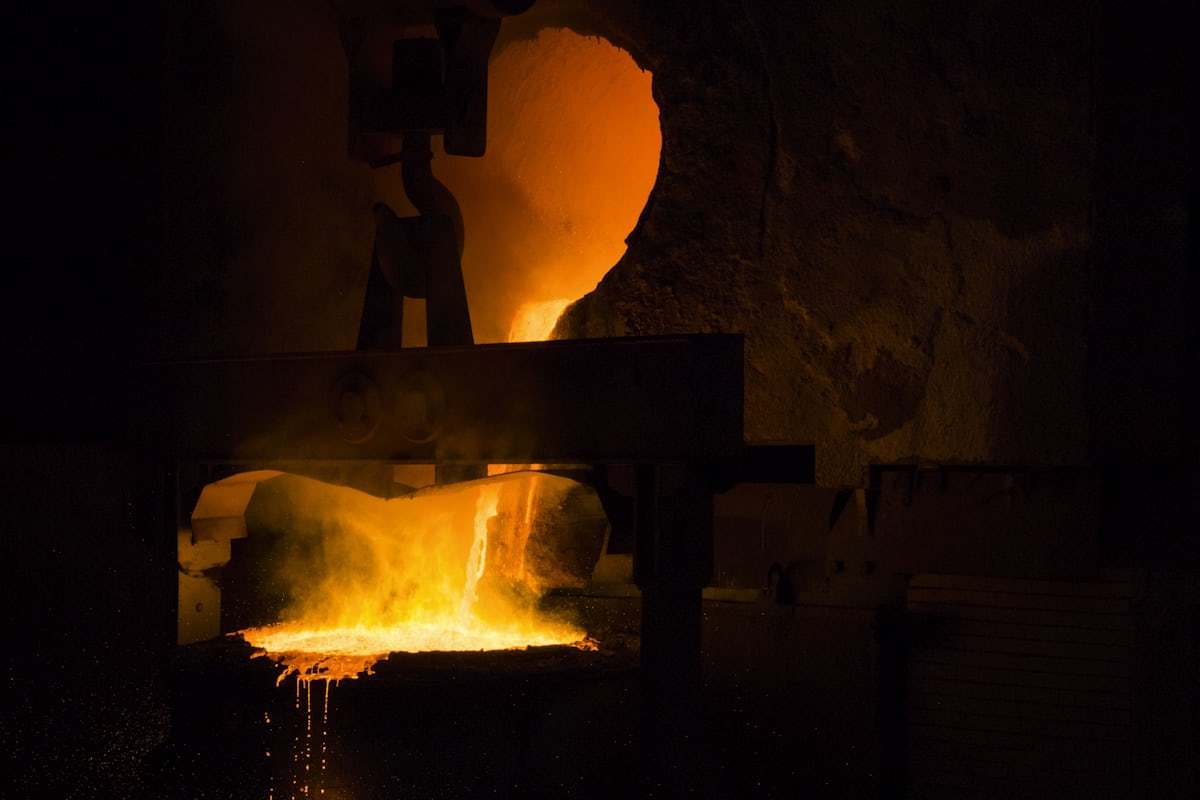
UV, visible, SWIR and many MWIR designs can benefit from sapphire's strength and broad short-wave transmission when the coating is optimized for the actual band.
Many uncooled thermal cameras operate around 8–14 μm, outside sapphire's practical transmission range. Germanium, ZnSe or another IR material may be more appropriate.
Share the working wavelength, angle of incidence, polarization, clear aperture, temperature, pressure, atmosphere and target transmission.
Engineering checkpoint: the coating band, substrate thickness, mounting stress and environmental sealing should be evaluated as one optical-mechanical system.
| Substrate | Optical-grade single-crystal sapphire (Al2O3) |
|---|---|
| Crystal orientation | C-plane, A-plane or project-defined orientation |
| Geometry | Round, square, rectangular, stepped, drilled or CNC custom profile |
| Optical finish | Double-side polished with project-defined flatness and cosmetic quality |
| AR coating | Single- or double-side AR/BBAR matched to wavelength, incidence angle and environment |
| Edge finish | Fine ground, polished, chamfered, beveled or housing-specific profile |
| Inspection | Dimensions, cosmetics, flatness, spectral transmission and coating performance as agreed |
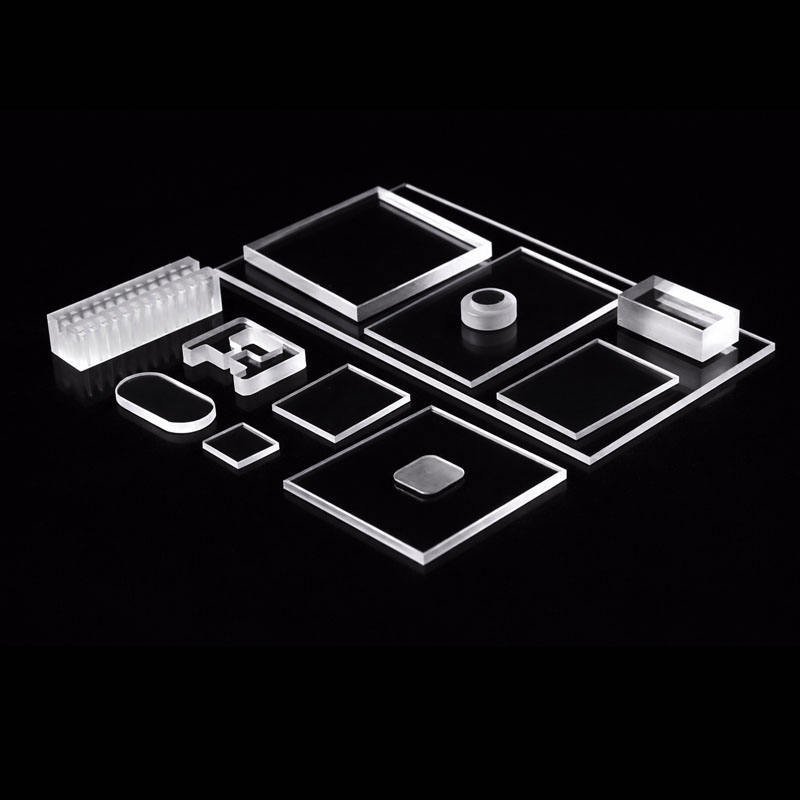
Mohs 9 hardness helps the window withstand dust, handling and repeated cleaning in industrial service.
Sapphire retains mechanical stability at elevated temperature; coating and mounting materials determine the practical assembly limit.
The substrate resists many corrosive process and cleaning environments, subject to coating and seal compatibility.
AR coating is tailored to the selected band to reduce reflection loss and support the camera's signal budget.

Detector band, focal system, incidence angle and allowable reflection define the coating target.
Clear aperture, seal land, pressure differential, edge profile and mounting load guide the geometry.
Temperature cycling, dust, splash, corrosive gas and cleaning practice influence coating and inspection choices.
Confirm wavelength, angle, polarization, target transmission and operating environment.
Check size, thickness, clear aperture, tolerances, edge form, mounting and quantity.
Prepare the sapphire blank, CNC shape, edge, polish and clean to the agreed process.
Apply the specified AR stack and verify dimensional, cosmetic and spectral requirements.
Grade-A project review means the measurable acceptance criteria are defined before production. Available inspection can cover material and orientation, dimensions, surface condition, flatness, parallelism, spectral transmission and coating response.
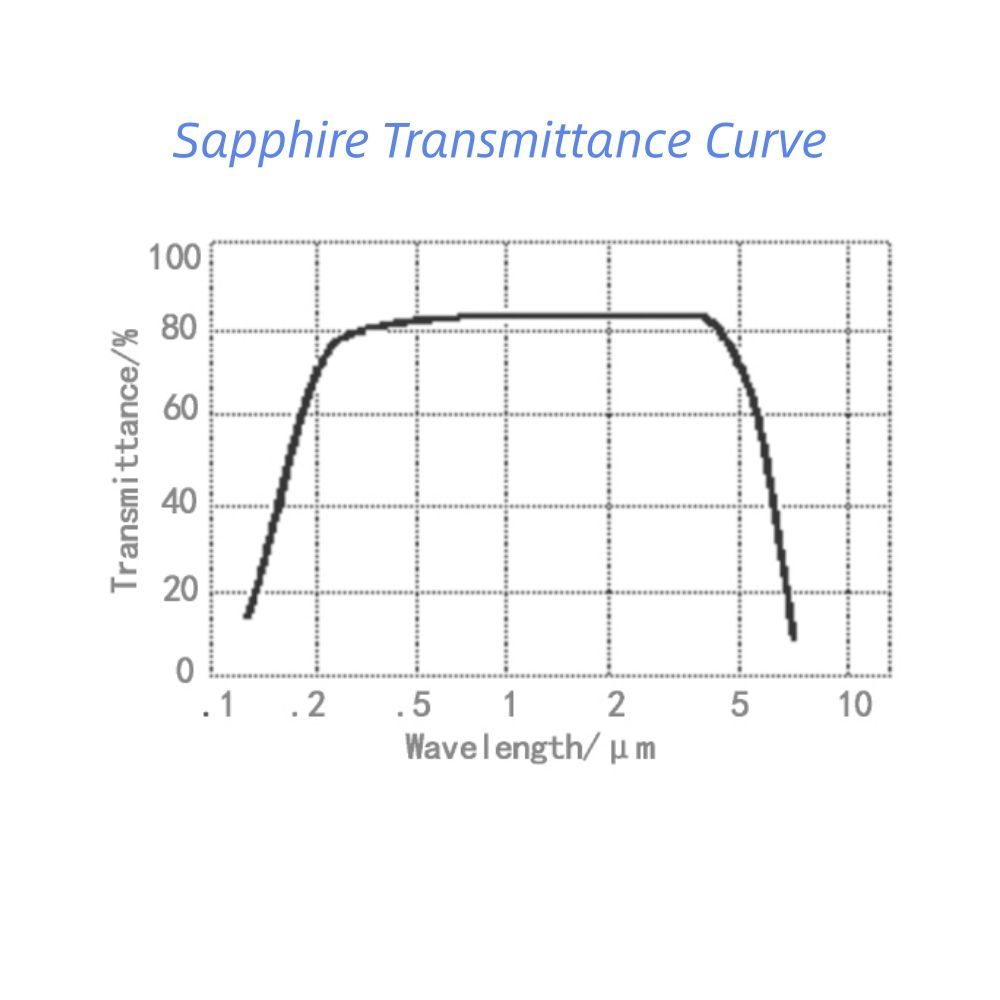
No. Sapphire is a strong candidate for UV through SWIR and many MWIR systems, but it is generally not the right substrate for common 8–14 μm LWIR cameras. Send the detector band for a material review.
Provide wavelength band, target transmission or reflectance, angle of incidence, polarization, substrate orientation, operating temperature, atmosphere, cleaning method and quantity.
Custom rectangular, stepped, drilled, chamfered and other drawing-defined profiles can be reviewed for CNC manufacturability and sealing requirements.
The design should allow for thermal expansion, edge stress, seal compatibility and temperature gradients. Share the housing drawing and thermal conditions for review.
Include the spectral band, dimensions, clear aperture, coating target, temperature, housing interface and expected quantity. Felix Glass will review material fit, CNC geometry, optical polishing and AR coating requirements.
Send us your drawing, dimension & coating requirements for fast quotation within 24 hours.
Get Free RFQ
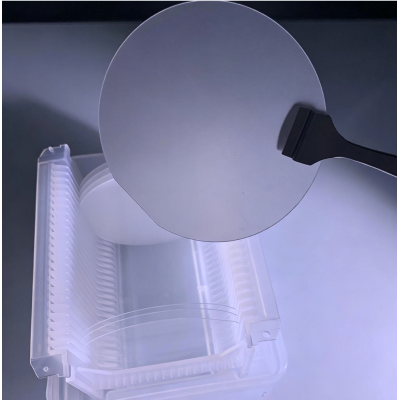
We supply Industrial Glass, Sapphire Optics, Optical Lenses/Prisms/Filters, Infrared IR Optics, Functional & Display Glass, N-BK7/H-K9L Optical Glass, supporting OEM mass production and laboratory custom prototypes. Flexible MOQ & free sample service available. Fill in the form to download full datasheets and get factory wholesale price within 24 hours.
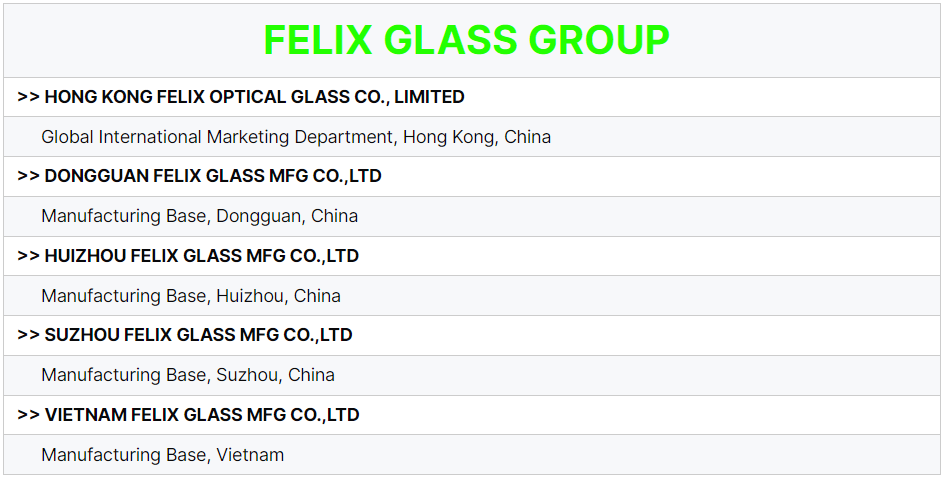
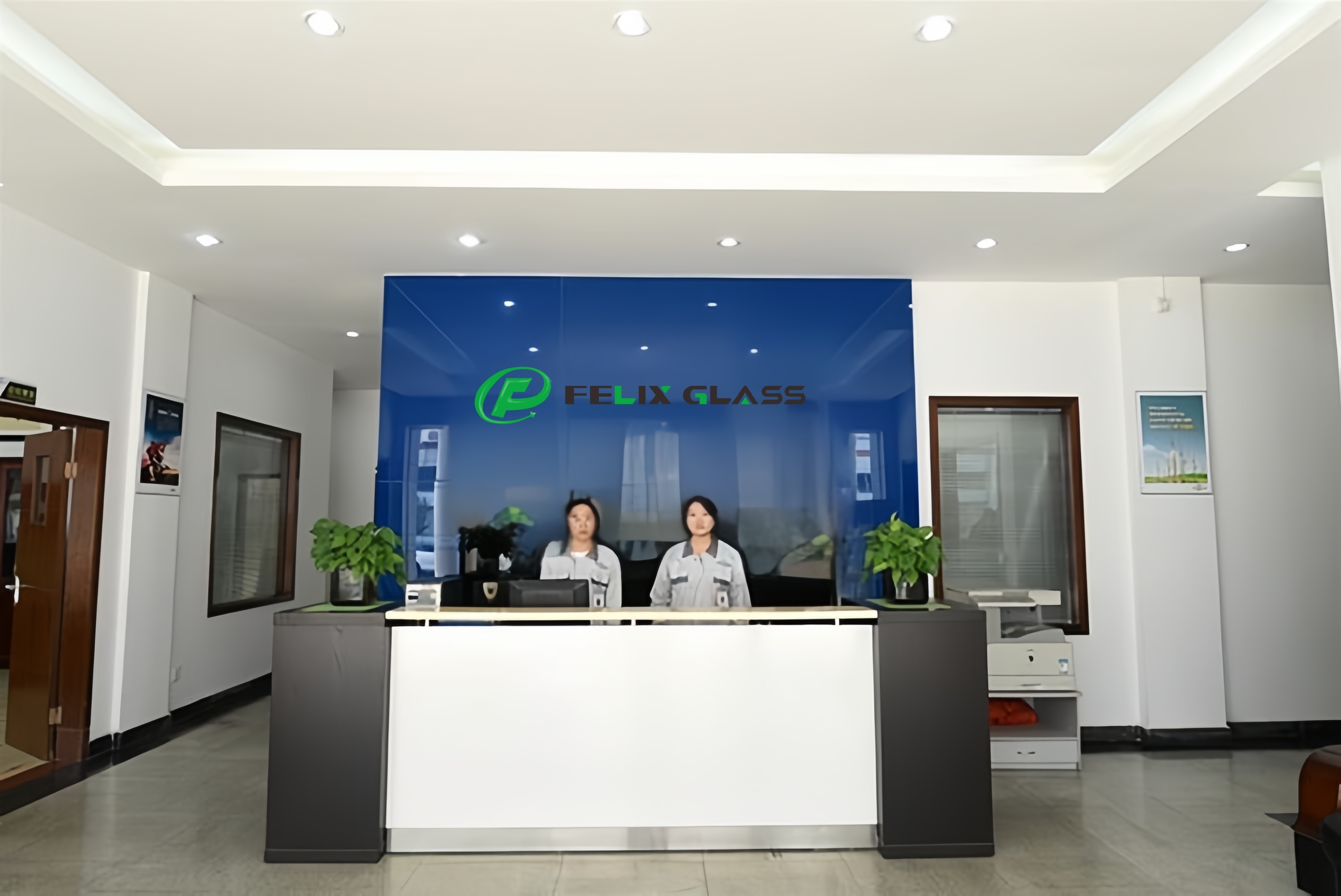
FELIX OPTICAL GLASS offers highly flexible MOQs to support customer projects, including prototype testing, small-batch trial orders, and high-volume production. All products can be fully customized to your drawings, tolerances, and application standards. Please send us your specifications, and we will reply within 1-5 hours and provide an accurate quotation after careful evaluation within 1-2 days.
Yes, our FELIX GLASS factory supports sample testing for a wide range of precision optical glass components and assemblies. The lead time for sample production is 3 to 7 working days. Please contact us today to arrange samples and obtain a customized solution that meets your needs.
A: The production cycle for standard samples is 3-10 working days, while mass production requires 15-35 working days, depending on the complexity of the product and the order quantity. We provide reliable precision optical glass components and fast delivery services for orders from industries such as defense, industrial equipment, medical devices, shipbuilding, robotics, automotive, and aerospace. Please submit your project details so we can provide you with an accurate delivery schedule.
All precision optical glass components from FELIX OPTICAL GLASS comply with ISO quality system standards as well as CE and RoHS requirements. We provide comprehensive test reports, spectral graphs, material certificates, and inspection documents for customer review. Please feel free to request complete certification details and a formal quotation at any time.
Yes. We offer a full range of precision optical glass component processing services, including CNC machining, precision grinding, optical polishing, chemical/physical tempering, vacuum coating (AR anti-reflective coating, AF anti-fingerprint coating, AG anti-glare coating, IR infrared coating), and screen printing. From raw materials to finished products, every step is completed in our own factory. Please tell us your needs, and we will provide you with the most cost-effective solution.