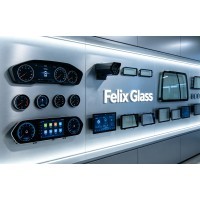
Felix Glass Functional & Display Glass Pillar
Custom Functional & Display Glass for Touch Panel & Electronic Display Systems
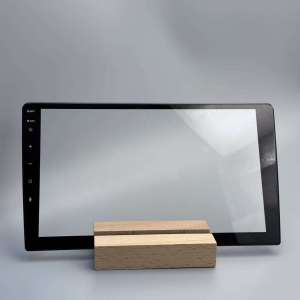
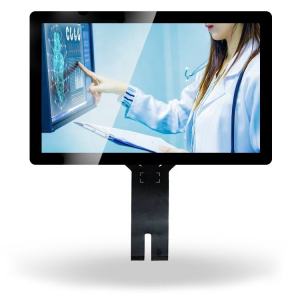
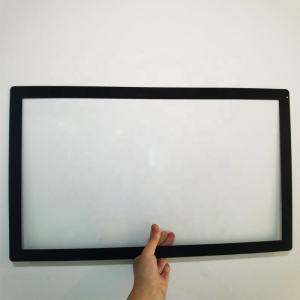
High-precision coated electronic glass components including touch panel glass, display cover glass, ITO conductive glass, AG anti-glare glass and AR anti-reflection glass for consumer electronics, industrial HMI, medical display and smart device applications.
75,000 m2 production base
ISO9001 quality system
Electronic glass inspection lab
Request Custom Quote
Custom Functional & Display Coated Glass for Electronic Touch & Display Equipment
This page provides an overview of commonly used display glass substrates, functional coated glass types, coating processes, manufacturing capabilities and typical electronic industry applications. Individual product specifications depend on substrate selection, coating design and customer engineering requirements.
Typical customization ranges and parameters shown for reference. Actual specifications depend on material selection and engineering requirements.
Substrate Materials
Display Glass Substrate Types, Mechanical & Optical Performance Properties
Values are typical reference data and may vary depending on material grade, thickness and coating design. Material selection should be based on display design, light transmission demand, surface functional requirements and working environment rather than a single performance parameter.
| Material Type |
Typical Thickness Range |
Typical Optical & Mechanical Properties |
Common Tolerance Range |
Typical Industrial Applications |
| Soda Lime Float Glass |
0.5mm-6mm |
Low cost, uniform flatness, support chemical tempering |
+/-0.05mm |
Standard consumer display cover glass, household smart touch panels |
| Aluminosilicate Strengthened Glass |
0.4mm-3mm |
High hardness, high scratch resistance, strong chemical temper strength |
+/-0.03mm |
High-end smart device cover glass, industrial touch panels, medical display windows |
| Borosilicate Glass |
0.3mm-5mm |
High temperature resistance, low thermal expansion, high flatness |
+/-0.02mm |
Laboratory touch control panels, industrial high-temperature display screens |
| Quartz Fused Silica Glass |
0.2mm-4mm |
Ultra-wide spectrum transmission, high heat resistance, stable conductive coating performance |
+/-0.02mm |
UV touch detection equipment, high-temperature industrial display glass |
Product Categories
Customizable Touch Panel, Cover, ITO, AG and AR Functional Glass Components
Typical customization ranges shown for reference. Actual specifications depend on material selection and engineering requirements.
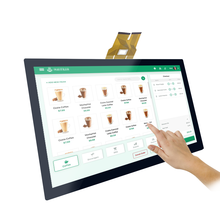
Touch Panel Glass
SEO scope: custom touch panel glass, industrial touch screen cover glass, tempered touch glass.
- Related materials: Soda Lime Glass, Aluminosilicate Strengthened Glass, Borosilicate Glass
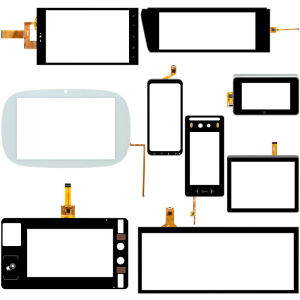
- Typical size: max blank size 1200mm x 1800mm, customizable round, rectangle and curved shapes
- Typical thickness: 0.4mm-6mm
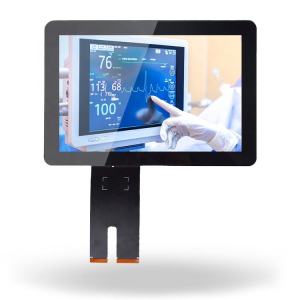
- Applications: industrial HMI, smart home control panels, medical device touch displays, kiosks
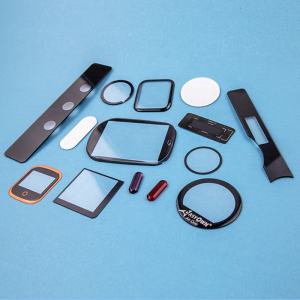
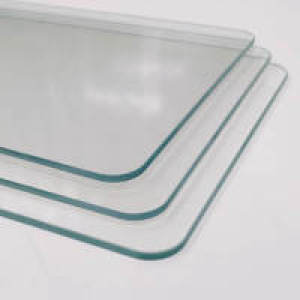
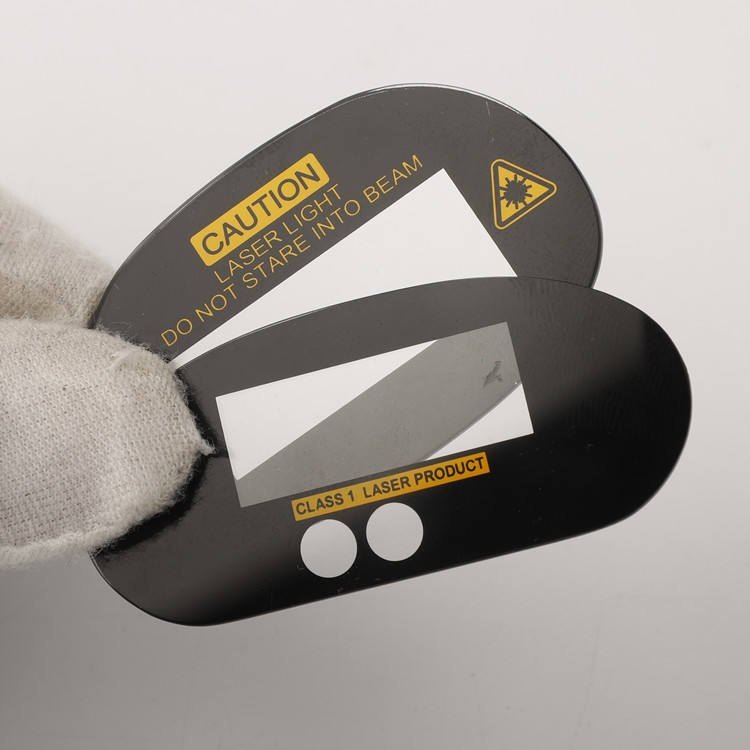
- Options: chemical tempering, edge grinding, chamfering, screen printing, AF coating, silk printing bus bars
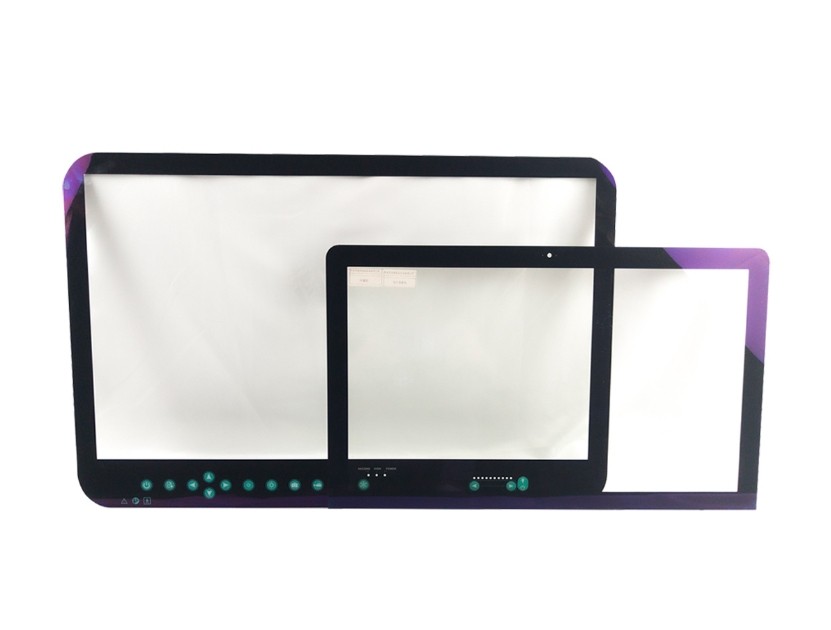
Display Cover Glass
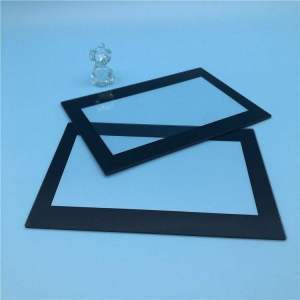
SEO scope: custom display cover glass, tempered screen protective glass, electronic display cover plate.
- Related materials: Aluminosilicate Strengthened Glass, Soda Lime Float Glass
- Typical substrates: high-strength aluminosilicate strengthened glass, standard soda lime glass
- Typical thickness: 0.5mm-3.2mm
- Applications: smartwatch, tablet, smartphone, automotive central display and appliance panels
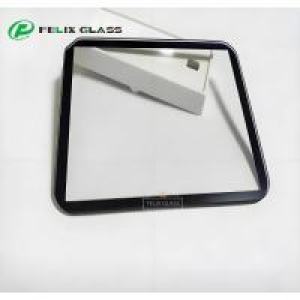
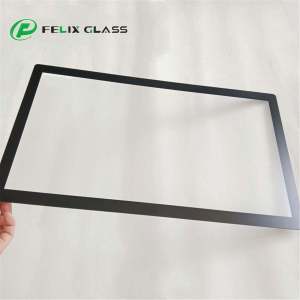
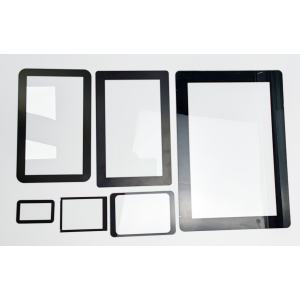
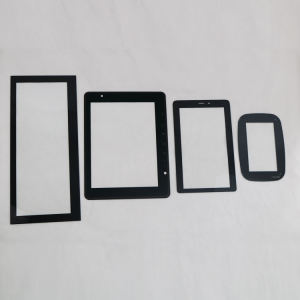
- Options: 2.5D/3D curved polishing, AG/AR/AF coating, black border silk printing, anti-drop tempering
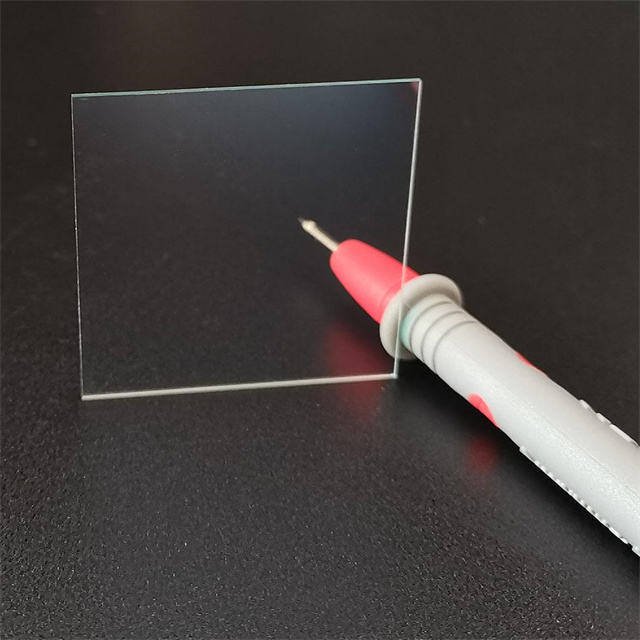
ITO Conductive Glass
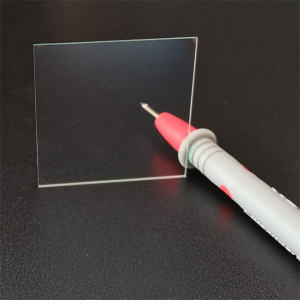
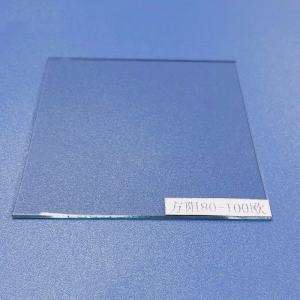
SEO scope: ITO conductive glass, transparent conductive ITO coated glass, touch sensor glass.
- Related materials: Borosilicate Glass, Soda Lime Float Glass, Fused Silica Quartz
- Typical sheet resistance: 3 ohm/sq to 300 ohm/sq; available range depends on process and application
- Typical thickness: 0.2mm-3mm
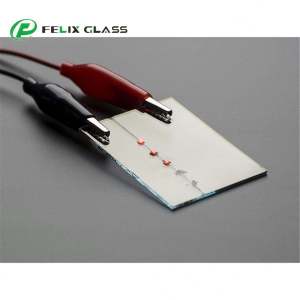
- Applications: touch sensor layers, electrochemical testing slides, anti-fog heating glass, EMI shielding panels
- Options: ITO/FTO dual coating, bus bar printing, laser etching conductive circuits, single/double-sided film
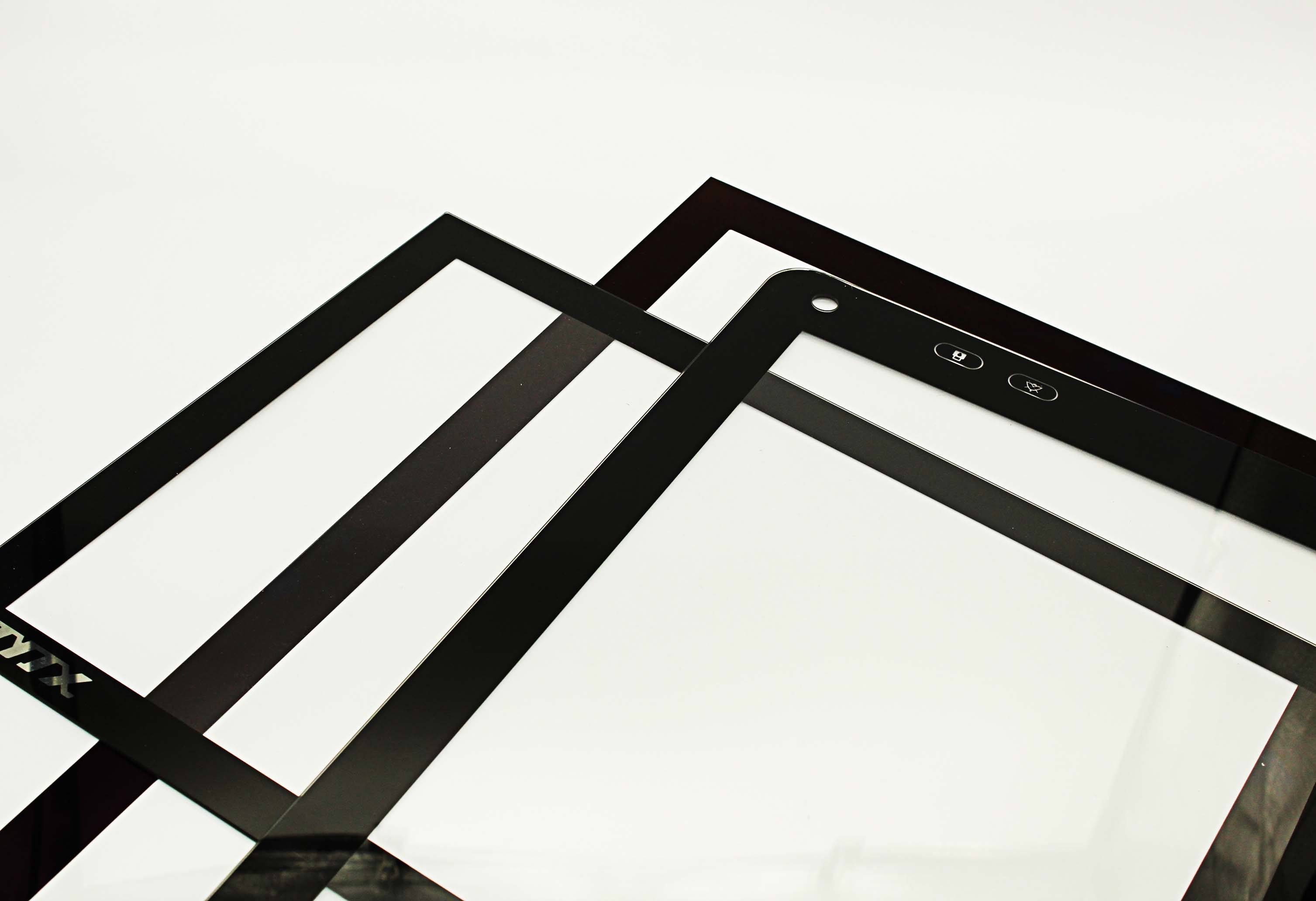
AG Anti-Glare Glass
SEO scope: AG anti-glare display glass, matte anti-glare touch screen glass.
- Related materials: Aluminosilicate Strengthened Glass, Soda Lime Float Glass
- Typical haze range: 5%-30% adjustable; values depend on substrate, etching process and measurement method
- Typical thickness: 0.4mm-5mm
- Applications: outdoor terminals, automotive dashboards, factory touch screens, advertising panels
- Options: single/double-sided AG etching, AG+AR composite coating, AF top layer, full tempering
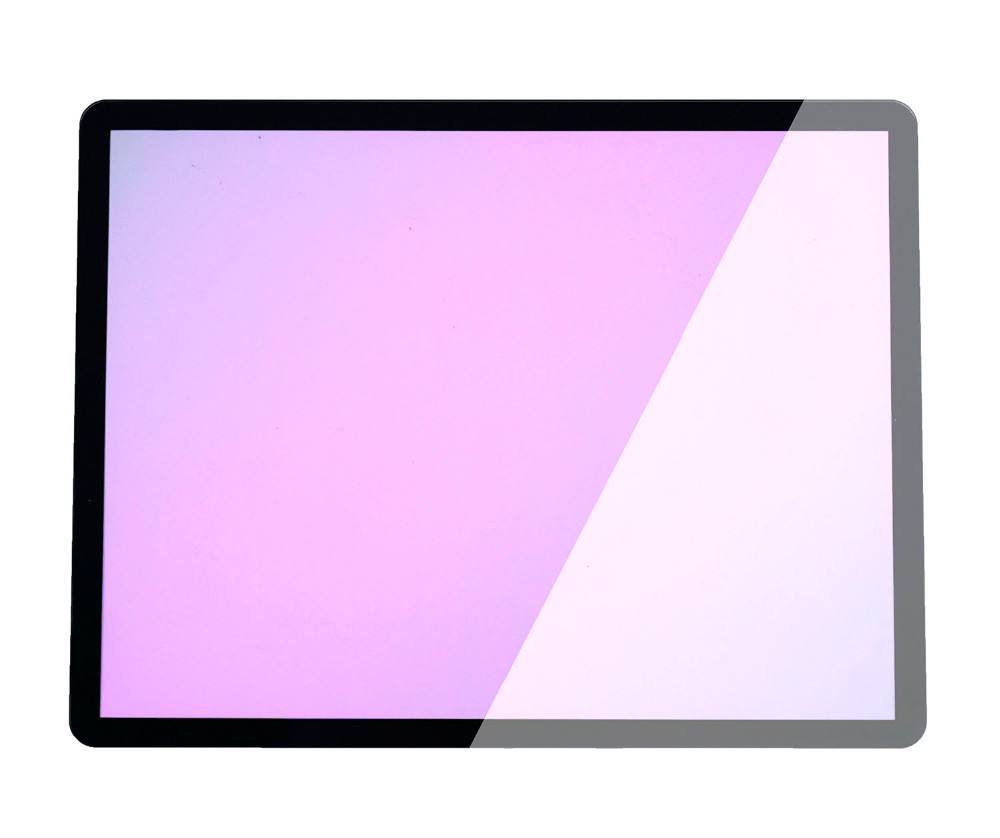
AR Anti-Reflection Glass
SEO scope: AR anti-reflection coated glass, high transmittance anti-reflective display glass.
- Related materials: soda lime, aluminosilicate, borosilicate and fused silica glass types
- Visible light transmittance varies depending on substrate and coating design
- Typical thickness: 0.3mm-6mm
- Applications: medical imaging displays, precision instrument windows, retail HD panels, consumer covers
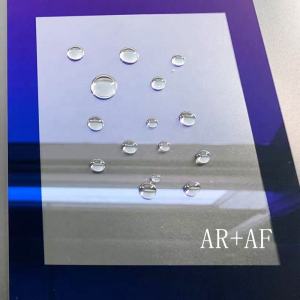
- Options: single/double-sided AR coating, AR+AF composite coating, wavelength-customized anti-reflection film
Functional Coatings
Custom AG/AR/ITO Vacuum Coating Solutions for All Display Glass Substrates
Felix Glass provides customizable multi-layer functional coating solutions matched to customer display transmittance, conductive and anti-glare performance requirements. Coating availability depends on substrate material, target light wavelength and display optical design requirements. Multiple functional coatings may be combined when compatible with the selected substrate and manufacturing process.
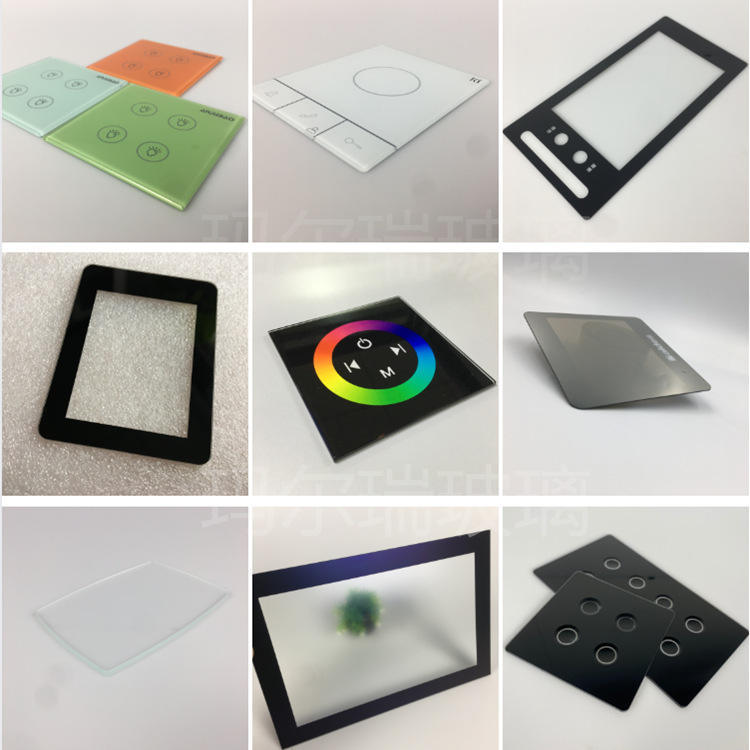
AG Anti-Glare Etching
Matte surface treatment for outdoor high-brightness display anti-reflection.
AR Multi-Layer Anti-Reflection Coating
Boost visible light transmittance for high-clarity display equipment.
AF Anti-Fingerprint Coating
Oil and water repellent top layer for touch panel daily use.
ITO/FTO Transparent Conductive Coating
Conductive thin film for touch sensors and heating glass.
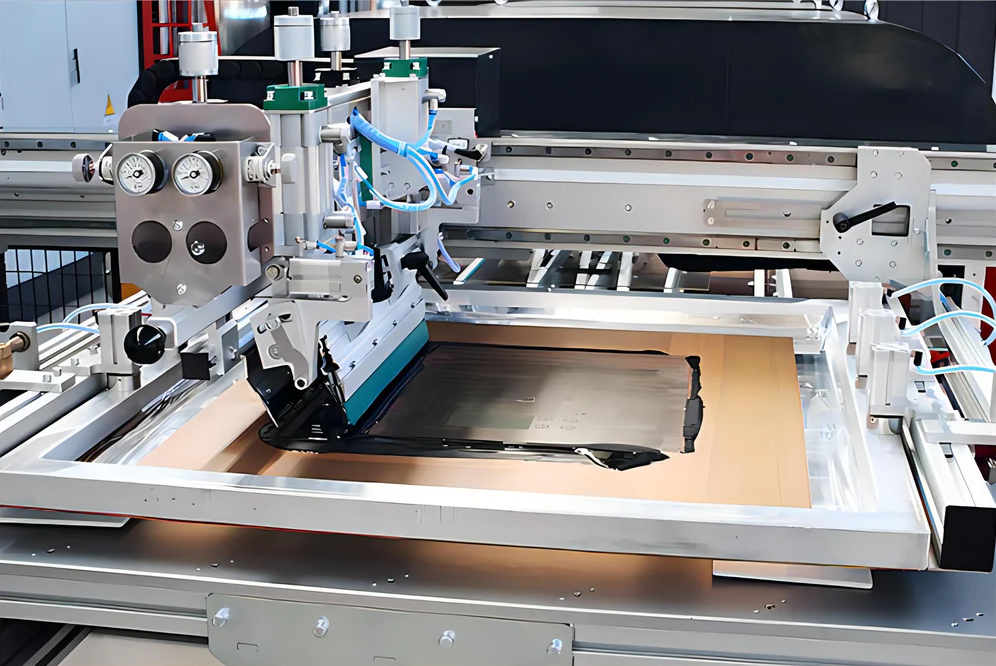
Black Silk Printing Ink
Screen printing border, bus bar and logo patterns for display covers.
Tempering Chemical Strengthening
Improve surface hardness and anti-drop performance for consumer devices.
Applications
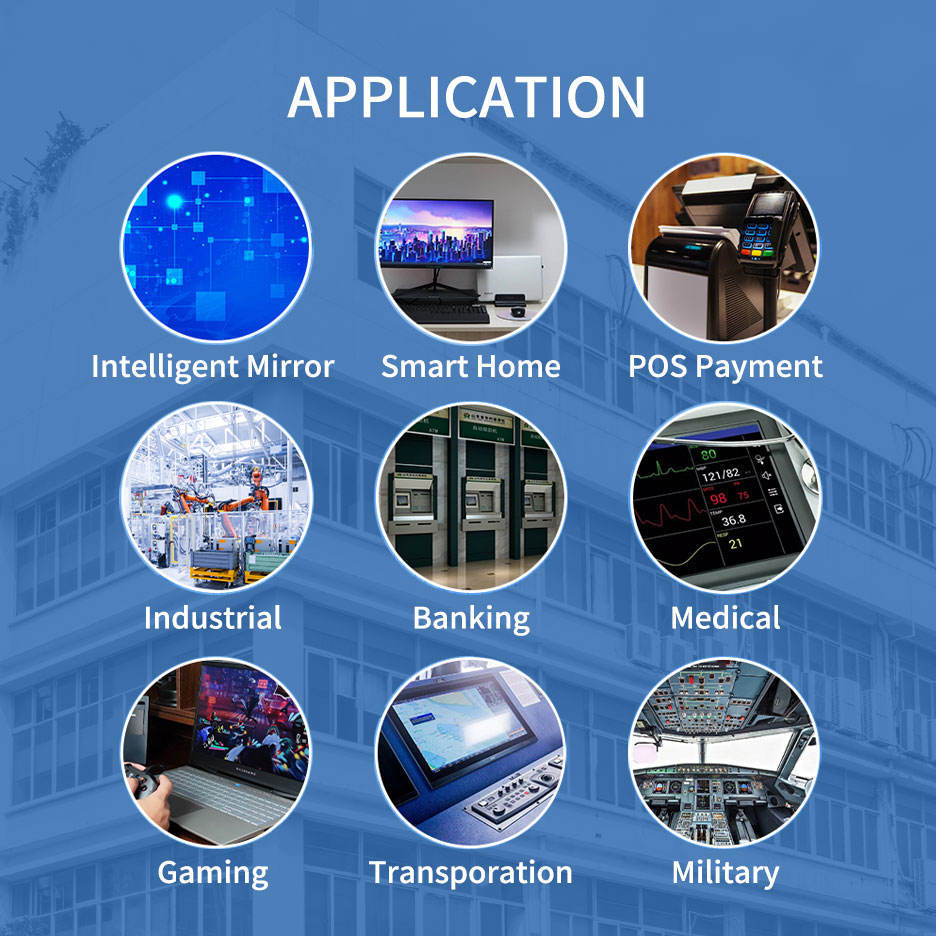
Typical Industrial Application Scenarios of Precision Functional Display Glass
Consumer smart electronic devices
Industrial HMI and factory automation touch control panels
Medical diagnostic equipment display and touch screens
Automotive central control and dashboard displays
Outdoor self-service kiosks and advertising terminals
Laboratory electrochemical testing and optical analysis equipment
Smart home household appliance control panels
OEM Processing
OEM Custom Processing for Curved, Silk-Printed & Multi-Coated Display Glass
Custom Available Display Glass Substrates
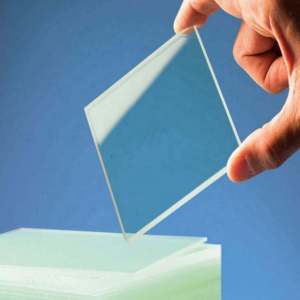
Soda Lime Float Glass, Aluminosilicate Strengthened Glass, Borosilicate Glass and Fused Silica Quartz Glass.
Non-Standard Custom Processing Range
2D/2.5D/3D curved cover glass, ultra-thin ITO conductive substrates, variable haze AG matte glass, multi-layer composite coated display panels, silk printed logo and border glass.
Standard Customer Engineering Workflow
Drawing & Performance Requirement Evaluation
Coating & Substrate Engineering Feedback
Prototype Sample Trial
Mass Production Arrangement
Manufacturing & Inspection
Full-Spec Manufacturing & Functional Performance Inspection Standards for Display Glass
Full Production Workflow
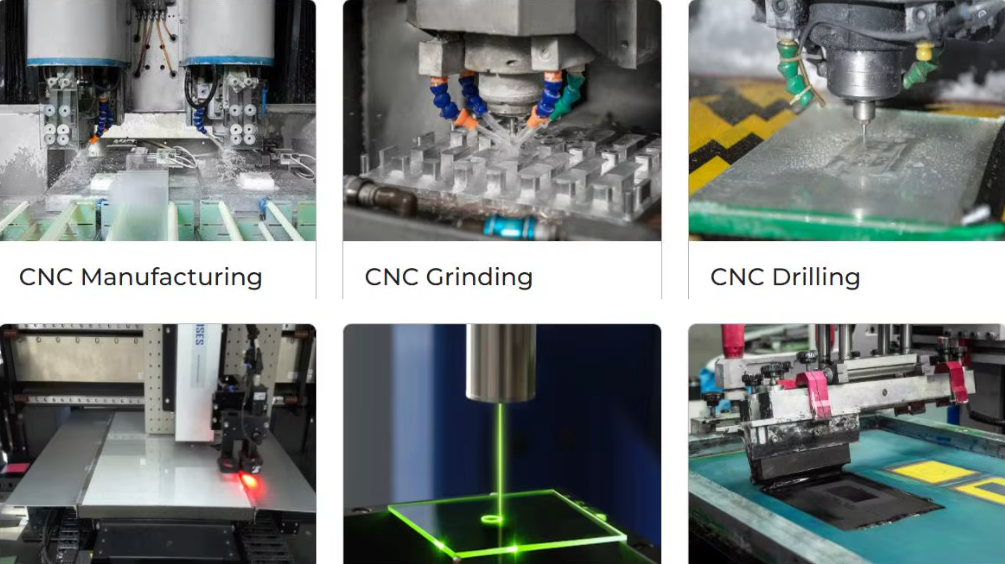
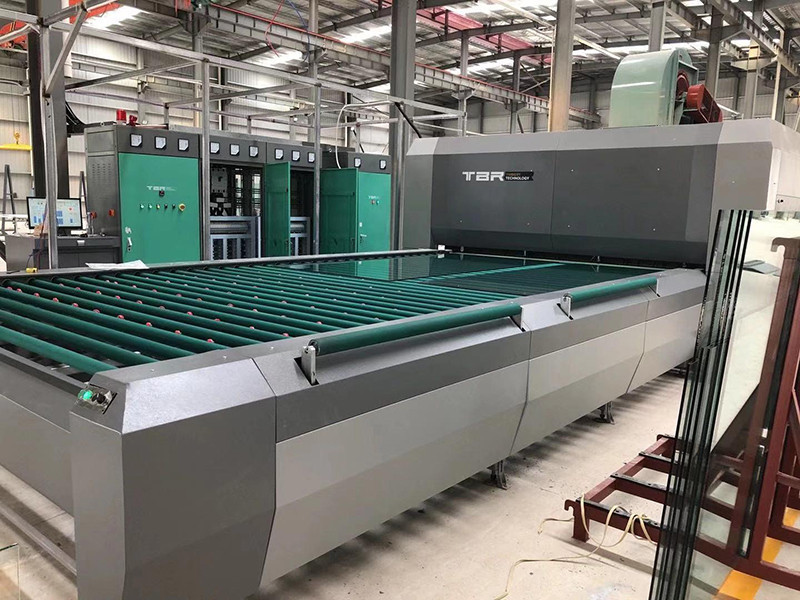
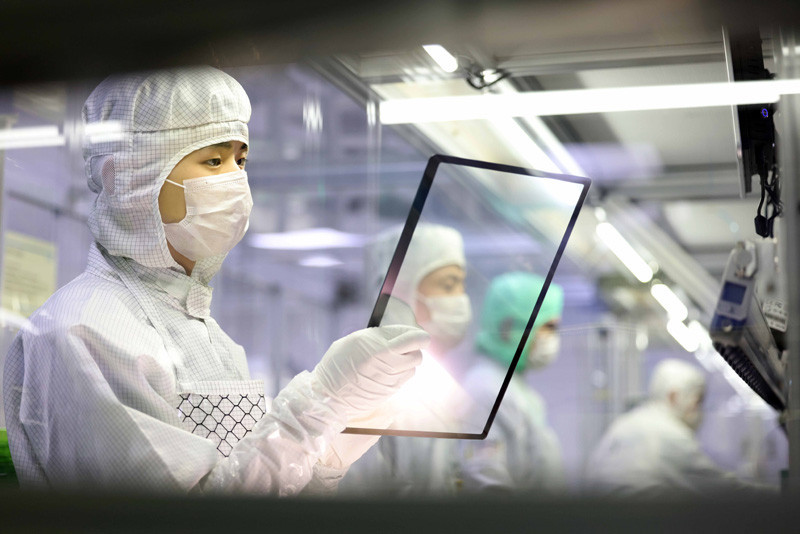
Raw Glass Blank Cutting -> CNC Edge Grinding & Chamfering -> Chemical Tempering / AG Chemical Etching -> Magnetron Sputtering Vacuum Coating -> Surface & Functional Performance Testing -> Dust-Free Clean Room Packaging.
Complete Inspection Items
- Glass flatness and thickness tolerance testing
- Surface scratch and defect visual inspection
- AG haze / AR transmittance spectral test
- ITO sheet resistance uniformity calibration
- Chemical tempering surface hardness test
- Coating adhesion and wear resistance test
- Silk printing border position and definition inspection
Selection Knowledge
How To Select Display & Functional Glass
Choosing suitable display glass substrates relies on display brightness requirements, touch control performance, scratch resistance standards, operating environment and project budget constraints. Material and coating selection should be evaluated as an integrated engineering process rather than independent decisions.
Soda Lime Float Glass
Cost-effective standard solution for indoor smart home and low-demand touch display panels, supporting basic tempering and AG/AR coating.
Aluminosilicate Strengthened Glass
Prioritized for high-end consumer electronics and outdoor industrial touch screens requiring hardness and anti-drop performance.
Borosilicate Glass
Stable thermal performance for laboratory testing touch panels and high-temperature industrial display equipment.
Fused Silica Quartz Glass
Ultra-wide spectrum transmission for UV touch detection and special high-temperature optical display systems.
Typical Factors When Selecting Display & Functional Glass
- Display working brightness and light transmittance target
- Required surface hardness and scratch resistance rating
- Operating temperature range and outdoor environmental exposure
- Conductive touch function demand with ITO/FTO coating
- Anti-glare, anti-reflection and anti-fingerprint surface requirements
- Product cost and mass production MOQ requirements
Upload Your Display Glass Drawing
Please specify glass substrate type, target thickness, coating requirements (AG/AR/ITO), haze/transmittance targets and application environment for engineering quotation evaluation.
FAQ
Frequently Asked Questions About Functional & Display Glass
What types of functional coated glass are widely used for industrial touch display panels?
Common choices include tempered touch panel glass, display cover glass, ITO conductive glass, AG anti-glare glass, AR anti-reflection glass and AF anti-fingerprint coated glass.
What performance difference exists between soda lime glass and aluminosilicate strengthened display glass?
Soda lime glass is typically selected for cost-sensitive indoor applications. Aluminosilicate strengthened glass is preferred when higher hardness, scratch resistance and chemical tempering strength are required.
Which substrate material is suitable for outdoor high-brightness AG anti-glare display screens?
Outdoor AG display glass often uses temperable aluminosilicate or soda lime glass with an AG etched surface. The final choice depends on brightness, haze target, touch function and durability requirements.
Can custom curved 2.5D/3D display cover glass be produced from customer technical drawings?
Yes. Felix Glass can evaluate customer drawings for curved cover geometry, substrate selection, edge finishing, silk printing and coating compatibility before prototype sampling.
What functional coating combinations are available for touch panel glass?
Typical combinations include AG+AR, AR+AF, AG+AF and compatible multi-layer AG+AR+AF designs. ITO/FTO conductive layers can be considered when the touch or heating function requires them.
What thickness and dimensional tolerances can be achieved for custom display glass blanks?
Typical ranges depend on substrate and geometry. Reference thickness covers about 0.2mm to 6mm, with common tolerance ranges from about +/-0.02mm to +/-0.05mm depending on material and process.
What drawing file formats are required to launch OEM functional glass mass production?
Engineering review normally starts from dimensioned 2D drawings and coating specifications. CAD files, PDF drawings and clear tolerance notes help confirm substrate, edge, hole, printing and coating requirements.
Can Felix Glass provide full coating performance test reports for ITO, AG and AR display glass?
Yes. Test documents can be provided according to the agreed project scope, including transmittance, haze, sheet resistance and relevant coating performance data for engineering review.
What sheet resistance ranges are customizable for ITO conductive touch glass?
Typical sheet resistance can be specified within about 3 ohm/sq to 300 ohm/sq. Available values depend on coating process, substrate and application requirements.
Is chemical tempering treatment available to improve the scratch resistance of display cover glass?
Chemical tempering is available for compatible glass substrates and is commonly used to improve surface hardness and strength for electronic cover glass applications.
Can multi-functional composite coating (AG+AR+AF) be applied on a single glass substrate?
Composite coating can be applied when the selected substrate, coating sequence and target optical performance are compatible with the manufacturing process.
Can custom silk printing logos, black borders and conductive bus bars be processed on display glass?
Yes. Felix Glass can process black borders, logos, icons and conductive bus bars together with glass cutting, edge finishing, tempering and coating steps.
How should I choose the most suitable display glass substrate and coating for my application?
Display glass and coating selection follows a standardized workflow: confirm the operating environment, define optical targets, confirm conductive and scratch-resistance requirements, select the matching substrate, match the AG/AR/ITO coating solution, then verify tolerance, curved shape and printing needs for production.
How are coating durability and optical performance verified during production?
Coating durability and optical performance are verified through full-process factory inspection: optical spectrum testing for transmittance and haze consistency, sheet resistance uniformity testing for conductive coatings, coating adhesion and wear resistance tests, and final visual defect screening. Test data can be compiled into official inspection documents for customer engineering review.